

Is Silver a Good Material for Jewelry? Pros & Cons
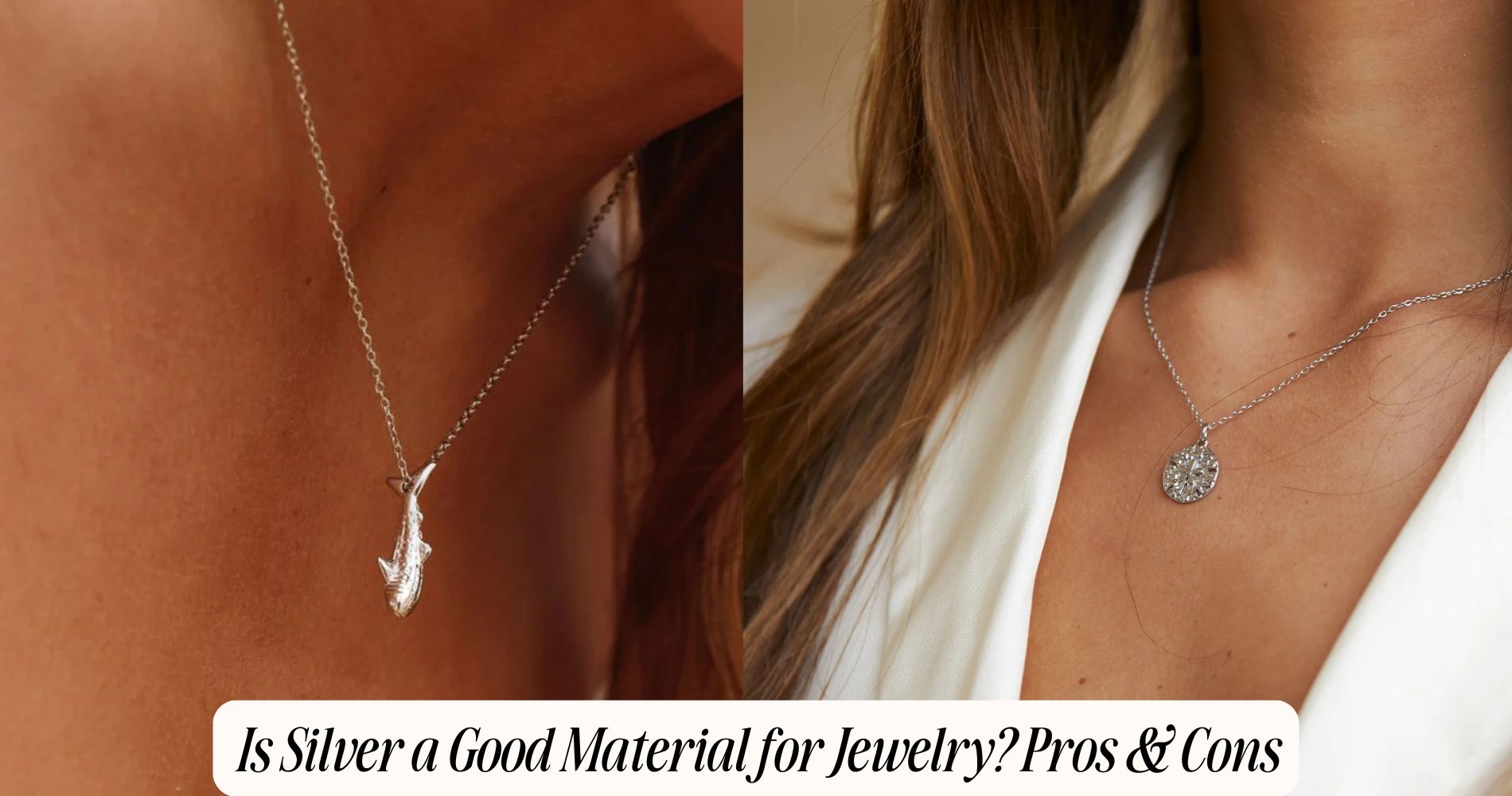
If you’ve ever wondered is silver a good material for jewelry, the answer is yes—especially if you want high-end shine without the price tag of gold or platinum. Sterling silver’s alloyed composition boosts durability, detail, and stone security, though it can still scratch, bend, and tarnish more easily than harder metals. With proper storage and occasional cleaning, you get excellent design versatility, all-day comfort, and a luxurious look that fits a realistic budget. For stylish examples, cute silver necklaces show how beautifully silver can elevate everyday wear. There’s even more to consider as you decide whether it suits your lifestyle and expectations.
Understanding Silver as a Jewelry Metal
Silver sits at the crossroads of beauty, performance, and value, which is why it’s one of the most widely used metals in fine and fashion jewelry.
When you evaluate silver as a jewelry metal, you’re really examining its composition, working properties, and long-term behavior on the body.
You’ll encounter two main concepts: silver purity and silver alloys.
Pure silver (often called fine silver, 99.9% pure) is bright but relatively soft, so it’s less practical for everyday wear.

That’s why most quality pieces use silver alloys, typically sterling silver at 92.5% silver plus 7.5% other metals, often copper.
This blend increases hardness, durability, and fabrication precision while preserving silver’s signature luster and color, giving you a stable base for stones and finishes.
Advantages of Choosing Silver Jewelry
Once you understand how silver is formulated and strengthened as an alloy, it’s easier to see why it performs so well in real-world wear. You get a noble metal that resists corrosion, accepts a high polish, and maintains crisp detail in cast or fabricated designs.
The affordability factor is a major advantage: silver lets you invest in solid precious-metal pieces at a fraction of the cost of gold or platinum, so you can build a versatile collection without overextending your budget.
Silver’s design versatility is equally valuable. It works for delicate chains, structural cuffs, precision-set gemstones, and trend-driven motifs. It also pairs seamlessly with both warm and cool palettes, making it easy to integrate with your existing jewelry wardrobe.
Drawbacks and Limitations of Silver
Even with its many strengths, sterling silver carries practical limitations you should weigh before investing heavily in it. Its softness makes pieces more vulnerable to scratches, dents, and deformation, especially in rings and everyday bracelets.
You’ll need periodic reshaping and refinishing to maintain crisp lines and polish.
You must also manage tarnishing issues. Silver reacts with sulfur and oxygen in the air, darkening over time. Without routine cleaning and appropriate storage, high-wear items can look dull or discolored quickly.
Alloy variations introduce additional variables. Lower‑grade silver alloys may contain more copper or other metals, which can accelerate tarnish, trigger skin sensitivities, or affect durability and color consistency.
Ensuring quality hallmarks and reputable sourcing is essential to minimize these performance drawbacks.
Comparing Silver to Other Popular Metals
While sterling silver has distinct advantages and clear limitations, it only makes sense in context with other metals competing for a place in your jewelry box.
When you weigh silver vs gold, you’re mainly balancing cost, color, and durability. Gold (especially 14K and 18K alloys) resists tarnish better, wears harder, and usually carries higher perceived prestige, but you’ll pay a substantial premium per gram.
In a silver vs platinum comparison, platinum is denser, more hypoallergenic, and considerably more durable for everyday wear, particularly in ring shanks and prong settings.
However, it’s far more expensive and heavier on the hand. Silver lets you access larger, more design-forward pieces at accessible prices, ideal if you like regularly updating or expanding your collection.
Tips for Caring for and Wearing Silver Jewelry
Because silver is naturally soft and prone to surface oxidation, the way you wear, store, and clean your pieces has a direct impact on how they age.
Remove silver rings before working with chemicals, abrasive tools, or chlorinated water. Apply lotions, perfume, and hairspray first, then put your jewelry on to avoid residue buildup.

Use gentle cleaning techniques: a treated silver polishing cloth for routine care, and a mild, ammonia‑free silver cleaner only when tarnish is heavy.
Avoid toothpaste, baking soda pastes, or hard brushes; they create micro‑scratches.
Prioritize airtight storage solutions. Keep pieces in individual soft pouches or anti‑tarnish bags, away from humidity and rubber.
Store chains clasped and laid flat to prevent tangling, kinking, and unnecessary stress on links.
Frequently Asked Questions
Is Silver Jewelry a Good Investment or Store of Value Long Term?
You shouldn’t treat silver jewelry as a primary long‑term store of value; its investment potential is limited. You mainly pay for design and labor, while commodity prices face significant market fluctuations that erode predictable, resale-oriented returns.
How Does Silver Jewelry Impact People With Metal Allergies or Sensitive Skin?
You’ll tolerate high-quality sterling or fine silver well, but metal allergies and skin sensitivity increase when alloys contain nickel or copper. Choose hypoallergenic, nickel-free, rhodium-plated, or Argentium silver, and test wear briefly before long-term use.
Can Silver Jewelry Be Worn Safely During Sports or Physical Activities?
You can wear silver jewelry during moderate sports, but sports safety depends on design and silver durability. Avoid soft, delicate pieces, hollow chains, and stone settings; choose low-profile, well-soldered items and remove them for contact or high-impact activities.

Is Silver Considered an Ethical or Sustainable Choice for Jewelry Buyers?
Yes, you can consider silver relatively ethical if suppliers verify ethical sourcing and sustainable mining. You should request third‑party certifications, recycled content documentation, and mine‑of‑origin data to confirm reduced environmental impact and responsible labor practices.
How Do Silver Jewelry Trends Change Across Different Cultures and Fashion Styles?
You’ll see silver trends vary globally: some cultures prioritize heirloom symbolism, others favor minimalist daily wear. As fashion evolution accelerates, you’ll navigate shifting aesthetics where cultural significance, finish quality, and alloy performance inform ideal style, pricing, and positioning.
Conclusion
You’ve seen that silver offers beauty, versatility, and accessibility, but it also demands mindful care and realistic expectations about durability and tarnish. When you weigh it against gold, platinum, and alternative alloys, silver remains a smart, stylish choice—especially for trend‑driven or frequently worn pieces. If you maintain it properly and choose well-crafted designs from reputable makers, you’ll get excellent long-term value and performance from your silver jewelry collection.









Leave a comment
This site is protected by hCaptcha and the hCaptcha Privacy Policy and Terms of Service apply.