

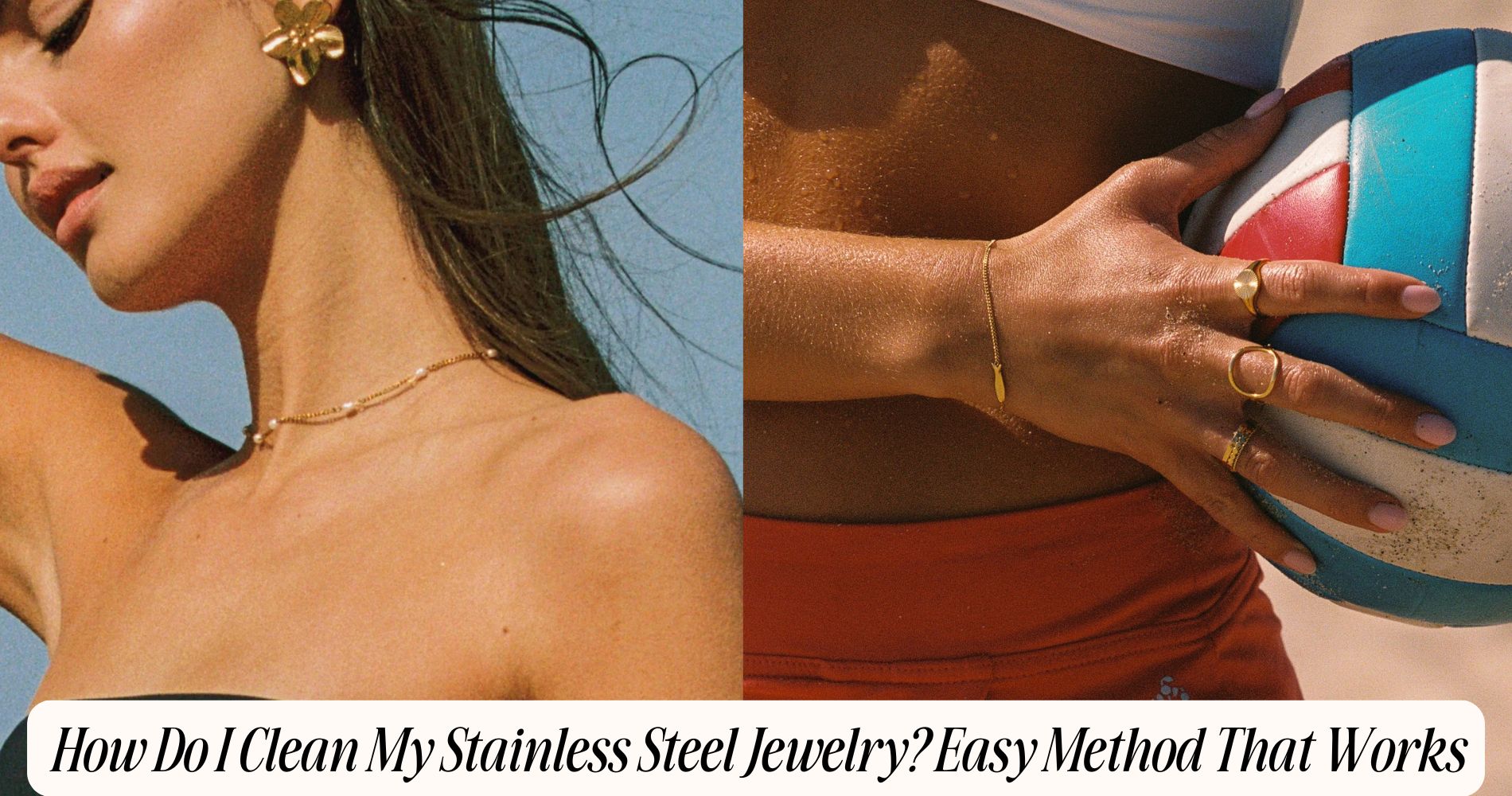
How Do I Clean My Stainless Steel Jewelry? Easy Method That Works
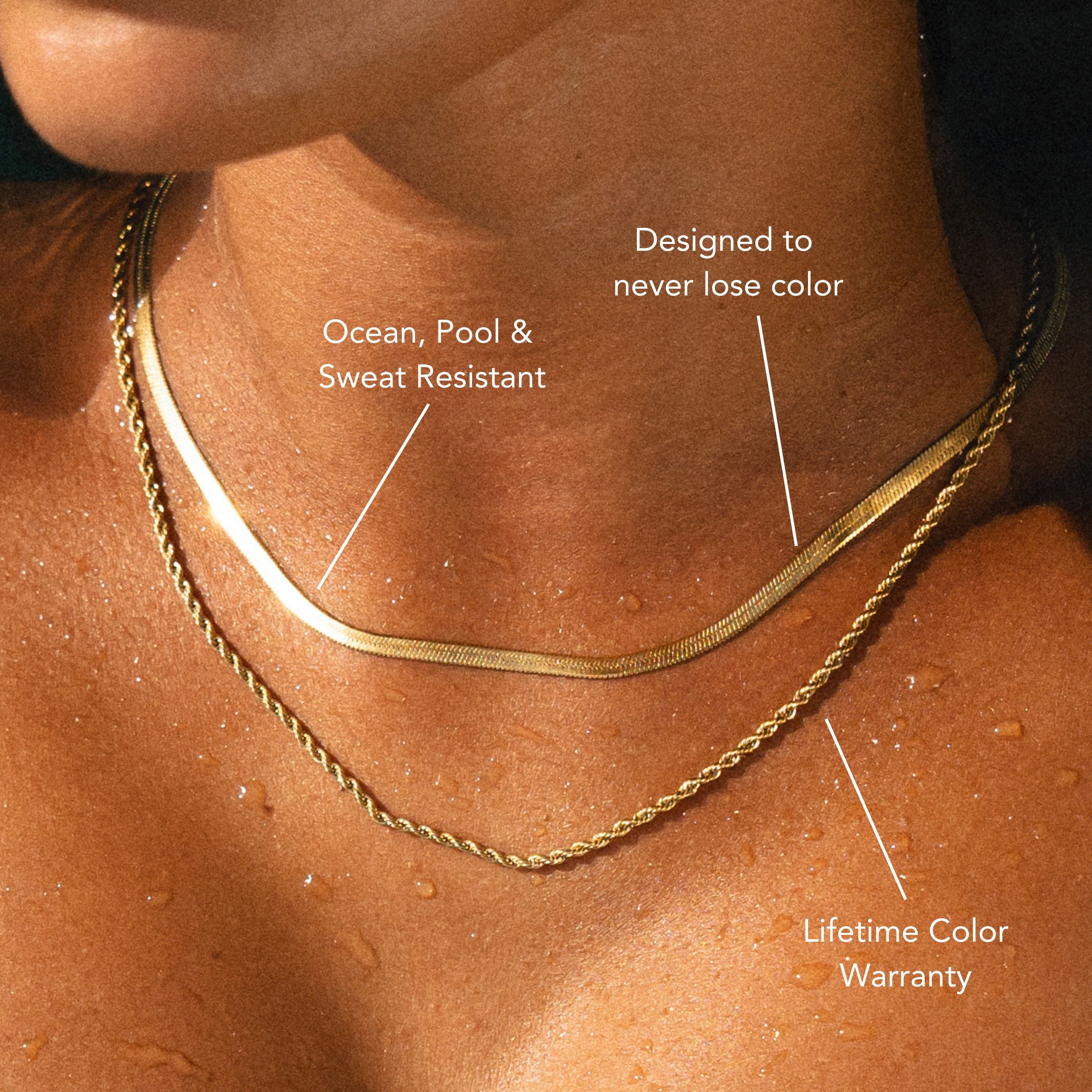
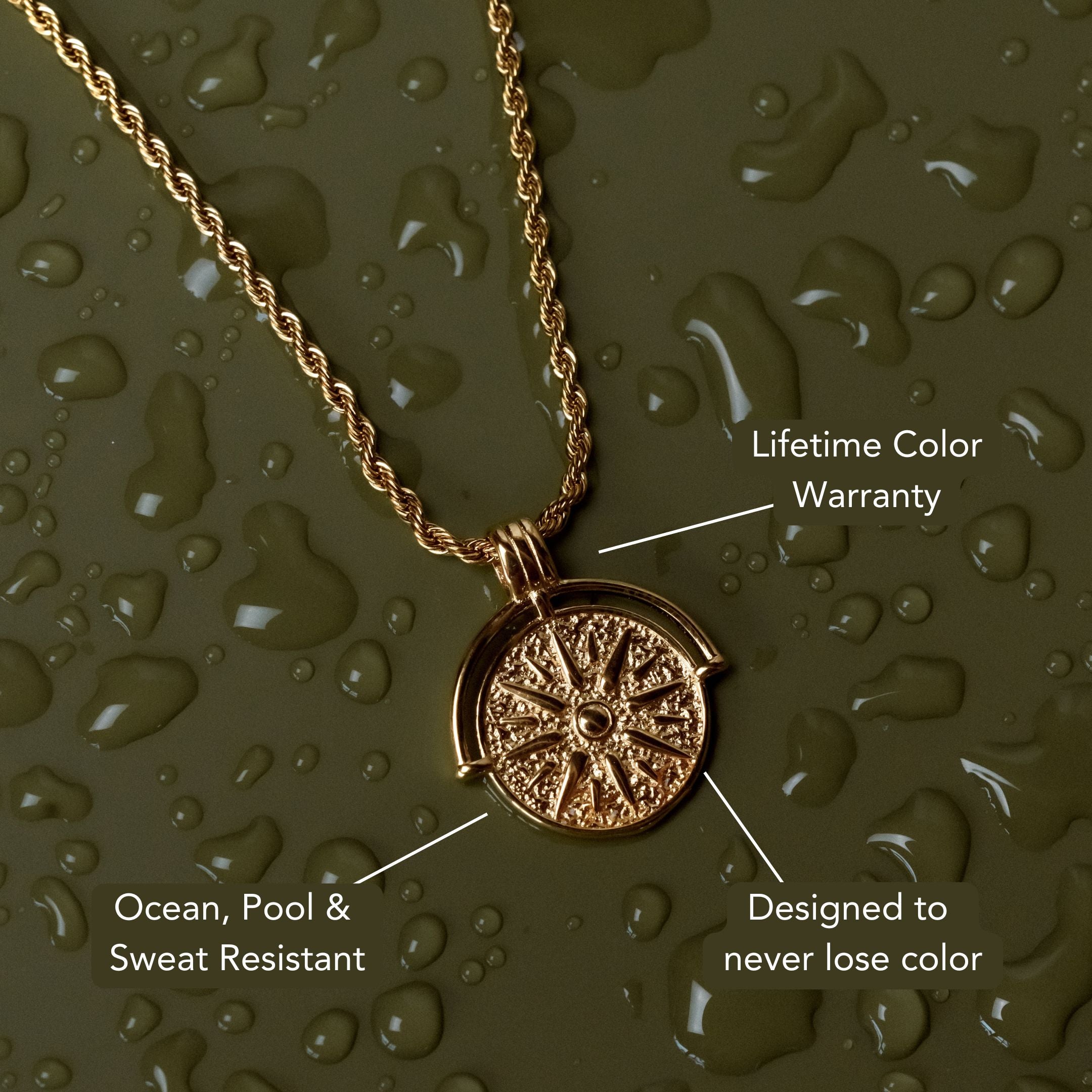
If you’ve ever wondered, how do I clean my stainless steel jewelry, the process is simpler than you think. Start by wiping each piece with a microfiber cloth to remove surface oils. Then soak it for 3–5 minutes in warm water mixed with a drop of mild dish soap. Use a soft toothbrush to gently scrub crevices, rinse with lukewarm water, and pat everything completely dry with a lint-free cloth to prevent water spots. Avoid bleach, harsh abrasives, and chlorine. With a few easy steps, you can keep your pieces looking bright for longer—especially everyday favorites like our sweatproof-jewelry collection.
Why Stainless Steel Jewelry Needs Special Care
Although stainless steel is known for its toughness, your jewelry still needs targeted care because it faces different stresses than industrial steel. You expose it to sweat, skincare products, soaps, and hard water every day. These residues can dull the finish, undermine durability benefits, and create crevices where skin oils and debris accumulate.
You also rely on stainless steel’s hypoallergenic properties, but those can be compromised when grime traps nickel traces or foreign metals against your skin. Microscopic scratches on polished or plated surfaces hold contaminants that routine rinsing won’t remove.

If you don’t clean the metal correctly, you risk discoloration, film buildup, and premature wear at hinges, clasps, and prong settings. Proper, periodic cleaning preserves luster, structural integrity, and consistent skin compatibility.
Supplies You’ll Need From Around the House
Instead of buying specialty cleaners, you can assemble an effective stainless steel jewelry kit from items you already own.
Start with mild dish soap, baking soda, and white vinegar; these form the core cleaning solutions for routine buildup and light tarnish. Use soft household items for application: a microfiber cloth, a soft-bristled toothbrush, and cotton swabs for crevices.
Have two small bowls for mixing and rinsing, plus a clean, lint-free towel for drying. Distilled water is ideal if your tap water leaves mineral spots.
Avoid abrasive powders, bleach, and chlorine-based cleaners; they can degrade the alloy’s surface. If you own a non-gel, alcohol-based glass cleaner, you can reserve it for occasional fingerprint removal on polished stainless surfaces.
Quick Pre-Clean: Removing Surface Dust and Oils
Begin every cleaning session with a brief dry pre-clean to strip away loose dust, fingerprints, and skin oils that can smear or scratch when mixed with water.
Hold your stainless steel jewelry over a soft towel to prevent impact damage if you drop it.
Use a clean, dry, lint-free microfiber cloth to wipe all exposed surfaces. Work in small sections, moving in straight, consistent strokes to lift surface dust instead of grinding it into the metal.
Pay attention to high-contact zones such as ring undersides, chain clasps, and bracelet interiors.
For targeted oil removal, pinch the piece gently in the cloth and rotate it, letting the fabric absorb skin oils.
Inspect under bright light and repeat until the finish looks uniformly clean and streak-free.
Step-by-Step Method for Everyday Cleaning
For routine cleaning, use a mild, non-abrasive method that preserves stainless steel’s finish while removing everyday buildup.
Start by filling a small bowl with warm water and adding a few drops of gentle dish soap. Mix to disperse the detergent evenly.
Submerge your jewelry for 3–5 minutes to loosen residues. Using a soft, lint-free cloth or very soft toothbrush, wipe or brush along the metal’s grain, not across it, to prevent micro-scratches. Focus on crevices, hinges, and clasp areas.
Rinse thoroughly under lukewarm running water to remove all soap film, which can dull shine. Pat dry immediately with a clean microfiber cloth.
As part of consistent jewelry maintenance, apply these cleaning techniques weekly or after heavy wear to keep stainless steel bright and corrosion-resistant.
Deep Cleaning for Stubborn Tarnish and Grime
When everyday cleaning no longer restores your stainless steel’s shine, use a targeted deep-cleaning method to break down heavier grime, body oils, and early discoloration.
Begin with a basin of warm water and a measured amount of mild dish soap. Add a teaspoon of baking soda to boost tarnish removal without scratching the surface.
Place the jewelry in the solution for 10–15 minutes, then use a soft-bristled toothbrush to work around crevices, chain links, and clasp areas.

Apply gentle, controlled pressure; let the cleaner and brush do the work. For persistent buildup, create a baking-soda paste and spot-treat problem areas.
These grime solutions penetrate residues that regular washing leaves behind, restoring a clean, uniform surface ready for final finishing.
How to Safely Dry and Polish for Maximum Shine
Although cleaning removes grime, proper drying and polishing determine how bright and streak‑free your stainless steel jewelry will look.
After rinsing, use controlled drying methods: first shake off excess water, then blot—not rub—with a clean, lint‑free microfiber cloth. Work around prongs, hinges, and chain links to remove trapped moisture that can cause dull spots.
Next, apply targeted polishing techniques. Using a fresh microfiber or jewelry polishing cloth, glide along the grain of the metal, not in circles. Use light, consistent pressure and short strokes, flipping the cloth as it picks up residue.
For chains, pinch a section between cloth layers and pull gently through. Inspect under bright light and repeat on any remaining cloudy or streaked areas.
What to Avoid: Cleaners and Habits That Can Damage Pieces
Perfect shine doesn’t just depend on what you do—it also depends on what you avoid.
Stainless steel is durable, but the wrong products and habits can still degrade the surface, dull the finish, or damage any plated or set elements.
Skip cleaners with harsh chemicals such as bleach, chlorine, ammonia, or strong acids. These can pit the metal and strip protective layers.
Don’t use abrasive materials—no scouring pads, stiff brushes, baking soda pastes, or gritty powders—as they create fine scratches that catch grime and kill reflectivity.
Avoid ultrasonic cleaners unless you’re certain there are no stones, plating, or glued components.

Don’t soak stainless steel jewelry for long periods, especially in undiluted detergents, because extended exposure can discolor details and weaken joints.
Preventative Care to Keep Your Jewelry Sparkling Longer
Even with gentle cleaning, your stainless steel jewelry stays brightest if you protect it from buildup and wear in the first place.
Think of preventative maintenance as daily “micro-cleaning” that slows tarnish, scratching, and film.
Wipe pieces after wear with a soft, dry, lint‑free cloth to remove skin oils, sweat, and cosmetics.
Rinse jewelry briefly with lukewarm water after heavy perspiration, swimming, or contact with sunscreen, then dry thoroughly.
Put jewelry on last, after applying lotions, perfume, and hair products, so chemicals don’t sit on the metal.
During chores, workouts, or using harsh products, take pieces off to avoid abrasion and residue.
Consistent jewelry care like this reduces how often you need deeper cleaning and keeps the finish crisp and reflective.
Storing Stainless Steel Jewelry the Right Way
When you’re not wearing it, proper storage protects stainless steel jewelry from scratches, moisture, and chemical residue that dull the finish.
Choose storage solutions that separate each piece: lined jewelry trays, individual pouches, or dedicated compartments prevent friction with harder metals and gemstones. Use soft, non-abrasive materials like microfiber or felt.
Apply simple organization tips to keep daily pieces accessible and safe. Store necklaces flat or hanging to avoid kinks, and close clasps before putting items away.
Keep jewelry in a cool, dry place, away from bathrooms and direct sunlight, which encourage tarnish on mixed-metal pieces.
For travel, use a structured jewelry roll with zippered sections so stainless steel items stay clean, tangle-free, and ready to wear.
Frequently Asked Questions
Can I Shower or Swim While Wearing Stainless Steel Jewelry?
Yes, you can, but use care. For showering tips, avoid harsh shampoos or soaps that may dull finishes. For swimming precautions, remove pieces in chlorinated or saltwater pools to prevent surface wear and trapped residue.
Is Stainless Steel Safe for Sensitive or Allergy-Prone Skin?
Yes, stainless steel’s usually safe for sensitive skin because it releases minimal nickel. You should choose 316L or surgical stainless steel to reduce allergy reactions, but if you’re extremely reactive, test briefly and monitor for redness or itching.
How Often Should I Professionally Clean Stainless Steel Jewelry?
You should schedule professional cleaning once a year; increase cleaning frequency to every six months if you wear pieces daily, expose them to chemicals, or notice buildup that normal at‑home cleaning can’t fully remove.
Can Stainless Steel Jewelry Be Resized or Repaired if Damaged?
You can sometimes resize or repair stainless steel jewelry, but it’s limited. Jewelers use laser soldering, stone resetting, and refinishing as primary repair techniques; resizing options usually include minor adjustments, adding links, or replacing damaged components.
Does Stainless Steel Jewelry Rust or Discolor in Humid Climates?
Yes, it resists rust and discoloration in humid climates, but it’s not completely immune. You minimize issues with consistent stainless steel maintenance: rinse sweat, dry thoroughly, avoid harsh chemicals, and store your jewelry care pieces in low‑moisture environments.
Conclusion
Now you know exactly how to clean, dry, and store stainless steel jewelry without damaging it. Use gentle soap, soft tools, and controlled pressure for routine care, then step up to deeper cleaning only when buildup demands it. Avoid harsh chemicals, abrasives, and bad storage habits that scratch or dull the finish. If you follow these steps consistently, your stainless steel pieces will stay bright, smooth, and professional-looking for years.









Leave a comment
This site is protected by hCaptcha and the hCaptcha Privacy Policy and Terms of Service apply.