


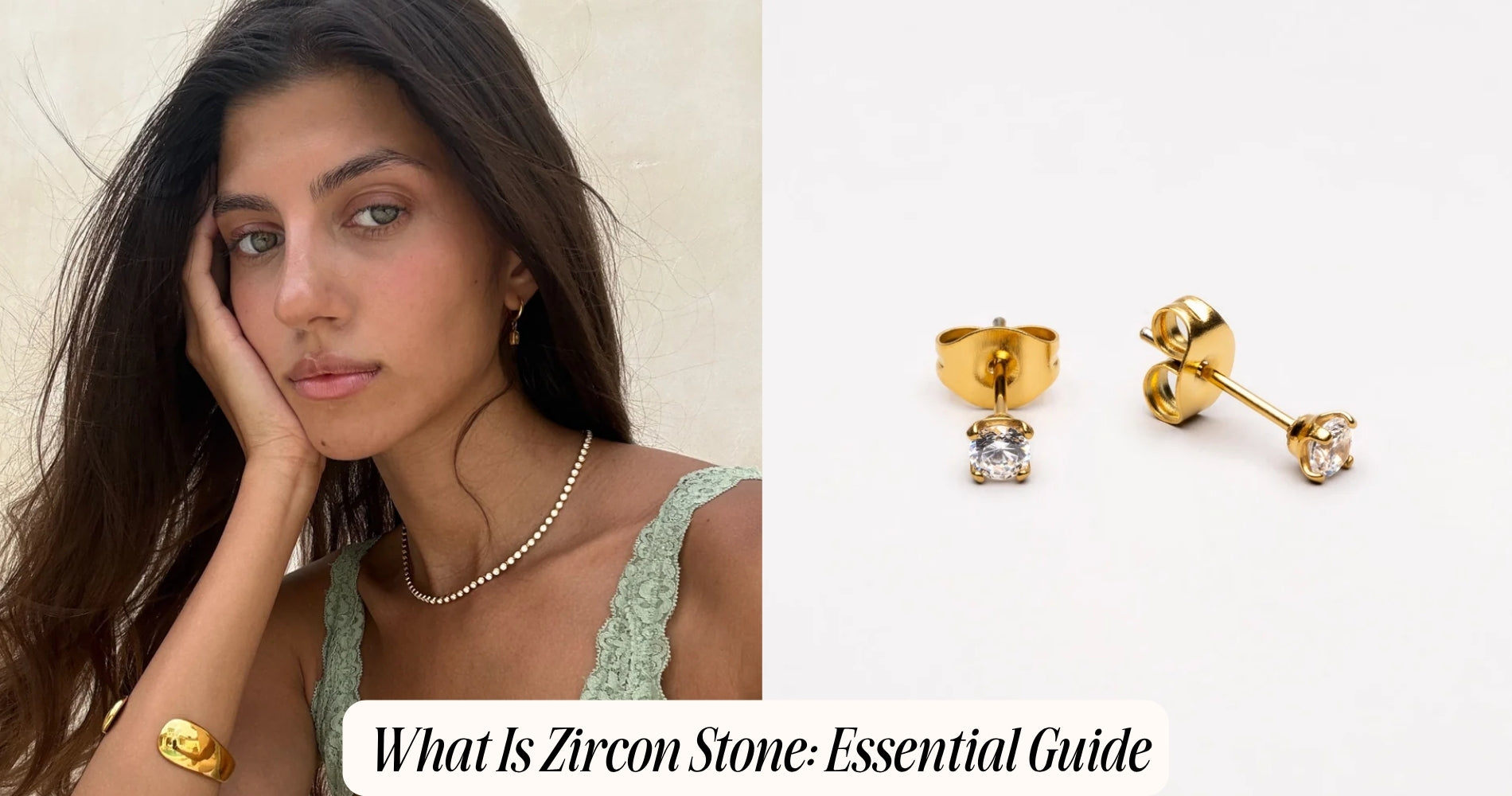
What Is Zircon Stone: Essential Guide
Zircon is one of the most misunderstood gemstones on the market, frequently confused with cubic zirconia despite being an entirely different, naturally occurring mineral with its own distinct history and characteristics. If you have come across zircon while shopping for jewelry and found yourself wondering what is zircon stone exactly, understanding this often overlooked gemstone can help you appreciate its genuine beauty and significance, separate from the synthetic material it is so frequently mistaken for.
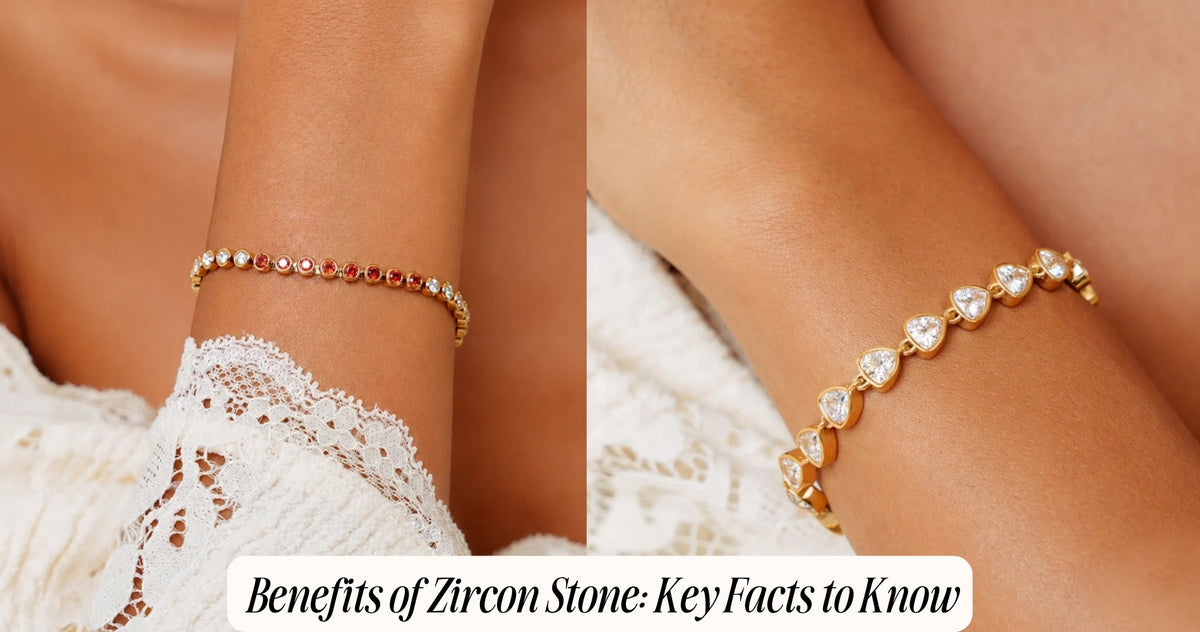
In this guide, we will explain exactly what zircon is, how it differs from cubic zirconia, and what makes this natural gemstone worth knowing about. If you love the idea of adding genuine, natural gemstones to your collection, our Stone Collection features a variety of pieces worth exploring.
What Is Zircon Stone
Zircon is a naturally occurring gemstone composed of zirconium silicate, formed within the earth over long geological periods. It is one of the oldest known minerals on the planet, with some zircon crystals dating back over four billion years, making it significantly older than many other commonly used gemstones.
Despite its name sounding similar to cubic zirconia, zircon is a completely different mineral with an entirely separate chemical composition and natural origin, a distinction that is frequently misunderstood by those unfamiliar with the gemstone world.

Zircon Versus Cubic Zirconia: Clearing Up the Confusion
One of the most persistent misconceptions surrounding zircon relates to its similarity in name to cubic zirconia, a popular lab created diamond alternative. Despite this naming similarity, the two materials are entirely unrelated.
Zircon is a genuine, naturally formed mineral, mined directly from the earth, while cubic zirconia is an entirely synthetic material created in a laboratory setting, composed of zirconium dioxide rather than the zirconium silicate found in natural zircon. This distinction is significant, since zircon carries the value, rarity, and geological history associated with natural gemstones, while cubic zirconia is valued primarily for its affordability as a diamond simulant.
Unfortunately, this naming confusion has led many people to mistakenly view zircon as a synthetic or lesser quality material, when in fact it is a genuine, naturally occurring gemstone with its own unique beauty and geological significance.
The History of Zircon
Zircon has been used in jewelry and decorative objects for thousands of years, with historical references appearing across numerous ancient cultures. The name zircon is believed to derive from the Persian word zargun, meaning gold colored, reflecting one of the natural color variations this gemstone can display.
Throughout history, zircon has sometimes been mistaken for other gemstones due to its brilliance and range of natural colors, occasionally being sold or represented as diamond in earlier eras before more advanced gemstone identification methods became widely available.

Zircon's Physical Characteristics
Zircon ranks 6 to 7.5 on the Mohs hardness scale, making it reasonably durable, though somewhat softer compared to gemstones like sapphire or diamond. This moderate hardness means zircon jewelry benefits from a bit of extra care to avoid scratching, particularly for pieces like rings that experience more frequent contact and potential impact during regular wear.
One of zircon's most notable physical properties is its high refractive index, giving the stone exceptional brilliance and fire, meaning it disperses light in a way that creates noticeable sparkle and flashes of color, a quality that has historically contributed to its occasional confusion with diamond.
Zircon Colors
While blue zircon is perhaps the most widely recognized color, particularly given its association as one of December's official birthstones, zircon actually occurs naturally in a wide range of colors, offering considerable variety for those drawn to this often underappreciated gemstone.
Blue zircon remains the most popular and widely available color, typically achieved through heat treatment of naturally brownish zircon material, a widely accepted and standard practice within the gemstone industry.
Colorless zircon offers a diamond like appearance, historically valued for its brilliance and clarity, sometimes used as a more affordable diamond alternative in earlier eras before other diamond simulants became more widely available.
Green zircon occurs naturally, though it is considerably rarer compared to blue or colorless varieties, often prized by collectors specifically seeking less common zircon colors.
Red and brown zircon occur in their natural, untreated state, offering an earthy, warm alternative to the more commonly seen blue variety.
Yellow and orange zircon provide a warm, golden alternative, reflecting the gemstone's name origin tied to its golden coloring in certain natural forms.
Zircon as a Birthstone
Zircon holds official recognition as one of three birthstones for December, alongside turquoise and tanzanite, offering those born in this month an additional meaningful gemstone option beyond the two more commonly recognized December stones.
Blue zircon specifically has become particularly associated with this birthstone status, given its striking, vivid color and its relative affordability compared to some other blue gemstones like sapphire or aquamarine.

Where Zircon Is Found
Zircon is mined in various locations around the world, with significant deposits found in Sri Lanka, Cambodia, Myanmar, Australia, and Tanzania, among other regions. Sri Lanka in particular has a long history of zircon mining, with the gemstone being sourced from this region for centuries.
Because zircon is relatively widely distributed geographically compared to some rarer gemstones, it remains a reasonably accessible option within the broader gemstone market, contributing to its relative affordability compared to rarer, more geographically limited stones.
Is Zircon a Valuable Gemstone
While zircon does not typically command the same price point as gemstones like sapphire, ruby, or diamond, it remains a genuinely valuable, natural gemstone worth appreciating in its own right. Pricing varies depending on factors like color, clarity, and size, with certain rarer colors, such as vivid green or particularly saturated blue zircon, commanding higher prices compared to more common variations.
Zircon's relative affordability compared to some other natural gemstones makes it an appealing option for those seeking genuine, naturally formed stones without the significant price tag associated with rarer alternatives.
Caring for Zircon Jewelry
Given zircon's moderate hardness, a few care practices can help maintain its appearance and durability over time.
Avoid exposing zircon jewelry to harsh chemicals or extreme temperature changes, since this can potentially affect the stone's clarity or color over time. Clean zircon gently using mild soap and water, along with a soft brush, avoiding ultrasonic cleaners, which can potentially cause damage given the stone's moderate hardness level. Store zircon jewelry separately from harder gemstones to prevent scratching, since its Mohs hardness rating is lower compared to stones like sapphire or diamond. Remove zircon jewelry before activities involving significant physical impact, given its moderate durability compared to harder alternatives.

Why Zircon Remains an Underappreciated Gemstone
Despite its long history, natural beauty, and impressive brilliance, zircon often remains overshadowed by its more famous, and unfortunately similarly named, synthetic counterpart, cubic zirconia. This naming confusion has likely contributed to zircon being undervalued and underappreciated within broader popular gemstone culture, despite its genuine status as a naturally occurring, historically significant mineral.
For those willing to look beyond this common misconception, zircon offers a genuinely rewarding gemstone option, combining natural rarity, impressive brilliance, and a rich historical background spanning thousands of years of documented use.
Final Thoughts
So, what is zircon stone? It is a naturally occurring gemstone, entirely distinct from the synthetic cubic zirconia it is so frequently confused with, offering genuine geological history, natural color variety, and impressive brilliance. As one of the oldest minerals on earth and an official December birthstone, zircon deserves far more recognition and appreciation than its naming confusion with cubic zirconia has historically allowed.
Whether you are drawn to zircon for its striking blue color, its status as a December birthstone, or simply its fascinating natural history, this often overlooked gemstone offers genuine beauty and significance well worth exploring.
Frequently Asked Questions
-
Is zircon the same as cubic zirconia? No, zircon is a naturally occurring mineral, while cubic zirconia is an entirely synthetic material created in a laboratory, despite the similarity in their names.
-
What color is zircon most commonly associated with? Blue zircon is the most widely recognized and popular color, often achieved through heat treatment of naturally brownish zircon material.
-
Is zircon a durable gemstone for everyday jewelry? Zircon ranks 6 to 7.5 on the Mohs hardness scale, offering reasonable durability, though it benefits from a bit of extra care compared to harder gemstones like sapphire or diamond.
-
Is zircon an official birthstone? Yes, zircon is one of three official birthstones for December, alongside turquoise and tanzanite.








Leave a comment
This site is protected by hCaptcha and the hCaptcha Privacy Policy and Terms of Service apply.