


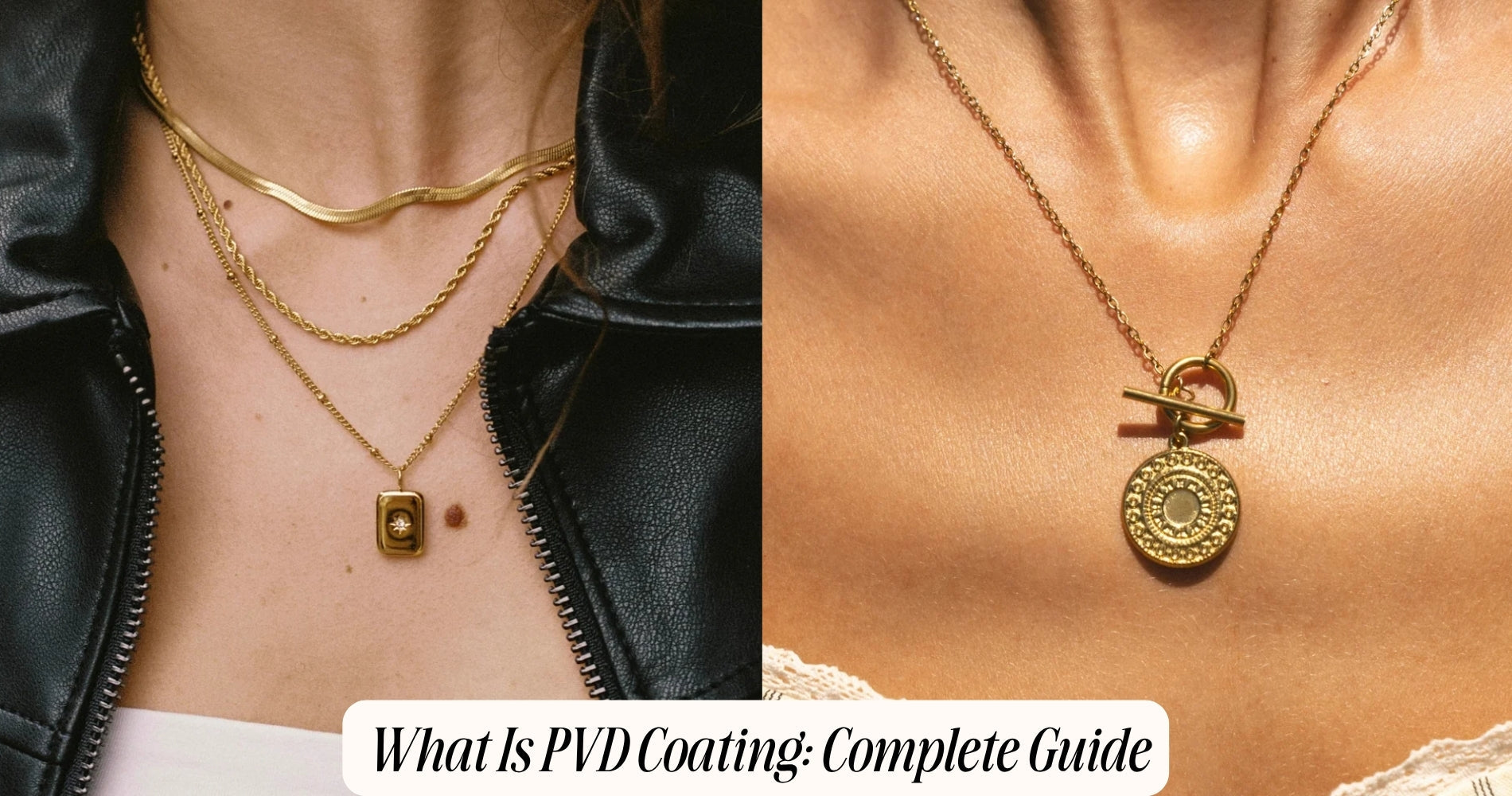
What Is PVD Coating: Complete Guide
If you have shopped for jewelry recently, particularly stainless steel or titanium pieces, you have likely come across the term PVD coating used to describe how certain colors and finishes are applied. Understanding what is PVD coating exactly, and how this technology differs from more traditional coating and plating methods, can help you better understand the durability and quality of the jewelry you are considering.
In this guide, we will explain what PVD coating is, how the process works at a technical level, and explore the range of colors and finishes this versatile technology makes possible. If you want to see this modern coating technology in action, our Everyday Gold Jewelry collection features pieces that showcase exactly this kind of durable, long lasting finish.
What Is PVD Coating
PVD stands for Physical Vapor Deposition, a specialized coating process used to apply an extremely thin, durable layer of material onto a base surface through vacuum based vaporization. Unlike traditional electroplating, which relies on an electrical current passed through a liquid solution, PVD coating occurs within a vacuum chamber, where a source material is vaporized and then deposited onto the target object at a molecular level, creating an exceptionally strong, tightly bonded coating.
This fundamentally different approach to surface coating is what allows PVD to offer significantly improved durability compared to many traditional plating methods, making it an increasingly popular choice across numerous industries, including jewelry manufacturing specifically.

How the PVD Coating Process Works
The PVD process takes place within a specialized vacuum chamber, where the object to be coated, along with a source material such as gold, titanium nitride, or another metal compound, is placed under carefully controlled conditions. The source material is then vaporized using one of several possible techniques, commonly involving heat evaporation or a process called sputtering, which uses ion bombardment to release atoms from the source material.
These vaporized particles then travel through the vacuum environment and bond directly to the surface of the target object, forming an extremely thin yet remarkably strong and uniform coating. Because this bonding occurs at a molecular level within a controlled vacuum, PVD coatings adhere far more securely to the base material compared to coatings applied through traditional electroplating processes.
Why PVD Coating Offers Superior Durability
Several specific factors contribute to PVD coating's notably improved durability compared to more traditional coating methods.
Molecular Level Bonding
Because PVD coating occurs through vaporization and direct molecular bonding, rather than a chemical reaction within a liquid solution, the resulting coating adheres significantly more securely to the base material, making it considerably more resistant to peeling, flaking, or wearing away compared to standard electroplating.
Increased Hardness
PVD coatings often result in a harder overall surface compared to the coatings produced through traditional plating methods, offering improved resistance to scratching and general everyday wear.
Resistance to Corrosion and Discoloration
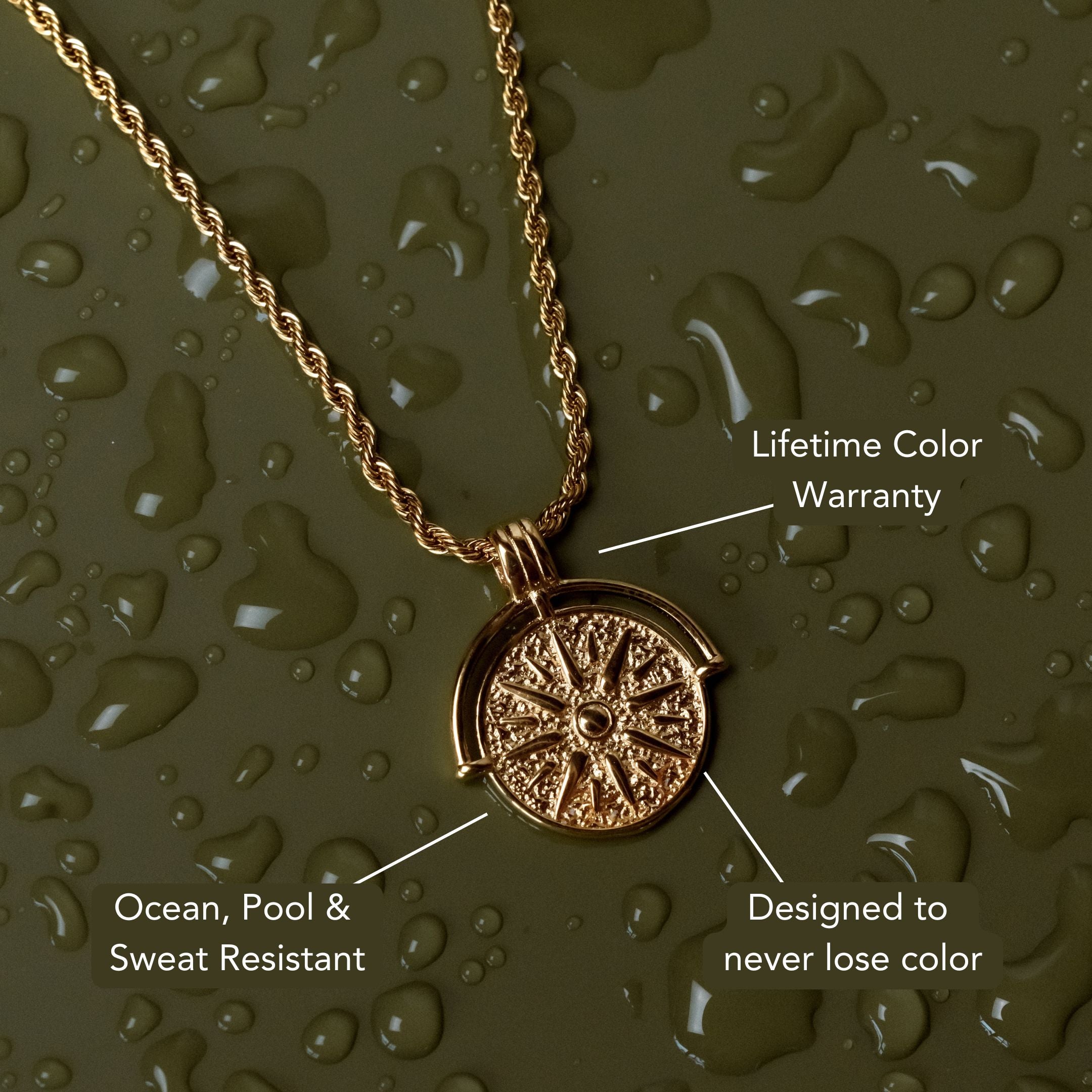
The tightly bonded, uniform nature of PVD coating provides excellent resistance to corrosion, oxidation, and general discoloration, helping coated pieces maintain their original appearance for considerably longer compared to more traditional coating alternatives.

PVD Coating Colors and Finishes
One of the most appealing aspects of PVD coating technology is the wide range of colors and finishes it makes possible, offering considerable versatility for jewelry design and other applications.
Gold Tones
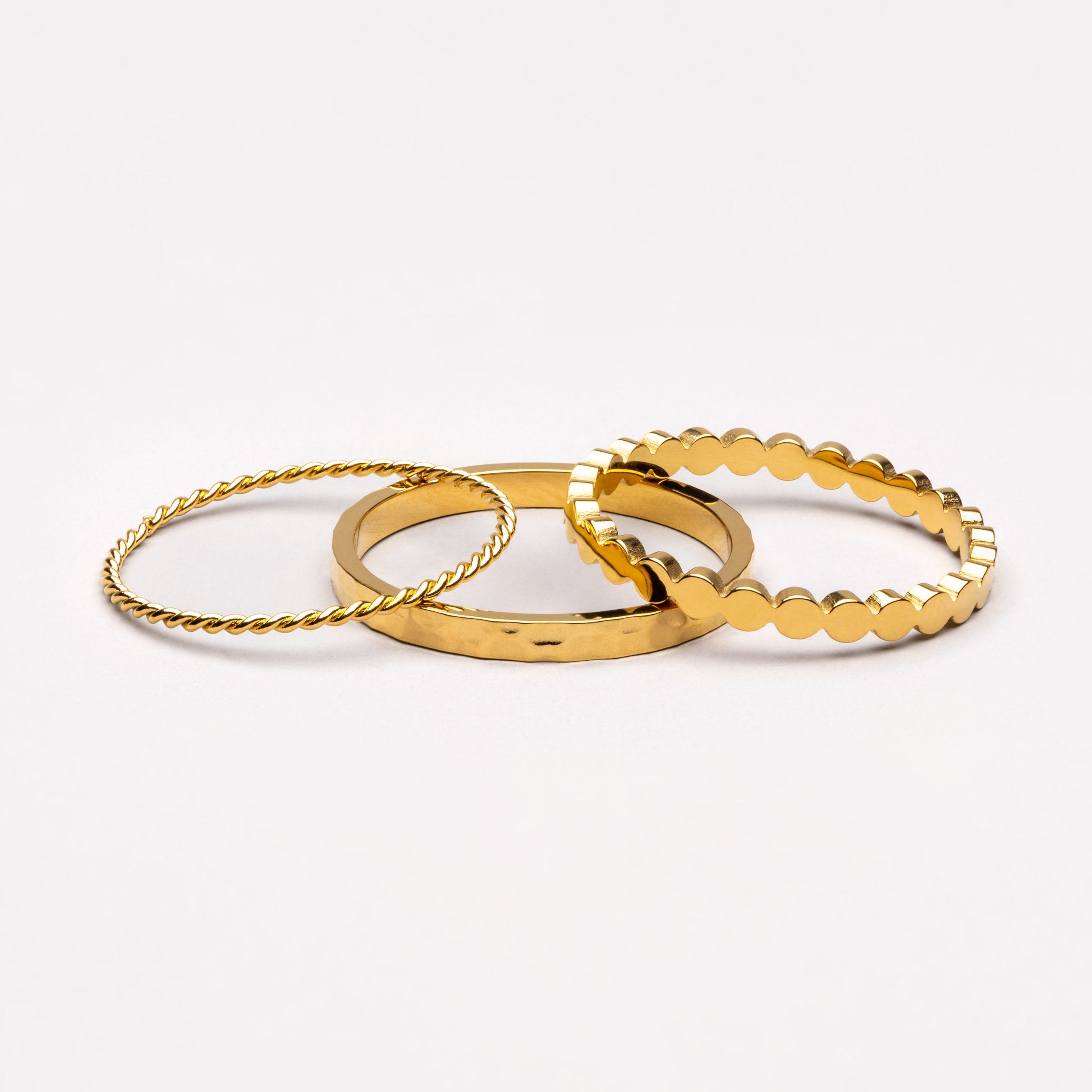
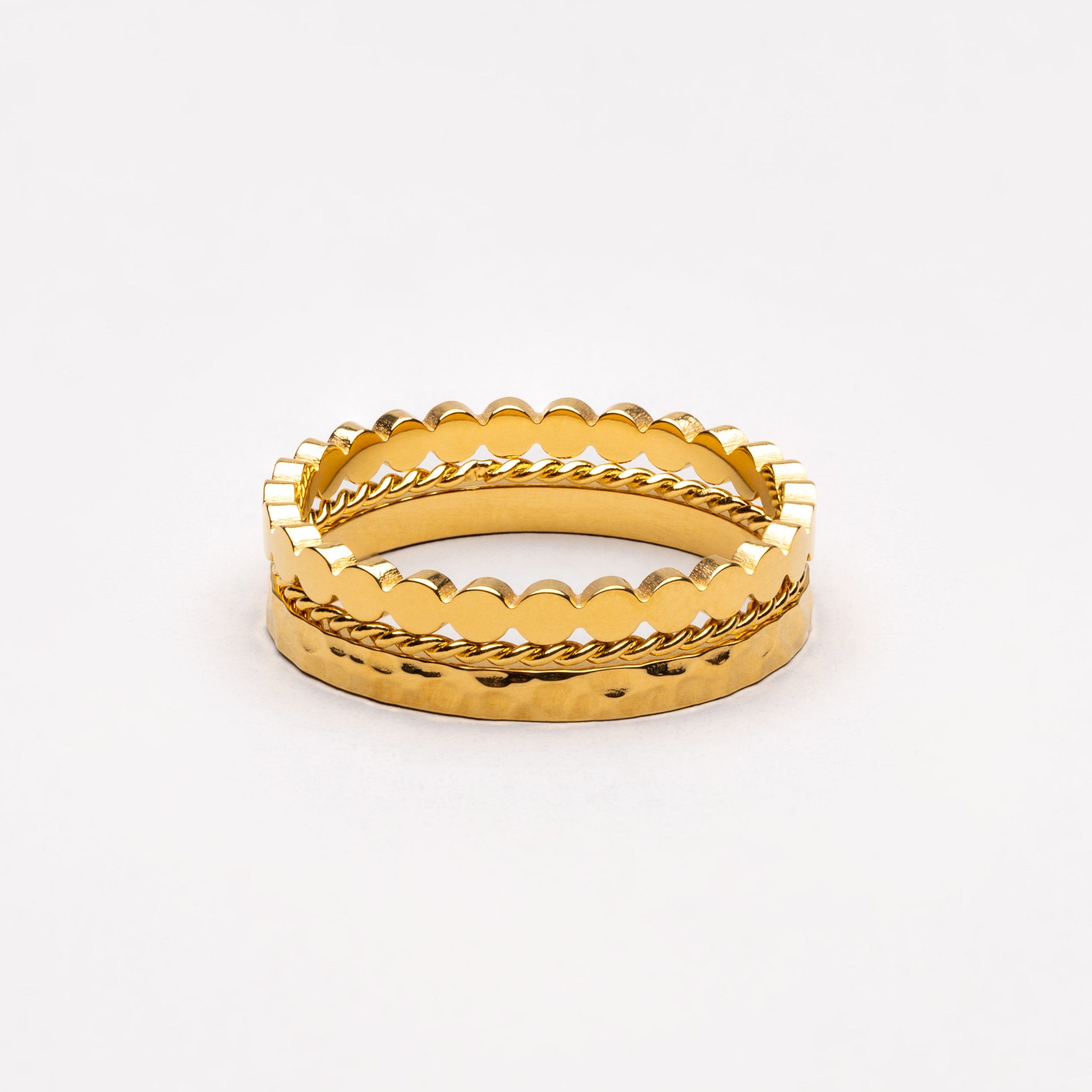
PVD coating can achieve various gold tones, from classic yellow gold to rose gold, offering the warm, luxurious appearance of gold with significantly improved durability compared to traditional gold plating.
Black and Gunmetal Finishes
PVD coating is particularly well suited for creating deep black or gunmetal gray finishes, achieved through specific source materials like titanium nitride combined with carbon, offering a modern, edgy aesthetic that has become increasingly popular within contemporary jewelry design.
Rainbow and Iridescent Effects
More advanced PVD coating techniques can create striking rainbow or iridescent color effects, achieved through precise control of the coating's thickness and composition during the deposition process, resulting in a shifting, multicolored appearance depending on the viewing angle.
Rose Gold and Copper Tones
PVD coating also commonly produces warm rose gold and copper toned finishes, offering a romantic, contemporary alternative to traditional yellow or white metal jewelry options.
PVD Coating Versus Traditional Electroplating
Understanding the key differences between PVD coating and traditional electroplating helps clarify why PVD has become such a popular choice within modern jewelry manufacturing specifically.
Durability Comparison
PVD coating significantly outperforms traditional electroplating in terms of overall durability, thanks to its molecular level bonding process, which creates a considerably stronger connection between the coating and the base material compared to the comparatively weaker bond achieved through standard electroplating.
Water and Chemical Resistance
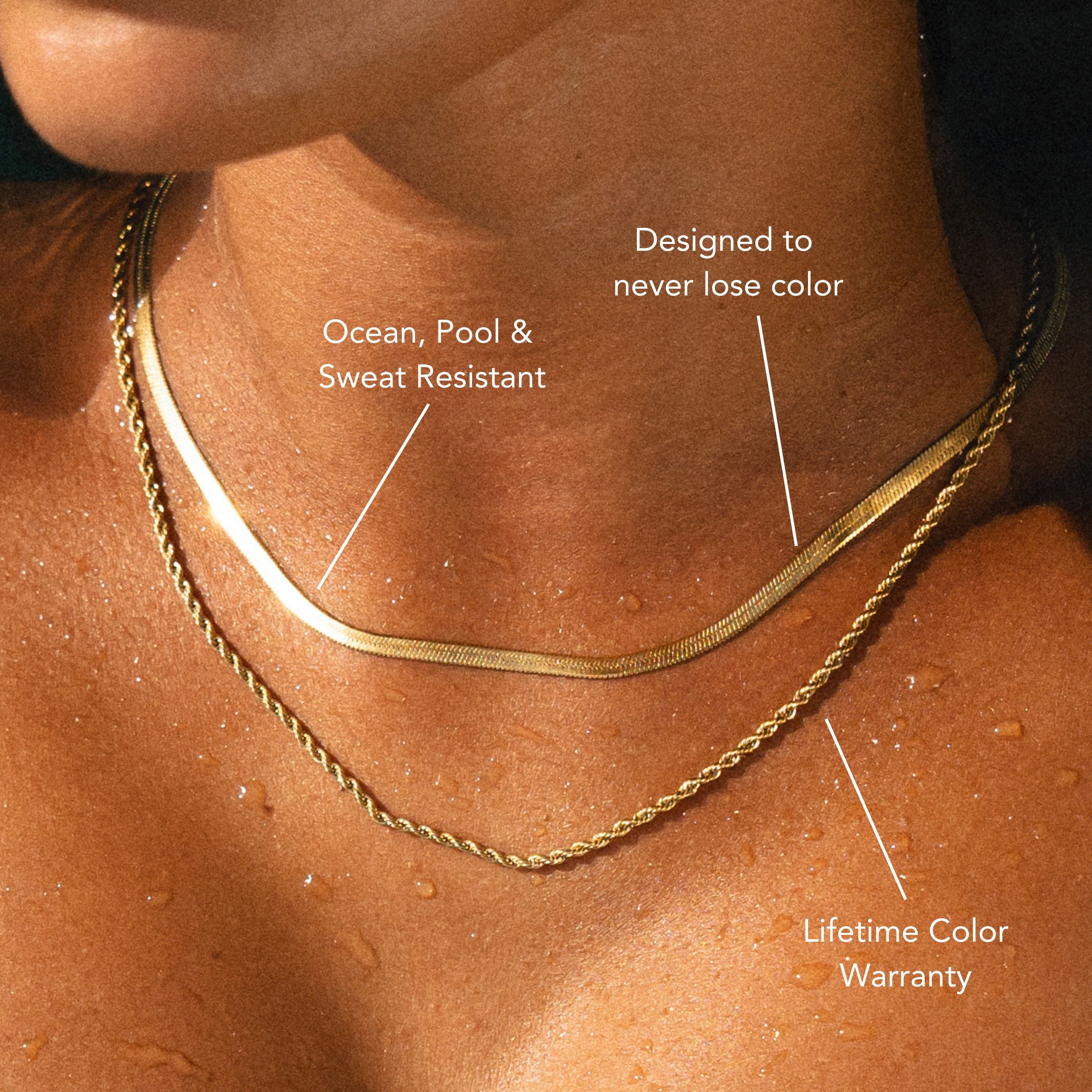
PVD coated jewelry generally offers notably improved resistance to water, sweat, and everyday chemical exposure compared to traditionally plated pieces, which often require more careful removal before activities like showering or swimming to prevent accelerated wear.
Longevity
Because of its superior bonding process, PVD coating typically lasts considerably longer compared to traditional electroplating, often maintaining its appearance and integrity for several years of regular wear, compared to the shorter lifespan commonly associated with standard plated jewelry.

Where PVD Coating Technology Is Used
While increasingly common within jewelry manufacturing, PVD coating technology actually originated and remains widely used across numerous other industries as well, reflecting its broad practical value beyond decorative applications alone.
Watchmaking frequently uses PVD coating to achieve durable, long lasting finishes on watch cases and bands, particularly for stainless steel and titanium watches.
Eyewear manufacturing utilizes PVD coating to create durable, scratch resistant finishes on metal eyeglass frames.
Automotive and industrial applications rely on PVD coating for its exceptional hardness and corrosion resistance across various mechanical components.
Medical device manufacturing also uses PVD coating for certain surgical instruments and implants, given its biocompatibility and durability advantages.
Base Materials Commonly Used With PVD Coating
PVD coating works particularly well when applied over certain base materials, given their compatibility with the vacuum deposition process and their own inherent durability characteristics.
Stainless steel pairs especially well with PVD coating, combining the base metal's natural strength with the coating's enhanced color and additional surface protection.
Titanium similarly offers an excellent foundation for PVD coating, given its own lightweight durability and corrosion resistance, further enhanced by the coating's additional protective properties.
Caring for PVD Coated Jewelry
While PVD coating offers significantly improved durability compared to traditional plating, a few simple care practices can help maximize its lifespan and appearance over time.
Clean PVD coated jewelry periodically using a soft, dry cloth to remove any surface buildup of oils or residue. While PVD coating generally withstands regular water exposure quite well, avoiding prolonged contact with particularly harsh chemicals remains a reasonable precaution for extending the coating's lifespan even further. Store PVD coated jewelry separately from harder materials or gemstones to help prevent any potential surface scratching over time.

Is PVD Coating Worth Choosing
Given its significant advantages in durability, water resistance, and color versatility compared to traditional plating methods, PVD coating represents an excellent choice for those seeking attractive, long lasting jewelry without requiring the same level of careful, cautious handling traditionally associated with standard plated pieces.
While PVD coated jewelry does not carry the same material value as solid precious metal jewelry, it offers a genuinely practical, appealing middle ground for those wanting meaningfully improved durability and color variety at a significantly more accessible price point.
Final Thoughts
So, what is PVD coating? It refers to Physical Vapor Deposition, a modern coating technology that applies an exceptionally durable, molecularly bonded layer of material onto a base surface through a specialized vacuum chamber process. Compared to traditional electroplating, PVD coating offers significantly improved durability, water resistance, and a remarkably wide range of possible colors and finishes, making it an increasingly popular choice across jewelry manufacturing and numerous other industries alike.
Whether you are drawn to PVD coated jewelry for its practical durability advantages or its striking range of available colors, this modern coating technology offers genuine, meaningful benefits worth understanding as you shop.
Frequently Asked Questions
1. Is PVD coating better than regular electroplating?
Yes, PVD coating generally offers significantly improved durability, scratch resistance, and water resistance compared to traditional electroplating methods.
2. Can PVD coating be applied in different colors?
Yes, PVD coating can achieve a wide range of colors and finishes, including gold, rose gold, black, gunmetal, and even iridescent rainbow effects.
3. What materials work best with PVD coating?
Stainless steel and titanium are particularly well suited base materials for PVD coating, given their own inherent durability combined with the coating's additional protective properties.
4. Is PVD coating only used in jewelry?
No, PVD coating technology is widely used across numerous industries, including watchmaking, eyewear manufacturing, automotive applications, and medical device production.









Leave a comment
This site is protected by hCaptcha and the hCaptcha Privacy Policy and Terms of Service apply.