


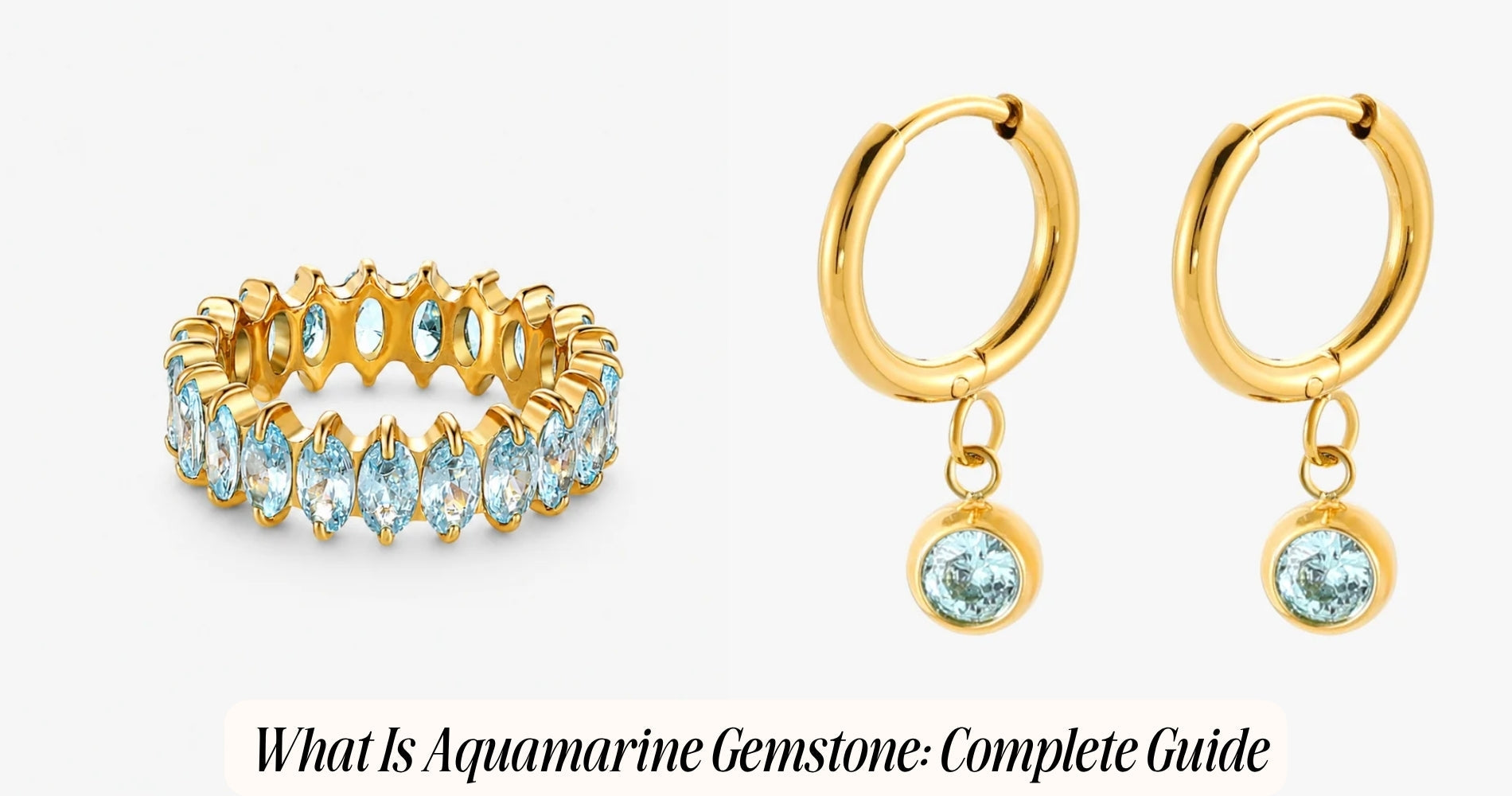
What Is Aquamarine Gemstone: Complete Guide
Few gemstones capture the calm, serene beauty of the ocean quite like aquamarine. Its soft, pale blue color has made it a beloved choice in jewelry for centuries, but there is far more to this stone than its striking appearance alone. If you have come across aquamarine while shopping for jewelry and found yourself wondering what is aquamarine gemstone exactly, understanding its history, characteristics, and symbolism can help you appreciate this timeless stone even more.
In this guide, we will explore everything you need to know about aquamarine, from its geological origins to its long standing symbolic meaning. If you love the calming beauty of this ocean inspired gemstone, our Stone Collection features a variety of natural stone pieces worth exploring.
What Is Aquamarine Gemstone
Aquamarine is a naturally occurring gemstone belonging to the beryl mineral family, the same family that produces emerald, though aquamarine's coloring comes from trace amounts of iron rather than the chromium responsible for emerald's green hue. Its name derives directly from the Latin words aqua, meaning water, and marina, meaning of the sea, a fitting name given the stone's pale, serene blue color that closely resembles clear ocean water.
This gentle, oceanic coloring has made aquamarine one of the most recognizable and beloved blue gemstones available, offering a softer, more understated alternative to deeper blue stones like sapphire.

The Geological Formation of Aquamarine
Like other members of the beryl family, aquamarine forms within pegmatites, a type of coarse grained igneous rock that develops during the final stages of magma crystallization deep within the earth. This particular formation process allows for the growth of larger, well formed crystals, which is part of why aquamarine is often found in relatively substantial sizes compared to some other gemstones.
The specific trace amount of iron present during this formation process is what gives aquamarine its characteristic blue color, with variations in iron content and oxidation state contributing to the range of blue tones found across different aquamarine specimens.
The History of Aquamarine
Aquamarine has a rich history stretching back thousands of years, with ancient civilizations across the Mediterranean and Middle East valuing the stone for both its beauty and its believed protective qualities. Ancient sailors in particular held aquamarine in high regard, reportedly carrying the stone as a talisman believed to ensure safe passage and calm waters during ocean voyages, a belief directly tied to the stone's watery, oceanic appearance.
This maritime connection continued throughout history, with aquamarine remaining closely associated with themes of safe travel, protection, and tranquility across numerous cultures and eras.

Aquamarine's Physical Characteristics
Aquamarine ranks 7.5 to 8 on the Mohs hardness scale, making it a reasonably durable gemstone well suited for regular jewelry use, including rings, which experience more frequent contact and potential impact compared to other jewelry types. This durability, combined with its serene coloring, has contributed significantly to aquamarine's enduring popularity within fine jewelry design.
The stone typically displays a range of blue tones, from very pale, almost colorless blue to a more saturated, vivid blue, with the more intensely colored stones generally considered more valuable within the gemstone market. Most aquamarine used in jewelry today undergoes heat treatment to enhance and stabilize its blue color, a widely accepted and standard practice within the broader gemstone industry.
Aquamarine as a Birthstone
Aquamarine holds official recognition as the primary birthstone for March, offering those born in this month a gemstone closely associated with calm, clarity, and tranquility. This birthstone status has contributed significantly to aquamarine's continued popularity, particularly for March birthday celebrations and personalized birthstone jewelry.
Aquamarine also serves as the traditional gemstone associated with 19th wedding anniversaries, further reinforcing its symbolic connection to enduring, peaceful relationships.
Symbolic Meaning of Aquamarine
Beyond its historical association with safe sea travel, aquamarine carries several additional layers of symbolic meaning that have developed over centuries of use and interpretation.
Calm and Emotional Balance
Aquamarine's serene blue color has made it a natural symbol of calm and emotional balance, believed by many to help promote a peaceful, level headed state of mind, particularly during periods of stress or emotional turbulence.
Clarity and Communication
Some traditions associate aquamarine with enhanced clarity of thought and improved communication, tying the stone's clear, transparent appearance to themes of honest, open expression and mental sharpness.
Courage and Protection
Beyond its maritime associations, aquamarine has also been historically linked to courage, with some believing the stone offered protection and strength to its wearer during times of uncertainty or significant life transitions.
It is worth noting that these traditional and symbolic associations reflect historical and cultural beliefs rather than scientifically established claims, though they remain a meaningful part of aquamarine's broader appeal for many people who value this kind of symbolic connection.

Where Aquamarine Is Found
Aquamarine is mined in various locations around the world, with significant deposits found in Brazil, which remains one of the most prolific sources of high quality aquamarine, along with Madagascar, Nigeria, Zambia, and parts of the United States. Brazilian aquamarine in particular has developed a strong reputation within the gemstone industry, often associated with excellent color saturation and clarity.
Because aquamarine is mined across multiple regions globally, it remains a relatively accessible gemstone compared to some rarer alternatives, contributing to its reasonable affordability within the broader natural gemstone market.
How to Evaluate Aquamarine Quality
When shopping for aquamarine jewelry, a few key factors can help you evaluate a specific stone's quality and value.
Color saturation is generally considered the most important factor, with more vivid, deeply saturated blue stones typically commanding higher value compared to paler, more washed out variations.
Clarity also plays a meaningful role, with eye clean stones, meaning inclusions are not visible without magnification, generally considered more desirable compared to heavily included specimens.
Cut affects how well the stone's natural color and brilliance are displayed, with a well executed cut enhancing both the color depth and overall sparkle of the finished gemstone.
Carat weight influences overall value as well, with larger, high quality aquamarine stones becoming increasingly valuable as size increases, particularly for stones maintaining excellent color and clarity at larger sizes.
Caring for Aquamarine Jewelry
Given its reasonable durability, aquamarine requires relatively straightforward care compared to some more delicate gemstones, though a few precautions can help maintain its appearance over time.
Clean aquamarine jewelry using mild soap and warm water, along with a soft brush, avoiding harsh chemicals that could potentially affect the stone's surface over time. While aquamarine's hardness generally allows for ultrasonic cleaning, it is worth checking whether your specific stone has undergone any additional treatments that might affect this recommendation. Store aquamarine jewelry separately from harder gemstones to prevent scratching, and avoid exposing the stone to sudden, extreme temperature changes when possible.
Aquamarine in Modern Jewelry
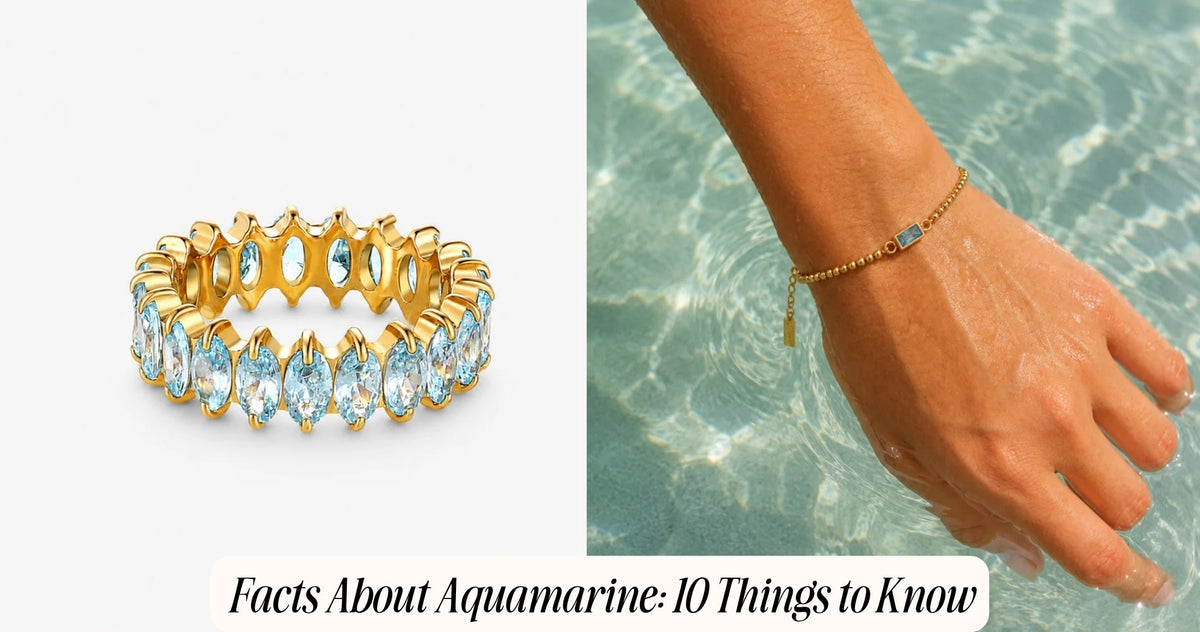
Aquamarine's versatile, calming blue color pairs beautifully with both white and yellow gold, as well as sterling silver, offering considerable styling flexibility regardless of personal metal preference. The stone works particularly well across a wide range of jewelry types, from engagement rings to earrings and pendants, given its combination of durability and universally appealing coloring.
Its relatively affordable price point compared to stones like sapphire also makes aquamarine an accessible option for those seeking a genuine, natural blue gemstone without a significant financial investment.

Final Thoughts
So, what is aquamarine gemstone? It is a naturally occurring member of the beryl family, prized for its serene, ocean inspired blue color, historical connection to safe sea travel, and broader symbolic associations with calm, clarity, and emotional balance. As the official birthstone for March and a reasonably durable, accessible gemstone option, aquamarine continues to hold a well deserved place among the most beloved blue gemstones in modern jewelry.
Whether you are drawn to aquamarine for its calming beauty, its meaningful birthstone status, or its rich historical symbolism, this timeless gemstone offers genuine value and significance worth appreciating.
Frequently Asked Questions
1. What color is aquamarine?
Aquamarine typically ranges from very pale, almost colorless blue to a more saturated, vivid blue, resulting from trace amounts of iron within the stone.
2. Is aquamarine a durable gemstone for everyday wear?
Yes, aquamarine ranks 7.5 to 8 on the Mohs hardness scale, making it reasonably durable and well suited for regular jewelry use, including rings.
3. What month is aquamarine the birthstone for?
Aquamarine is the official birthstone for March, symbolizing calm, clarity, and tranquility.
4. Where does most aquamarine come from?
Brazil remains one of the most significant sources of high quality aquamarine, along with other deposits found in Madagascar, Nigeria, and Zambia.














Leave a comment
This site is protected by hCaptcha and the hCaptcha Privacy Policy and Terms of Service apply.