

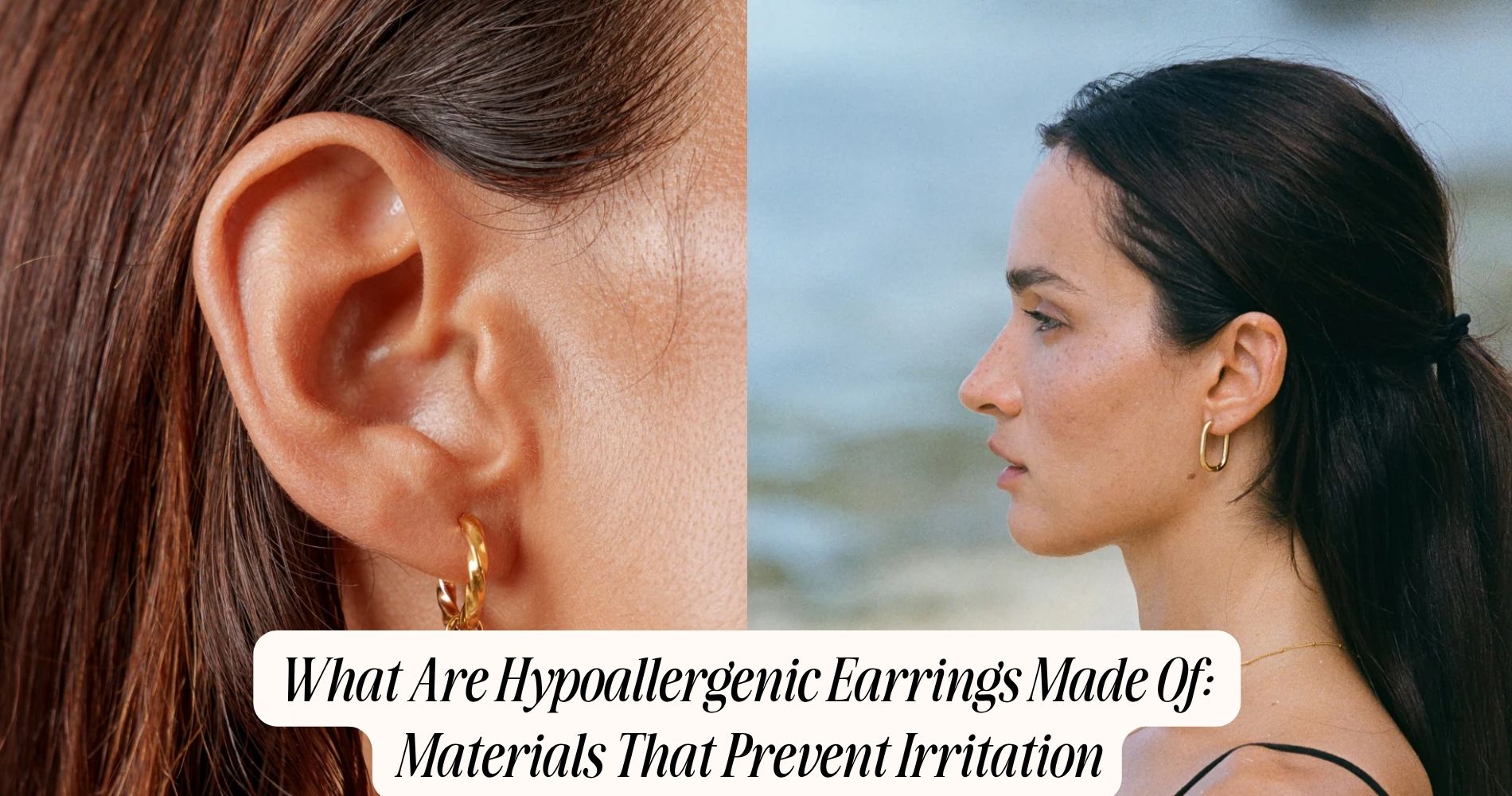
What Are Hypoallergenic Earrings Made Of: Materials That Prevent Irritation
What are hypoallergenic earrings made of? Choose implant-grade titanium, niobium, surgical 316L/316LVM stainless steel, or solid 14–18K gold for hypoallergenic earrings, as these materials are low in nickel and highly biocompatible. Titanium and niobium are especially lightweight and resistant to corrosion, while surgical steel offers durability at a lower cost. High-karat gold and platinum also reduce irritation risk, though they may be softer over time. Look for smooth finishes and secure closures—designs like those in the Hypoallergenic Hoop Earrings collection combine comfort with everyday style.
Quick Answer: Best Hypoallergenic Earrings to Buy for Sensitive Ears
If you have sensitive ears, choose studs or hoops made from surgical stainless steel, titanium, niobium, or 14–18K gold (yellow or white with minimal nickel) to minimize irritation; these materials show the best clinical and consumer evidence for low allergic reactions.
You’ll want simple, well-finished posts and secure backs to reduce friction and bacterial buildup. Prioritize reputable brands that list alloy content and surface treatments.
When shopping, compare earring styles: minimalist studs, small hoops, and threaders often reduce contact area and weight, lowering irritation risk.
Follow care guidance—clean with saline, avoid harsh chemicals, and replace damaged pairs.
While staying mindful of current fashion trends, focus first on proven hypoallergenic options to guarantee comfort and consistent wear.

Best Hypoallergenic Earring Materials (And Why They Work)
Start with the materials that show the lowest rates of allergic reaction and the cleanest clinical track record: surgical stainless steel, titanium, niobium, and high-karat gold (14–18K) with minimal nickel.
You’ll choose based on biocompatibility, corrosion resistance, and nickel content. Titanium and niobium are inert and rarely trigger contact dermatitis; surgical stainless steel works well if it’s low-nickel grade.
High-karat gold reduces nickel exposure but isn’t ideal for rough wear. For budget or aesthetic needs, consider gold alternatives like platinum or platinum-plated options that maintain low reactivity.
Match material choice to lifestyle and earring designs: posts for sensitive lobes, seamless hoops to limit surface contact, and smooth finishes to reduce irritation.
Always test new pairs briefly to confirm tolerance.
Compare: Titanium, Niobium, and Surgical Stainless Steel
While all three metals are considered good choices for sensitive ears, titanium, niobium, and surgical stainless steel differ in composition, corrosion resistance, and allergy risk.
You’ll find titanium advantages include exceptional biocompatibility and low nickel content, so allergic reactions are rare; it’s lightweight and resists corrosion in salty or humid environments.
Niobium offers excellent durability and can be anodized for color without compromising hypoallergenic properties; it’s dense and inert, making reactions unlikely.
Surgical stainless steel (commonly 316L/316LVM) balances cost and strength but can contain trace nickel; most people tolerate it, yet those with severe nickel sensitivity may still react.
Choose based on your allergy history, budget, and whether you prioritize weight, color options, or maximum nickel avoidance.

Rhodium & PVD Coatings for Hypoallergenic Earrings: Benefits and Limits
Because coatings can create a barrier between reactive base metals and your skin, rhodium plating and PVD (physical vapor deposition) are popular options for reducing allergic responses to earrings.
You’ll find rhodium benefits include a hard, inert surface that resists tarnish and reduces nickel exposure when applied properly.
PVD durability offers a thinner but extremely adherent layer that withstands wear, heat, and corrosion better than traditional electroplating.
Both reduce immediate irritation risks, but they’re not foolproof: scratches, wear-through, or poor application can expose allergenic bases.
If you have a severe metal allergy, coatings may delay reactions rather than eliminate them.
Choose reputable plating on stable base metals and verify coating thickness and process to minimize breakthrough risks.
Choose & Care for Sensitive Ears: Buying, Cleaning, and Troubleshooting
When shopping for earrings for sensitive ears, focus on verified hypoallergenic materials, reputable makers, and clear labeling so you minimize exposure to common irritants. Look for solid gold (at least 14K), implant-grade titanium, niobium, or certified nickel-free stainless steel, and prefer posts that are one solid piece rather than plated fittings.
Choose simple shapes and screw-back or solid-post closures to reduce movement and moisture trapping.
For ear cleaning, use a sterile saline solution or 70% isopropyl swab once daily on new or reactive piercings; avoid alcohol or peroxide that delays healing.
Track irritation symptoms—redness, persistent itching, swelling, discharge—and remove jewelry if symptoms worsen.
Seek professional allergy testing or a piercer’s advice before trying alternative metals.

Frequently Asked Questions
Do Hypoallergenic Earrings Affect MRI or Medical Scans?
Generally, no — hypoallergenic earrings usually won’t affect MRI or medical scans, but you should remove them when possible because some metals can cause artifacts or trigger metal sensitivity; check implant compatibility with your provider.
Can Children Safely Wear Hypoallergenic Earrings Long-Term?
Yes, you can safely have children wear hypoallergenic earrings long-term if you monitor child safety, choose high-quality materials like surgical steel or titanium for earring durability, keep earrings clean, and replace damaged or worn pieces promptly.
Are Hypoallergenic Earrings Suitable for Piercing Aftercare?
Yes — you can use hypoallergenic earrings for piercing aftercare because they reduce reactions; follow piercing safety and aftercare tips: clean regularly, avoid swaps, choose implant-grade metals, and monitor for irritation, infection, or delayed healing.
Do Hypoallergenic Metals Cause Allergic Reactions Below the Earlobe?
Yes, you can still react below the earlobe; skin sensitivity and specific metal composition matter. Even hypoallergenic metals sometimes contain trace nickel or alloys that trigger localized allergic contact dermatitis in susceptible individuals.
Can Sweat or Chlorine Make Hypoallergenic Earrings Allergenic?
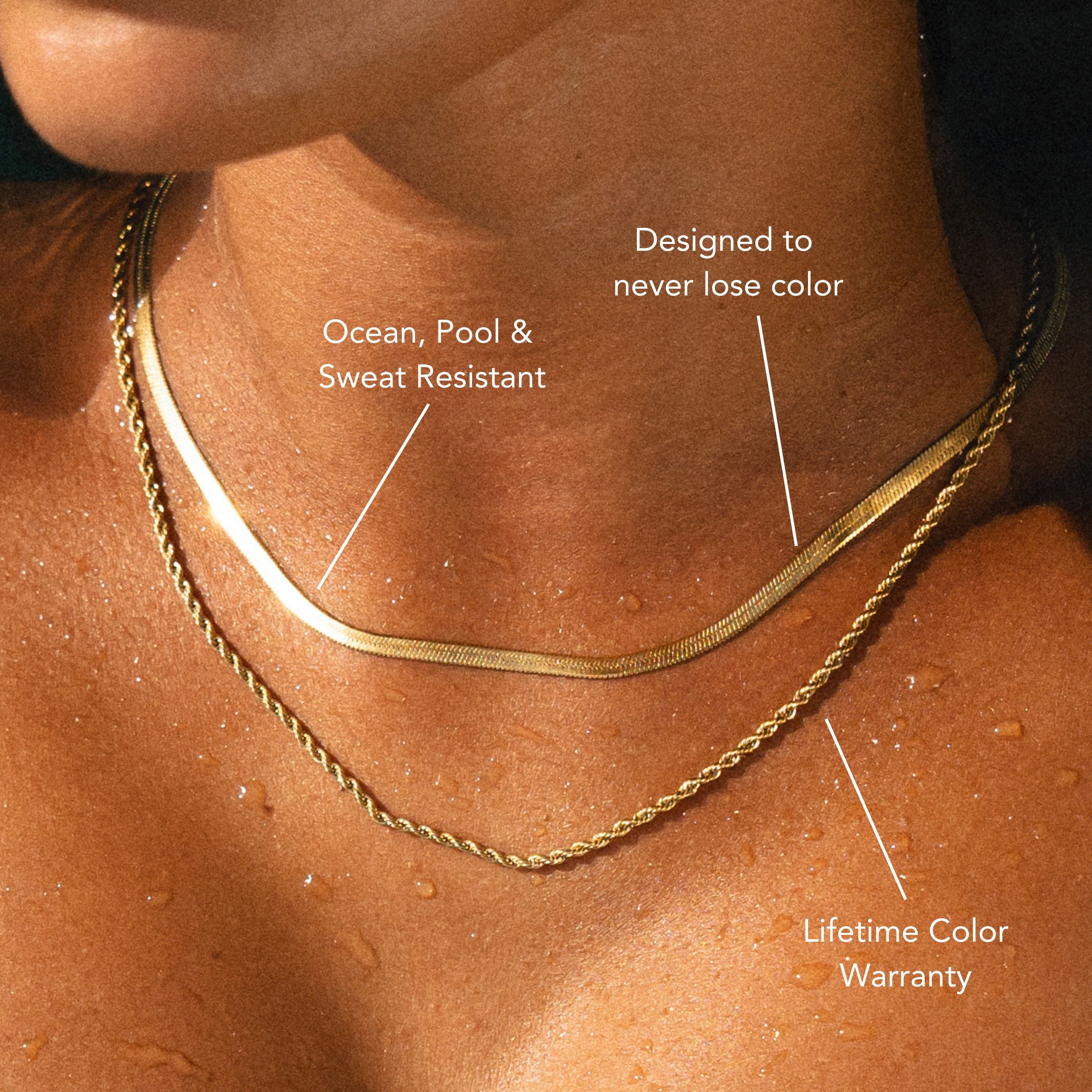
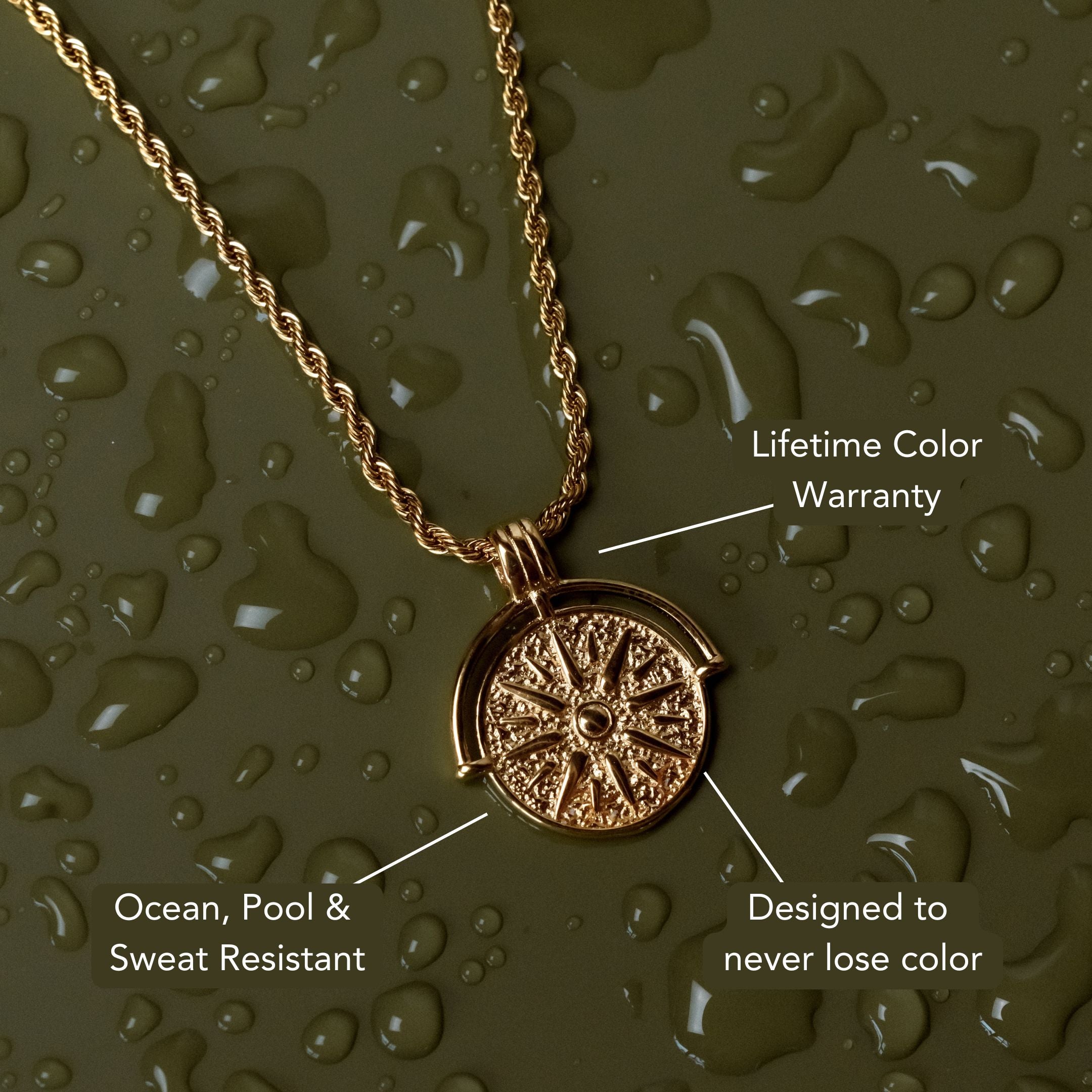
Yes — sweat exposure and chlorine reactions can corrode coatings or leach metals, making hypoallergenic earrings irritant; you should rinse and dry earrings after swimming or sweating, and choose solid inert metals to reduce risk.
Conclusion
You’ve learned which materials—like titanium, niobium, and implant-grade stainless steel—are least likely to cause reactions, plus how rhodium and PVD coatings can help. When buying, choose reputable sellers who list metal grades, pick simple designs, and avoid plated alloys if you’re reactive. Clean posts regularly with mild soap or saline, swap earrings slowly, and see a clinician for persistent irritation. These practical steps will reduce reactions and keep your ears healthy.









Leave a comment
This site is protected by hCaptcha and the hCaptcha Privacy Policy and Terms of Service apply.