

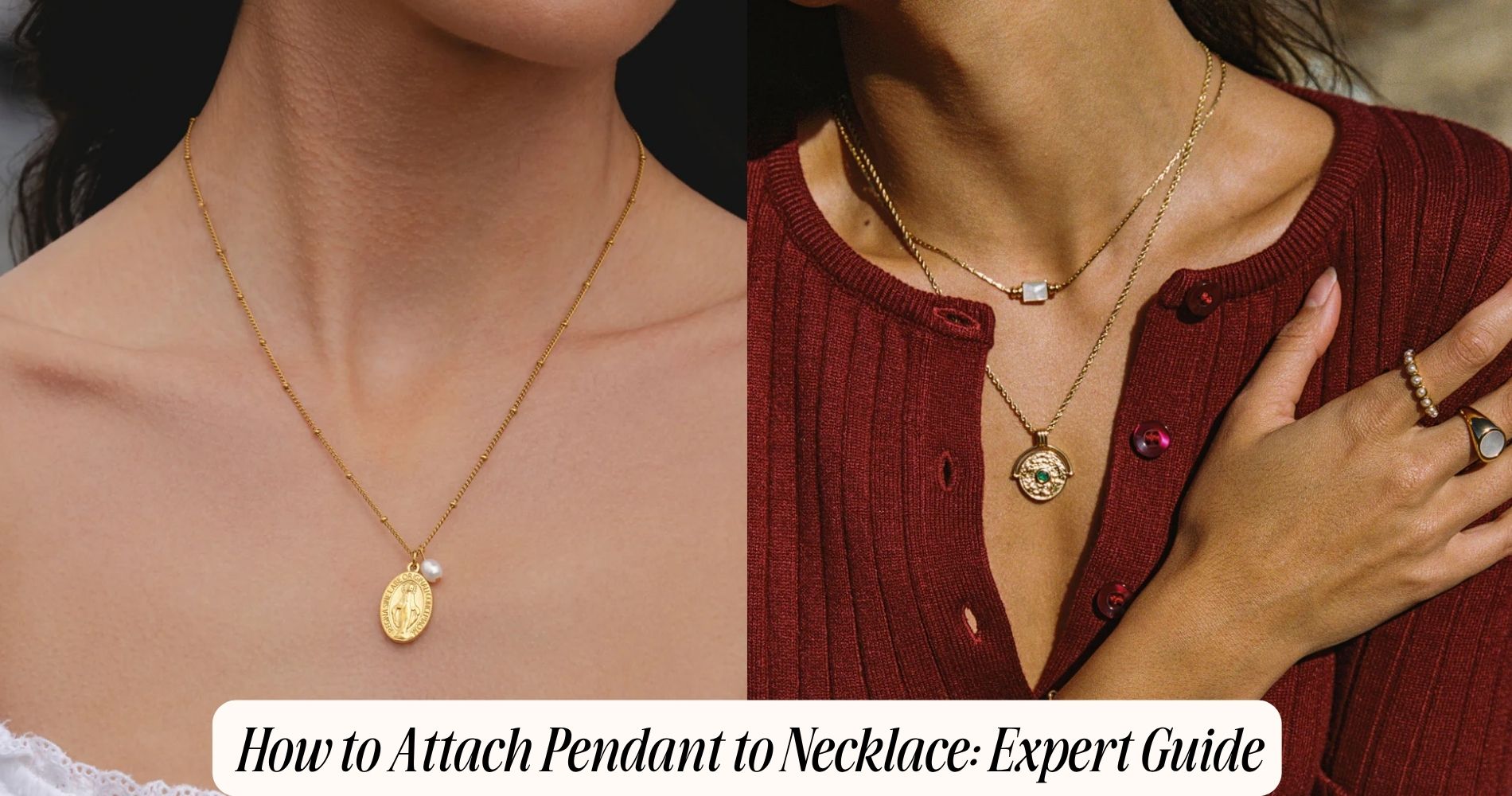
How to Attach Pendant to Necklace: Expert Guide
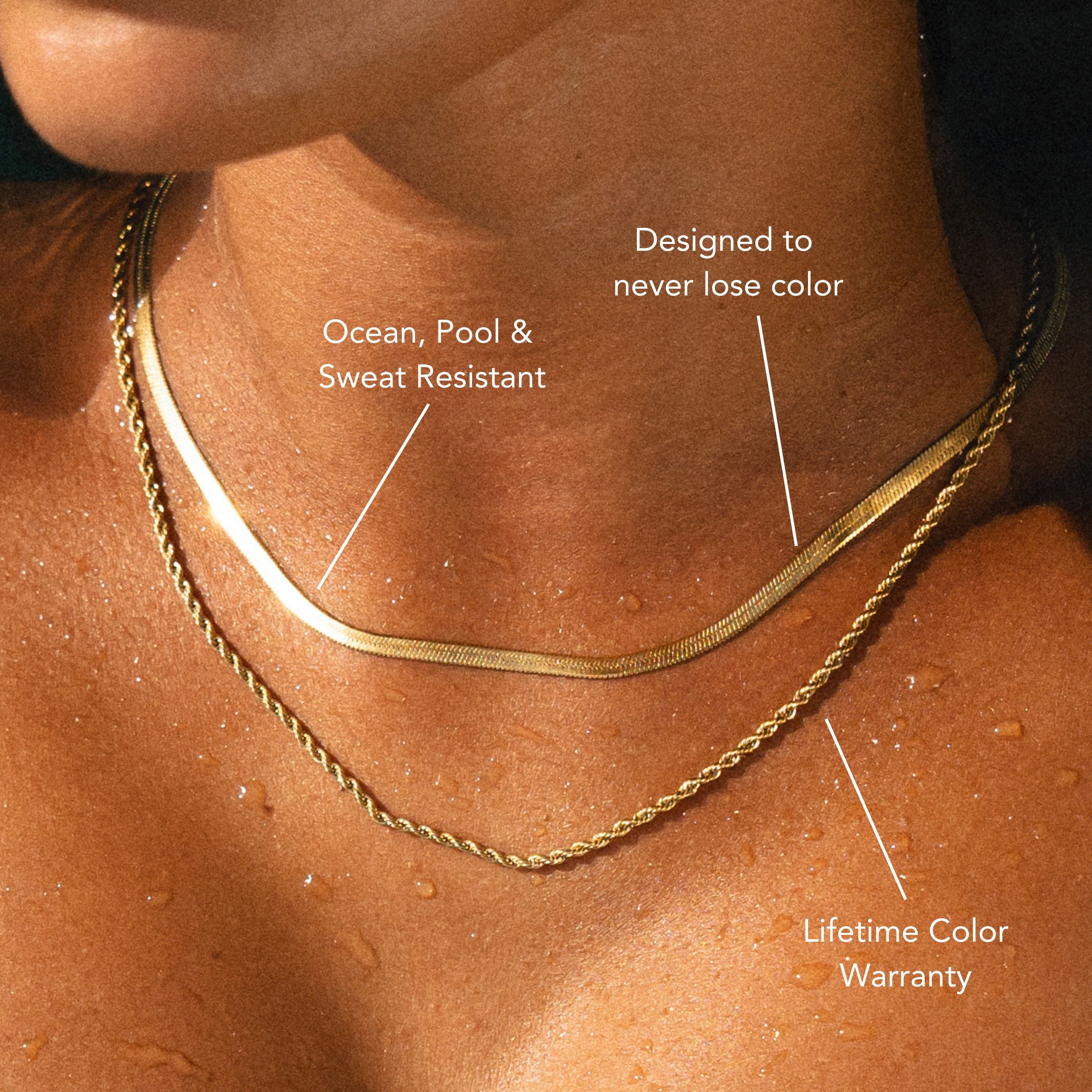
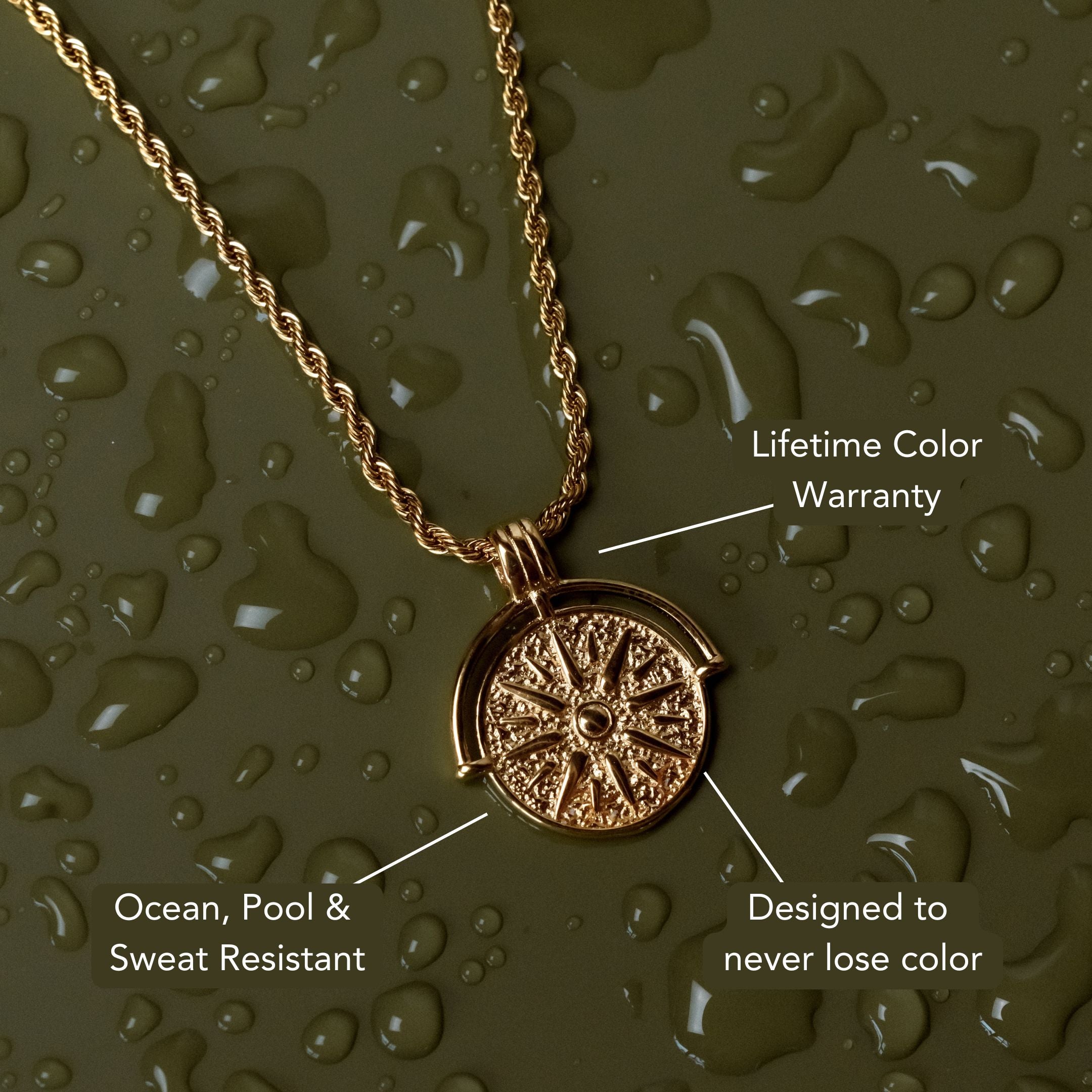
How to attach pendant to necklace? You’ll first unclasp the chain and lay it flat, then check if the pendant fits the chain opening and slide it on if it does. If not, choose a bail or jump ring that matches the pendant hole and chain thickness, open it carefully, thread the chain through, and close it securely. Make sure the clasp and connections are strong enough, then test how the pendant hangs and moves. For everyday comfort and durability, pieces from the Hypoallergenic Necklace collection are designed to be both practical and easy to style.
Attach a Pendant to a Necklace in 5 Quick Steps
Grab your pendant and necklace, and let’s get it attached in five quick steps.
First, inspect the pendant styles and identify its loop or hole; confirm it fits your planned necklace lengths and won’t rub awkwardly at the collar.
Second, unclasp the chain and lay both pieces flat on a clean surface to prevent tangles.
Third, if the pendant’s opening accommodates the chain, slide it on gently; if not, proceed to step four.
Fourth, open a small jump ring or bail just enough to pass through the pendant, then thread the chain through before closing securely.
Fifth, reclasp and test wearability: check balance, movement, and comfort across recommended necklace lengths.
You’re done.

Choose the Right Bail or Jump Ring: Size, Material, and Closure
When choosing a bail or jump ring, match its inner diameter and thickness to the pendant's hole and the chain's link size so it sits secure and moves freely without rubbing.
Decide between fixed, hinge, or pinch bail types based on how the pendant hangs and whether you need a removable option.
For jump rings, pick the correct gauge: too thin will bend, too thick won't fit.
Select jump ring materials that resist corrosion and match the chain—sterling, gold-fill, stainless steel, or plated brass—so finishes align and wear evenly.
Check closures: soldered rings give permanent strength; split rings act like tiny key rings for frequent swaps.
Test movement and closure before wearing to avoid loss or abrasion.
Match Pendant, Chain, and Clasp Sizes for a Secure Fit
One simple rule will save you from dropped pendants and broken chains: match the pendant's weight and bail or jump ring size to a chain and clasp rated for that load.
Start by weighing the pendant and noting bail inner diameter; tiny bails need thin chains, heavier pieces require sturdier links.
Compare pendant styles—delicate filigree, heavy gemstone, or chunky metal—to appropriate chain types: cable, curb, box, rope, or snake.
Check clasp strength (lobster and spring-ring ratings) and match gauge: fine chains with small clasps, bold chains with robust closures.
If a pendant's bail barely clears the chain, swap chain or enlarge the jump ring.
Test by lifting; if the connection shifts or strains, upgrade chain or clasp until fit and balance feel secure.

Attach Different Pendant Types (Metal, Bead, Fixed-Loop, Drilled)
Start by identifying the pendant type—metal loop, bead, fixed-loop (bailless), or drilled—and choose the attachment method that matches its construction and weight.
For metal pendants with a sturdy loop, use a jump ring sized to the loop and chain; open and close the ring properly so it sits flush.
For bead types strung on wire or cord, pick a headpin or eyepin and form a secure loop, or use a beaded bail for heavier beads.
For fixed loops (bailless) slide a thin chain through if it fits, or attach a split ring or tiny carabiner that won’t stress the loop.
For drilled holes, thread with wire, cord, or flexible beading wire and crimp or finish with a bead tip for neat, secure attachment.
Finish and Troubleshoot: Keep Pendants From Flipping, Loose Rings, and Stuck Clasps
Because a pendant's final look and wearability depend on small adjustments, you'll want to finish with checks and fixes that prevent flipping, loose rings, and jammed clasps.
Inspect balance first: hang the necklace at eye level and note tilt. Shift the jump ring location, add a small counterweight bead, or switch to a swivel bail for reliable pendant balancing.
Tighten split rings with pliers so ends meet; replace badly worn rings. Test chain-to-bail connection by pulling gently in multiple directions.
For clasp maintenance, clean debris with a soft brush, apply a tiny drop of lubricant to moving parts, and realign bent clasp tips so they engage smoothly.
Recheck all connections after wear; address any recurring flip, wobble, or stick immediately to avoid loss.

Frequently Asked Questions
Can I Add Multiple Pendants to One Necklace Safely?
Yes—you can add multiple pendants safely if you consider pendant styles, chain compatibility, and weight limits; mix complementary sizes, use sturdy jump rings or split rings, avoid overloading delicate chains, and test movement to prevent tangling or stress.
Will Pendant Weight Affect Chain Longevity Over Years?
Yes — pendant weight will affect chain longevity. You’ll consider chain material and pendant size: heavier pendants strain softer metals and thin links faster, so choose sturdier materials, thicker gauges, or shorter wear to prolong life.
How Do I Clean Delicate Gemstones on a Pendant?
You clean delicate gemstones gently: use soft-bristled brushes, mild soap, and lukewarm water; avoid ultrasonic cleaners and harsh chemicals. Rinse, pat dry with a lint-free cloth, and store separately—proper gemstone care extends pendant longevity.
Can I Repair a Damaged Bail at Home?
Yes—you can often repair a damaged bail at home, but assess damage first. Use bail replacement techniques like soldering or wire-wrapping for DIY jewelry repair, working slowly with proper tools, magnification, and safety precautions.
Are There Allergy-Free Metals for Pendants and Chains?
Yes — you can choose hypoallergenic materials like surgical stainless steel, titanium, niobium, or 14k+ gold for both chains and pendant designs. You’ll avoid nickel reactions and maintain durable, low-maintenance pieces suited to sensitive skin.
Conclusion
You’ve learned the quick steps to attach a pendant securely: pick the right bail or jump ring, match sizes and materials, and use the correct technique for metal, bead, fixed-loop, or drilled pendants. Apply simple finishes—crimping, closing jump rings fully, and adding a silicone pad or bead tip—to stop flipping and rattling. With these practical checks and troubleshooting tips, your pendant will sit straight, stay secure, and look professional every time.











Leave a comment
This site is protected by hCaptcha and the hCaptcha Privacy Policy and Terms of Service apply.