

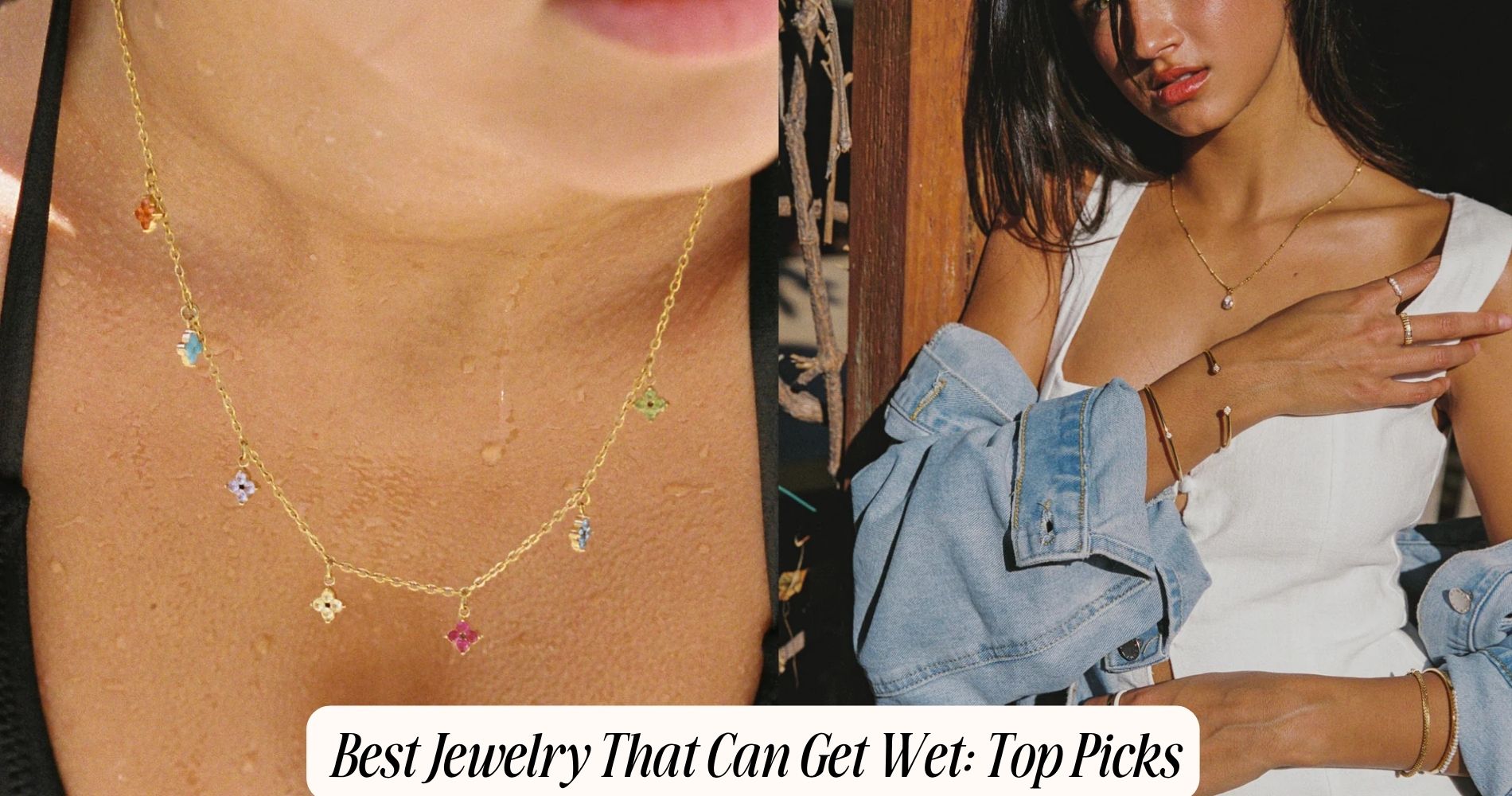
Best Jewelry That Can Get Wet: Top Picks
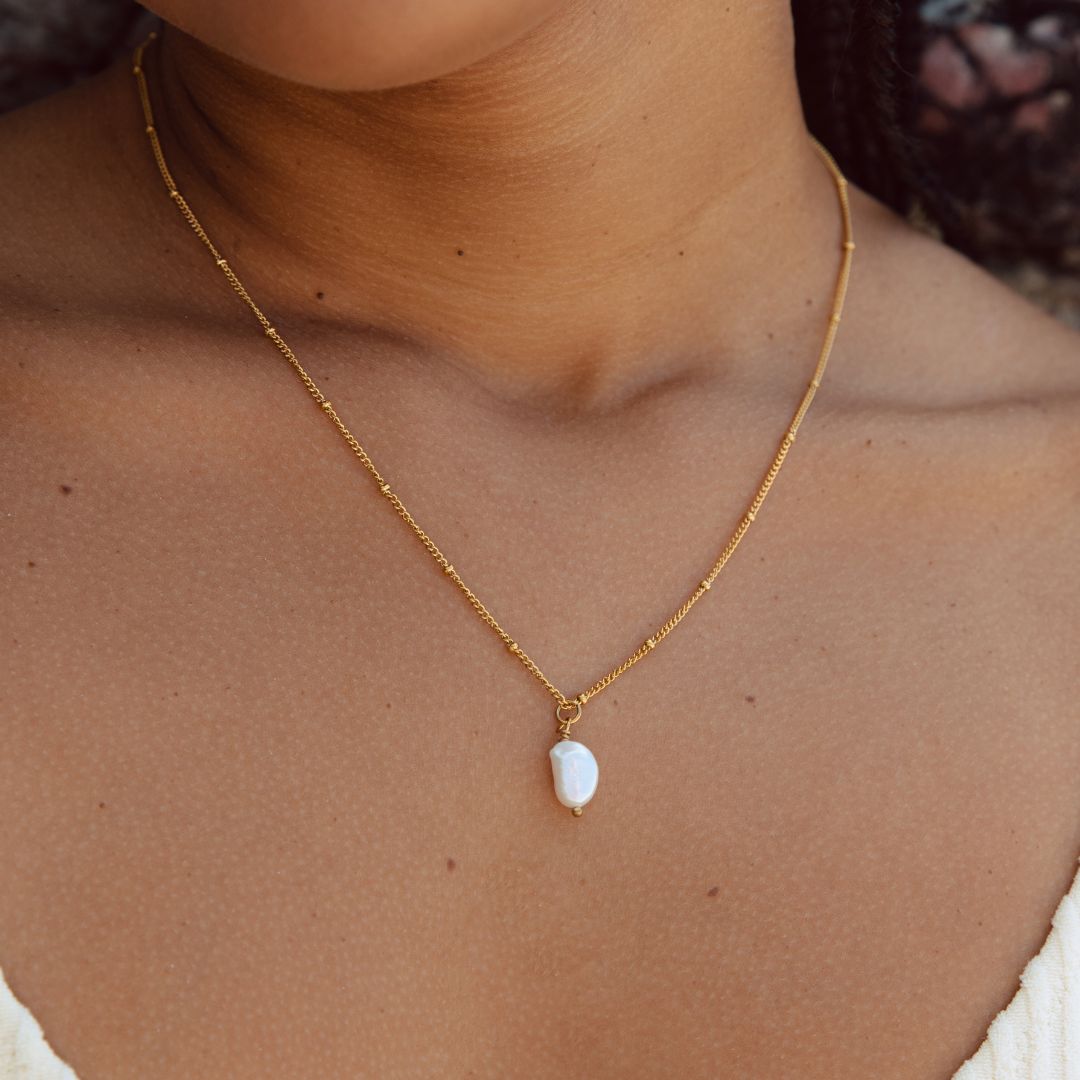
Choosing the right jewelry that can get wet lets you wear your favorite pieces without worry. Materials like solid 14K+ gold, platinum, titanium, and surgical stainless steel are ideal, along with durable coatings such as PVD or rhodium and nonporous gemstones like sapphire, ruby, diamond, or moissanite. Opt for bezel settings, low-profile rings, and secure clasps to minimize exposure to water and buildup. After contact with saltwater or chlorine, rinse with fresh water, dry thoroughly, and store pieces separately. With the right jewelry that can get wet, you can balance durability, style, and everyday convenience—especially with reliable options from the Waterproof Jewelry collection.
Quick Picks: Jewelry Safe to Get Wet
When you want jewelry that survives showers, sweat, and quick swims, pick pieces made from non-reactive metals and durable stones; they'll keep their finish and color without constant maintenance.
You’ll favor minimal chains, bezel-set studs, and streamlined hoops—practical styles that pair with active days and polished evenings. Choose low-profile rings and silicone-backed studs for workouts, and waterproof bracelets with secure clasps for layering.
For travel essentials, pack a slim roll with a few versatile pieces: one pair of hoops, a pendant, and a bracelet that won’t corrode. Inspect jump rings and clasps before wear, rinse salt or chlorine off promptly, and store items dry.
These choices keep your look current while minimizing upkeep and replacement.

Metals That Resist Water and Won’t Tarnish
If you want jewelry that survives showers, workouts, and the occasional swim without dulling or staining, choose metals known for corrosion resistance and stable finishes.
You’ll lean toward stainless steel for affordable, low-maintenance pieces: it resists rust, tolerates saltwater, and keeps polished looks with minimal care.
For lightweight strength, favor titanium alloys—modern blends deliver exceptional scratch resistance and hypoallergenic performance, ideal for daily wear.
Solid gold (14K and higher) and platinum also hold up well because their noble chemistry resists tarnish, though cost and weight vary.
Avoid base metals and untreated brass or copper near moisture.
When shopping, confirm metal composition and any surface treatments so you get pieces designed for prolonged water exposure without surprise discoloration or degradation.
Waterproof vs. Regular Plating: What Lasts
Picking the right metal is only part of the equation—how a piece is plated determines whether it can survive swims, sweat, and daily wear without losing color or flaking.
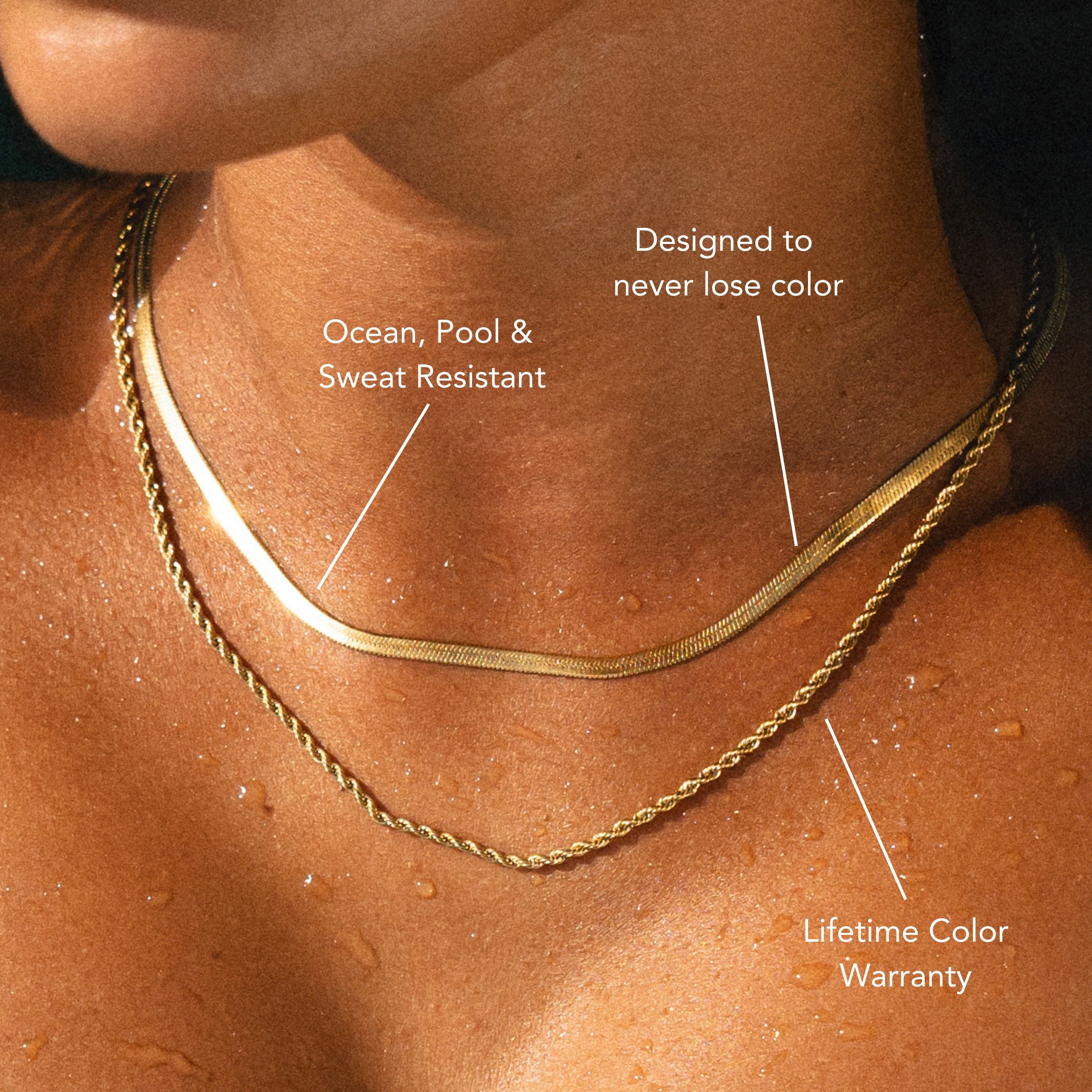
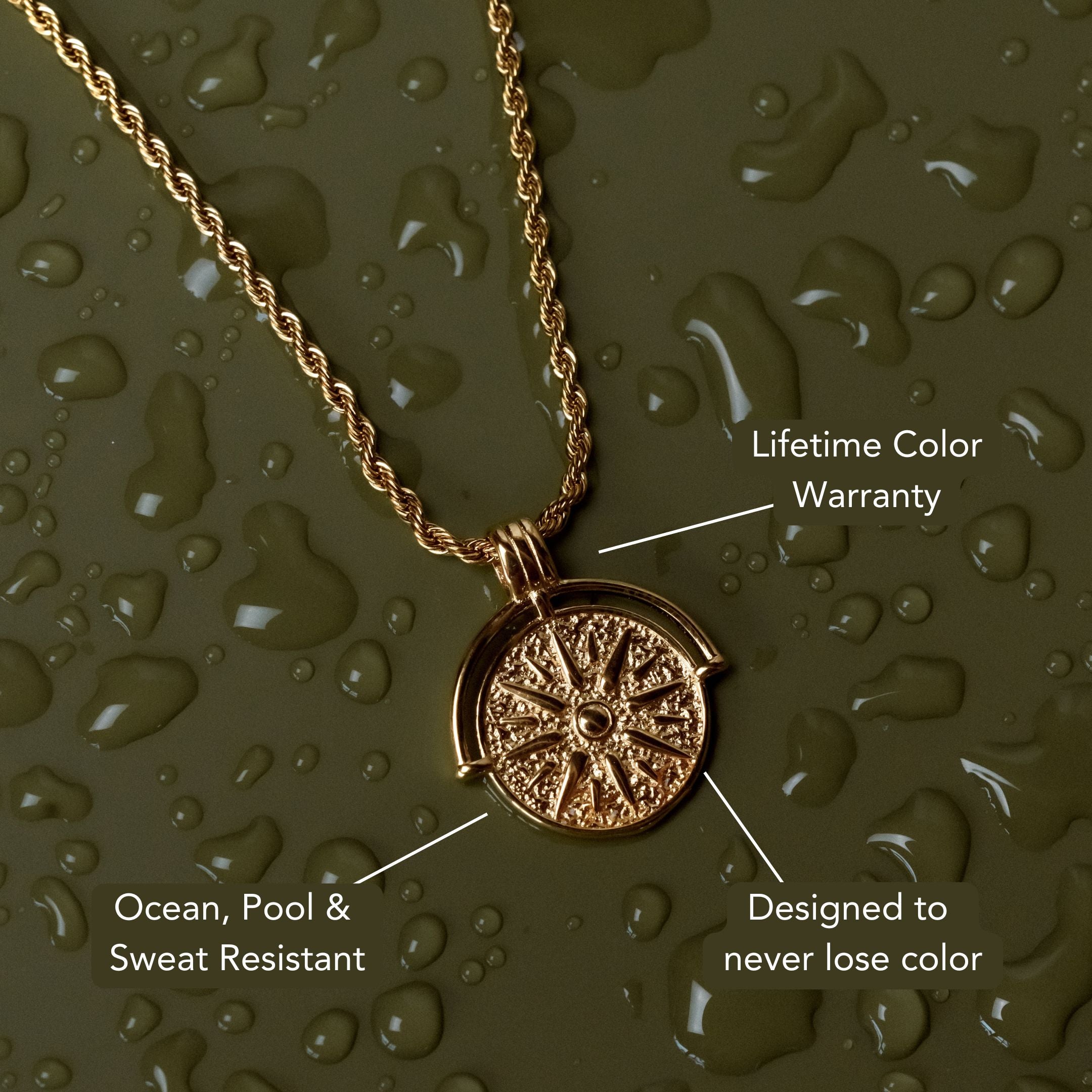
You should prioritize true waterproof plating (PVD, hard gold, or thick rhodium) when you want reliable water resistance; these methods bond more durably and resist oxidation.
Regular plating—thin electroplated layers—looks good initially but wears faster at contact points and under chlorine or salt exposure.
Inspect thickness (microns), layering technique, and manufacturer claims about plating durability before buying.
Trend-savvy designers now specify plating type and expected lifespan; you can extend any finish by rinsing with fresh water and avoiding abrasive soaps.
Choose specs, not just style, for pieces meant to get wet.

Gemstones and Materials Safe for Showers, Pools, Saltwater
Although not all gems tolerate chlorine, salt, or hot showers the same way, you can confidently choose pieces that survive regular water exposure by focusing on hard, non-porous stones and corrosion-resistant settings.
You’ll prioritize water resistant gemstones like sapphire, ruby, and diamond; their Mohs hardness and low porosity resist scratching and clouding. Also consider moissanite and lab-grown spinel for modern, budget-savvy durability.
For settings, pick solid gold (14k+), platinum, or titanium—metals that withstand salt and pool chemicals without rapid tarnish.
Avoid porous gems such as opal, pearl, emerald, and turquoise in wet-heavy routines. Look for secure, sealed mountings and minimal crevices so moisture friendly materials perform longer; regular rinsing with fresh water after exposure helps maintenance.
Sealed Designs: What to Look for When Buying
When you plan to wear jewelry in showers, pools, or the ocean, prioritize sealed designs that keep moisture, chemicals, and grime out of vulnerable joints and settings.
You should look for soldered links, closed bezels, and screw-down backs that prevent ingress; glued or open settings invite corrosion and stone loss.
Check for manufacturer claims on water resistant features and ask about testing standards—IP ratings or ASTM references matter.
Opt for pieces with minimal seams, welded jump rings, and protective gaskets on moving parts.
Consider plating thickness and solid metal construction for long-term design durability.
Finally, inspect clasps and attachments for precision fit; a tight, engineered closure beats decorative but porous components when you’re near water.
Swim-Friendly Chains, Rings, and Bracelets to Wear Daily
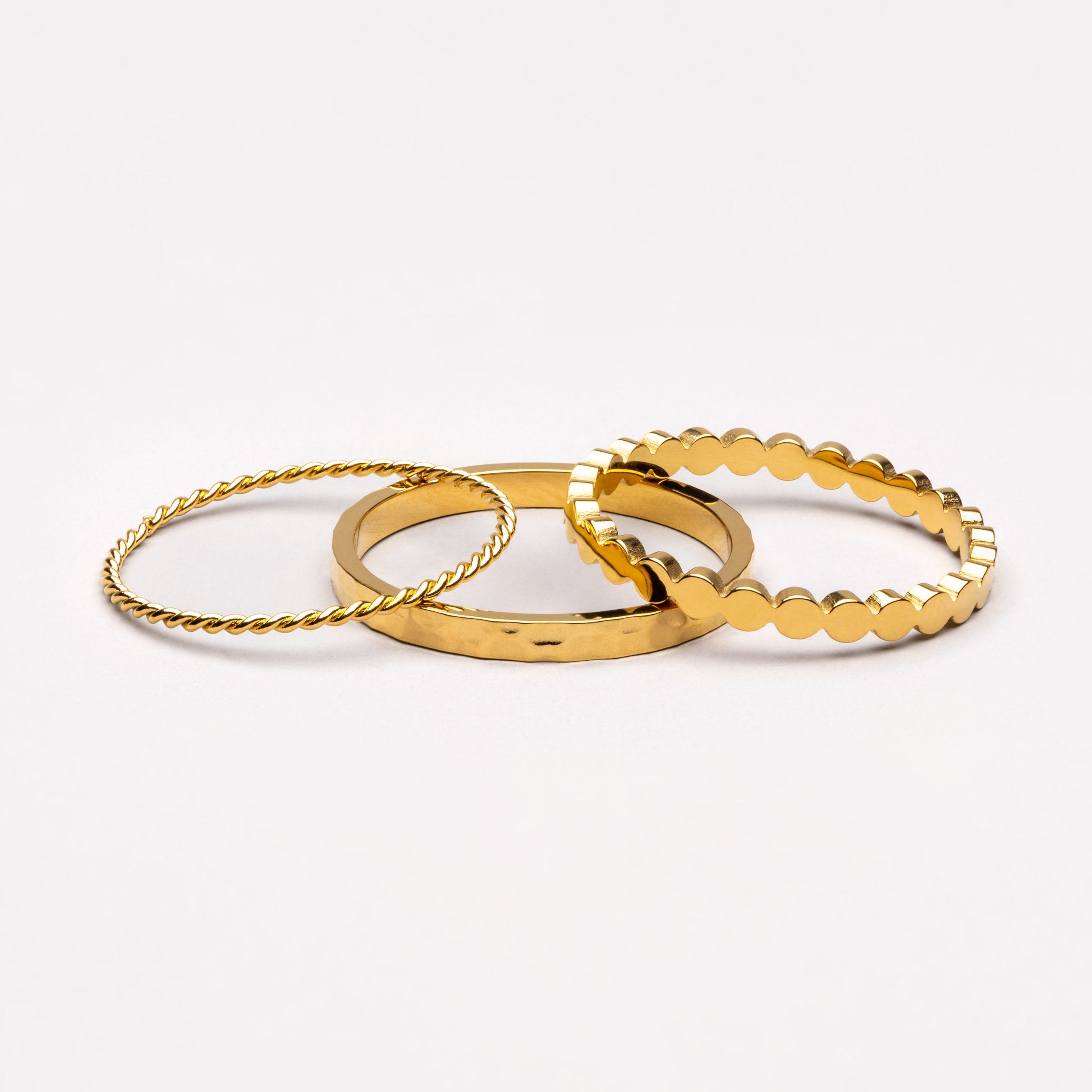
If you wear jewelry in the water every day, choose pieces engineered for constant exposure—think solid gold or platinum chains with soldered links, titanium or stainless steel rings with fully sealed settings, and cuff or box-chain bracelets that eliminate flimsy jump rings.
You’ll want minimalist silhouettes that resist snagging and surfaces treated for corrosion resistance; brushed finishes hide micro-scratches from sand and chlorine. Opt for bezel-set stones or flush-set diamonds to prevent prong failure, and pick clasps rated for tensile strength like lobster or box-lock systems.
Trend-savvy mixes—thin sovereign chains layered with a single cuff, or a polished signet ring in titanium—make water resistant styles feel curated, not utilitarian. These pieces shift seamlessly from pool to street for true everyday wear.

Care Routine for Jewelry After Water Exposure
Now that you’ve picked swim-proof styles, you’ll want a straightforward aftercare routine to keep them looking sharp. Rinse jewelry in lukewarm freshwater immediately after saltwater or chlorinated pools to remove corrosive residues.
Use gentle cleaning techniques: a soft-bristled brush, mild soap, and short, targeted strokes to dislodge buildup from links, settings, and clasps. Avoid ultrasonic cleaners for plated or delicate pieces.
Pat pieces dry with a microfiber cloth, then use active drying methods—air them on a soft towel in a ventilated area to eliminate trapped moisture.
For gold and solid stainless steel, a quick polish restores shine; for stones, inspect settings before storing. Store completely dry in individual pouches to prevent abrasion and tarnish.
Repeat after every extended water exposure.
When to Leave Jewelry Off: Risky Pieces to Avoid
Because even water-friendly pieces can fail under certain conditions, you should know which items to leave off to avoid damage, loss, or skin reactions.
Prioritize evaluating risk factors: plated metals, glued-in stones, porous gems (opals, pearls), and delicate chains will tarnish, loosen, or weaken with repeated water exposure.
Avoid wearing intricate settings, vintage pieces, or anything with fragile enamel when swimming or showering. For active days, skip statement necklaces and long drop earrings that snag.
Follow maintenance tips by removing risky jewelry before saltwater, chlorinated pools, or intense sweat—these accelerate corrosion and adhesive failure.
Trend-savvy choices like solid gold hoops or silicone rings can replace hazardous pieces. You’ll protect value and skin by choosing appropriate jewelry types for each activity.
Budget-Friendly Wet-Proof Jewelry Under $100
When you're shopping on a budget, you don't have to sacrifice durability or style—look for solid sterling silver, 14k gold-fill, surgical stainless steel, and silicone options that reliably withstand water without costing a fortune.
You’ll find affordable alternatives that mimic high-end looks: gold-fill chains, sterling huggies with secure backs, and marine-grade stainless steel cuffs.
Prioritize pieces with minimal plating, sealed settings, and corrosion-resistant clasps to avoid tarnish and loose stones.
Trendy designs like layered chains, minimalist hoops, and silicone bands give versatile, wet-ready options under $100.
Check seller specs, water-resistance claims, and return policies.
Buy from brands that disclose metal composition and offer ion or rhodium finishes for added longevity.
You'll get practical, fashionable pieces that hold up to pools, showers, and travel.
How to Choose the Right Wet-Ready Piece for Your Lifestyle
How often do you wear jewelry in water—and where you wear it—should guide your pick: match activity (daily showering, ocean swims, gym workouts) to material and construction so pieces don’t fail on you.
If you lead an active lifestyle, prioritize solid gold, platinum, titanium, or surgical stainless steel for chains and rings; they resist corrosion and hold polish.
For everyday wear, opt for low-profile settings and welded links to avoid snagging and moisture traps.
Choose coated or anodized options only if the manufacturer guarantees long-term wear; reapply sealants as recommended.
For swim-heavy use, skip porous gemstones; pick lab-grown sapphires, diamonds, or sealed opals.
Measure maintenance needs against lifestyle—minimal upkeep equals longer love.
Frequently Asked Questions
Can I Swim With My Engagement or Wedding Ring On?
You can, but be cautious: you’ll expose your engagement ring to chemicals and wear, so prioritize engagement ring maintenance and wedding band care—remove rings for pools, hot tubs, and heavy chores, inspect settings regularly, and clean professionally.
Does Wearing Wet Jewelry Cause Skin Irritation or Allergies?
Yes — wearing wet jewelry can trigger skin sensitivity and allergic reactions; you’ll notice redness, itching or rash from trapped moisture, metal corrosion, or nickel release, so choose corrosion-resistant metals and dry pieces promptly.
How Does Pool Chlorine Affect Gemstone Durability Long-Term?
Chlorine exposure gradually weakens many stones, so you should avoid pools; gemstone care demands rinsing, drying, and periodic inspections, because repeated exposure dulls surfaces, etches softer gems, and can loosen settings over time.
Are There Travel-Friendly Wet-Proof Jewelry Storage Tips?
Yes — pack padded, water-resistant storage solutions like zippered pouches and silicone cases; label compartments, use anti-tarnish strips, secure clasps with tape, and include travel essentials: small desiccant packets and a microfiber cloth for quick drying.
Can Waterproof Jewelry Be Resized or Repaired Safely?
Yes — you can resize or repair waterproof jewelry safely if you choose jewelers experienced with waterproof materials and modern resizing techniques; they'll assess seals, metals, and coatings, avoiding heat or chemicals that compromise water resistance.
Conclusion
You’ve got the know-how to pick pieces that stand up to showers, pools, and saltwater without sacrificing style. Favor solid gold, platinum, titanium, and fully sealed designs; choose natural hard gems or synthetic alternatives; opt for true waterproof plating when budget limits you. Rinse, dry, and store wet-exposed items promptly, and skip porous stones or glued settings. With the right choices and a simple care routine, your jewelry will stay polished and trend-forward through every adventure.









Leave a comment
This site is protected by hCaptcha and the hCaptcha Privacy Policy and Terms of Service apply.