

Can You Clean Silver with Alcohol: Safe Answer Explained
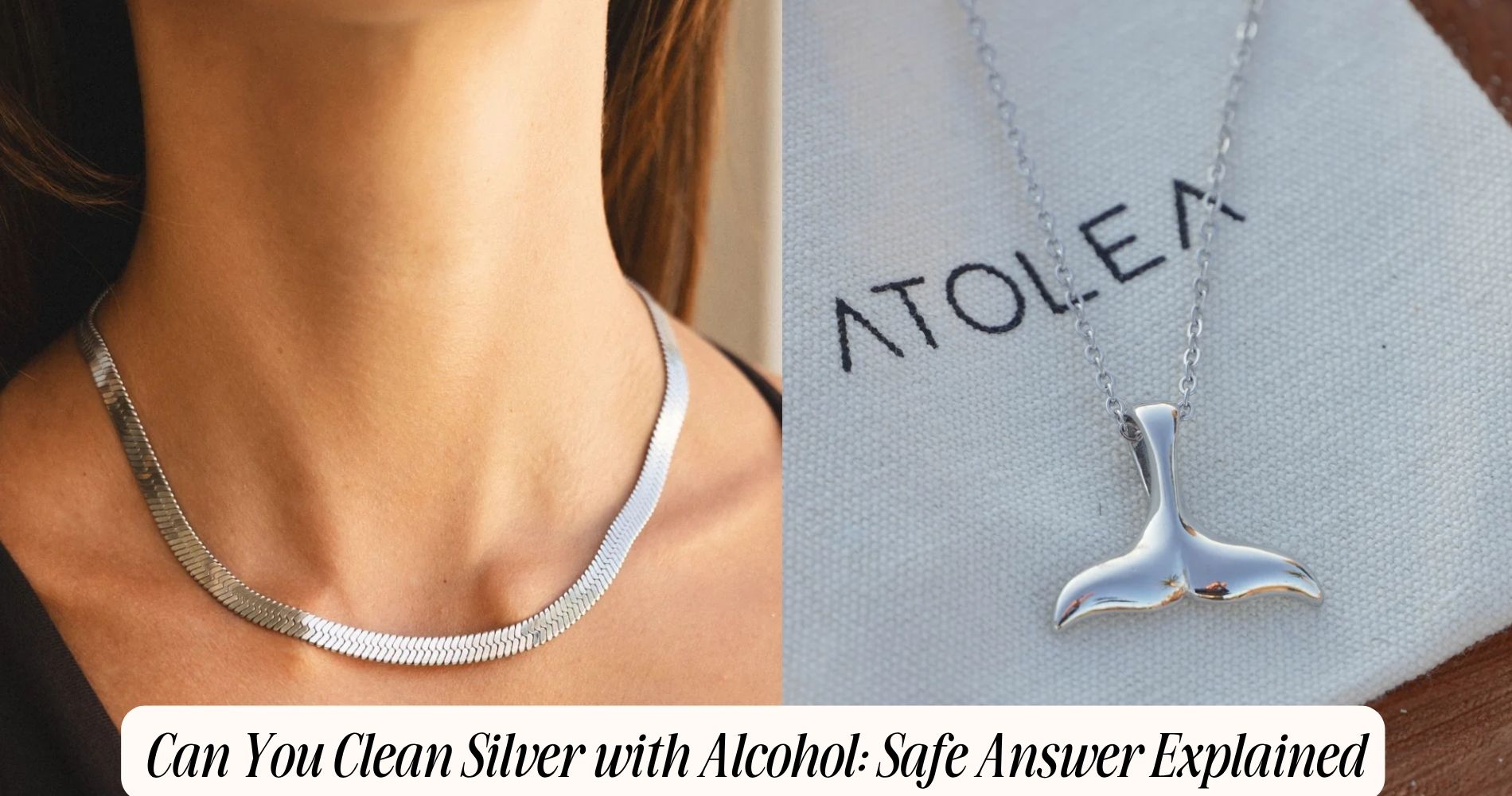
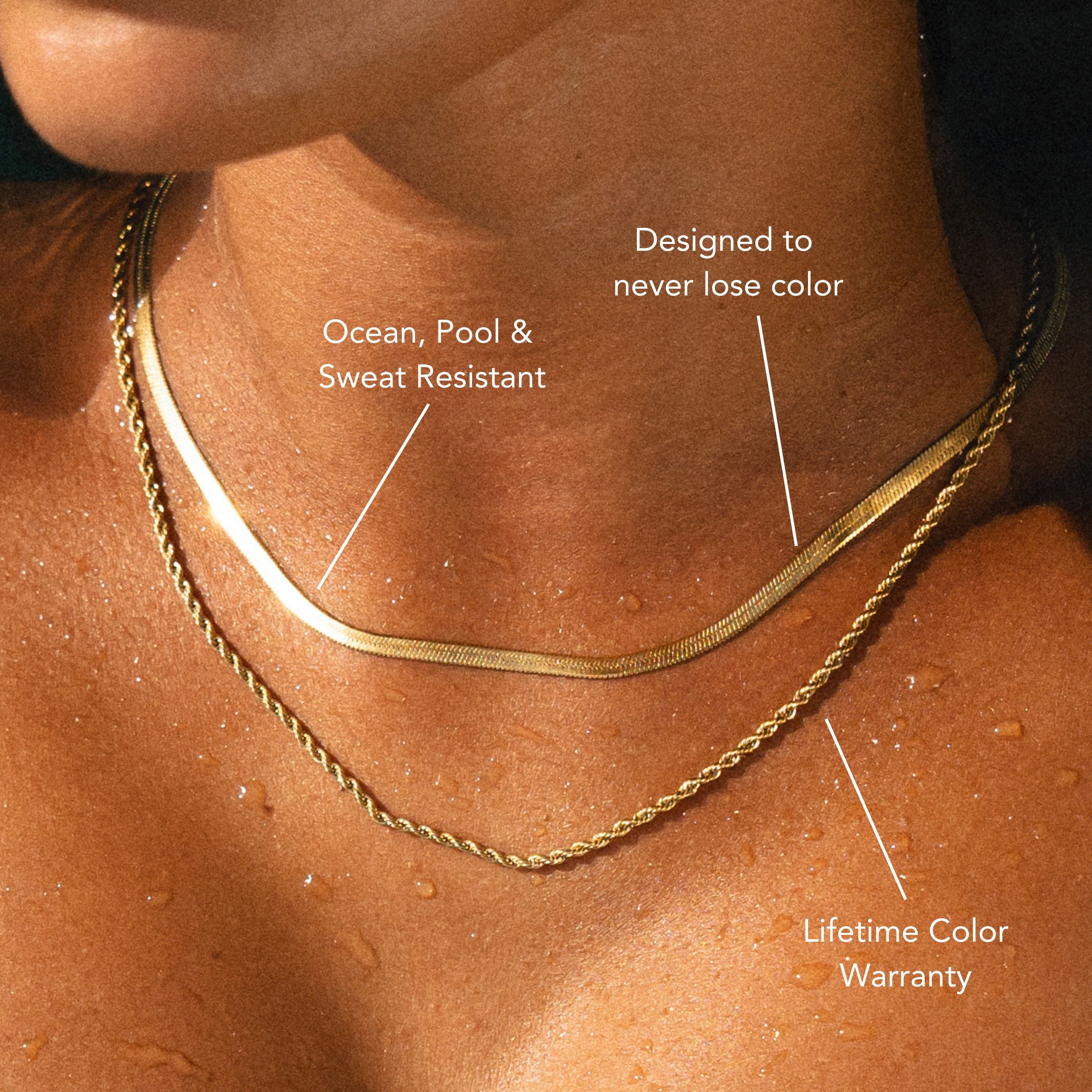
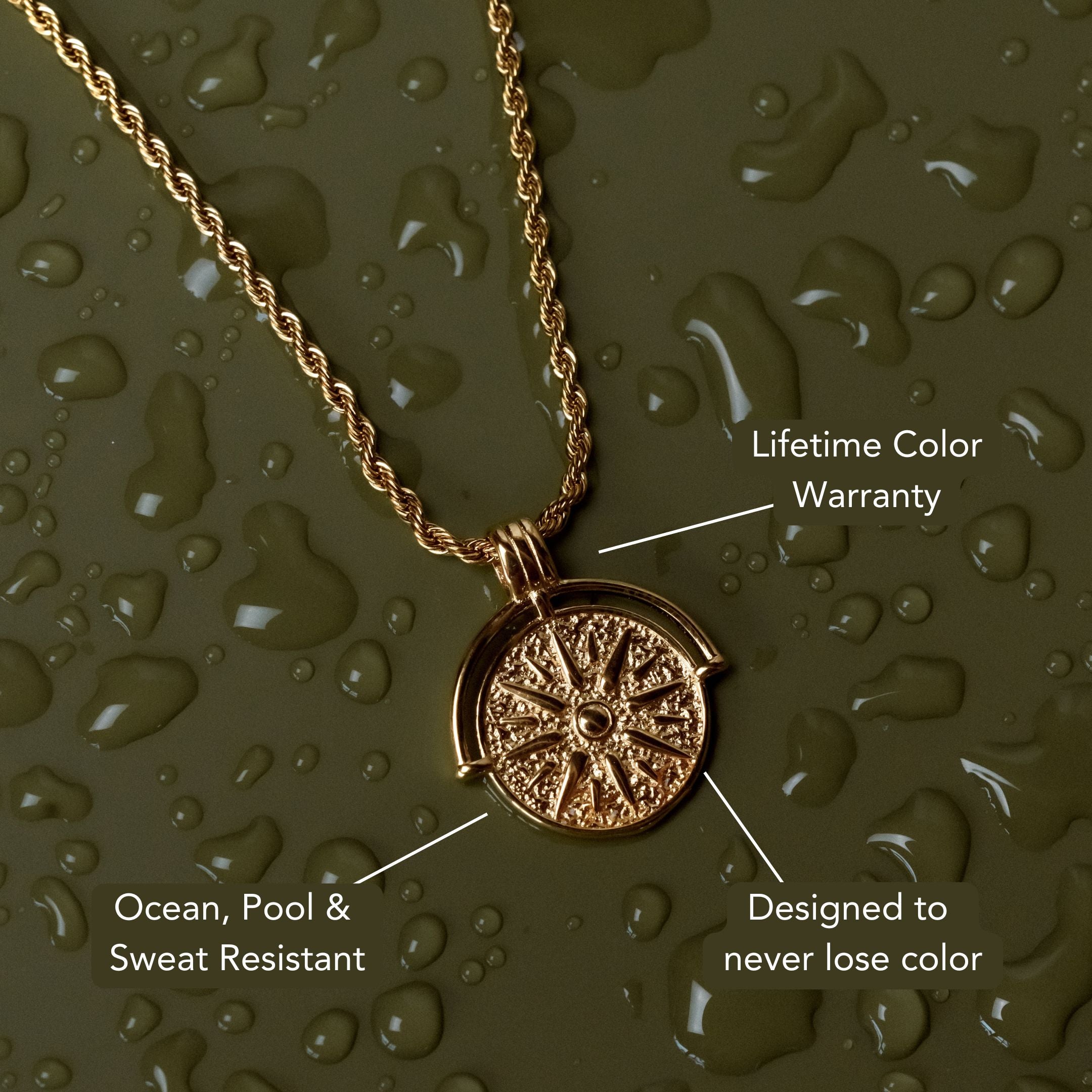
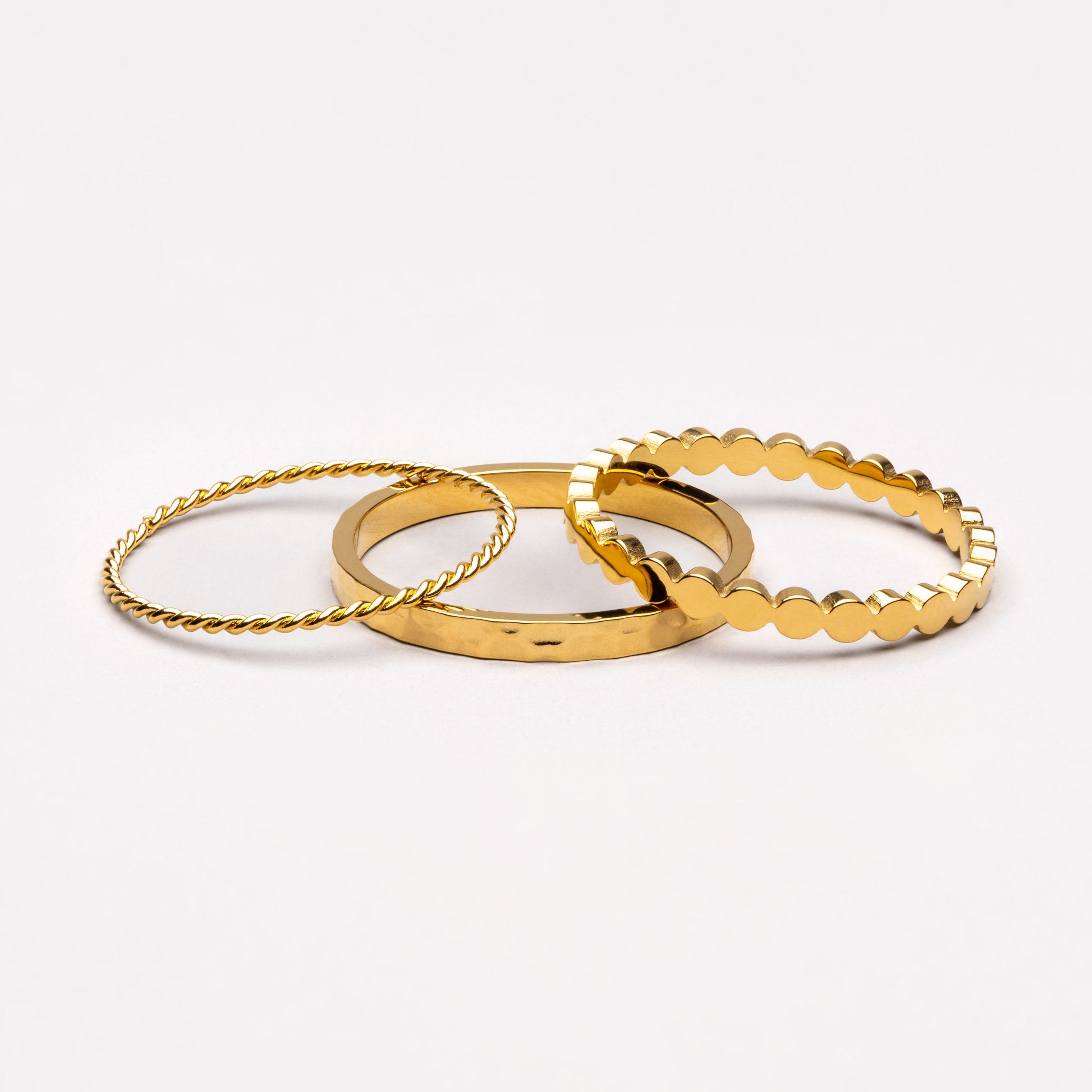
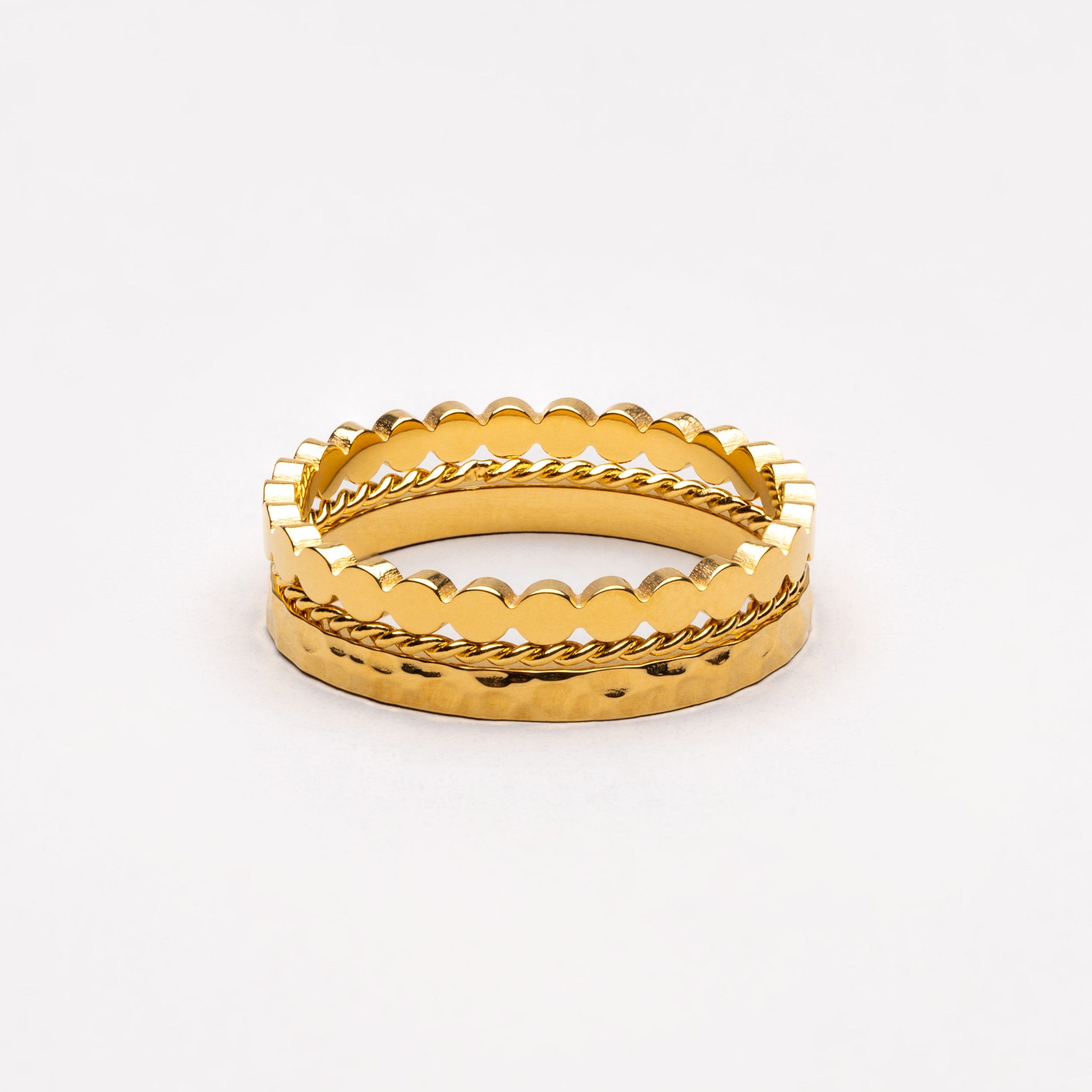
Can you clean silver with alcohol? You can use isopropyl alcohol to remove oils, fingerprints, and light grime from solid sterling silver, but it won’t remove true tarnish and may damage plated or delicate pieces. Apply it sparingly with a soft cloth, test first, and dry immediately to avoid issues. For easier upkeep and everyday durability, pieces like those in the Silver Waterproof Jewelry collection are designed to maintain their look with minimal maintenance.
Can Rubbing Alcohol Safely Remove Tarnish From Silver?
Alcohol dissolves oils and evaporates quickly, so it helps with silver maintenance between proper polishings, yet it won't chemically reverse oxidation (tarnish) that forms silver sulfide.
For mild discoloration you can wipe with a lint-free cloth dampened with alcohol, then dry immediately to avoid moisture contact.
For established tarnish, choose tested chemical or mechanical methods designed for silver restoration; those target sulfide layers without excessive abrasion.
When in doubt, test a small inconspicuous area and consult product instructions to protect finishes and any applied coatings.

When Is Alcohol Appropriate for Sterling Silver Vs. Silverplate?
When you're deciding whether to use isopropyl alcohol, consider the metal beneath any finish: sterling silver is a solid alloy of 92.5% silver and copper and tolerates light alcohol wiping for oils and fingerprints, while silverplate—thin silver bonded to a base metal—can hide vulnerabilities like exposed base metal or worn plating that alcohol won't repair and may reveal.
You should use alcohol for quick, low-risk silver care tasks: removing grease, disinfecting, or prepping surfaces before detailed cleaning techniques.
Avoid alcohol on heavily tarnished, porous, or chemically treated pieces and on silverplate with flaking or visible base metal.
When in doubt, test a discrete area or consult a conservator; evidence supports cautious, minimal use rather than routine application.
How to Clean Silver With Isopropyl (Step-by-Step)
Before you begin, gather 70% isopropyl alcohol, a lint-free microfiber cloth, cotton swabs, and latex or nitrile gloves so you can work cleanly and protect both the piece and your skin.
Work in a well-ventilated area and test a small, inconspicuous spot first to confirm compatibility.
Dampen the cloth—don’t soak—and gently wipe the silver using short strokes; use swabs for crevices.
Let the alcohol evaporate; it disinfects and removes oils due to alcohol properties without leaving residue at this concentration.
If tarnish persists, repeat once; avoid abrasive pressure.
Dry immediately with a clean microfiber to prevent spotting.
Finish by storing the item properly and noting silver maintenance tips: limit exposure to contaminants and perform light cleanings regularly.

When Not to Use Alcohol on Silver (Gemstones, Coatings, Patina)
Although alcohol works well on bare silver, you shouldn't use it on pieces that have delicate gemstones, protective coatings, or intentional patina.
You can dissolve adhesives, dull porous stones, or leach color from treated gems; for gemstone protection, avoid soaking or vigorous rubbing with alcohol.
Alcohol can also strip factory-applied lacquer or plating, causing coating damage that shortens the life of the finish and exposes base metals to corrosion.
When a piece has an intentional patina, alcohol may remove or unevenly lighten surface coloration, undermining patina preservation and the item's aesthetic or value.
As part of responsible silver care, inspect items first: if stones are glued, coatings are present, or patina is desired, don't apply alcohol without consulting a jeweler or conservator to prevent irreversible harm.
Safer Alternatives for Cleaning Silver (Home Methods and Cleaners)
If a piece has glued stones, a lacquered finish, or an intentional patina, skip alcohol and choose gentler methods suited to the material.
For light tarnish on solid silver, make a baking soda paste (3:1 baking soda to water), apply gently with a soft cloth, rinse thoroughly, and dry immediately to prevent water spots.
For items without porous settings, a diluted vinegar solution (one part white vinegar to two parts water) can remove tarnish; test a hidden area first and limit soak time to a few minutes.
Use a soft-bristle brush for crevices, not abrasive pads. Always work in small areas, rinse well, and dry.
When in doubt—valuable, fragile, or uncertain finishes—consult a conservator before proceeding.

Troubleshooting: Stains, Deep Tarnish, and When to Call a Pro
When tarnish or staining goes beyond surface dulling, you’ll need a more deliberate, evidence-based approach to avoid permanent damage; assess the metal, finish, and any stones or adhesives before you proceed.
If dark patches resist gentle silver maintenance—soft cloth, mild detergent, non-abrasive polish—identify tarnish causes: sulfur exposure, humidity, or chemical contact.
For localized stains, test a small inconspicuous area with a proven cleaner and document results. Avoid alcohol on porous or glued components; it can dissolve adhesives and worsen corrosion.
For deep, pitted tarnish or antique finishes, stop DIY attempts once abrasive methods are required. Consult a qualified conservator or professional jeweler who uses controlled electrolytic or chemical treatments and can preserve patina, hallmarks, and setting integrity.
Frequently Asked Questions
Can Alcohol Damage Silver Jewelry Settings or Solder Joints?
Yes — alcohol can harm some silver settings or solder joints if it loosens adhesives or reacts with mixed metals; you should avoid prolonged exposure during silver tarnish removal and follow careful jewelry care guidelines to prevent damage.
Can Alcohol Remove Counterfeit Silver Markings or Stamps?
No, alcohol won't reliably remove counterfeit silver markings; it may soften inks or residues, but hallmark stamps and engraved marks are permanent. You should avoid assuming alcohol effects will conceal or reveal authenticity—use testing or expert appraisal.
Is It Safe to Store Alcohol-Cleaned Silver Immediately Afterward?
Yes, you can, but only if you fully dry and rinse to remove alcohol residue; otherwise vapors or remaining solvent can worsen silver tarnish or react with coatings. Be cautious, ventilate, and store in dry, airtight conditions.
Can Alcohol Affect the Taste of Silverware Used for Food?
Yes — if alcohol residue remains, you might notice a faint chemical silver taste; you should rinse and dry thoroughly after cleaning, since properly evaporated alcohol rarely alters flavor, but lingering residue can affect taste.
Will Frequent Alcohol Cleaning Speed up Silver Corrosion?
Yes — frequent alcohol cleaning can accelerate silver corrosion if residues or solvents remove protective coatings; alcohol cleaning frequency interacts with silver corrosion factors like humidity, sulfur exposure, and abrasives, so you should limit use and dry thoroughly afterward.
Conclusion
You can use isopropyl alcohol to remove fingerprints, grease and light grime from plain sterling silver or silverplate, but it won’t remove true tarnish and can harm porous gemstones, lacquered finishes or intentional patina. Test a hidden spot, use only a soft cloth dampened (not soaked), and dry thoroughly. For heavy tarnish or valuable pieces, choose proven silver cleaners or consult a professional to avoid abrasion, chemical damage or loss of historic finishes.










Leave a comment
This site is protected by hCaptcha and the hCaptcha Privacy Policy and Terms of Service apply.