


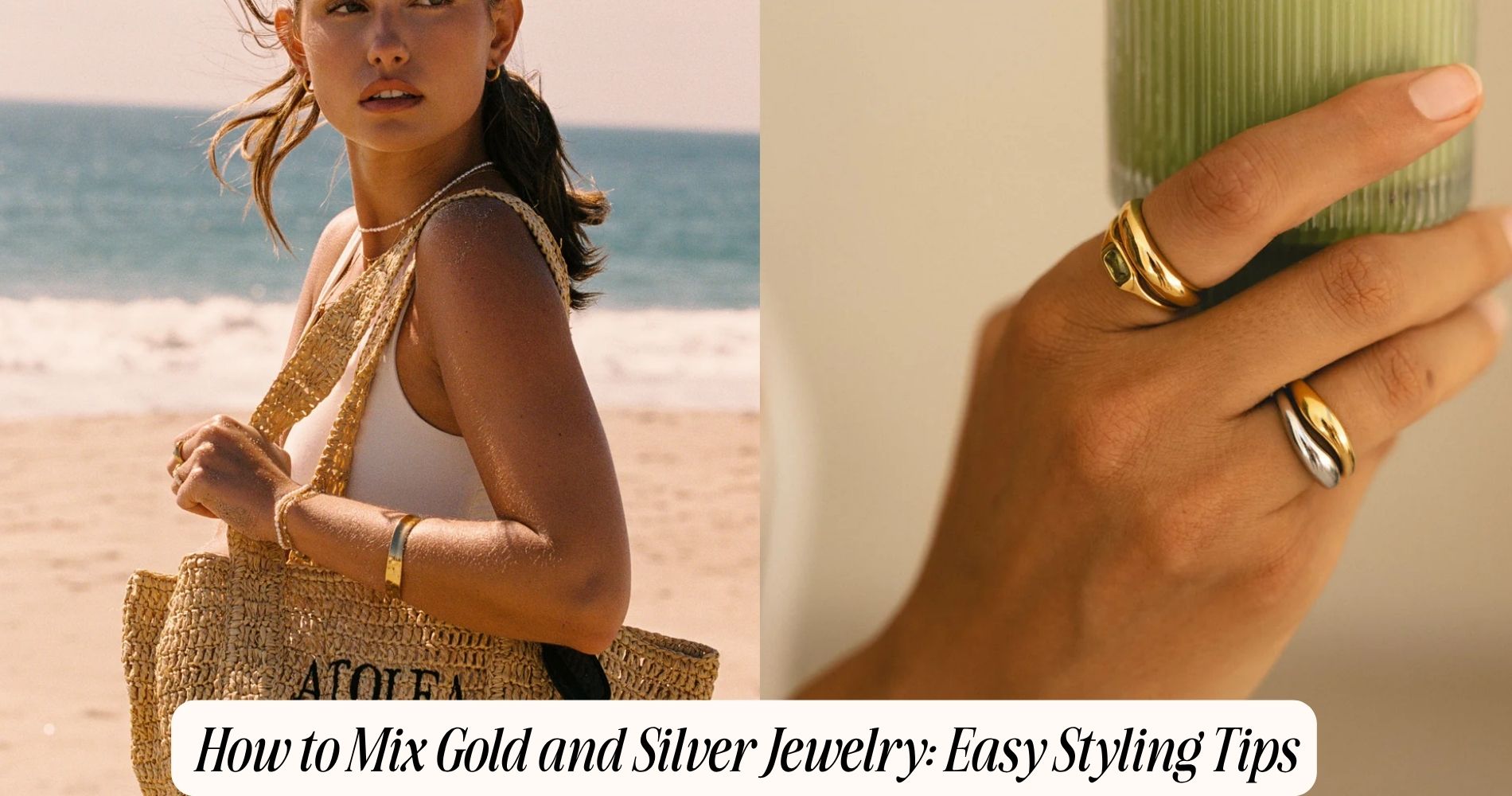
How to Mix Gold and Silver Jewelry: Easy Styling Tips
The idea that gold and silver jewelry cannot be worn together is one of the most persistent style myths in everyday dressing. It was never a hard rule, and it has not been treated as one by most stylists or jewelry wearers for years. Knowing how to mix gold and silver jewelry is less about permission and more about understanding the two principles that make mixed-metal combinations read as intentional rather than accidental. Everyday Gold Jewelry built for daily layering works within those principles naturally. This guide covers exactly what those principles are, how to apply them across necklaces, rings, bracelets, and earrings, and how to handle common scenarios where mixing metals creates specific challenges.
Why Mixed Metals Work When Done Right
Mixed-metal styling works when it looks like a choice rather than a coincidence. The difference between an intentional mixed-metal combination and an accidental one is not the specific pieces used. It is whether the combination follows a visible logic that the eye can read.
Two principles create that logic consistently.
The dominant tone principle. Every mixed-metal combination needs one metal tone to lead and the other to support. When gold and silver appear in roughly equal proportions in the same outfit, the eye moves between them without landing on either, which reads as indecision. When one tone clearly leads, occupying approximately two-thirds of the jewelry presence, the combination reads as a deliberate choice with accent rather than an unresolved split.
The repetition principle. A single piece in the secondary metal tone looks like a mistake. Two or more pieces in the secondary tone look like a choice. Repetition signals intention. If silver is the secondary tone in a gold-dominant combination, two silver rings or a silver bracelet alongside a silver ear cuff creates a thread of the secondary tone that reads as placed rather than accidental.
These two principles work together. A gold-dominant combination with two silver accent pieces follows both: gold leads, silver repeats. A silver-dominant combination with one gold layering necklace and a gold ring also follows both. The specific pieces matter less than the ratio and repetition behind them.

How to Mix Gold and Silver Jewelry: By Piece Type
Necklaces
Layered necklaces are one of the most natural contexts for mixed-metal styling because the pieces sit in close visual proximity and their interaction is immediate.
For a gold-dominant necklace stack, a gold chain at 16 inches and a gold pendant at 18 inches forms the base. Adding a silver chain at 20 to 22 inches introduces the secondary tone at a length that creates clear visual separation from the gold layers. The silver sits below the gold visually, which lets the gold lead while the silver adds depth.
For a silver-dominant stack, the same logic applies in reverse. Two silver chains at different lengths form the base and a gold chain or pendant at the longest layer adds warmth at the lowest point of the stack.
The key technical detail for mixed necklace stacking is length separation. Each chain in the stack should sit at a visibly different length, at least two inches apart, so the tones read as distinct layers rather than tangling together. When gold and silver chains sit at the same length, they create visual confusion regardless of how good each piece is individually.
Mixing chain textures across the two metal tones adds a second layer of differentiation that makes the combination read as more considered. A fine flat gold chain alongside a slightly twisted or beaded silver chain at a different length creates both color and textural contrast that feels collected rather than random.

Rings
Ring stacks offer the most flexibility for mixed-metal combinations because the small scale of individual bands makes the ratio easy to adjust one ring at a time.
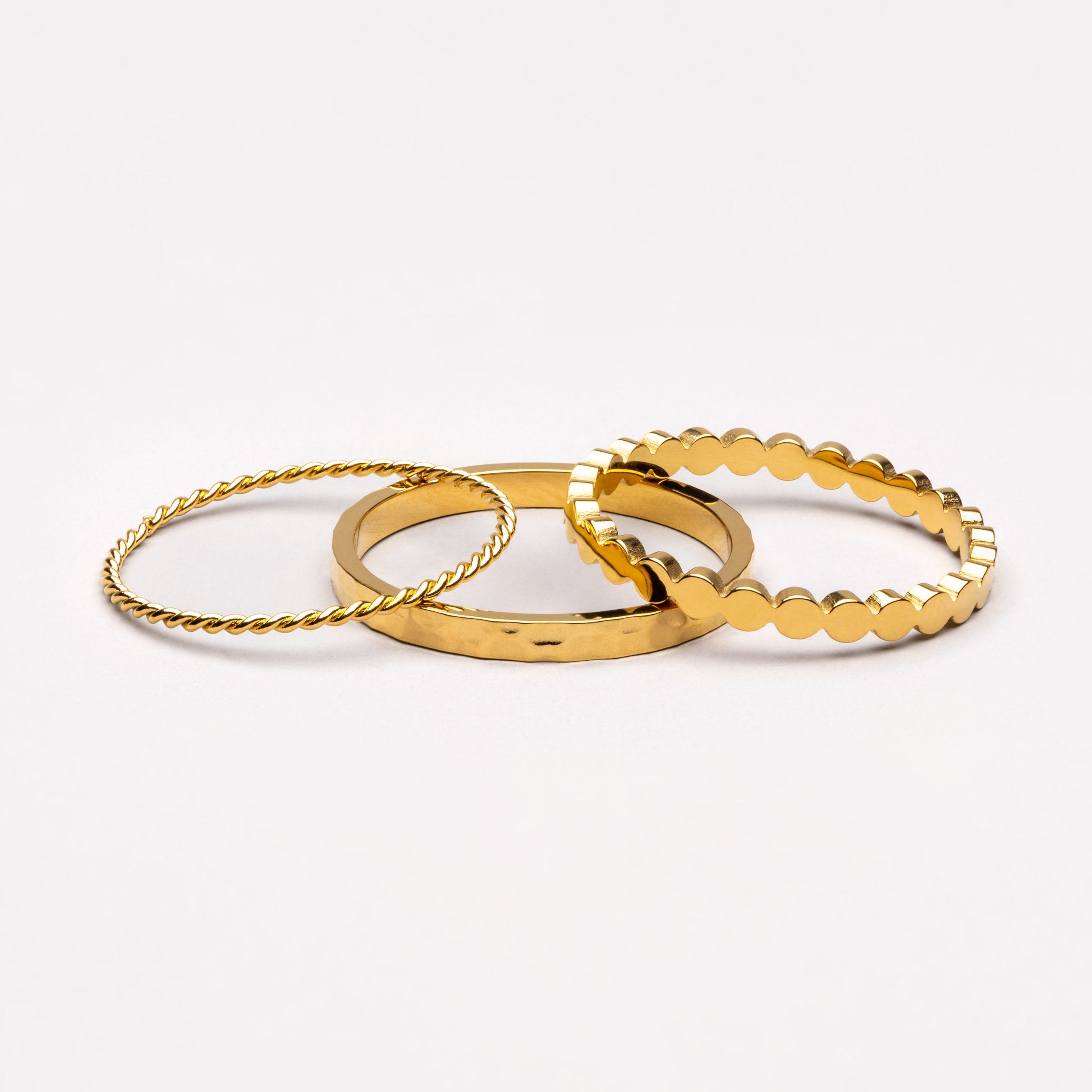
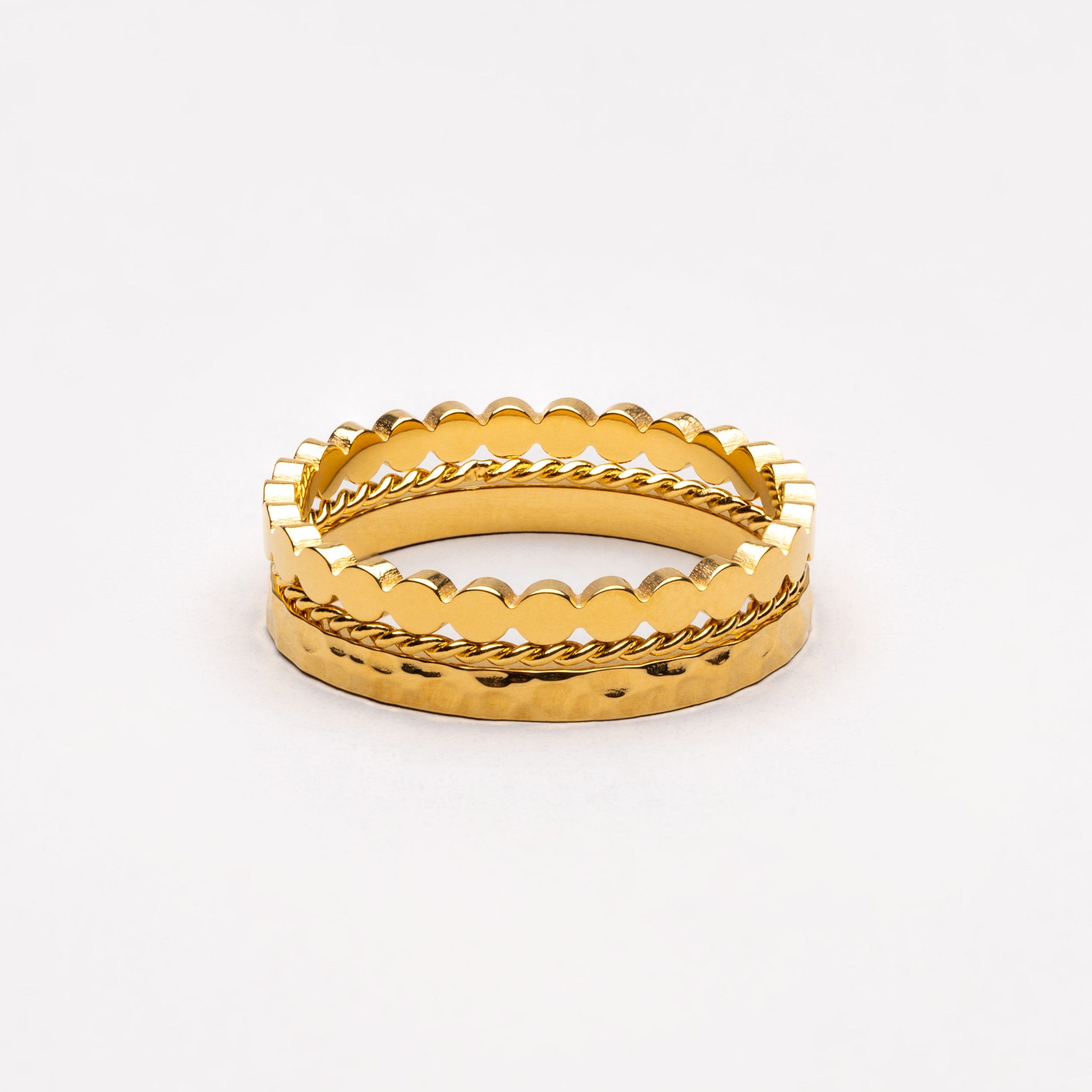
A gold-dominant ring stack follows the two-thirds rule naturally: three gold bands alongside one or two silver bands creates a clear gold lead with deliberate silver accents. The silver rings work best when they are visually similar to each other in width or texture, reinforcing the repetition principle.
Placing mixed-metal rings on the same finger rather than separating them across fingers creates the tightest interaction between the two tones. A gold band, a silver band, and another gold band on the middle finger reads as a composed gradient. Spreading one gold ring on one finger and one silver ring on a different finger with nothing connecting them can read as two separate decisions rather than one intentional combination.
The exception is when the mixed-metal distribution spans the full hand deliberately: a ring stack on one hand with mostly gold and a complementary stack on the other hand with a silver emphasis creates a balanced asymmetry that reads as very considered styling.
Bracelets
Bracelets interact closely during movement, which means mixed-metal bracelet combinations catch the eye through their movement as much as their static appearance. A gold chain bracelet alongside a silver bangle on the same wrist creates a clean two-tone combination that moves independently but reads as intentionally paired.
The width and weight of the two pieces should be roughly comparable. A very delicate gold chain bracelet alongside a heavy wide silver cuff creates a mismatch in visual weight that draws attention to the difference rather than the combination. Pairing pieces of similar visual weight in different metal tones creates harmony even across the color contrast.
For layered bracelet stacks, the same dominant tone principle applies as with necklaces. Two gold bracelets and one silver one, or two silver alongside one gold, creates a clear hierarchy that reads as intentional.

Earrings
Earrings interact with mixed-metal combinations differently from other piece types because they are seen at head level and frame the face. For most wearers, keeping earrings within a single metal tone while mixing metals at the neck and wrist creates the cleanest overall composition. The earrings anchor the look in one tone while the necklace and bracelet levels carry the mixing.
That said, mismatched earrings in different metal tones have become a widely worn styling approach and work consistently when the two earrings are of similar size and visual weight. A small gold stud in one ear and a small silver stud in the other creates a subtle mixed-metal nod at the earring level. Two completely different earring styles in different metals at the same time creates a more maximalist effect that suits specific styling contexts rather than everyday wear.
Mixed Metals Across Different Outfit Colors
Outfit color affects how well mixed-metal combinations read because the background the jewelry sits against changes the contrast levels of each metal tone.
| Outfit Color | Mixed Metal Approach | Why It Works |
|---|---|---|
| Black | Either tone dominant | Black neutralizes contrast, both tones read clearly |
| White or cream | Gold dominant with silver accent | Gold adds warmth, silver sharpens without competing |
| Navy | Gold dominant | Gold-navy contrast is strong; silver adds without clashing |
| Camel or tan | Gold dominant | Warm tones build on each other; silver as light accent |
| Gray | Silver dominant with gold accent | Cool tones align; gold adds warmth as counterpoint |
| Denim | Either direction | Casual context supports both approaches equally |
| Red | Gold dominant | Warm-warm harmony; silver creates higher contrast |
Black is the most forgiving background for mixed-metal combinations because its neutrality does not favor either tone. A gold-dominant combination on black reads as warm and striking. A silver-dominant combination on black reads as cool and clean. The mixing reads clearly against black in both directions.
Navy and gold have one of the strongest warm-cool contrasts in everyday outfit and jewelry combinations. Adding a silver accent to a gold-dominant combination against navy creates a three-element color play (gold warmth, silver cool, navy depth) that reads as particularly considered.

Common Mistakes When Mixing Metals
Understanding what typically goes wrong with mixed-metal combinations helps you avoid the specific decisions that make the combination read as accidental.
Equal proportions. The most common issue is a 50/50 split between gold and silver across the jewelry in an outfit. Equal proportions create visual competition rather than hierarchy. Shifting to a two-thirds dominant metal resolves this immediately.
Isolation of the secondary tone. A single piece in the secondary metal with nothing else repeating that tone reads as a forgotten piece from a different outfit rather than a deliberate accent. Adding a second piece in the secondary tone, even a very small one, creates the repetition that signals intention.
Mismatched visual weight. Mixing a very bold statement piece in one tone with a very delicate piece in the other creates a size mismatch that draws attention to the difference in scale rather than the metal tone combination. Pairing pieces of comparable visual weight in different tones produces more cohesive results.
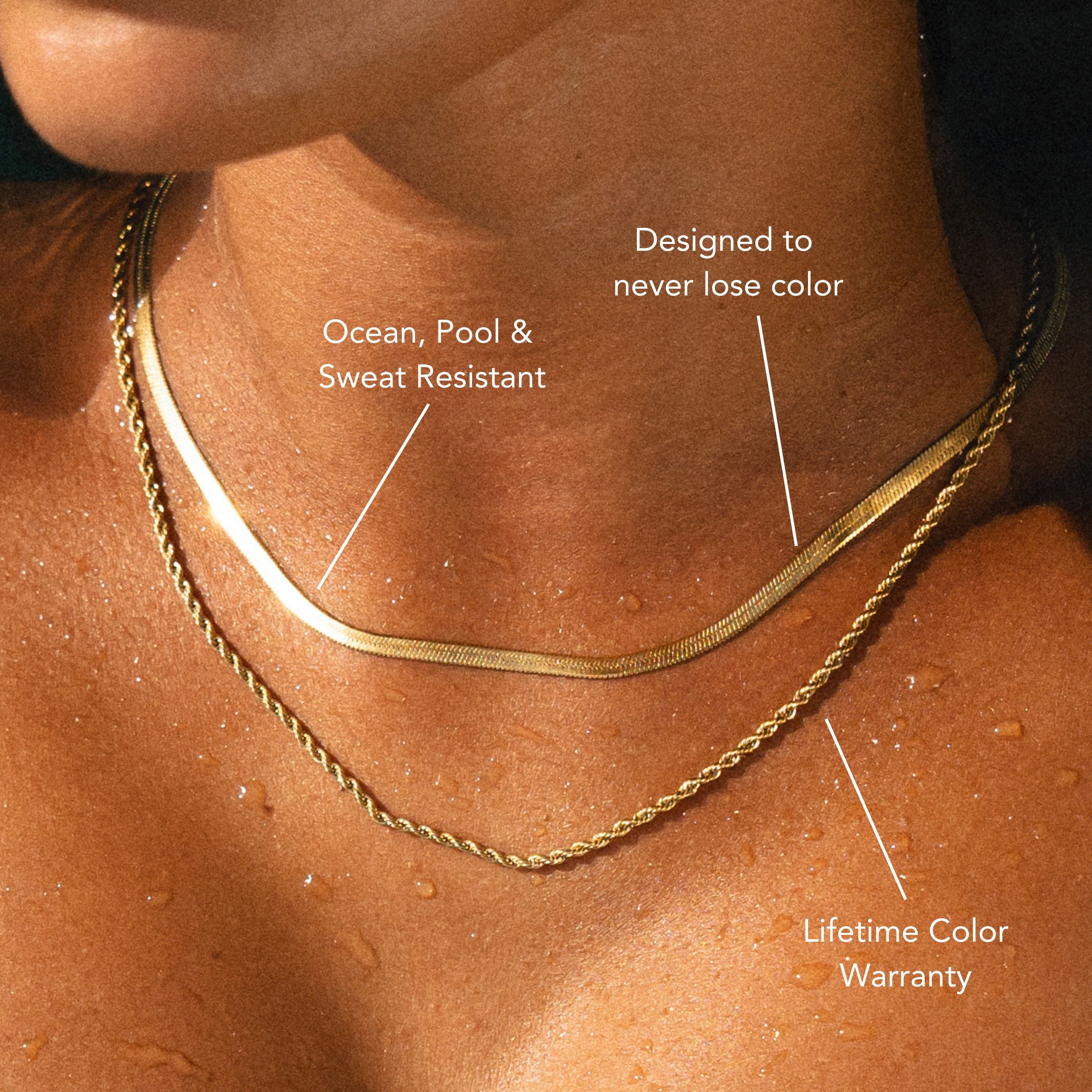
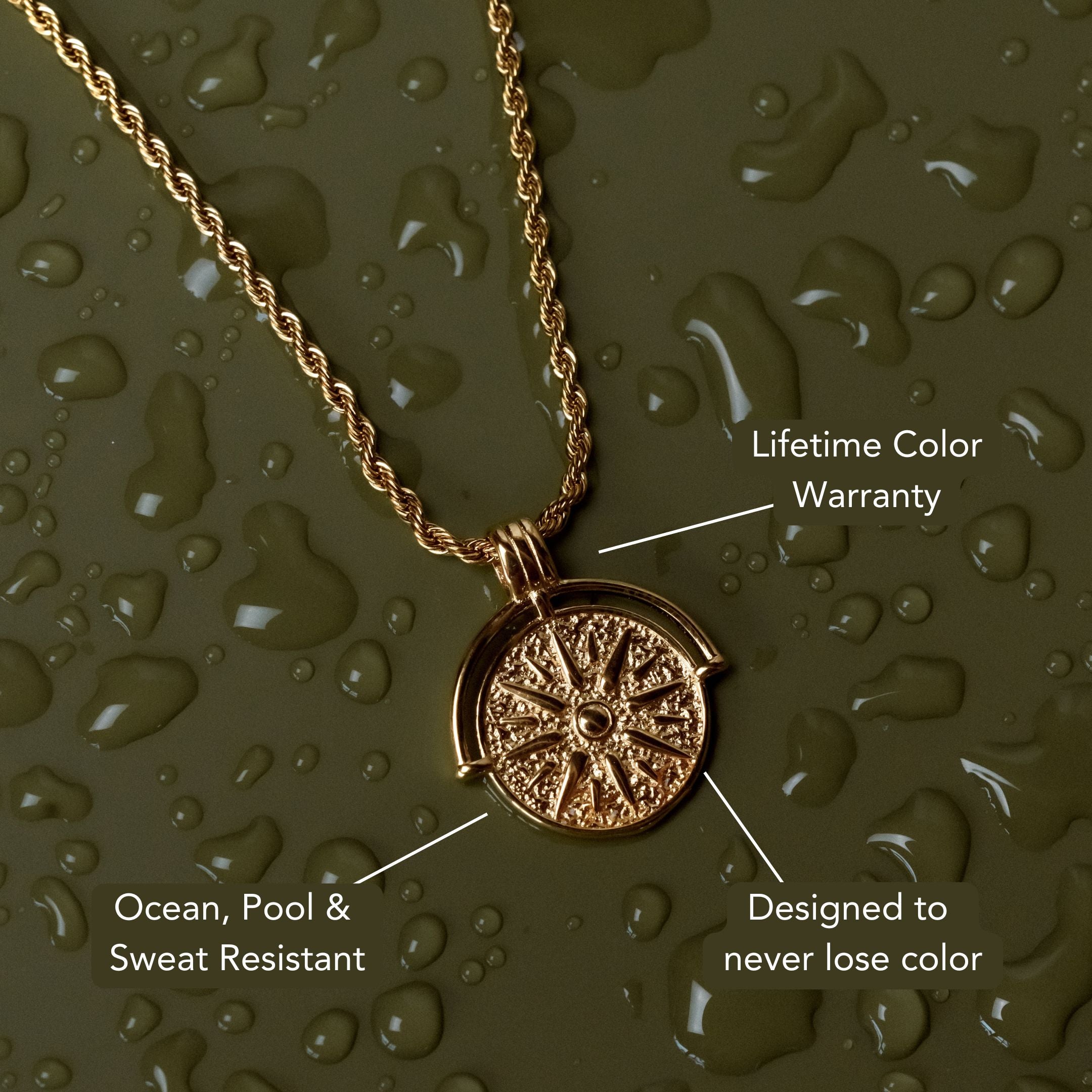
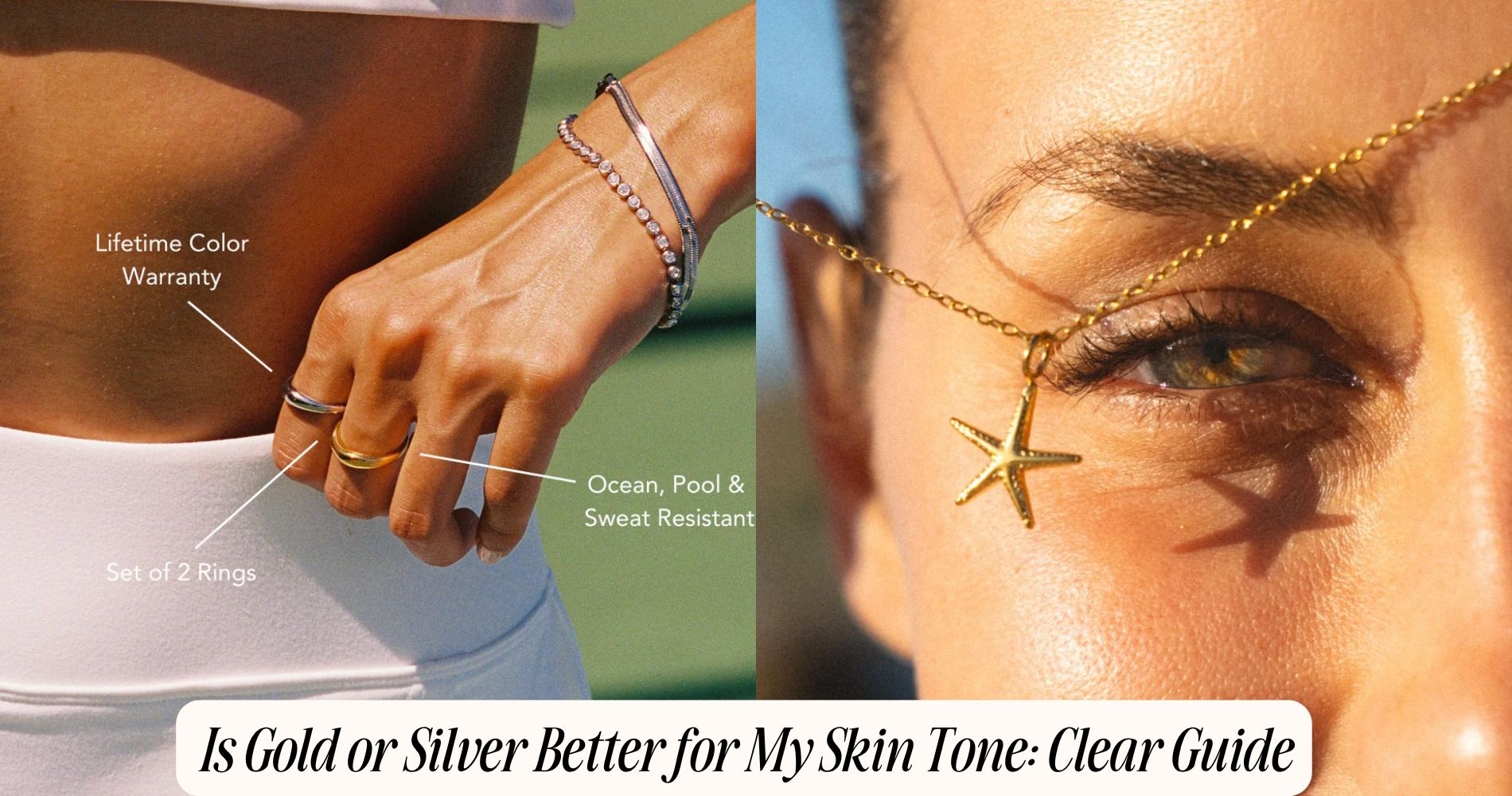
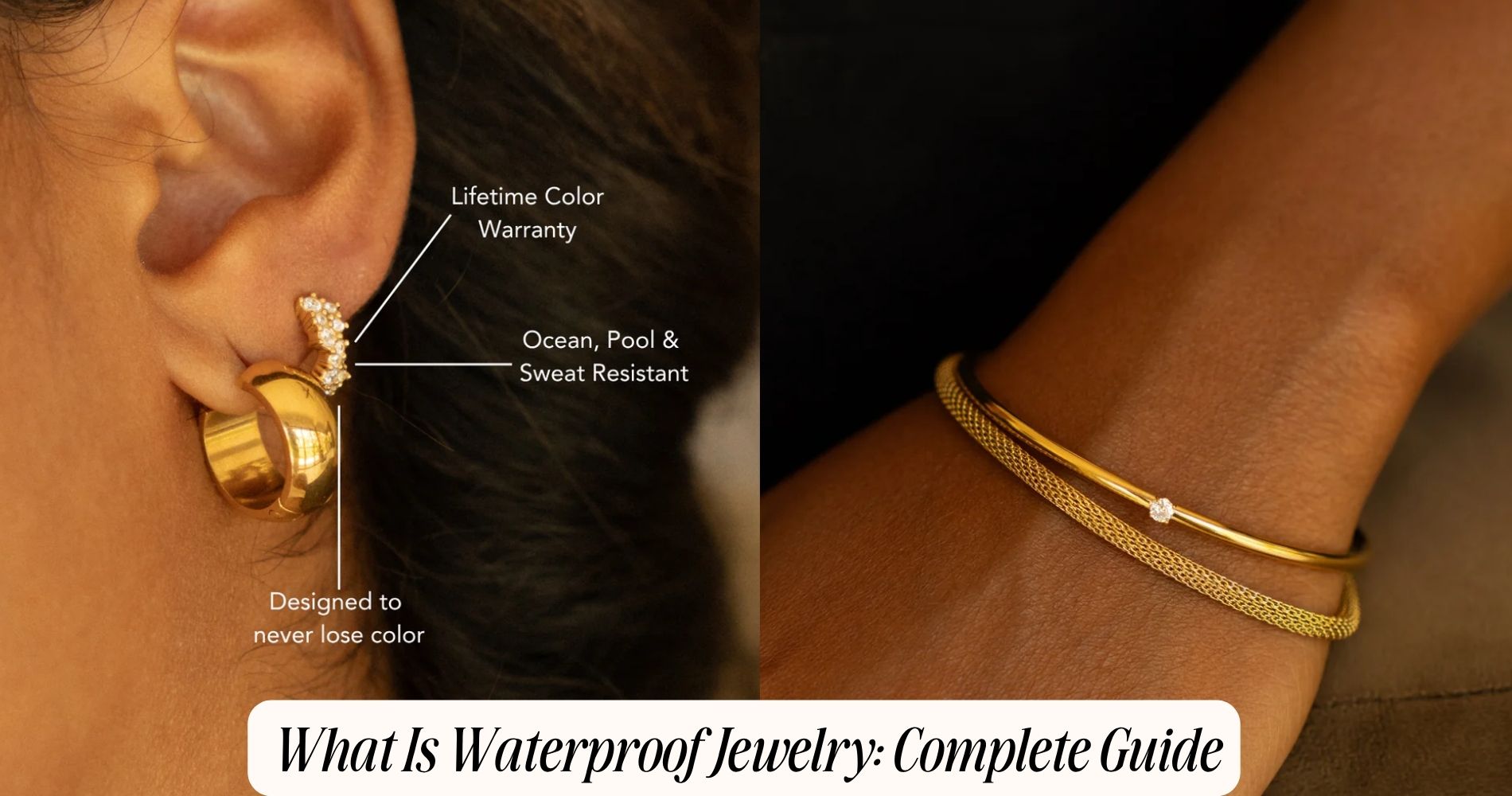
For pieces worn through active days including gym sessions, beach outings, and travel where jewelry is kept on through varied conditions, material durability matters as much as aesthetic combination. PVD-coated stainless steel holds both gold and silver tones consistently through water and sweat exposure, which means mixed-metal combinations look as intended at the end of the day rather than with one tone dulled from tarnishing. ATOLEA's everyday gold jewelry range pairs naturally with silver-tone pieces in the same PVD construction, with a lifetime color warranty ensuring both tones stay consistent through daily wear.

Frequently Asked Questions
Is it okay to mix gold and silver jewelry?
Yes. Mixed-metal styling is widely worn and works consistently when one metal tone leads and the secondary tone repeats in at least two pieces. The combination reads as intentional rather than accidental when those two principles are applied, regardless of the specific pieces used.
What is the rule for mixing gold and silver?
Two principles cover the main rules. First, establish a dominant metal tone that leads the combination, roughly two-thirds of the jewelry. Second, repeat the secondary metal in at least two places so it reads as a deliberate accent rather than a forgotten piece. Following both principles consistently produces mixed-metal combinations that look considered.
How do you layer gold and silver necklaces together?
Keep each chain at a visibly different length, at least two inches apart. Let one metal tone lead with two chains and add the secondary tone at the outermost length. Mixing chain textures across the two tones, a flat chain in one metal and a textured chain in the other, creates both color and textural contrast that strengthens the combination.
Can you wear gold and silver rings on the same hand?
Yes. Ring stacks are one of the most natural contexts for mixed-metal combinations because the small scale makes the ratio easy to adjust. The most coherent approach places two rings in the dominant tone for every one in the secondary tone. Placing the mixed-metal rings on the same finger rather than separated across different fingers creates a tighter, more intentional interaction between the two tones.
Does skin tone affect how you mix gold and silver?
Skin tone depth and undertone affect which metal tone creates harmony versus contrast with your complexion, which in turn affects which tone should typically lead in a mixed-metal combination. Warm undertones and medium to olive skin tones generally suit a gold-dominant mix. Cool undertones and fair to light skin tones often suit a silver-dominant mix with gold accents. Neither is a restriction, just a starting point for deciding which tone leads.
Conclusion
How to mix gold and silver jewelry comes down to two decisions made consistently: which tone leads and where the secondary tone repeats. A two-thirds dominant metal with the secondary tone appearing in at least two pieces creates visual hierarchy and repetition that the eye reads as intentional. Applied across necklaces, rings, and bracelets with comparable visual weight between the two tones, those principles produce mixed-metal combinations that look collected and considered across every outfit and occasion.









Leave a comment
This site is protected by hCaptcha and the hCaptcha Privacy Policy and Terms of Service apply.