

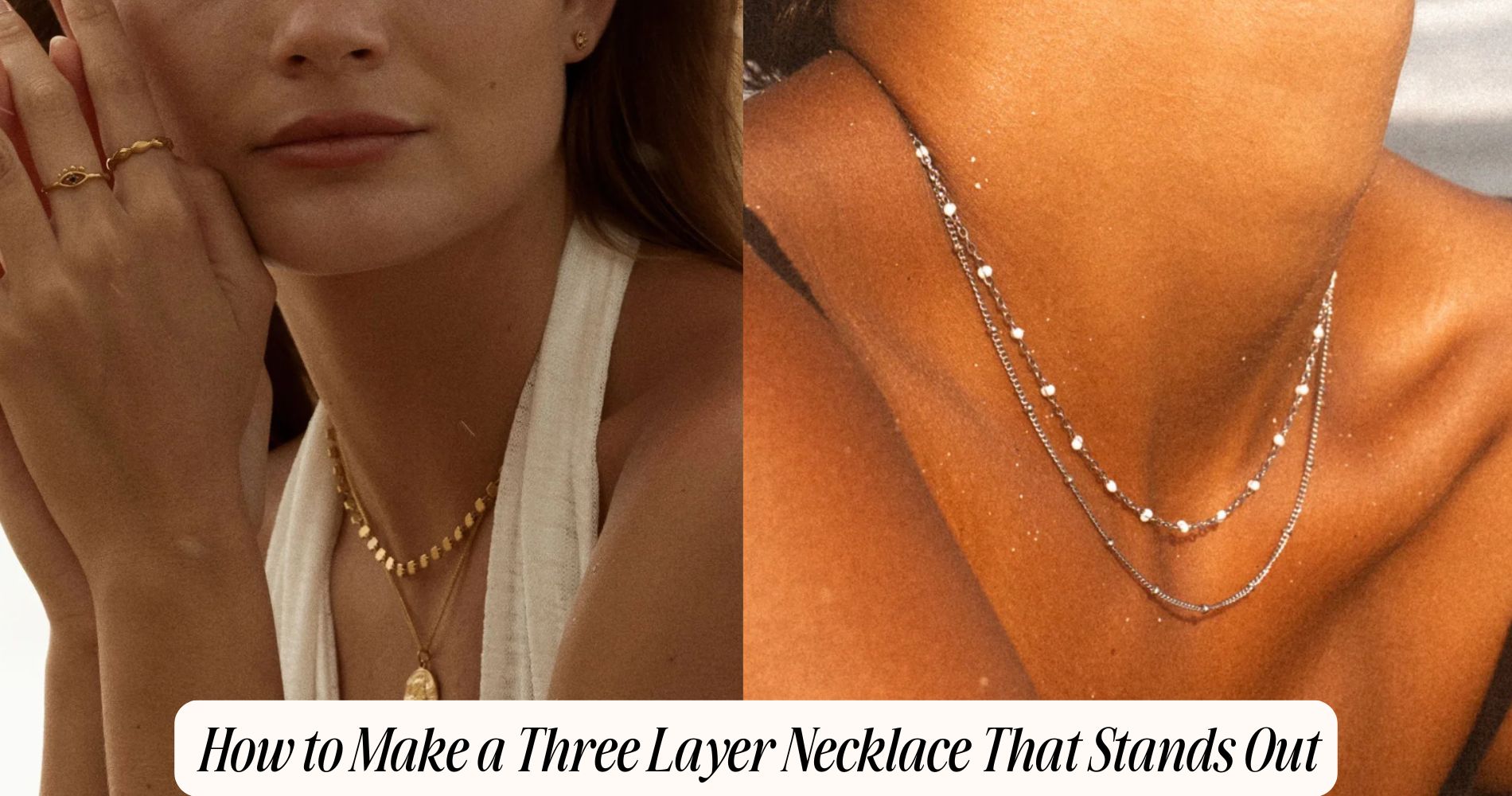
How to Make a Three Layer Necklace That Stands Out
How to make a three layer necklace starts with smart planning. Create three distinct tiers—a collarbone-hugging topper, a midline focal point, and a deeper anchor layer—spacing each strand about 1.5–2 inches apart. Mix chain weights while keeping metal finishes consistent for a smooth, intentional drape. Choose one hero pendant built for everyday wear, then support it with smaller, symbolic charms that share a cohesive color story. With the right lengths to flatter your neckline and face, each layer will feel balanced and effortless.
Planning Your Necklace Layers for Balance and Impact
Before you start stringing beads or choosing chains, map out how each layer will sit so the necklace feels intentional, not cluttered.
Visualize the silhouette first: a near‑collarbone topper, a midline focal point, and a deeper anchor layer. Look at current necklace inspiration and notice spacing—aim for distinct tiers, not overlapping chaos.
Assign each layer a role: delicate, statement, or accent. Decide where the eye should land; that’s your main focal layer.

Sketch proportions or arrange components flat on a neutral surface, adjusting lengths until you see clear layer harmony. Consider necklines you wear most, so the trio frames them cleanly.
Edit ruthlessly—if one element competes too hard, remove or downscale it.
Choosing Chains, Cords, and Materials That Work Together
Once your layer lengths and roles feel clear, start curating the actual materials so they complement each other instead of fighting for attention.
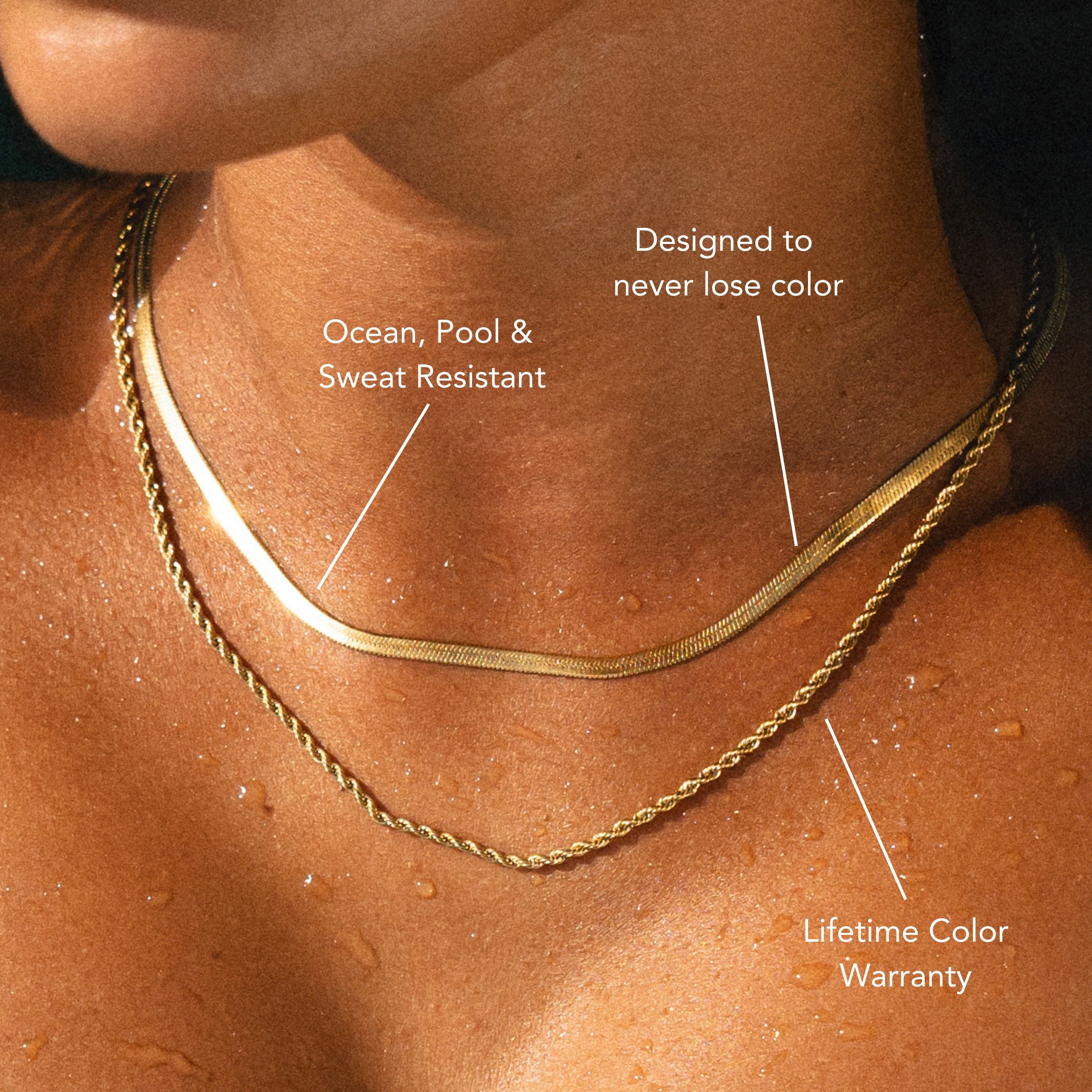
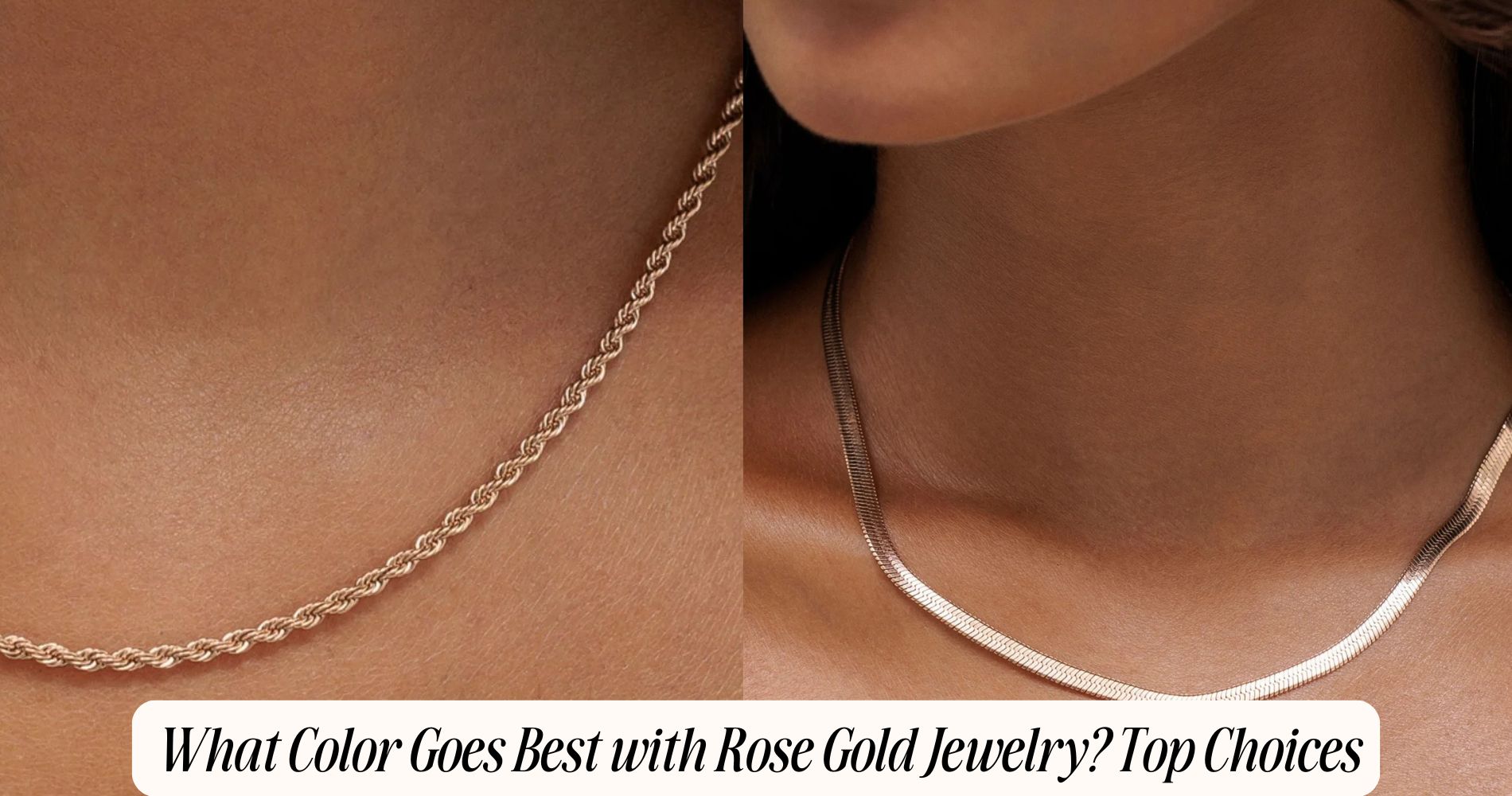
Focus on intentional chain thickness changes: a fine cable or box chain near the collarbone, a medium rope or curb in the middle, and a slightly heavier link or flat herringbone at the base. This staggered weight creates visual rhythm.
Play with material contrast while keeping an overall harmony. You might pair polished gold with a muted silk cord, or mix warm gold-fill with a single oxidized silver layer—both are very current.
Keep finishes consistent (all high-shine or all brushed) so the look feels deliberate.
Finally, check that every strand drapes smoothly without twisting or visually overwhelming the others.
Picking Pendants and Charms That Tell a Cohesive Story
Although your chains set the structure, the pendants and charms are what give a three-layer necklace its narrative and personality.
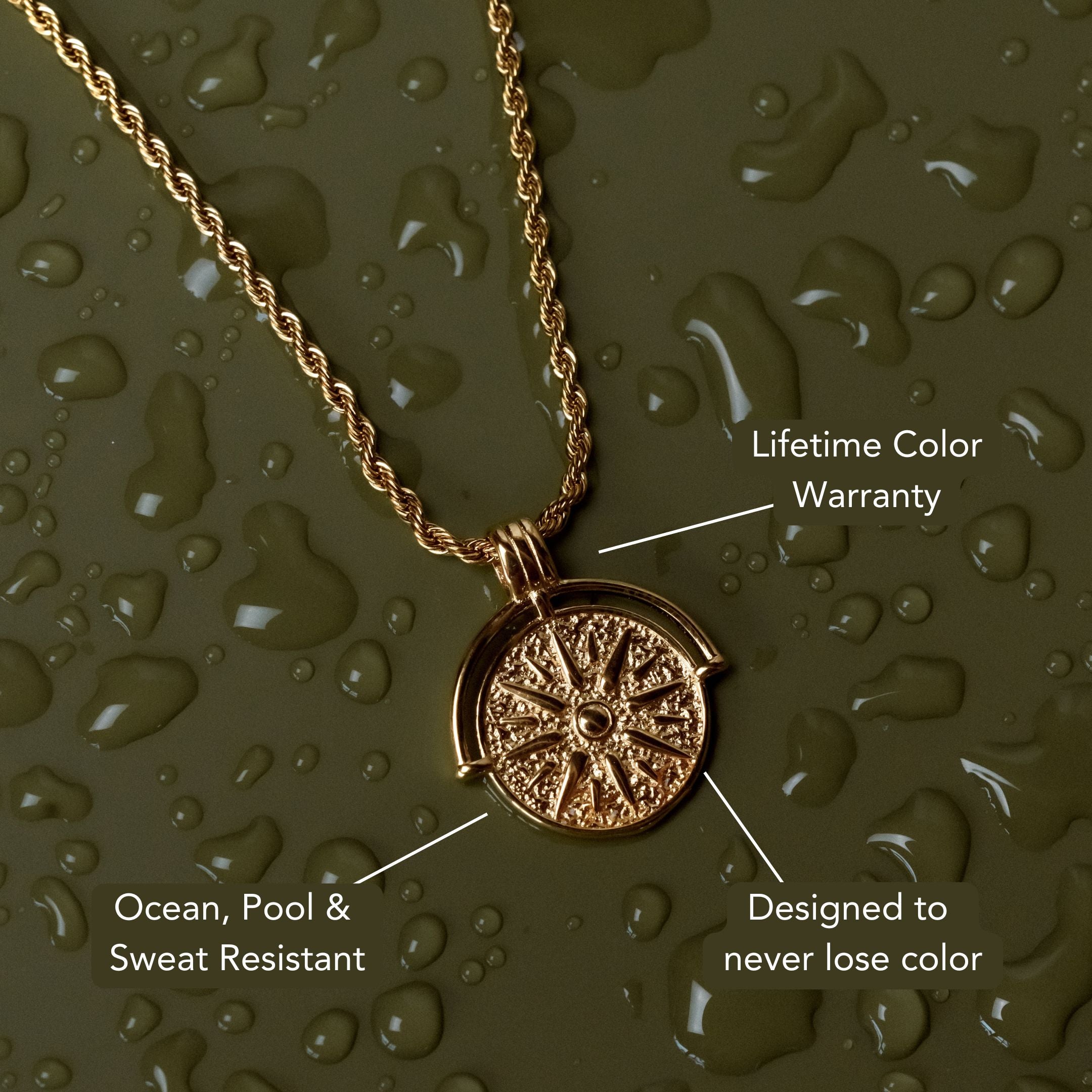
Start by defining the story: are you channeling travel, protection, romance, or minimal luxury? Choose one hero pendant, then support it with smaller charms that echo its symbolic meanings—think an evil eye paired with a tiny moon and star, or a birthstone anchored by an initial tag.
Pay close attention to color coordination. Let metals match or deliberately contrast: all gold for cohesion, or mixed metals repeated across layers for a curated look.
Pull in enamel, stones, or glass that echo your wardrobe palette. Vary shapes—coin, bar, teardrop—while repeating one motif to keep the visual storyline tight.
Measuring and Spacing Each Layer for a Flattering Fit
Your pendants tell the story; the way you measure and space each chain decides how clearly that story reads on your neckline.
Start by choosing layer lengths that echo current styling: think a short collarbone-grazing chain, a mid-length piece, and a longer drop. Aim for about 1.5–2 inches between each layer so pendants don’t clash or tangle.

Stand in front of a mirror and mark where each pendant should sit, considering your face shape, neck length, and usual necklines. A slightly shorter top layer brightens your face; a deeper third layer adds vertical emphasis.
Keep visual balance in mind: if one pendant is bold, let neighboring layers sit a touch farther apart so every detail feels intentional.
Assembling Your Three Layer Necklace Step by Step
Three simple stages—laying out, connecting, and refining—turn your measured strands into a polished three-layer necklace that looks intentionally styled, not cobbled together.
Start by arranging each strand on a flat surface in order of layer length, shortest on top, longest on the bottom, checking that focal points don’t visually compete.
Next, attach jump rings to each strand’s ends, then choose clasp options that match your aesthetic: a single multi-strand clasp for a sleek, modern finish, or separate clasps if you want modular styling later.
Secure each strand to the clasp, keeping twists out.
Finally, refine: align chains so they drape cleanly, trim excess wire, close gaps, and confirm the layers fall in a smooth, balanced cascade.
Styling and Caring for Your Necklace So It Always Looks Fresh
Once you’ve finished crafting your necklace, the way you style and maintain it determines whether it looks designer-level or quickly dated.
Layer it over a high neckline for clean contrast, or frame it with a deep V so each strand arcs perfectly. Keep metals consistent with your earrings for a polished, editorial feel, or mix finishes intentionally—one focal metal, two supporting.
Use gentle cleaning techniques: wipe each layer with a soft, lint‑free cloth after wearing, and occasionally wash with mild soap and lukewarm water, then dry completely.

For storage tips, hang the necklace vertically or secure each strand with a tiny clasp or jewelry tab to prevent tangling. Store it in a fabric‑lined box, away from humidity and direct sunlight.
Frequently Asked Questions
Can I Turn an Existing Single Necklace Into a Three-Layer Piece?
You can absolutely turn one chain into three. Use smart necklace transformation tricks: add two graduated extenders, clip on delicate chains, then apply precise layering techniques—vary lengths, textures, and metals—for a sculpted, editorial three-tier silhouette.
How Do I Price a Handmade Three-Layer Necklace for Sale?
You price it by starting with a precise cost breakdown of materials, time, and overhead, then apply a 2–3x markup as your core pricing strategy, adjusting for uniqueness, brand aesthetic, and current jewelry trends.
What Tools Are Essential for Beginners Making Layered Necklaces?
You’ll rely on round-nose and chain-nose pliers, flush cutters, a bead mat for curated bead selection, calipers or ruler, crimping tool, jump-ring opener, and neck form to balance chain types, lengths, and modern layered proportions.
How Can I Adapt Three-Layer Designs for Sensitive or Allergic Skin?
You adapt three-layer designs by prioritizing sensitive materials: choose hypoallergenic options like titanium, niobium, or 14k+ gold, add silk or organza ribbon ties, seal raw brass, avoid nickel-plated findings, and keep contact surfaces ultra-smooth and lightweight.
Are There Cultural or Symbolic Considerations When Layering Certain Pendants Together?
You should research each pendant’s cultural significance and symbolic meanings before layering. Avoid mixing sacred icons casually, respect religious motifs’ placement, and balance trendy evil-eye, zodiac, or talisman pieces so the overall story feels intentional, not appropriative.
Conclusion
You’ve mapped out your layers, mixed materials, and chosen pendants with intention, so now it’s time to wear your necklace like a signature. Let each tier frame your face, echo your outfit, and highlight your personal style. Don’t be afraid to tweak the spacing, swap charms, or stack it with other pieces as trends evolve. When you care for it thoughtfully, your three-layer necklace will always look curated, modern, and effortlessly striking.









Leave a comment
This site is protected by hCaptcha and the hCaptcha Privacy Policy and Terms of Service apply.