

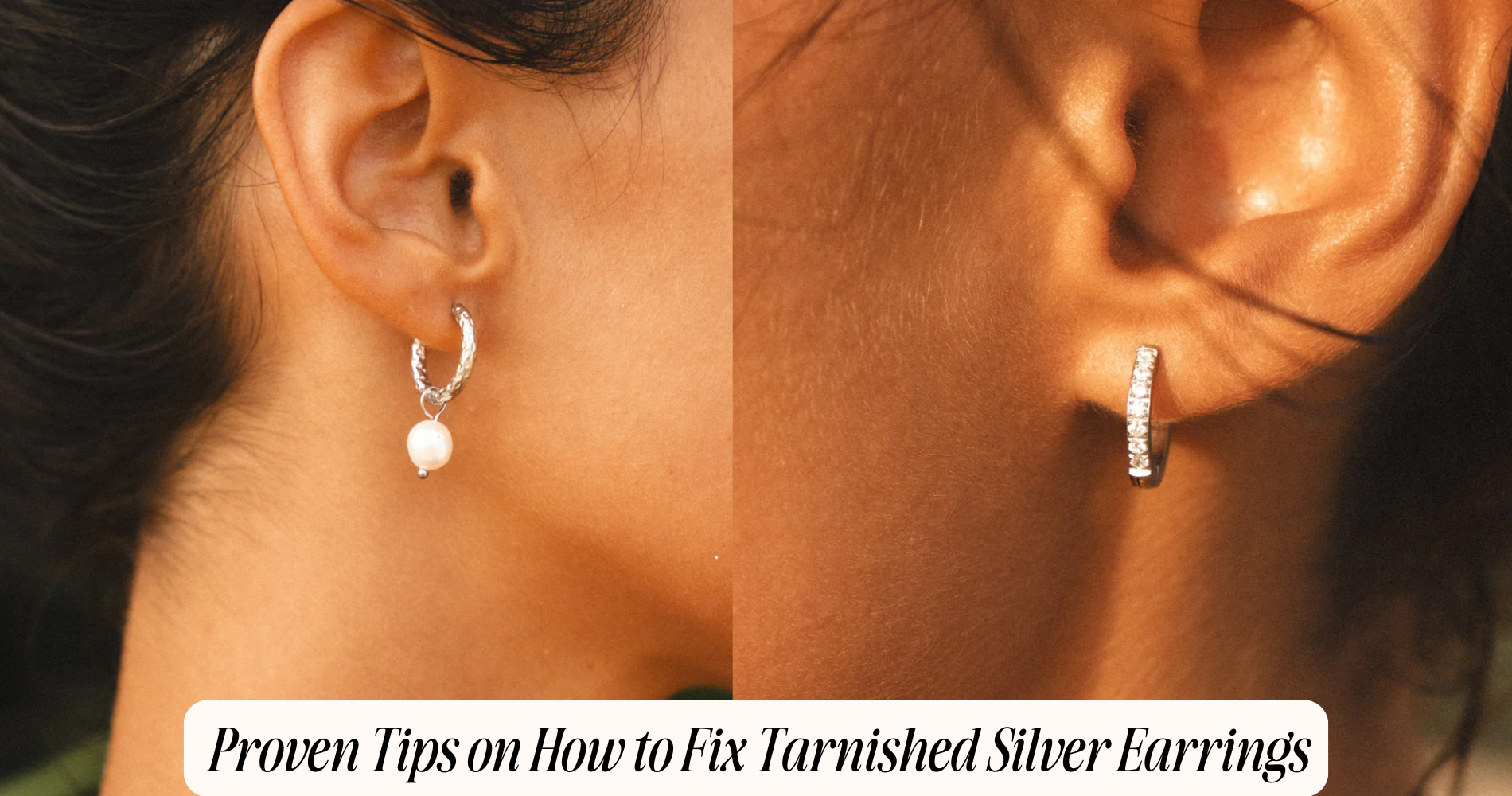
Proven Tips on How to Fix Tarnished Silver Earrings
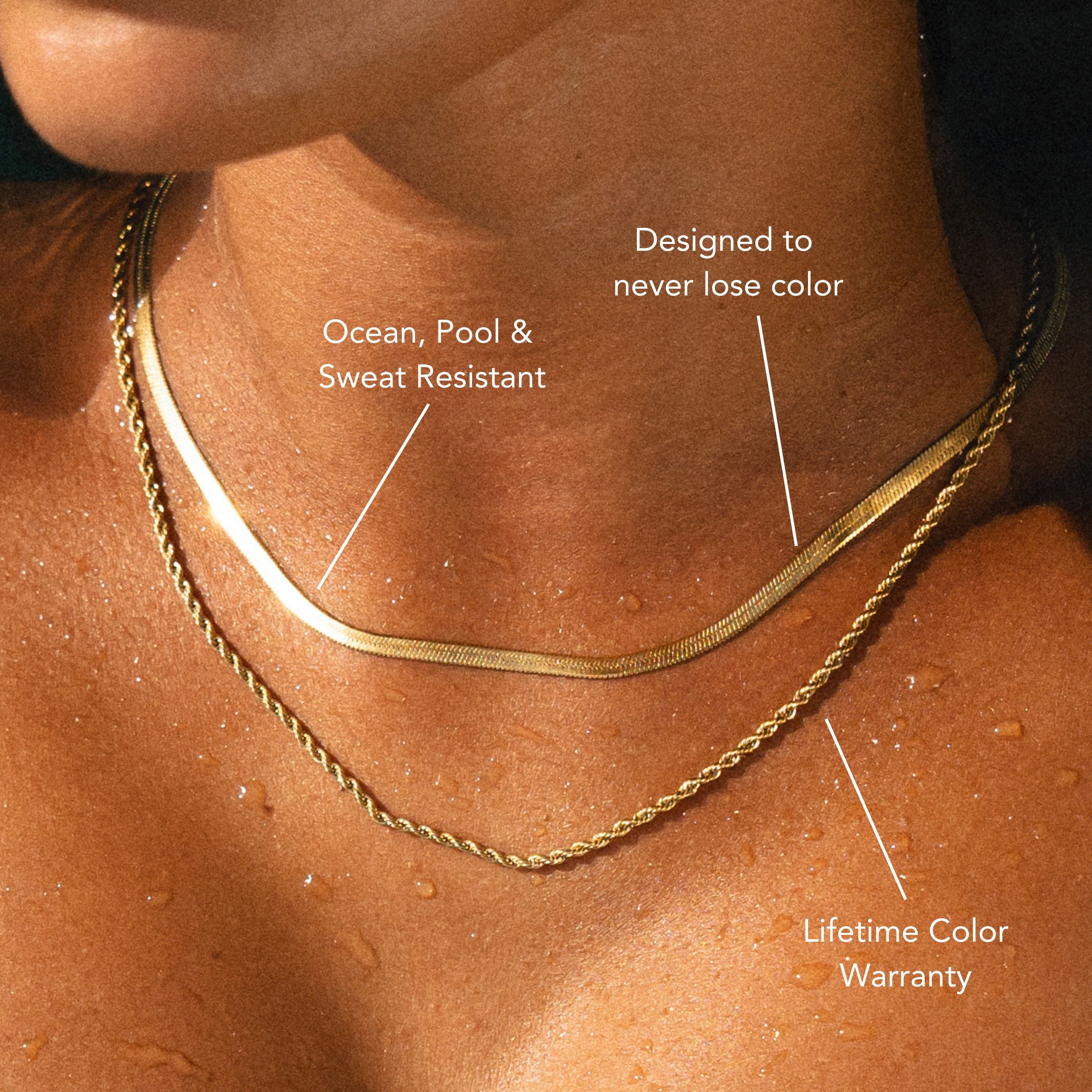
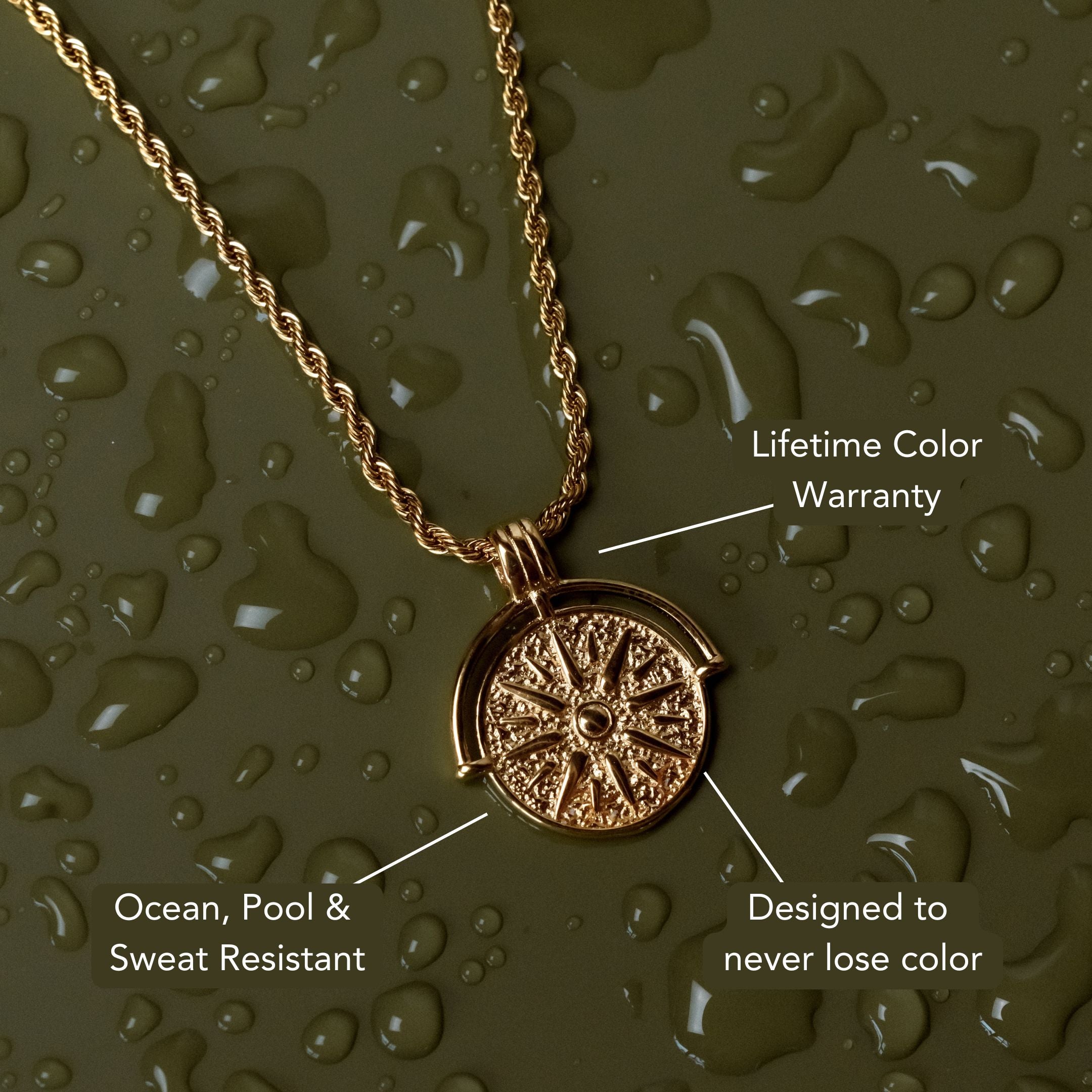
How to fix tarnished silver earrings? To fix tarnished silver earrings, first confirm they’re real silver by checking hallmarks like “925” and making sure they’re non-magnetic. For light tarnish, gently wipe with a microfiber cloth, then clean using mild dish soap and water, finishing with a silver-polishing cloth. Heavier tarnish may require silver-safe solutions or professional polishing—especially for stone-set pieces. To minimize future tarnish, opt for low-maintenance options like Waterproof Earrings, which are designed to resist moisture and everyday exposure. Always avoid harsh chemicals, chlorine, and abrasive scrubbing. From here, you can explore safe household cleaning methods and long-term care tips.
Understanding What Causes Silver Earrings to Tarnish
Although silver looks stable, your earrings tarnish because the metal reacts with compounds in the air and on your skin, forming a dark surface layer called silver sulfide. You’re not seeing dirt; you’re seeing a surface chemical reaction.
Core tarnish causes include sulfur-containing gases, humidity, sweat, cosmetics, and household cleaners that leave reactive residues.
Pure silver oxidizes slowly, but most earrings use sterling silver (92.5% silver, 7.5% copper), which increases silver oxidation and corrosion.
Copper reacts with oxygen, moisture, and skin acids, accelerating discoloration. Chlorine from pools and certain detergents can pit the metal, creating rough areas that trap more contaminants.

How to Tell If Your Silver Earrings Are Real Before Cleaning
Before you apply any cleaner, you need to verify that your earrings are actually silver, because the wrong method can damage plated or base metals. Start by checking for hallmarks: “925,” “Sterling,” or “Ster” usually indicate sterling silver. Use a magnifier to inspect edges; uneven color or flaking suggests plating.
To assess silver authenticity further, rely on simple, non-destructive testing methods. A strong magnet shouldn’t attract genuine silver, though clasps or posts may contain small steel components.
Weigh similar-sized pieces; solid silver feels denser than aluminum or hollow costume alloys. For higher certainty, use a reputable jeweler’s acid test or an XRF (X-ray fluorescence) test. Avoid filing or deep scratching at home, since that can permanently mar the earrings.
Gentle Everyday Cleaning Methods for Light Tarnish
Once you’ve confirmed your earrings are real silver, start with the least aggressive cleaning methods to preserve the metal and any stones.
For daily maintenance, first wash your hands to remove oils. Then wipe each earring with a clean, dry, lint‑free microfiber cloth, supporting posts and hinges so you don’t bend them. Use small, controlled strokes, following the metal’s contours.

For light tarnish, slightly dampen a corner of the cloth with lukewarm water and a drop of mild, dye‑free dish soap. Gently clean the surface, keeping moisture away from glued components and porous stones.
Rinse by wiping with a separate cloth lightly moistened with plain water, then dry thoroughly.
Finish with gentle polishing using a designated silver-polishing cloth only.
Deeper Cleaning Techniques for Heavily Tarnished Silver Earrings
When light cleaning no longer lifts the dark, uneven discoloration, you’ll need more targeted methods that break down heavier tarnish without stripping metal or loosening settings.
Start by inspecting each earring under bright light for stones, glued components, and micro-cracks. If they’re structurally sound and not porous (no pearls, opals, or turquoise), you can use an ultrasonic cleaner according to the manufacturer’s instructions, limiting cycle time and using only silver‑safe solutions.
After ultrasonic treatment, rinse thoroughly in lukewarm water and pat dry with a lint‑free cloth.
Then refine the surface with a high‑quality silver polishing cloth, working in straight, controlled strokes. Avoid aggressive pressure around prongs and hinges to prevent metal fatigue, misalignment, or loss of stones.
Safe At‑Home Remedies Using Common Household Ingredients
Although commercial silver cleaners work well, you can safely reduce everyday tarnish on earrings with a few controlled methods that use basic pantry items—provided you understand their limits and risks.
Always confirm your earrings are genuine silver, not plated base metal, because aggressive reactions can strip thin coatings.

To lift light tarnish, make a paste with baking soda and water. Apply it with a soft cloth or cotton swab, using light pressure only, then rinse thoroughly and dry immediately to prevent spotting.
You can also prepare a mild vinegar solution by mixing equal parts white vinegar and water. Briefly soak the silver (a few minutes), then rinse and dry.
Don’t extend soak times, and never mix vinegar with bleach or other cleaners.
Protecting Gemstones and Delicate Details While You Clean
Because gemstones and intricate metalwork can react very differently from plain silver, you need to identify what’s on your earrings before you clean them.
For safe gemstone care, confirm whether stones are porous (opal, turquoise, pearl), heat‑sensitive (emerald, tanzanite), or fracture‑filled. Never submerge these in hot water, baking soda solutions, or ammonia.
Use delicate cleaning methods: a soft, non‑abrasive cloth or baby‑soft brush, barely dampened with plain water or a mild, jewelry‑safe soap.
Work around prongs, pavé settings, and filigree instead of across them to avoid loosening stones or thinning metal.
Keep commercial silver dips, ultrasonic cleaners, and harsh abrasives away from glued‑in stones and oxidized detailing, which can dissolve adhesives, strip finishes, or etch softer gems.
Long-Term Care Tips to Keep Silver Earrings Shiny and Tarnish-Free
Over time, silver earrings tarnish less if you control their exposure to air, moisture, and chemicals instead of relying on frequent deep cleanings.
As preventive measures, always remove earrings before showering, swimming, exercising, or applying hairspray, perfume, or lotions; these introduce sulfur, salt, and acids that accelerate tarnish and pitting.
Use airtight storage solutions: keep earrings in individual anti-tarnish zip bags or lined boxes, minimizing friction that can cause micro-scratches.
Add silica gel or anti-tarnish strips to absorb humidity and reactive gases. Store silver away from rubber bands, newspaper, and wool, which off-gas sulfur compounds.
Inspect your earrings regularly.
When you see a light yellow cast, perform a gentle maintenance polish rather than waiting for heavy black tarnish.
Frequently Asked Questions
Can Professional Jewelers Restore Severely Damaged or Pitted Silver Earrings?
Yes, professionals can often restore severely damaged or pitted silver earrings. You consult a jeweler who evaluates metal loss, then applies jeweler techniques like laser welding, filling, and precision polishing within a controlled, safety-conscious restoration process.
Is It Safe to Wear Tarnished Silver Earrings With Newly Pierced Ears?
It isn’t safe; tarnish effects can irritate newly pierced skin and introduce contaminants. For earring safety, you should use sterile, nickel‑free, non‑tarnished studs—ideally implant‑grade titanium or surgical stainless steel—until the piercings fully heal.
How Does Silver-Plated Jewelry Cleaning Differ From Solid Sterling Silver Care?
You clean silver‑plated jewelry more gently than solid sterling. You avoid abrasives, limit chemical dips, and polish lightly. For sterling, you can use stronger cleaning techniques, more frequent polishing, and anti-tarnish maintenance tips without risking base-metal exposure.
Are There Hypoallergenic Silver Options for People Sensitive to Tarnish or Alloys?
You can choose hypoallergenic metals like argentium silver, fine silver, or surgical-grade titanium. These reduce nickel exposure and help tarnish prevention. You’ll still store pieces dry, avoid harsh chemicals, and clean gently to maintain surface integrity.
What Should I Do if My Silver Earring Backing Is Stuck in Place?
You gently twist and pull for backing removal; if it won’t move, don’t force it. Soak the earring in warm soapy water, dry thoroughly, then attempt again. For persistent sticking or pain, seek professional earring maintenance.
Conclusion
Now you know what tarnish is, how to confirm your earrings are genuine silver, and how to match the cleaning method to the level of discoloration. Use mild agents first, reserve stronger methods for heavy tarnish, and always shield gemstones and delicate details. Rinse thoroughly, dry completely, and store pieces in low‑humidity, low‑sulfur conditions. If you’re unsure about a stone or setting, stop and let a professional jeweler handle the cleaning.










Leave a comment
This site is protected by hCaptcha and the hCaptcha Privacy Policy and Terms of Service apply.