

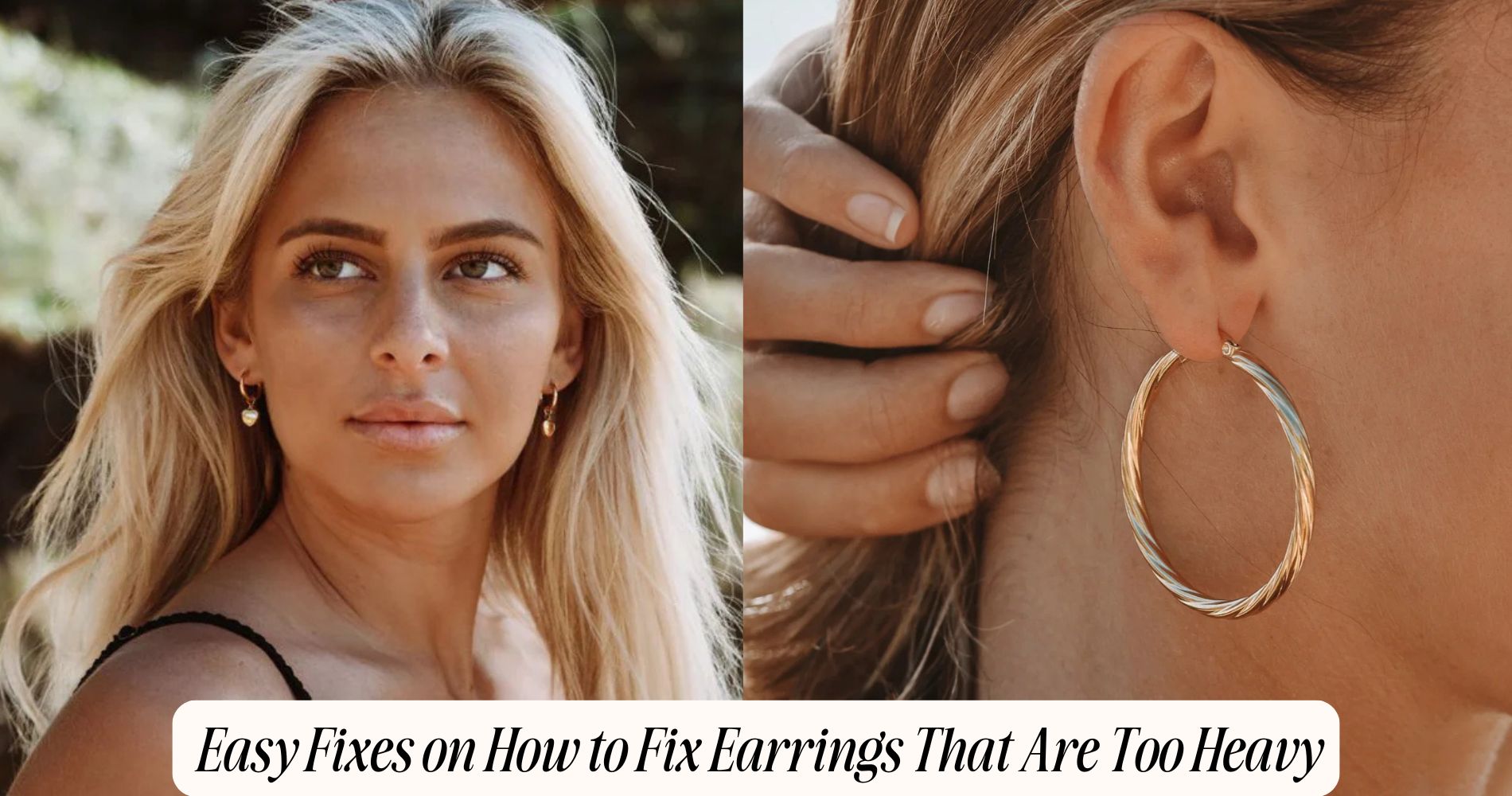
Easy Fixes on How to Fix Earrings That Are Too Heavy
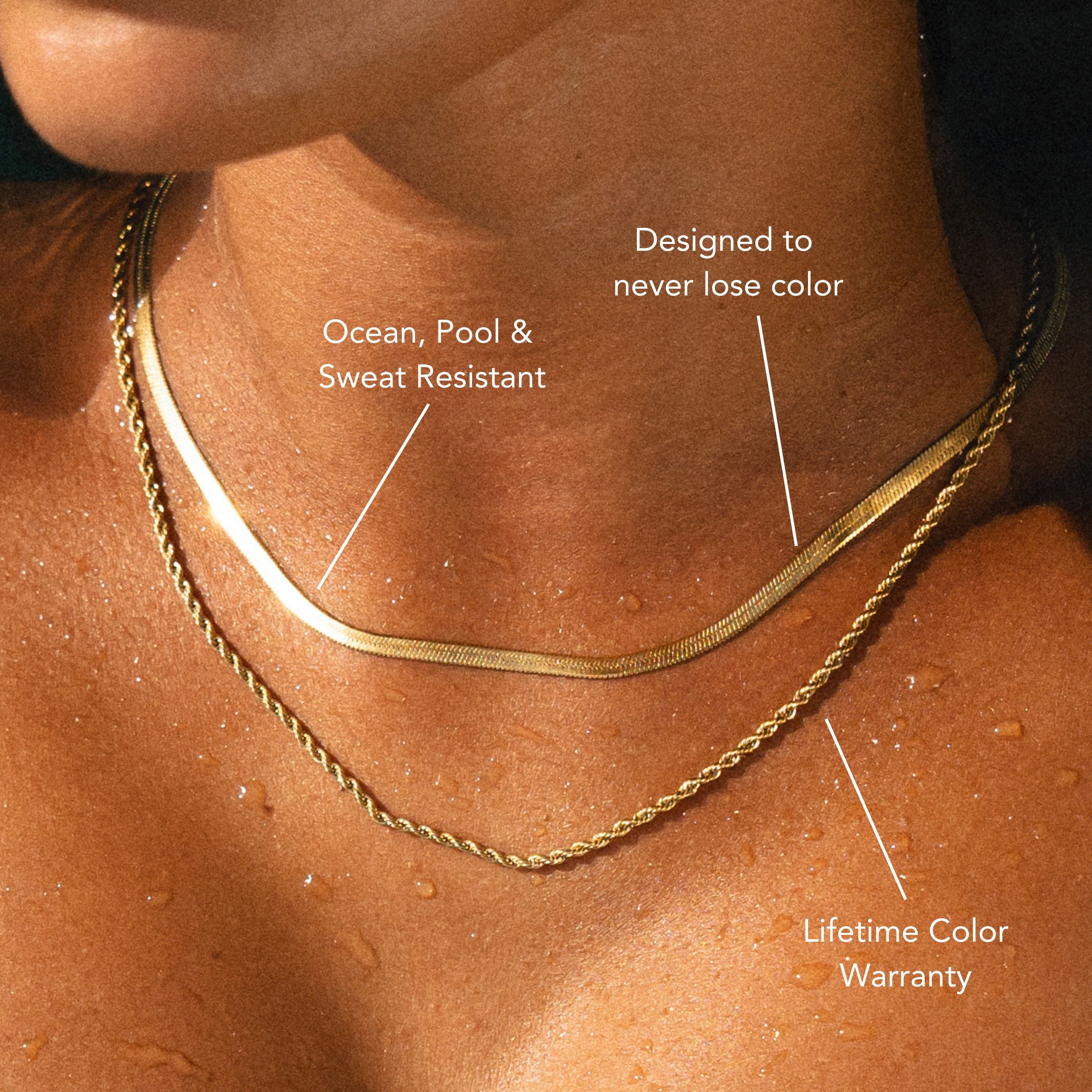
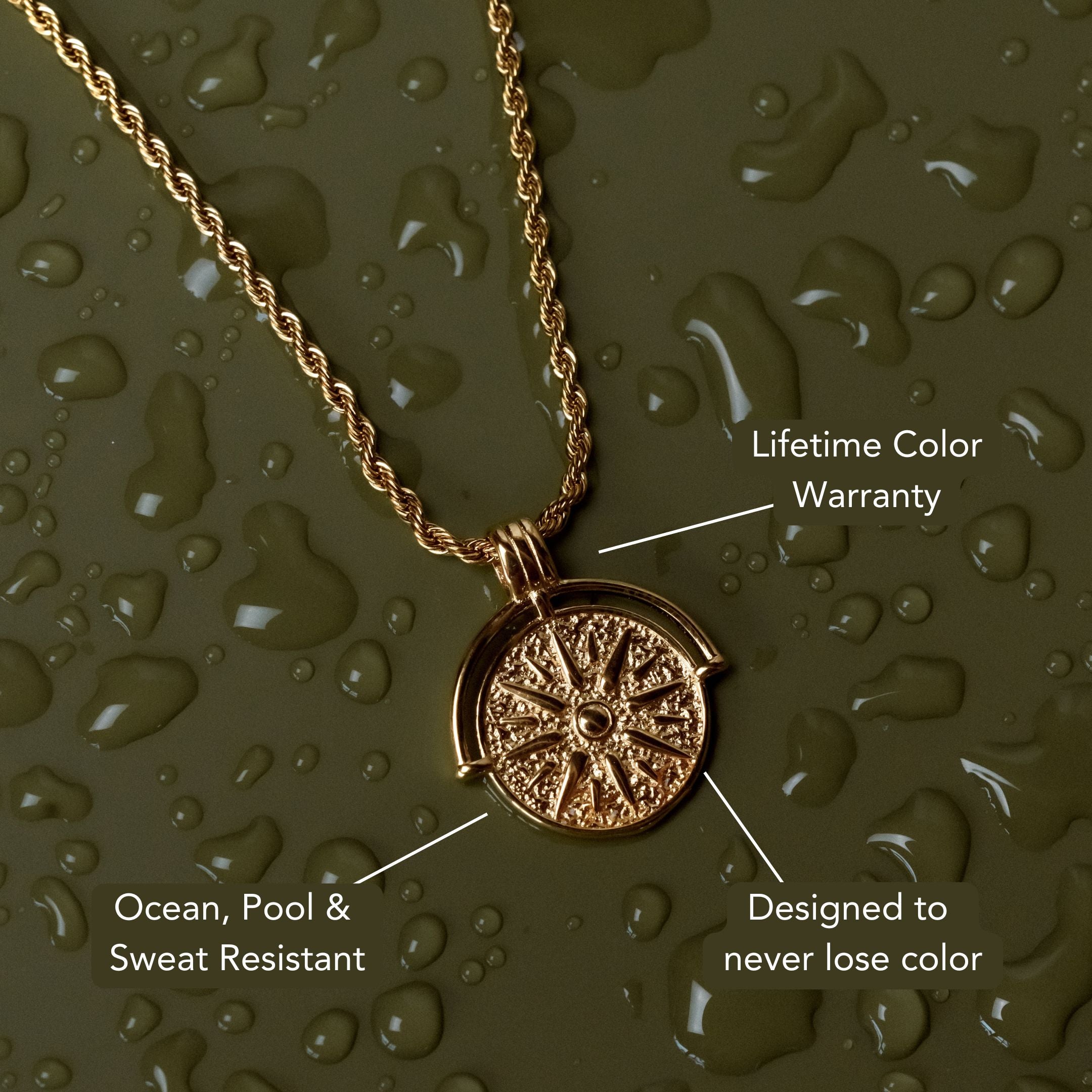
Wondering how to fix earrings that are too heavy? You can make them more comfortable by switching to larger comfort clutch backs that distribute weight evenly and using lobe support patches or stabilizer discs behind the piercing. Lightening the design—by removing extra charms or shortening long drops—also helps reduce strain. Choosing lightweight materials, such as titanium or waterproof earrings instead of dense metals, and avoiding all-day wear can protect your earlobes long term. There are also a few more simple techniques worth trying.
Understanding the Risks of Heavy Earrings
Although heavy earrings can look striking, they place continuous stress on delicate ear tissue and can create more problems than most people realize.
You’re dealing with living tissue, not just a fashion accessory, so it’s essential to respect basic earlobe anatomy. The earlobe is mostly skin and fat, with limited structural support. When you overload it, poor weight distribution causes the piercing hole to elongate, tilt downward, and eventually tear.

You may notice thinning skin, redness, or a slit-like hole that makes earrings hang crookedly. Chronic traction can create permanent deformity and sometimes numbness if small nerves stretch.
Ignoring these signs raises your risk of full tears that require surgical repair, scarring, and limits on future piercing options.
Swapping to Supportive Earring Backs
Because heavy earrings concentrate force on a tiny area of your earlobe, one of the simplest ways to protect your ears is to switch to more supportive earring backs.
By increasing the surface area behind the lobe, supportive backs distribute earring weight more evenly and reduce downward pull on the piercing.
Choose larger, flat “disc” or “comfort clutch” backs instead of tiny butterfly backs.
These create a stable base and help keep the post centered in your piercing hole. For very heavy pieces, consider wide, medical-grade stainless steel or titanium backs to limit irritation and provide better structural support.
Always secure backs snugly but not painfully tight.
If you feel throbbing, numbness, or sharp pressure, remove the earrings and reassess the fit.
Using Lobe Support Patches and Stabilizers
If supportive backs alone don’t keep your heavy earrings upright or comfortable, you can add lobe support patches and stabilizers for extra reinforcement.
These products distribute weight across a wider area, improving lobe support and reducing strain on the piercing hole.
Choose medical‑grade, hypoallergenic adhesive patches designed for ears. Clean and dry your earlobe thoroughly, then apply the patch directly behind the piercing, smoothing out any wrinkles so it adheres evenly.
Insert the earring post through both lobe and patch, then secure the backing.
If you use clip‑on stabilizers or plastic discs, position them between the earlobe and the earring back, ensuring they sit flat.
Remove patches gently, supporting the skin, and discontinue use if you notice irritation.
Reinforcing Stretched or Thinning Earlobes
When your earlobes have stretched or thinned from years of heavy earrings, it’s important to reinforce them before the damage worsens.
Start with consistent earlobe care: gently cleanse the area daily, pat dry, and apply a light, non‑comedogenic moisturizer to maintain skin elasticity. Avoid sleeping in earrings and temporarily pause wearing heavy styles while tissue recovers.
Use medical‑grade silicone or hypoallergenic tape behind the lobe to distribute weight more evenly and limit further stretching. Inspect piercings regularly for redness, tearing, or elongation; discontinue wear and seek professional guidance if you see changes.
As part of your earring maintenance routine, choose posts that fit smoothly through the hole and secure backs without pinching, so you support the lobe rather than stressing it.
Lightening the Design of Your Existing Earrings
Protecting your earlobes also means reducing how much weight they carry, so you’ll want to modify heavy pieces rather than stop wearing them altogether.
Start by evaluating design materials: dense metals, glass, and stone usually weigh more than aluminum, resin, acrylic, or wood. A jeweler can replace heavy components with lighter equivalents while preserving the overall look.
Next, simplify weighty earring styles. Remove unnecessary charms, chains, or large back plates that add strain but not much visual impact.

Ask a professional to shorten long drops or reduce oversized pendants to smaller, balanced shapes.
Always confirm that solders, jump rings, and posts remain structurally sound after changes. Your goal is a lighter, stable earring that feels secure, not fragile or over-modified.
Converting Heavy Dangles Into Clip-Ons
Although pierced earrings are popular, converting heavy dangle styles into clip-ons can greatly reduce strain on your earlobes by redistributing the weight across a broader surface.
For a safe clip on conversion, remove the existing hook or post with precision pliers, cutting as close to the connection point as possible without damaging decorative elements.
Next, perform a careful dangle adjustment. Align the earring’s center of gravity with the clip-on pad so the piece hangs vertically and doesn’t torque your lobe. Use small jump rings to reattach components, fully closing each ring to prevent snagging.
Choose screw-back or hinged clip-on findings with wide, cushioned pads. Test the tension gradually so the clips feel secure but not painful during normal head movement.
Choosing Safer Materials and Lightweight Alternatives
Even before you adjust hardware or backing styles, you can reduce earlobe strain by choosing safer metals and lightweight constructions that minimize total load on the tissue.
Prioritize lightweight materials such as titanium, medical‑grade plastic, wood, or high‑quality acrylics rather than dense metals or glass. These considerably cut overall weight while maintaining visual impact.
Select hypoallergenic options—titanium, niobium, and surgical‑grade stainless steel—to lower the risk of contact dermatitis, which can worsen swelling and stretching.
Avoid unknown metal alloys and nickel‑heavy bases, especially if you already experience redness or itching.
When retrofitting existing pieces, ask a jeweler to replace heavy hooks, posts, or decorative components with lighter equivalents, ensuring secure soldering or attachment so the new parts don’t introduce mechanical weak points.
Wearing Heavy Earrings Strategically and Sparingly
When you decide to wear heavy earrings, treat them as occasional statement pieces rather than everyday accessories to limit cumulative stress on your earlobes.
Rotate them with lightweight options so your tissue has recovery time and doesn’t stretch progressively.

Plan your earring styling around shorter wear intervals. Use heavy designs for limited events—such as a dinner or photoshoot—rather than all-day use.
Prioritize earring balance: counter heavy drops with supportive backs, lobe cushions, or stabilizing patches to distribute weight more evenly.
Avoid pairing heavy earrings with high-movement activities, tight headsets, or scarves that can tug.
Put heavy earrings on last, after hair and makeup, and remove them first when you get home. This strategy reduces mechanical pull and protects your piercings long term.
When to Seek Professional Repair or Medical Help
If your earlobe shows tearing, persistent pain, or visible distortion from heavy earrings, it’s time to involve a professional rather than keep experimenting at home.
You’re dealing with delicate earlobe anatomy, and repeated stress can turn a minor issue into a full tear or deformity.
Seek a professional assessment from a dermatologist, plastic surgeon, or experienced piercer if you notice a stretched hole, recurrent bleeding, or thick scar tissue.
They can evaluate circulation, skin integrity, and infection risk, then recommend options such as suturing, lobe reconstruction, or medical-grade support devices.
Get urgent medical help if you see pus, spreading redness, fever, or sudden intense pain.
Don’t reinsert heavy earrings until a qualified professional clears you.
Frequently Asked Questions
Can Heavy Earrings Cause Headaches or Neck Pain Over Time?
Yes, heavy earrings can cause headaches and neck pain over time due to cumulative earring weight effects on your lobes, neck, and posture. You should use pain management strategies, reduce wear time, and choose lighter, balanced designs.
Are There Age Limits for Safely Wearing Heavy Earrings?
There’s no strict age limit, but you should avoid heavy earrings in children and older adults with thinner lobes. You evaluate safety by lobe thickness, Earring materials, and weight distribution, keeping wear time and discomfort minimal.
Can I Sleep With Heavy Earrings if I Use Support Patches?
You shouldn’t sleep with heavy earrings, even with earring support patches. They reduce strain but don’t prevent pressure, snagging, or tears. For ideal sleep comfort and safety, remove heavy earrings before bed and use lightweight studs if needed.
How Do I Discreetly Hide Earlobe Damage From Past Heavy Earrings?
You hide earlobe damage by choosing clip-ons, cuffs, or lightweight earring alternatives, styling hair over lobes, and using silicone support patches. For long-term concealment, consult a board‑certified surgeon about earlobe repair and scar-minimizing skincare.
Are There Cultural or Religious Considerations About Modifying Earrings for Comfort?
You should absolutely consider cultural significance and religious beliefs before modifying earrings. Consult your faith leader, respect traditional designs, avoid removing required symbols, and choose comfort-focused adjustments—like lighter metals or backs—that don’t alter sacred or identity-linked elements.
Conclusion
You don’t have to give up your favorite earrings to protect your lobes. By swapping to supportive backs, using lobe patches, reinforcing stretched areas, and lightening designs, you’ll reduce strain and prevent long-term damage. Rotate heavy styles with safer, lightweight options and limit how long you wear them. If you notice tearing, pain, or significant stretching, stop wearing the earrings and consult a professional piercer, jeweler, or medical provider promptly.









Leave a comment
This site is protected by hCaptcha and the hCaptcha Privacy Policy and Terms of Service apply.