

What Size Is a Normal Earring: Easy Size Guide
Earring sizing is less standardized than most people expect. What reads as a normal earring size on one person can look either too small or overwhelmingly large on another, depending on face shape, ear size, and the style of the earring itself. If you have been asking what size is a normal earring, the answer varies by earring type, and understanding the standard ranges for each style helps you make choices that work consistently rather than guessing. Summer Earrings in lightweight, everyday styles sit within those standard size ranges specifically to work across different face shapes and wearing occasions. This guide covers the standard sizing for every major earring type, how face shape affects what looks balanced, and what size ranges work best for active daily wear.
How Earring Sizing Works
Earring size is measured differently depending on the style. Studs are measured by the diameter of the stone or face in millimeters. Hoops are measured by their inner diameter, the space inside the hoop, in millimeters or inches. Drop and dangle earrings are measured by their total length from the top of the finding to the lowest point of the piece.
These measurements are not always consistent across brands, which is part of why sizing can feel confusing when shopping. A 10mm hoop from one brand may read visually larger or smaller than a 10mm hoop from another depending on the wire gauge, the shape of the hoop, and how much of the diameter sits below the ear versus above it.
Post gauge is a separate measurement that matters for piercing fit. Standard earring posts are 20 gauge (0.8mm), which fits the vast majority of standard ear piercings. Heavier gauge posts at 18 gauge (1.0mm) are common in higher-quality jewelry and body jewelry. Knowing your piercing gauge prevents the discomfort of forcing an oversized post through a standard piercing.

What Size Is a Normal Earring: By Style
Stud Earrings
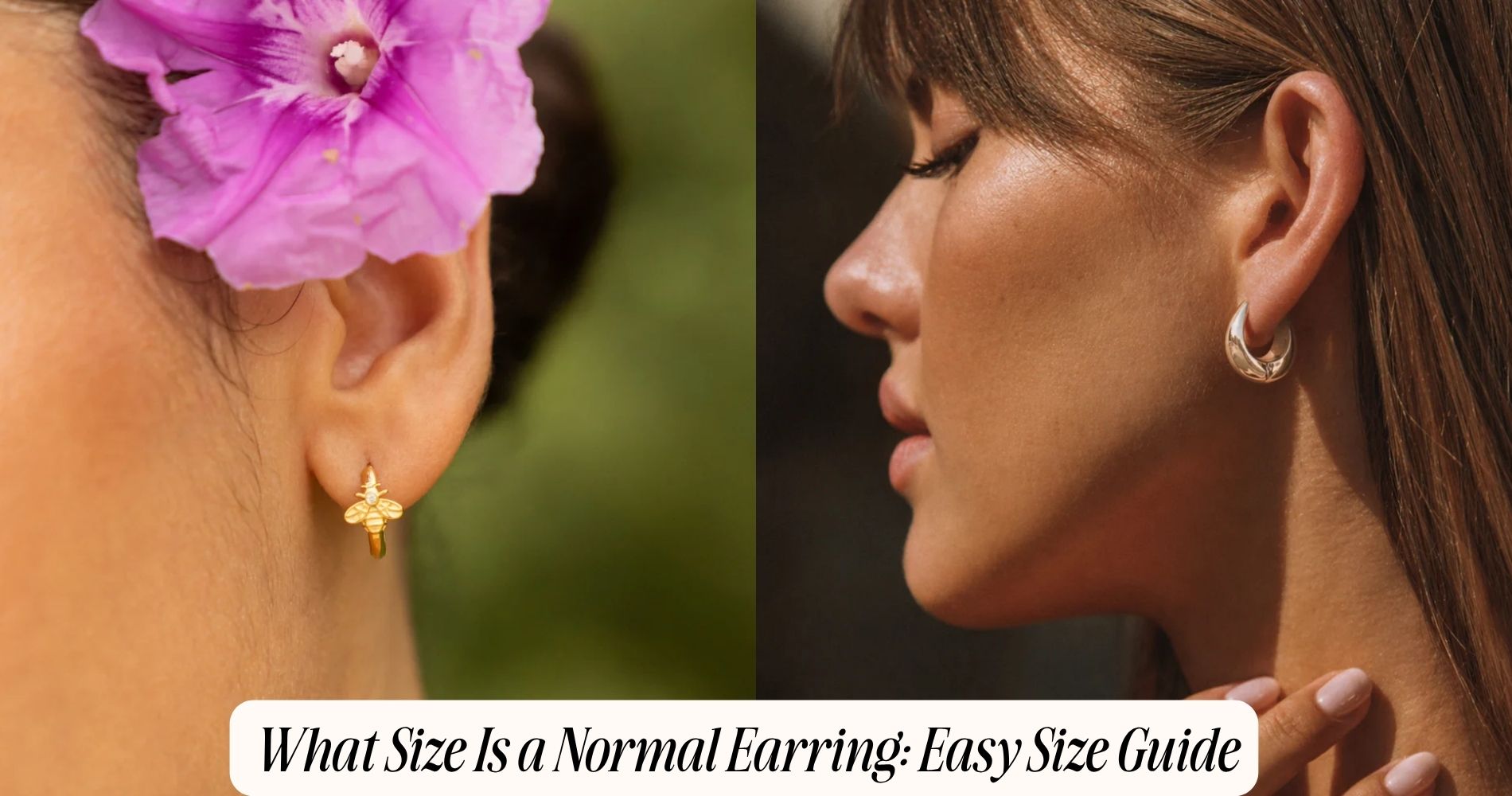
Stud sizes run from very small (3mm to 4mm) for minimal accent pieces up to larger statement sizes (10mm to 12mm) for significant single stones or flat geometric designs. The range most people consider standard falls between 5mm and 8mm.
| Stud Size | Visual Effect | Best For |
|---|---|---|
| 3 to 4mm | Very subtle, barely visible | Second hole piercings, minimal stacking |
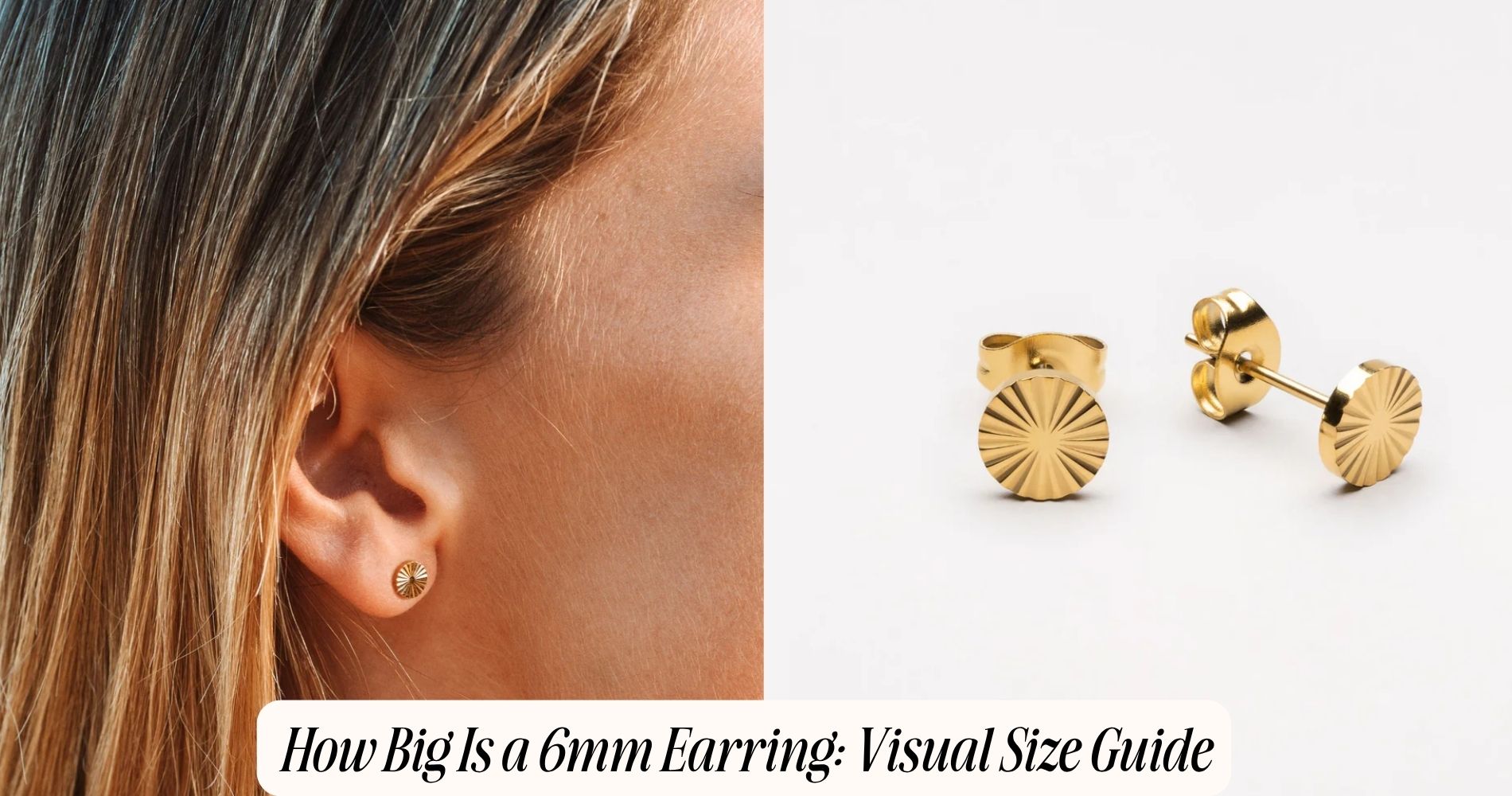
| 5 to 6mm | Delicate, noticeable without dominance | Everyday wear, professional settings |
| 7 to 8mm | Balanced presence, clear visibility | Everyday to dressed-up, most face shapes |
| 9 to 10mm | Statement level, draws clear attention | Special occasions, bold everyday styling |
| 11mm and above | Strong visual statement | Intentional statement wear |
A 6mm stud is the most commonly worn size for a primary ear piercing in daily life. It is visible enough to register as jewelry without dominating the face or competing with other pieces. A 4mm stud reads as nearly invisible from a conversational distance and works best as a secondary or third-hole piece in a stacked ear. An 8mm stud sits at the upper end of everyday sizing and makes a clear but not overwhelming statement on most ear sizes.
Hoop Earrings
Hoop size is measured by inner diameter and the range spans from huggie hoops at 10mm to 12mm up to statement hoops at 60mm and above. Standard everyday hoops fall between 20mm and 40mm inner diameter.
| Hoop Inner Diameter | Visual Effect | Best For |
|---|---|---|
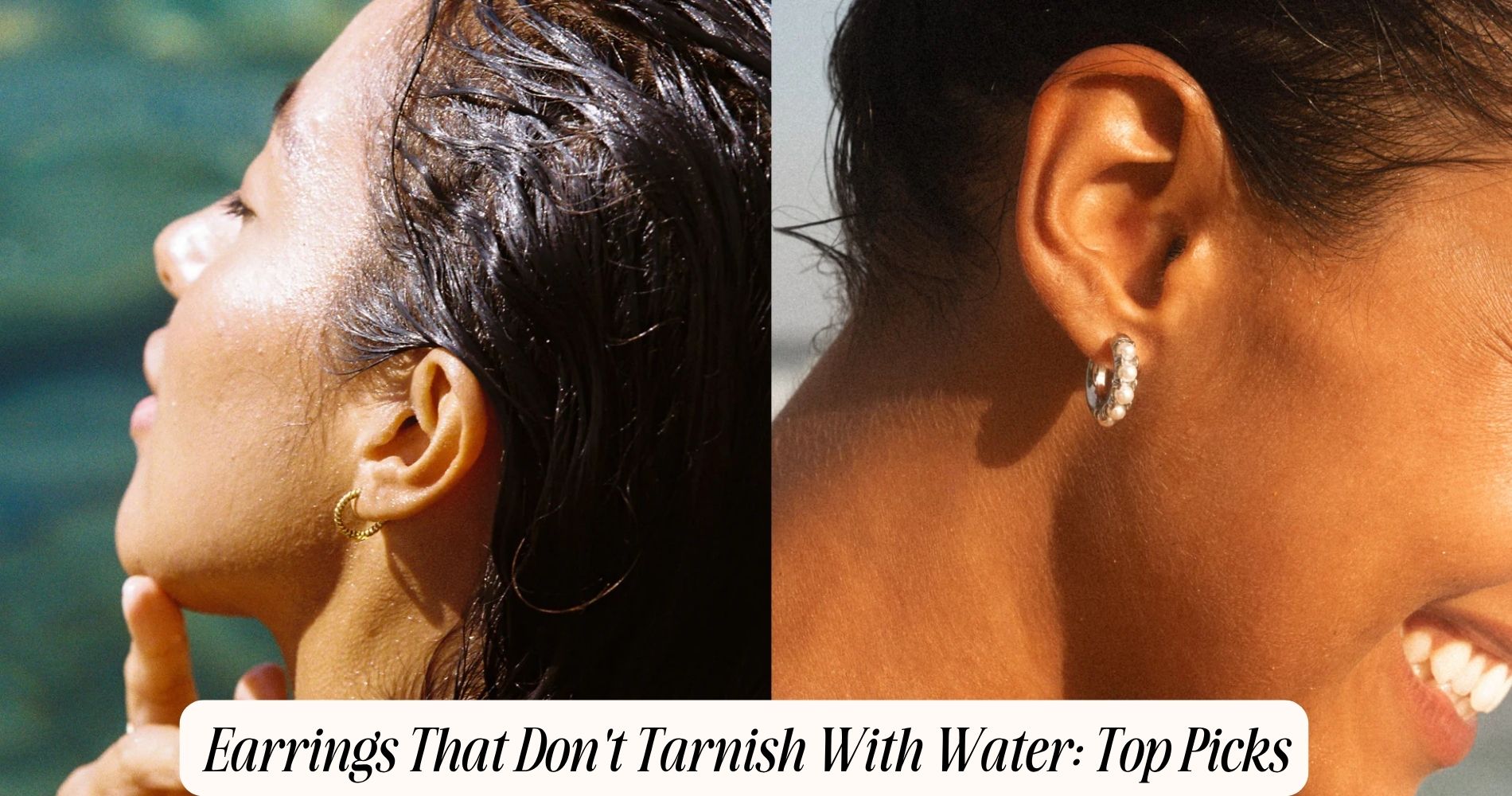
| 10 to 14mm | Huggie, sits close to lobe | Continuous wear, gym, swimming |
| 15 to 20mm | Small hoop, subtle circle | Everyday wear, professional settings |
| 25 to 30mm | Classic medium hoop | Versatile everyday to evening wear |
| 35 to 45mm | Large hoop, clear statement | Casual and weekend wear |
| 50mm and above | Oversized statement | Fashion-forward, occasion wear |
A 25mm to 30mm inner diameter is what most people picture as a standard hoop earring. It sits below the earlobe without reaching the jaw, moves naturally with the head, and reads as complete rather than tentative. Hoops below 20mm start to read as small circles rather than the continuous sweep of a hoop, which changes the visual effect significantly. Hoops above 40mm make a deliberate style statement and work best when the rest of the outfit is kept relatively simple.

Drop and Dangle Earrings
Drop earrings are measured by total length from the top of the ear wire or post to the lowest point of the piece. Short drops fall between 15mm and 25mm and sit close to the lobe. Standard drops at 30mm to 45mm reach partway down the neck. Long statement drops extend 50mm and beyond.
A drop length of 30mm to 40mm is a versatile standard: long enough to have visual movement and presence, short enough to remain comfortable through a full day of wear without swinging excessively or catching on clothing. Very long drops above 60mm are best reserved for occasions where you are relatively still rather than for active days that involve travel or physical movement.
How Face Shape Affects the Right Earring Size
Face shape interacts with earring size and proportion in ways that affect whether a piece looks balanced or draws attention to features you may not want to emphasize.
Oval face shapes are the most versatile for earring sizing. Most sizes and styles work because the balanced proportions of an oval face do not create strong tension with any particular earring shape or length. Standard sizes across studs, hoops, and drops all read well.
Round face shapes benefit from length over width. Drop earrings and longer hoops create a vertical line that elongates the face visually. Wide, circular hoops at large diameters can echo the roundness of the face and draw attention to it. Oval or elongated studs work better than perfectly circular ones at the same size.
Heart face shapes (wider at the forehead, narrower at the chin) balance well with pieces that add visual weight at the jaw. Longer drops and chandelier styles at 40mm and above create that balance. Small studs or huggies close to the ear can accentuate the width at the temple, while length draws the eye toward the narrower chin area.

Square face shapes with strong jaw lines benefit from softer, rounder shapes and length. Circular hoops and curved drop earrings soften the angular quality of the jaw. Geometric or angular earrings at the same size can emphasize rather than balance the jaw's strong lines.
Long or narrow face shapes work well with wider, shorter earrings that add horizontal visual weight. Large round hoops, wide studs, and short drops with horizontal elements at 15mm to 25mm all add width. Very long drops extend the face further and tend not to be the most flattering choice for narrow face shapes.
Earring Sizes for Different Occasions and Lifestyles
The right earring size also depends on the context in which you are wearing them.
Daily wear and professional settings suit the middle of each range: 6mm to 8mm studs, 20mm to 30mm hoops, and drops no longer than 30mm to 35mm. These sizes register clearly without creating distraction in environments where jewelry is not meant to be the focus.
Active wear including gym sessions, beach days, and swimming calls for the smaller and more secure end of each range. Huggie hoops at 10mm to 14mm, small studs at 5mm to 6mm with flat or screw backs, and any drops short enough that they do not swing significantly during movement are the practical choices. Larger hoops catch on swim caps and towels, and long drops create drag and movement during exercise that becomes uncomfortable quickly.
Casual and weekend wear gives the most freedom across the full size range. This is the context where larger hoops, statement studs, and longer drops work most naturally because the outfit and occasion support a more visible earring presence.

Evening and occasion wear suits the larger end of the range: 8mm to 10mm studs, 35mm to 50mm hoops, and drops of 40mm and beyond. The dressed-up context creates space for earrings to read as statement pieces rather than accessories that need to stay subtle.
For everyday earrings that move from beach days and outdoor activities into casual outings, lightweight materials matter as much as size. A 30mm hoop in a lightweight PVD-coated stainless steel sits comfortably through a full day of movement without pulling the lobe, holds its finish through water and sweat, and covers the versatile mid-range size that works across most face shapes and occasions.
Frequently Asked Questions
What is the standard earring size for everyday wear?
For studs, 6mm to 8mm is the standard everyday range. For hoops, 20mm to 30mm inner diameter covers the most versatile everyday size. For drops, 25mm to 35mm in total length covers daily to dressed-up contexts. These ranges work across most face shapes and piercing sizes without reading as either too minimal or too statement-heavy.
What size hoop earring looks best on most people?
A 25mm to 30mm inner diameter hoop looks balanced on most face shapes and ear sizes. It creates the continuous circular sweep associated with a classic hoop without reaching the jaw or creating excessive movement. People with smaller faces tend toward the lower end of that range while those with larger or longer faces often prefer 30mm to 40mm.
What is a standard stud earring size?
The most commonly worn stud size for a primary ear piercing is 6mm in diameter. This size is visible and present without dominating the face. 4mm studs read as subtle accent pieces suited to secondary piercings. 8mm studs sit at the upper end of everyday sizing and make a clear single-piece statement.
What earring size is best for sensitive or healing piercings?
For healing piercings, flat back labret studs in 18 or 16 gauge surgical steel or titanium are the standard recommendation. The face size for a healing piercing should be kept small, typically 3mm to 5mm, to minimize movement and trauma to the healing tissue. Once healed, you can transition to standard post gauges and larger face sizes based on your preference.
Do earring sizes look different on different ear sizes?
Yes, significantly. A 30mm hoop looks proportionate on a medium to large ear and lobe but oversized on a very small ear. Conversely, a 10mm huggie that sits snugly on a smaller ear may not close properly on a larger ear with a thicker lobe. Checking both the inner diameter and the wire gauge of a hoop, and the face diameter of a stud relative to your own ear, gives a more accurate picture than relying on size descriptions alone.
Conclusion
What size is a normal earring has a practical range rather than a single answer. For studs, 6mm to 8mm covers everyday standard sizing. For hoops, 20mm to 30mm inner diameter is the most versatile range. For drops, 25mm to 35mm total length covers daily to occasion wear. Face shape, ear size, and wearing context all shift those ranges slightly, but those midpoints give you a reliable starting point for any earring purchase, whether you are building a first jewelry collection or expanding what you already wear.









コメントを書く
このサイトはhCaptchaによって保護されており、hCaptchaプライバシーポリシーおよび利用規約が適用されます。