

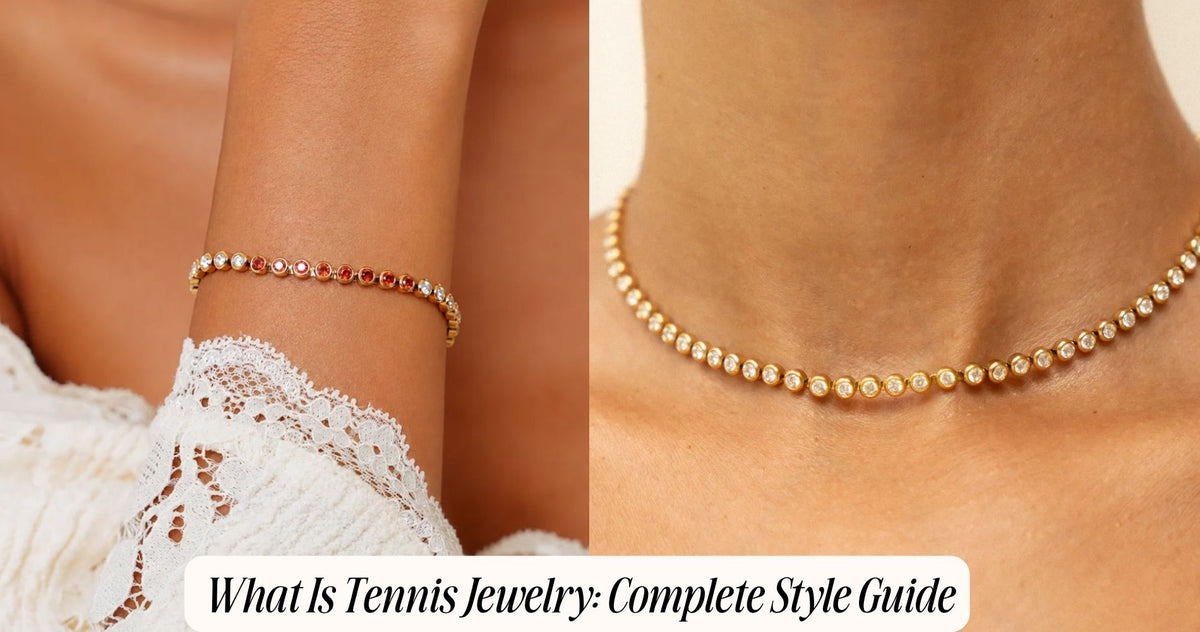
What Is Tennis Jewelry: Complete Style Guide
If you have ever wondered what is tennis jewelry, think of a single, unbroken line of evenly sized stones set in a slim, flexible chain. The style began with the bracelet, but it has grown into a full category that includes necklaces, earrings, anklets and even rings. Its charm lies in its simplicity. The stones do all the talking, and the result is a clean ribbon of sparkle that works with almost anything. You can also browse our Waterproof Jewelry to find sparkling pieces that stay beautiful through daily life. In this guide, we explain where the style comes from, what types exist and how to choose and wear it well.
What Tennis Jewelry Means and How to Recognize It
Tennis jewelry refers to any piece built from a continuous row of identical or closely matched stones, each held in its own setting and linked together so the piece moves smoothly. The stones are usually diamonds, though lab grown diamonds, moissanite, cubic zirconia and colored gemstones are also widely used.
You can recognize it by three features. The first is the uninterrupted line of stones with no large center gem. The second is the flexible, flowing structure that follows the shape of the body. The third is the minimal metal showing between stones, which keeps the focus on the sparkle. These traits separate it from pendants, solitaires and other styles that use a focal point.

The Story Behind the Name: From Diamond Line to Tennis
The jewelry was originally known as a diamond line bracelet. The name changed in 1978, when tennis champion Chris Evert was playing at the US Open and her bracelet fell off during a match. She asked for play to be paused while she searched for it, and the moment drew wide attention.
Soon afterward, the public began calling the piece a tennis bracelet, and the name stuck. Over time, jewelers applied the same idea to other designs, and the term tennis jewelry came to describe the whole family of line style pieces. Its sporty, elegant reputation helped it move from luxury shops into everyday wardrobes.
The Main Types of Tennis Jewelry You Can Choose From
The signature line of stones can be worn in many ways, so there is a piece for every part of the body and every taste.
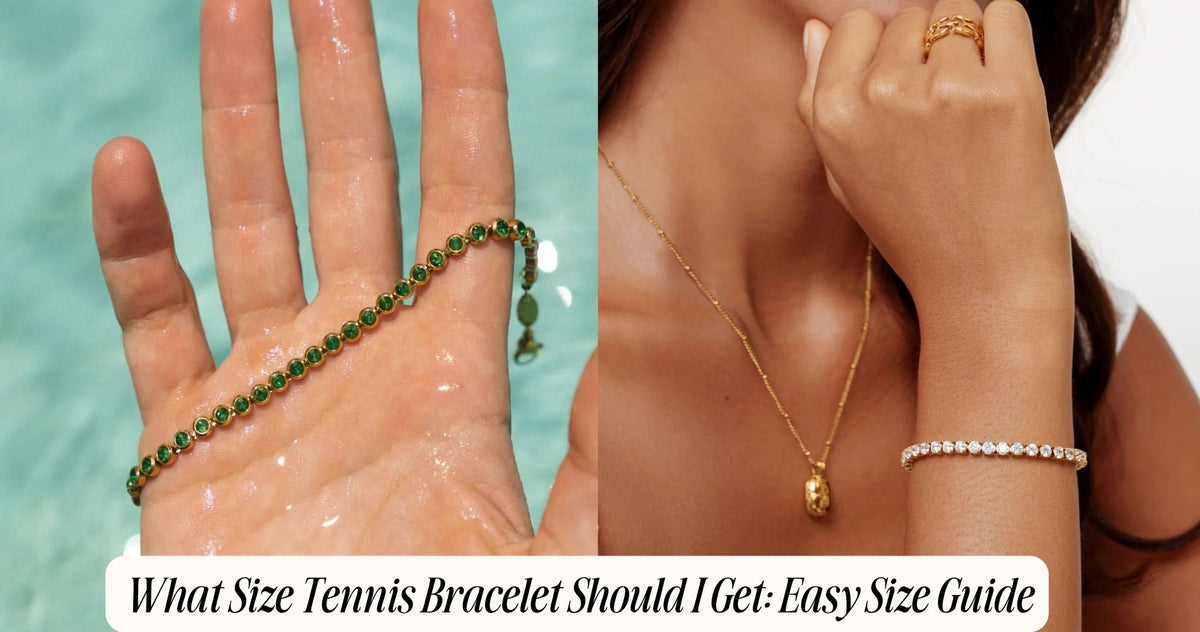
- Tennis bracelets. The original and the most popular. A slim line of stones wraps the wrist and sits well alone or in a stack.
- Tennis necklaces. Also called riviere necklaces, these follow the collarbone in a graceful line. They can be short and delicate or long and dramatic.
- Tennis earrings. These can be studs, drops or hoops with a line of stones. Hoop versions, in particular, have become a modern favorite.
- Tennis anklets. A lighter, summery take on the style, sized to sit comfortably around the ankle.
- Tennis rings. Often called eternity bands, these carry a row of stones across part or all of the ring.
Popular Settings and Stone Layouts
How the stones are held and arranged changes the look of the piece.
- Prong set. Tiny claws hold each stone, letting in the most light. This gives the strongest sparkle and the classic look.
- Bezel set. A metal rim wraps each stone. It looks smooth and modern and protects the stones from knocks.
- Illusion set. A shaped metal plate makes small stones seem larger, a clever way to get more presence at a gentler price.
- Graduated. The stones grow slightly larger toward the center, which gives a more dramatic, necklace like effect.
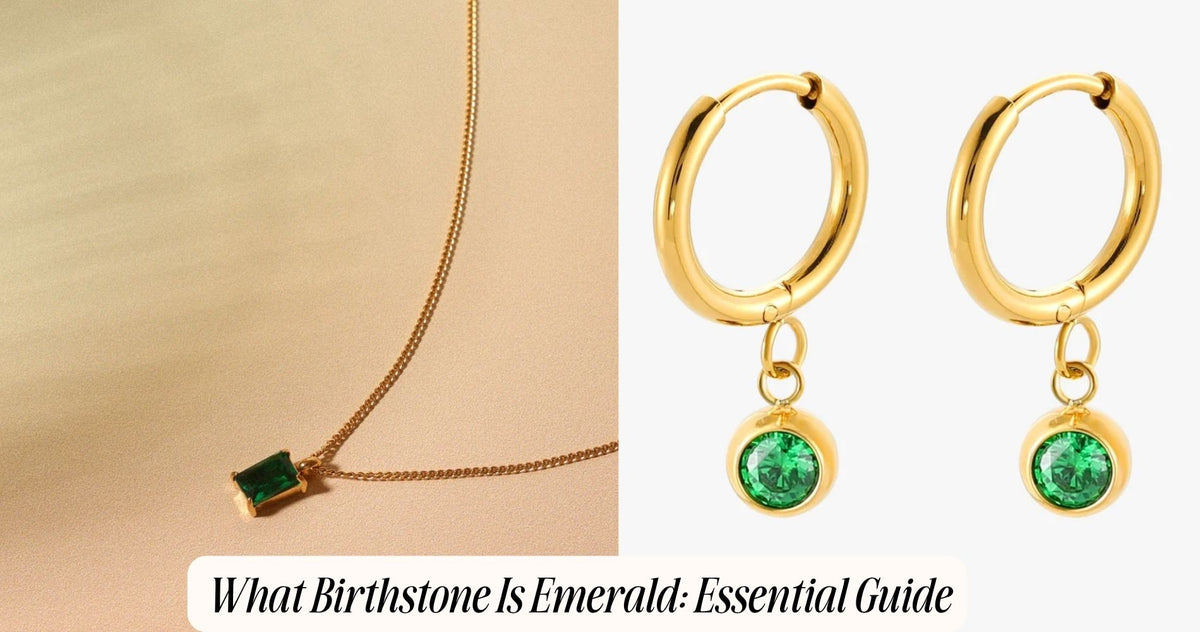
- Colored stone. Sapphires, emeralds, rubies and other gems can replace or alternate with diamonds for a personal touch.

Metals and Stones: Choosing Materials That Fit Your Budget and Lifestyle
The materials shape both the look and the long term value of tennis jewelry.
- Yellow gold. Warm, classic and rich. It suits warm skin tones and gives a traditional glow.
- White gold and platinum. Cool, bright and polished. Platinum is especially durable and is a premium choice.
- Rose gold. A soft and romantic tone that flatters many skin tones.
- Sterling silver and plated metals. Budget friendly options that give a similar look, although plating may wear over time.
For stones, natural diamonds offer prestige and potential long term value. Lab grown diamonds look almost identical at a lower price. Moissanite is brilliant and hard, and cubic zirconia is the most affordable option for fashion wear. If you plan to wear the piece every day, choose a metal and finish that resist tarnish and are easy to clean.
How to Wear Tennis Jewelry for Different Occasions
Tennis jewelry is incredibly versatile, and a few styling ideas can help you get more from it.
- For everyday wear. A single bracelet or a slim necklace adds shine to jeans and a white shirt without feeling dressy. It is easy to put on and forget.
- For evening. A graduated necklace or a sparkling stack of bracelets can complete an elegant dress. Larger stones add drama.
- For layering. Mix a tennis bracelet with chain bracelets, bangles or a watch. Keep the scale of the pieces similar so nothing overwhelms the rest.
- For gifts. Birthdays, anniversaries, graduations and milestones are all perfect moments. The style is timeless, so it rarely goes out of fashion.
How to Pick the Right Size and Length
Fit matters a great deal with line style pieces, since they have little stretch. For a bracelet, measure your wrist and add about 0.5 to 1 inch, which usually leads to a size between 6.5 and 7.5 inches. For necklaces, 16 inches sits close to the collarbone, 18 inches falls just below it and 20 inches is a longer, more relaxed length.
For earrings, think about the size of your face and ears. Smaller hoops look neat and subtle, while larger ones make a bolder statement. Whatever you choose, check the clasp or closure, because secure fastenings protect your piece from loss.

What to Check Before You Buy Tennis Jewelry
Because these pieces rely on many small stones, quality details matter. Look for evenly matched stones with consistent color and sparkle. Check that the settings are neat and secure, with no loose or uneven prongs. Examine the clasp, since a box clasp with a safety latch is a sign of good construction.
Also ask about the stone type, metal purity and return policy. A reputable seller will explain whether the stones are natural, lab grown or simulated, and will give clear care instructions.
How to Care for Tennis Jewelry
Take your pieces off before swimming, exercise and cleaning, since chemicals and impacts can loosen settings. Clean them with warm water, mild soap and a soft brush, then rinse and dry with a lint free cloth. Store each piece flat or in a soft pouch so the chain does not tangle.
Have a jeweler check the stones and clasp once a year, particularly if you wear the piece daily.

Conclusion
So, what is tennis jewelry? It is a line of matching stones set in a flexible chain, found in bracelets, necklaces, earrings, anklets and rings, and loved for its simple, timeless sparkle. With the right size, setting and material, it can suit every style and budget. Pick a secure clasp, check the stone quality and wear it in your own way. Visit Atolea to find tennis jewelry that fits your taste and your everyday life.
FAQs
1. What is tennis jewelry?
Tennis jewelry is jewelry made from a continuous line of evenly sized stones set in a flexible chain. It includes bracelets, necklaces, earrings, anklets and rings.
2. Why is it called tennis jewelry?
The name comes from the 1978 US Open, when Chris Evert's diamond line bracelet fell off during a match. The press began calling it a tennis bracelet, and the term spread to similar pieces.
3. Can you wear tennis jewelry every day?
Yes. The slim, low profile design suits daily wear. Remove it before swimming or workouts, and have the clasp and settings checked regularly.
4. What stones are used in tennis jewelry?
Diamonds are the classic choice, but lab grown diamonds, moissanite, cubic zirconia and colored gemstones such as sapphire and emerald are also popular.
5. What is the difference between a tennis necklace and a regular necklace?
A tennis necklace has an unbroken line of matching stones with no large pendant. A regular necklace may use a focal charm, a chain alone or varied stones.
6. Is tennis jewelry a good gift?
Yes. It is elegant, versatile and suited to many occasions, such as birthdays, anniversaries and graduations.









コメントを書く
このサイトはhCaptchaによって保護されており、hCaptchaプライバシーポリシーおよび利用規約が適用されます。