



How to Tell the Difference Between Gold and Gold Plated
Gold jewelry comes in many forms, and not all of it is created equal. Solid gold and gold plated pieces can look remarkably similar at first glance, but they differ significantly in composition, durability, and value. If you have ever picked up a piece of jewelry and wondered how to tell the difference between gold and gold plated, you are not alone, and fortunately, there are several reliable ways to figure it out.
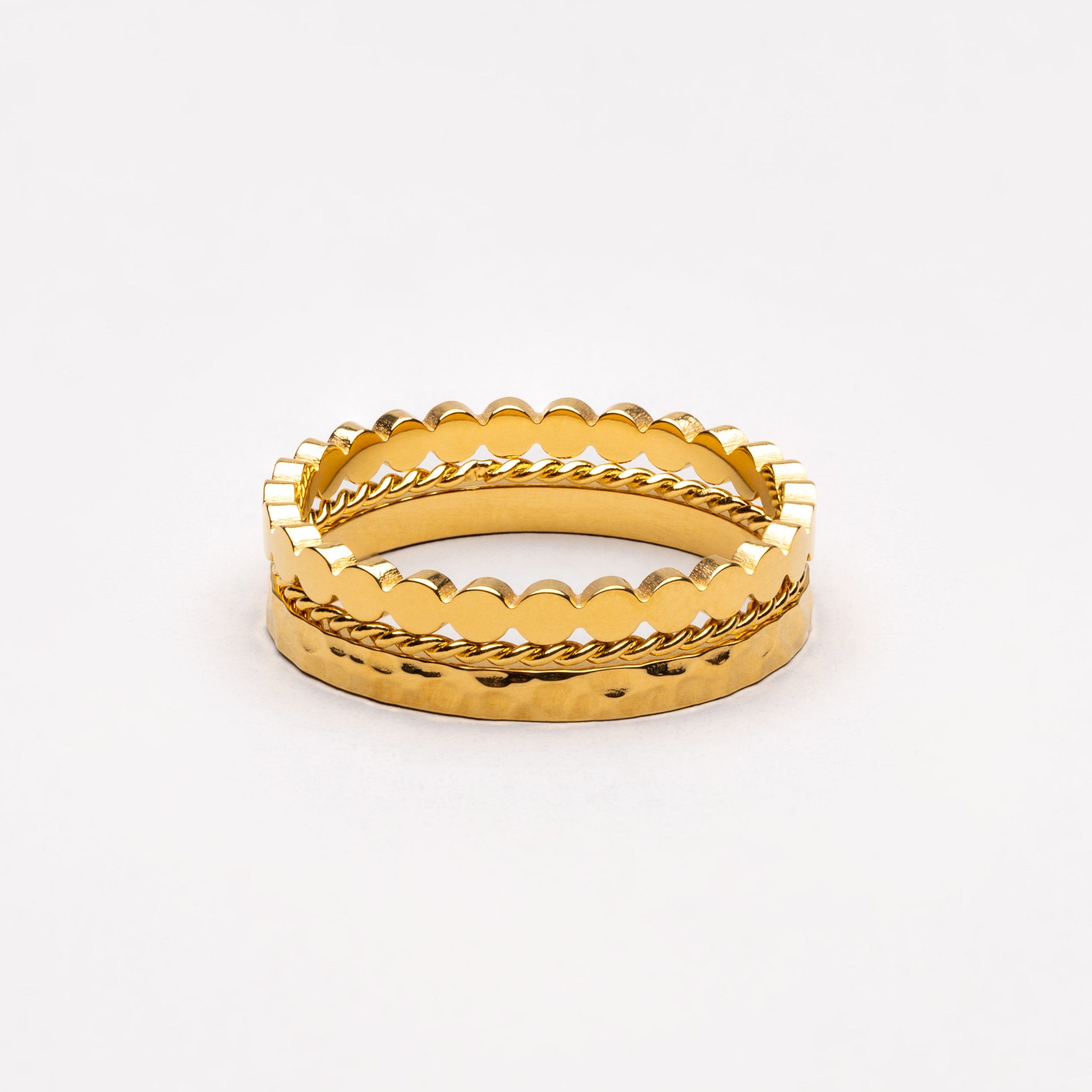
In this guide, we will walk through the key differences between solid gold and gold plated jewelry, along with practical tests you can use to identify which type you are dealing with. If you want a piece you can trust from the start, our Everyday Gold Jewelry collection is clearly labeled so you always know exactly what you are getting.
Understanding the Basic Difference
Before diving into specific tests, it helps to understand what actually separates gold from gold plated jewelry at a fundamental level. Solid gold jewelry is made from a gold alloy throughout the entire piece, typically combined with other metals for added durability, and is measured in karats, with 24 karat representing pure gold and lower karats like 14 or 18 indicating a mix of gold with other metals.
Gold plated jewelry, by contrast, consists of a base metal, such as brass or copper, coated with a thin layer of real gold through an electroplating process. While the surface may look identical to solid gold, the core of the piece is made from an entirely different, typically less expensive material.
This fundamental difference in composition is the root cause of nearly every distinction between the two, from durability and longevity to price and overall value.

Test 1: Check for a Hallmark
One of the simplest first steps in identifying solid gold is checking for a hallmark, a small stamped marking indicating the metal's purity. Genuine solid gold jewelry is typically marked with a karat indicator, such as 10K, 14K, 18K, or 24K.
Gold plated jewelry, on the other hand, is often marked with terms like GP, meaning gold plated, or HGE, meaning heavy gold electroplate, rather than a specific karat marking. If a piece has no markings at all, or uses vague language like gold tone without any further clarification, this can be a sign that the piece is not solid gold, warranting further investigation using additional tests.
These markings are usually found on the clasp of a necklace or bracelet, the inside of a ring band, or another small, inconspicuous area of the piece, so a magnifying glass or jeweler's loupe can be helpful for locating and reading them clearly.
Test 2: Examine the Color Consistency
Solid gold maintains a consistent color throughout the entire piece, since the gold alloy makes up the whole item rather than just the surface. Gold plated jewelry, particularly pieces that have experienced some wear, may show slight color variations or a different toned base metal peeking through in high friction areas, such as the underside of a ring or the clasp area of a bracelet or necklace.
Examining your jewelry closely, particularly in areas prone to friction or contact, can help reveal whether the color remains fully consistent throughout, which is generally a good sign of solid gold, or whether there are any subtle inconsistencies that might indicate plating wear.

Test 3: Perform the Float Test
Because solid gold is significantly denser than most base metals used in gold plated jewelry, a simple float test can offer a helpful, non damaging clue about authenticity. Fill a glass with water and gently drop the piece of jewelry inside.
Solid gold, due to its high density, will typically sink quickly and directly to the bottom of the glass. Gold plated jewelry, since it is made from a lighter base metal underneath the thin gold layer, may float slightly, sink more slowly, or land at an angle rather than sinking straight down.
While this test can offer a helpful initial indicator, it is not entirely definitive on its own, since certain base metals used in plated jewelry can still be relatively dense, so combining this test with others provides a more reliable overall assessment.
Test 4: Try the Magnet Test
Gold itself is not magnetic, but this test is particularly useful for identifying gold plated jewelry made with certain base metals, such as iron or steel, which are more commonly used in lower quality plated pieces.
Using a reasonably strong magnet, hold it close to the jewelry in question. If the piece is strongly attracted to the magnet, this suggests the base metal underneath the gold plating contains iron or steel, indicating the piece is very likely gold plated rather than solid gold. Solid gold jewelry, along with higher quality gold plated pieces using non magnetic base metals like brass or copper, will generally show little to no magnetic attraction, meaning this test is most useful for identifying lower quality plated jewelry specifically.

Test 5: Look for Wear Patterns
Because gold plating consists of only a thin surface layer, it is prone to wearing away over time, particularly in areas subject to frequent friction. Look closely at high contact areas, such as the underside of rings, the back of earring posts, or clasp mechanisms on necklaces and bracelets, for any signs of discoloration or a different metal tone showing through.
Solid gold jewelry will not exhibit this type of wear pattern, since the gold composition remains consistent throughout the entire piece, regardless of how much surface friction it experiences over time. If you notice uneven coloring or a visibly different metal tone in these high friction areas, this is a strong indicator that the piece is gold plated rather than solid gold.
Test 6: Consider the Weight
Solid gold jewelry tends to feel noticeably heavier and more substantial compared to gold plated pieces of similar size, due to gold's naturally high density. While this test requires some experience or a direct comparison to be truly useful, holding a piece and considering whether it feels appropriately weighty for its size can offer a helpful initial clue.
If possible, comparing the piece directly to a known solid gold item of similar size can make this weight difference more apparent, since it can be difficult to judge accurately without something to compare it against.
Test 7: Consider the Price
While price alone should never be the sole method of verification, it can serve as a helpful red flag when something seems inconsistent with the claimed material. Solid gold jewelry, particularly at higher karat weights, generally reflects the significant cost of the precious metal itself, meaning prices that seem dramatically low for the claimed gold content often indicate the piece may actually be gold plated rather than solid gold.
If a seller's pricing does not align reasonably with current gold market rates for the described karat weight and item size, this discrepancy is worth investigating further before assuming the piece is genuinely solid gold.

When Professional Testing Makes Sense
While the tests outlined above can offer helpful initial guidance, certain situations call for professional verification, particularly for higher value pieces or significant purchases. A jeweler can use specialized tools, including acid testing kits or electronic gold testers, to provide a definitive answer regarding a piece's gold content and purity.
For inherited jewelry, secondhand purchases, or any situation involving significant value, professional testing remains the most reliable and accurate method for confirming whether a piece is solid gold or gold plated.
Why the Difference Matters
Understanding whether a piece is solid gold or gold plated matters for several practical reasons. Solid gold generally offers greater durability and longevity, making it a better choice for frequently worn pieces or items intended to be passed down over generations. Gold plated jewelry, while more affordable and versatile for trend focused pieces, requires more careful maintenance and will eventually show signs of wear as the thin gold layer diminishes over time.
Knowing which type of jewelry you own also affects resale value, insurance considerations, and how you approach cleaning and care, making this distinction genuinely useful information for any jewelry owner.
Final Thoughts
Learning how to tell the difference between gold and gold plated jewelry does not require professional equipment for a solid initial assessment. By checking for hallmarks, examining color consistency, and trying simple tests like the float and magnet methods, you can develop a fairly reliable understanding of what you are working with. For higher value pieces or situations requiring complete certainty, professional testing remains the most definitive option.
Whether you are evaluating an inherited piece, a secondhand find, or simply want to better understand your existing jewelry collection, these methods can help you shop and assess gold jewelry with greater confidence.
Frequently Asked Questions
1. What hallmark indicates solid gold?
Solid gold jewelry is typically marked with a karat indicator such as 10K, 14K, 18K, or 24K, while gold plated pieces are often marked GP or HGE instead.
2. Does gold plated jewelry ever say gold on it?
Yes, gold plated jewelry may be labeled with terms like gold plated or gold filled, which differ significantly from solid gold despite the shared terminology.
3. Can the float test definitively confirm solid gold?
Not entirely on its own, since some base metals used in plating are still relatively dense, so combining this test with others provides a more accurate overall assessment.
4. Is gold plated jewelry worth less than solid gold?
Yes, gold plated jewelry generally holds significantly less value than solid gold, both because of its lower material cost and its shorter overall lifespan.










コメントを書く
このサイトはhCaptchaによって保護されており、hCaptchaプライバシーポリシーおよび利用規約が適用されます。