

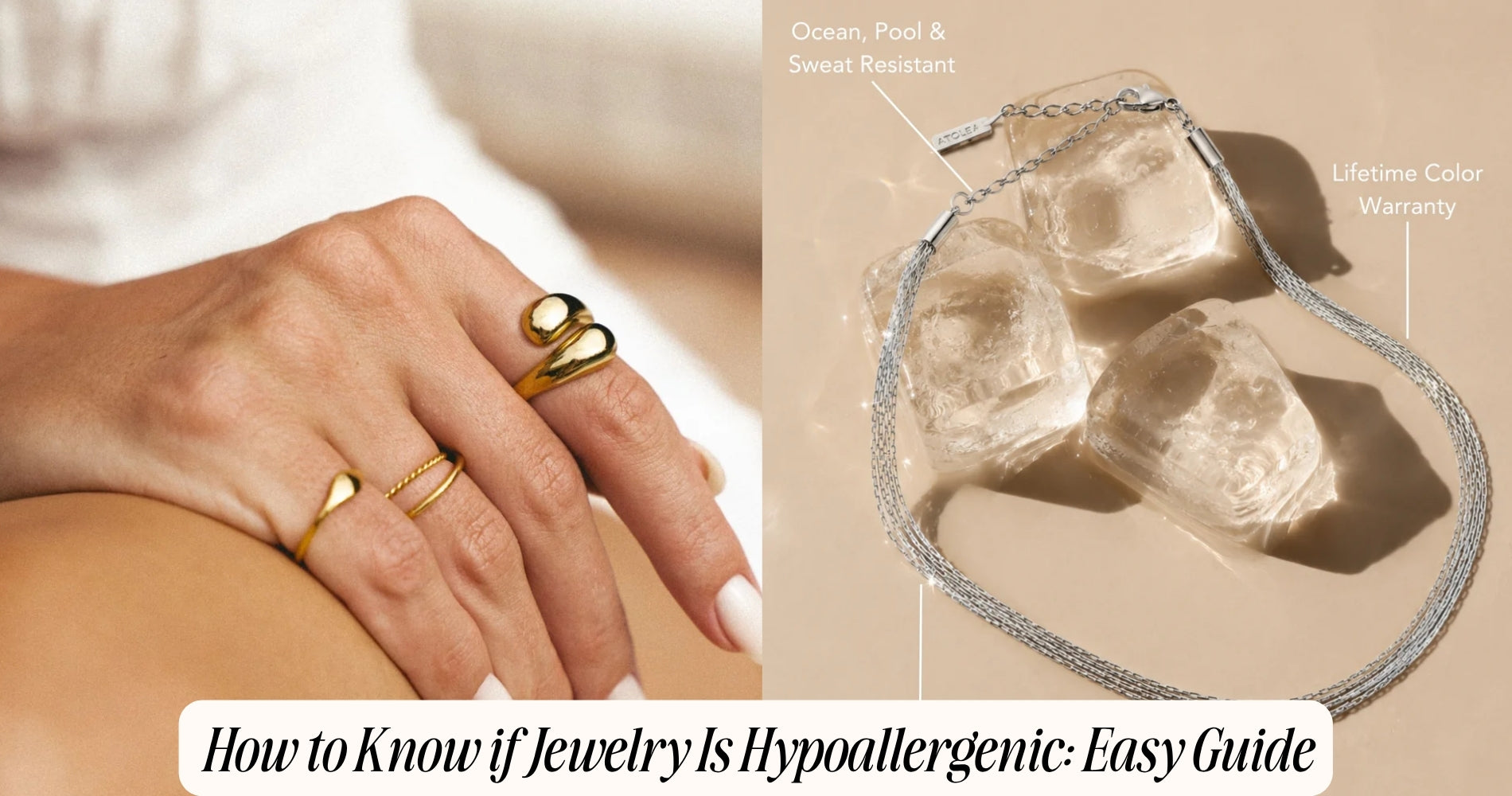
How to Know if Jewelry Is Hypoallergenic: Easy Guide
Shopping for jewelry when you have sensitive skin often means navigating a confusing mix of marketing claims, vague labeling, and terms that sound reassuring but do not always guarantee what you actually need. Learning how to know if jewelry is hypoallergenic before you buy can save you from wasted money and unnecessary irritation, but it requires looking past surface level marketing and knowing exactly what to check.
In this guide, we will walk through the practical steps for verifying whether a piece of jewelry is genuinely suited for sensitive skin, from reading labels correctly to using simple testing methods. If you want to skip the guesswork entirely, our Hypoallergenic Jewelry collection is built specifically with sensitive skin in mind from the start.
Step One: Check for Specific Material Labeling
The single most reliable way to know if jewelry is hypoallergenic starts with checking exactly what material a piece is made from. Genuinely hypoallergenic jewelry should clearly state its specific composition, such as solid titanium, surgical grade stainless steel, niobium, or a specific gold karat.
Be wary of vague, non specific terms like gold tone, silver tone, or simply hypoallergenic without any further material detail provided. These broader descriptions often indicate a plated base metal, which may contain nickel or other reactive materials underneath a thin surface coating, offering far less reliable protection compared to jewelry made from a solid, verified hypoallergenic material throughout.

Step Two: Understand What Hypoallergenic Actually Guarantees
It is worth understanding that the term hypoallergenic itself is not a strictly regulated term in most regions, meaning different manufacturers may use it somewhat loosely without necessarily meeting a consistent, verified standard. This makes it particularly important to look beyond the word hypoallergenic alone and instead verify the specific material composition backing up that particular claim.
Some jewelry labeled nickel safe, for example, may still contain trace nickel within an established safety threshold, differing meaningfully from jewelry labeled nickel free, which contains no nickel whatsoever. Understanding this distinction helps you interpret hypoallergenic claims more accurately based on your own specific sensitivity level.
Step Three: Research the Specific Metal
Once you know a piece's specific material composition, researching that particular metal's general hypoallergenic reputation can help confirm whether it genuinely suits sensitive skin.
Titanium and niobium are naturally nickel free and widely recognized as among the safest options available for sensitive skin.
Surgical grade stainless steel, specifically 316L, contains trace nickel but is formulated to minimize release, generally working well for those with mild to moderate sensitivity. Higher karat solid gold, particularly 18 karat or above, contains a smaller percentage of other alloyed metals, reducing the likelihood of irritation compared to lower karat options. Platinum and palladium are both naturally hypoallergenic, offering reliable options for those with more significant sensitivity concerns.

Step Four: Look for Recognized Certifications or Compliance Standards
Some jewelry, particularly pieces manufactured for sale within the European Union, must comply with specific nickel release regulations under what is commonly known as the Nickel Directive. Jewelry meeting this standard is often labeled accordingly, offering an additional layer of verification beyond simple marketing language.
While the United States does not currently enforce an equivalent federal standard, looking for any mentioned compliance with recognized international regulations can still offer helpful additional confidence when evaluating a specific piece.
Step Five: Ask the Retailer Directly
If a product listing or in store display does not provide sufficiently specific material information, do not hesitate to ask the retailer directly. Reputable sellers, particularly those specifically marketing to customers with sensitive skin, should be able to confirm the exact metal composition, including whether the piece is solid throughout or simply plated over a different base material.
This step is particularly important for handmade or smaller batch jewelry, where formal labeling standards may be less consistent compared to larger, more established manufacturers.

Step Six: Examine the Piece for Construction Clues
For jewelry you can physically examine, either in person or upon delivery, a few visual and tactile clues can offer additional confirmation of genuine quality and material consistency.
Check for any visible hallmark stamps indicating specific metal purity or composition, typically found on clasps, the inside of ring bands, or earring posts. Consider the weight of the piece, since genuine solid metal jewelry generally feels appropriately substantial compared to hollow or lower quality alternatives. Look closely at any areas where the metal might show wear, such as edges or high contact points, checking for any inconsistency in color that might suggest plating over a different base material.
Step Seven: Consider At Home Nickel Testing
For jewelry you already own or are evaluating secondhand, at home nickel spot testing kits offer a practical way to verify hypoallergenic status independently. These kits use a chemical solution that changes color upon contact with nickel, providing a relatively simple, accessible testing method for pieces you are uncertain about.
While not a substitute for professional testing on higher value items, these kits can offer helpful additional confirmation, particularly for jewelry lacking clear labeling or documentation.
Common Red Flags to Watch For
A few specific warning signs can help you identify jewelry that may not genuinely be hypoallergenic, despite marketing claims suggesting otherwise.
Extremely low prices for jewelry claiming to be solid titanium, surgical steel, or higher karat gold can sometimes indicate the material claims are inaccurate, since these materials carry certain baseline production costs that budget pricing may not reasonably support. Vague, inconsistent, or missing material information across a product listing often suggests the seller either does not know or is not transparent about the piece's exact composition. Reviews mentioning skin irritation from other customers, particularly recurring complaints across multiple reviews, can offer valuable real world insight beyond the manufacturer's own marketing claims.
Understanding Your Own Specific Sensitivity
Knowing your own specific sensitivity level can help you apply these verification steps more effectively to your particular situation. If you have experienced mild, occasional irritation from certain jewelry in the past, materials like well formulated surgical steel may work perfectly well for you. If you have a confirmed, more severe nickel allergy, ideally verified through professional dermatological patch testing, prioritizing completely nickel free materials like titanium becomes considerably more important compared to jewelry simply labeled nickel safe.

What to Do if You Are Still Unsure
If you have followed these verification steps and remain uncertain about a specific piece, a few additional options can offer further peace of mind. Starting with a smaller, less expensive test piece before committing to a larger purchase allows you to evaluate your personal reaction without significant financial risk. Choosing retailers that offer clear return policies specifically for cases involving skin reactions provides an additional safety net if a piece does not work well for your particular skin.
Building Confidence in Your Hypoallergenic Jewelry Choices
Over time, as you become more familiar with which specific materials and brands consistently work well for your skin, shopping for hypoallergenic jewelry becomes considerably easier and less uncertain. Keeping a mental note, or even a simple written list, of materials and specific pieces that have worked well for you previously can help streamline future shopping decisions significantly.
Final Thoughts
Learning how to know if jewelry is hypoallergenic comes down to looking past general marketing language and verifying the specific material composition behind any hypoallergenic claim. By checking labels carefully, researching specific metals, looking for relevant certifications, and asking retailers direct questions when needed, you can shop with far greater confidence and significantly reduce your risk of unwanted irritation.
Taking these extra verification steps, while requiring a bit more effort upfront, ultimately saves considerable frustration and helps ensure your jewelry collection genuinely supports your specific skin sensitivity needs.
Frequently Asked Questions
1. Is the term hypoallergenic on a jewelry label always reliable?
Not necessarily, since this term is not strictly regulated in most regions, making it important to verify the specific material composition rather than relying on the label alone.
2. What is the most reliable material to look for if I have severe sensitivity?
Titanium and niobium are generally considered the most reliable, since both are naturally nickel free and widely recognized as safe for even significant sensitivity.
3. Can I test jewelry for nickel content myself?
Yes, at home nickel spot testing kits are available and can provide helpful additional verification for pieces you are uncertain about.
4. Should I ask a retailer directly if a hypoallergenic label seems unclear?
Yes, reputable retailers should be able to confirm the specific metal composition of their jewelry, offering more reliable information than vague labeling alone.










コメントを書く
このサイトはhCaptchaによって保護されており、hCaptchaプライバシーポリシーおよび利用規約が適用されます。