


Common Materials for Stacking Rings Jewelry: Complete Guide
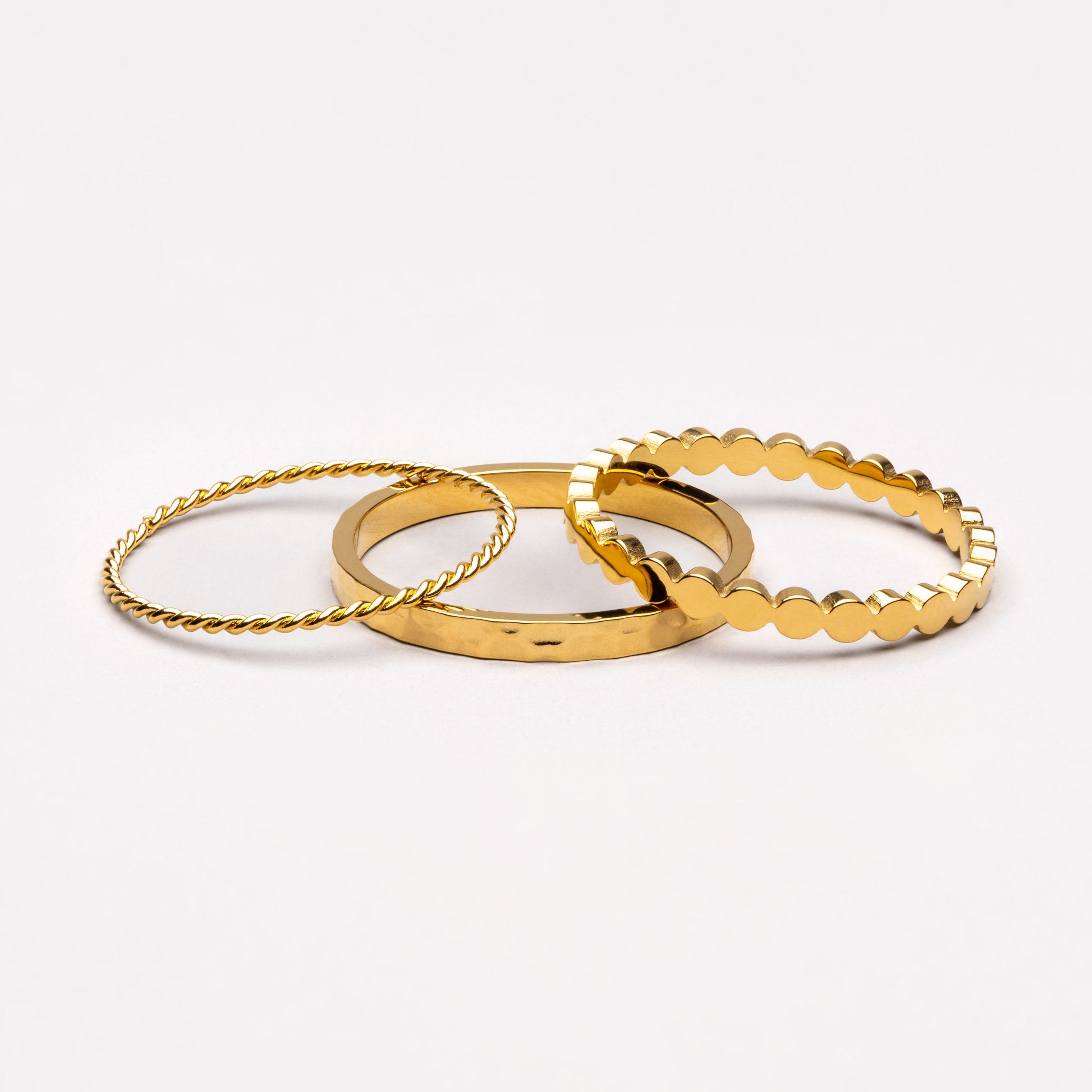
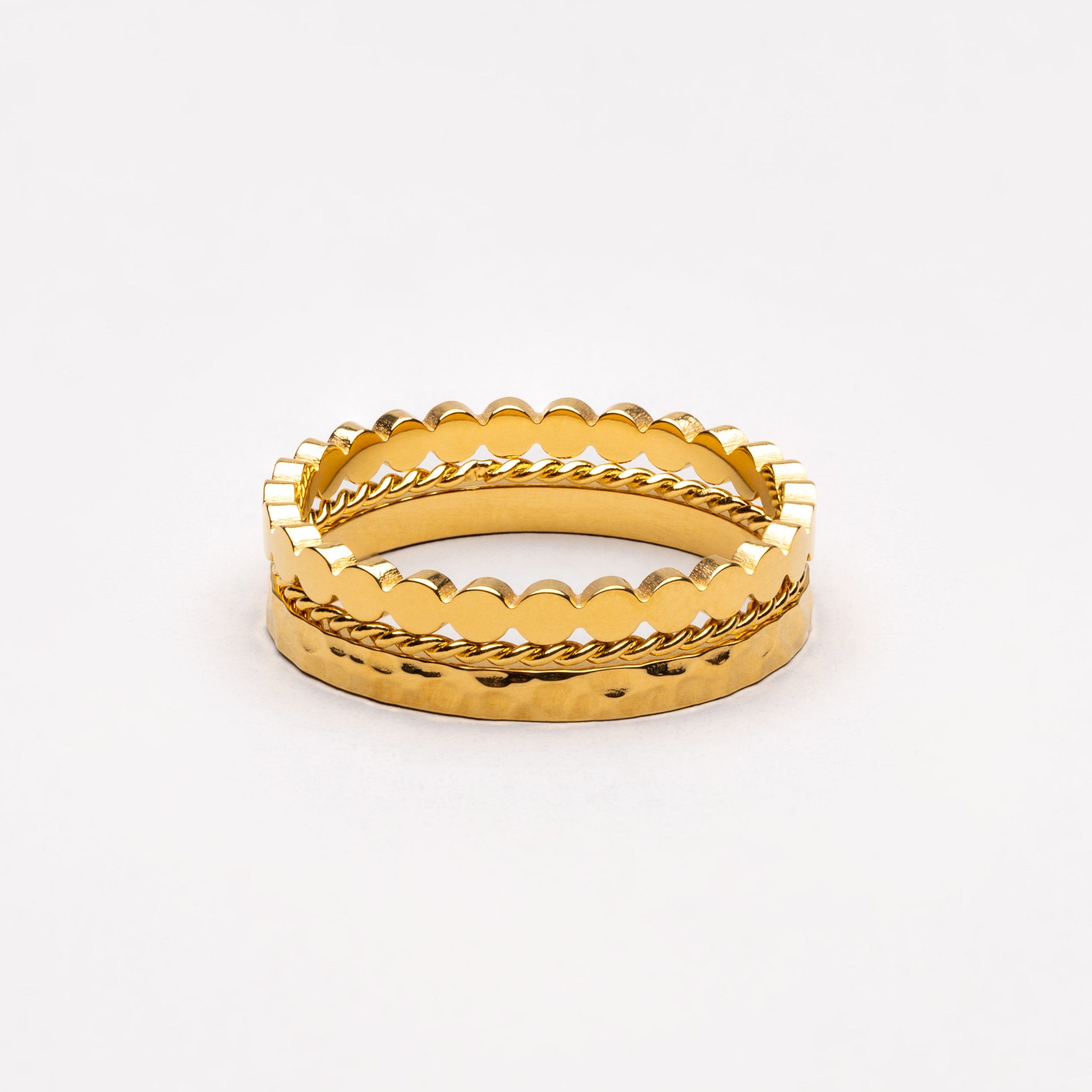
Ring stacking has become one of the most popular ways to personalize an everyday jewelry look, combining multiple rings across one or more fingers to create a layered, curated aesthetic. But building a stack that holds up well over time, both in terms of style and durability, requires understanding the common materials for stacking rings jewelry and how different metals and finishes interact with one another during regular wear.
In this guide, we will walk through the most popular materials used for stacking rings, explain how each one performs with frequent contact and layering, and share tips for combining materials thoughtfully. If you want a stack that can handle daily life without constant upkeep, our Waterproof Rings collection offers durable designs built specifically for this kind of everyday wear.
Why Material Choice Matters More for Stacking Rings
Unlike a single ring worn on its own, stacked rings experience significantly more contact and friction, both from adjacent rings on the same finger and from the additional overall bulk being worn throughout the day. This increased contact makes material choice particularly important for stacking specifically, since softer or lower quality metals can scratch, dent, or wear down more quickly when combined with multiple other pieces compared to being worn entirely alone.
Understanding which materials hold up best under these specific conditions can help you build a stack that remains beautiful and functional over the long term, rather than showing premature wear from the very styling approach meant to showcase it.

Sterling Silver
Sterling silver remains one of the most popular and widely available materials for stacking rings, offering an affordable, classic look that pairs beautifully with countless design styles. However, sterling silver is prone to tarnishing over time, particularly with regular skin contact and exposure to air, meaning stacked silver rings may require more frequent cleaning and polishing compared to some other material options.
Despite this maintenance consideration, sterling silver's affordability and versatility have kept it a consistently popular choice, particularly for those building an evolving, frequently updated ring stack.
Gold Vermeil
Gold vermeil, consisting of a sterling silver base plated with a thicker layer of gold compared to standard plating, offers the warm appearance of gold at a more accessible price point than solid gold. For stacking specifically, gold vermeil can be a reasonable choice, though the plating may experience accelerated wear given the increased friction between multiple rings, meaning careful selection of complementary, gentler textures can help extend its lifespan within a stack.
Solid Gold
Solid gold, particularly in 14 karat or 18 karat purity, represents one of the most durable and long lasting options for stacking rings, since there is no plating layer to wear away over time from friction with adjacent pieces. While solid gold rings involve a higher upfront investment compared to plated alternatives, their durability makes them particularly well suited for a stack intended to last for years without significant maintenance concerns.
Rose Gold
Rose gold, whether in solid or vermeil form, has become an increasingly popular stacking material thanks to its warm, romantic pink hue that pairs beautifully with both yellow gold and silver tones within a mixed metal stack. Solid rose gold offers the same durability advantages as other solid gold options, making it a reliable choice for frequently worn stacking pieces.
Titanium
Titanium has grown in popularity for stacking rings specifically because of its exceptional durability and resistance to scratching, tarnishing, and general everyday wear. Because stacked rings experience more contact and friction than rings worn individually, titanium's inherent toughness makes it particularly well suited for this specific styling approach, especially for those who prefer a low maintenance, long lasting stack.
Stainless Steel
Stainless steel offers similar durability advantages to titanium, providing excellent resistance to tarnish, scratching, and corrosion, making it another popular, practical choice for stacking rings intended for frequent, everyday wear. Its affordability compared to precious metals also makes stainless steel an accessible option for those wanting to build a larger, more elaborate stack without a significant financial investment.

Tungsten
Tungsten is known for its exceptional hardness, making it highly resistant to scratching even with the increased contact and friction associated with ring stacking. While tungsten's rigidity means it cannot be resized in the same way as softer metals, its durability makes it a compelling option for a foundational, long term stacking piece intended to remain a consistent part of your stack for years to come.
Gemstone Accented Stacking Rings
Beyond metal choice, many stacking rings incorporate gemstone accents, adding color and personal meaning to an overall stack. When selecting gemstone accented pieces specifically for stacking, considering the stone's hardness becomes particularly important, since adjacent rings can potentially scratch softer gemstones during regular contact throughout the day.
Harder gemstones, such as diamond, sapphire, and ruby, tend to hold up particularly well within a stacking context, since their exceptional hardness resists scratching even with frequent contact from other rings. Softer stones, such as opal, turquoise, or pearl, may benefit from being worn on a separate finger, away from more heavily stacked combinations, to reduce the risk of accidental scratching from adjacent pieces.
Mixed Metal Stacking Combinations
Increasingly, ring stacking trends have embraced combining multiple different metal tones within a single stack, rather than adhering strictly to a single, uniform material throughout. When mixing metals, considering the relative hardness and durability of each specific material helps ensure a more harmonious combination, since pairing significantly softer materials with much harder ones can result in uneven wear patterns over time, with the softer material bearing the brunt of scratching from its harder counterpart.

How to Choose Materials for Your Specific Stacking Style
Selecting the right combination of materials for your personal ring stack often depends on your specific priorities, whether that means low maintenance durability, budget considerations, or aesthetic preferences.
For Low Maintenance, Everyday Stacking
If minimizing upkeep is your primary priority, focusing your stack around titanium, stainless steel, or solid gold pieces offers the most reliable combination of durability and long term appearance retention, even with frequent daily wear and stacking.
For Budget Conscious Stacking
Sterling silver and gold vermeil offer more accessible entry points for building a stack, though be prepared for somewhat more frequent maintenance compared to pricier, more durable alternatives.
For a Long Term Investment Stack
Solid gold, whether yellow, white, or rose, represents the most durable long term investment for a stacking collection intended to last for many years without significant material degradation.
Caring for Stacked Rings
Regardless of which specific materials you choose, a few general care practices can help maintain your stack's appearance over time. Clean stacked rings periodically using mild soap and warm water, along with a soft brush, to remove any accumulated buildup between and around the individual pieces. Periodically inspect your stack for any signs of scratching or wear, particularly at contact points between adjacent rings, addressing any issues before they become more significant. Consider rotating which specific rings you combine on a given day, rather than always stacking the exact same pieces together, to help distribute contact and wear more evenly across your broader collection.
Building Your Stack Gradually
One of the appealing aspects of ring stacking is that a complete, cohesive collection does not need to be assembled all at once. Many people build their favorite stacking combinations gradually over time, adding new pieces as they find rings that complement their existing collection or hold personal significance, allowing the overall stack to evolve naturally alongside personal style and meaningful life moments.

Final Thoughts
Understanding the common materials for stacking rings jewelry helps ensure your carefully curated combination not only looks beautiful but also holds up well to the increased contact and friction that comes with wearing multiple rings together. Whether you prioritize the durability of titanium and solid gold or appreciate the accessible versatility of sterling silver, choosing materials thoughtfully allows your ring stack to remain a reliable, long lasting part of your everyday jewelry collection.
Frequently Asked Questions
1. What is the most durable material for stacking rings?
Titanium and solid gold are generally considered among the most durable options, offering excellent resistance to scratching and wear even with frequent stacking.
2. Does sterling silver work well for ring stacking?
Yes, though it tends to tarnish more readily compared to other materials, meaning stacked silver rings may require more frequent cleaning and polishing.
3. Can I mix different metal hardness levels in a single stack?
Yes, though pairing significantly softer materials with much harder ones can result in uneven wear over time, so it is worth considering relative durability when combining pieces.
4. Are gemstone rings a good choice for stacking?
Harder gemstones like diamond and sapphire hold up well within a stack, while softer stones like opal or pearl may be better worn separately to avoid scratching from adjacent rings.










コメントを書く
このサイトはhCaptchaによって保護されており、hCaptchaプライバシーポリシーおよび利用規約が適用されます。