


How to Figure Out What Jewelry Looks Best on You: Style Guide
With endless jewelry options available, it is easy to feel unsure about which pieces genuinely suit you personally, rather than simply following whatever happens to be trending at the moment. Learning how to figure out what jewelry looks best on you comes down to understanding a few key personal factors, including your skin tone, face shape, and overall personal style, then using that self knowledge to make more confident, intentional choices.
In this guide, we will walk through practical methods for identifying which jewelry styles, metals, and shapes tend to complement you best. If you want pieces you can wear consistently without extra thought, our Waterproof Jewelry collection offers versatile designs built for real, everyday life.
Start With Your Skin Undertone
One of the most helpful starting points for figuring out which jewelry looks best on you involves identifying your skin's natural undertone, since this can significantly influence which metal tones appear most flattering against your complexion.
How to Determine Your Undertone
A simple way to check your undertone involves examining the veins on the inside of your wrist in natural light. If your veins appear more blue or purple, you likely have a cool undertone. If they appear more green, you likely have a warm undertone. If you find it difficult to tell, or your veins appear a mix of both colors, you may have a neutral undertone.
Matching Metal Tones to Undertone
Cool undertones generally pair beautifully with silver, white gold, and platinum, since these cooler toned metals complement and enhance similarly cool skin tones.
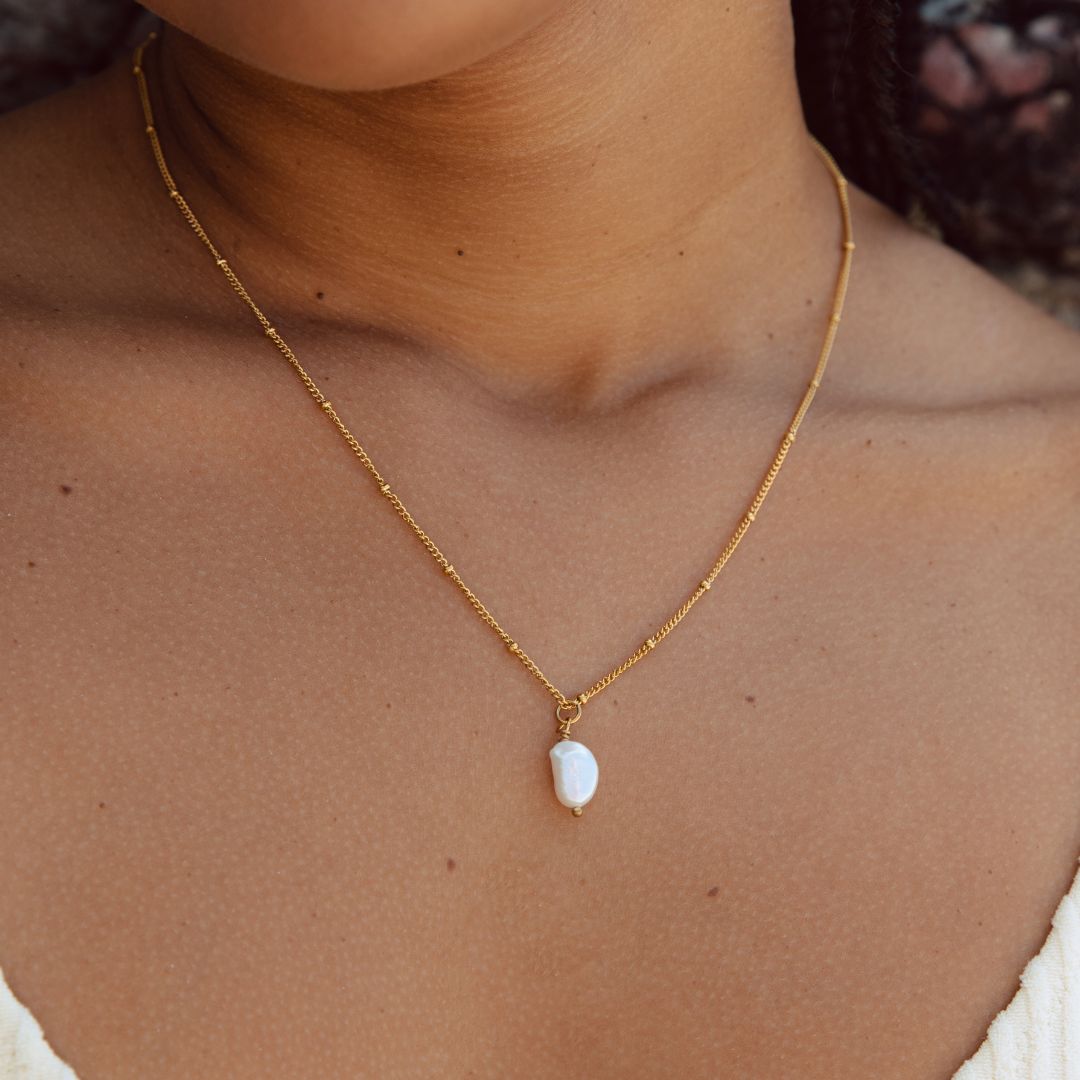
Warm undertones typically look particularly striking in yellow gold and rose gold, since these warmer metal tones harmonize naturally with warm skin coloring.
Neutral undertones offer the most flexibility, generally looking equally beautiful in nearly any metal tone, allowing for more personal preference driven choices rather than being guided primarily by skin undertone considerations.

Consider Your Face Shape for Earrings
Beyond skin undertone, your face shape can offer helpful guidance specifically when it comes to choosing earring styles that complement your particular features.
Round Faces
Those with round faces often find that elongated earring styles, such as drop earrings or angular geometric designs, help create a lengthening visual effect that balances rounder facial proportions.
Square Faces
Square faces frequently pair well with rounded earring shapes, such as hoops or curved designs, since these softer shapes help balance more angular, defined facial features.
Oval Faces
Oval faces are generally considered the most versatile, working well with nearly any earring style, from bold statement pieces to delicate studs, without significant concern about proportion.
Heart Shaped Faces
Heart shaped faces, often characterized by a narrower chin, tend to look particularly flattering in stud earrings or earrings that widen slightly toward the bottom, helping balance the proportions of the lower face.
Long Faces
Longer face shapes often benefit from shorter, more compact earring styles, such as studs or small huggie hoops, since larger, elongated designs can sometimes emphasize the face's existing length.

Think About Your Neck Length and Shape for Necklaces
Necklace styling can also be guided by considering your specific neck length and shape, helping you choose lengths and styles that create the most flattering overall effect.
Shorter Necks
Those with shorter necks often find that longer necklaces, extending well below the collarbone, help create a more elongating visual effect, while chokers or very short necklaces may feel less proportionate.
Longer Necks
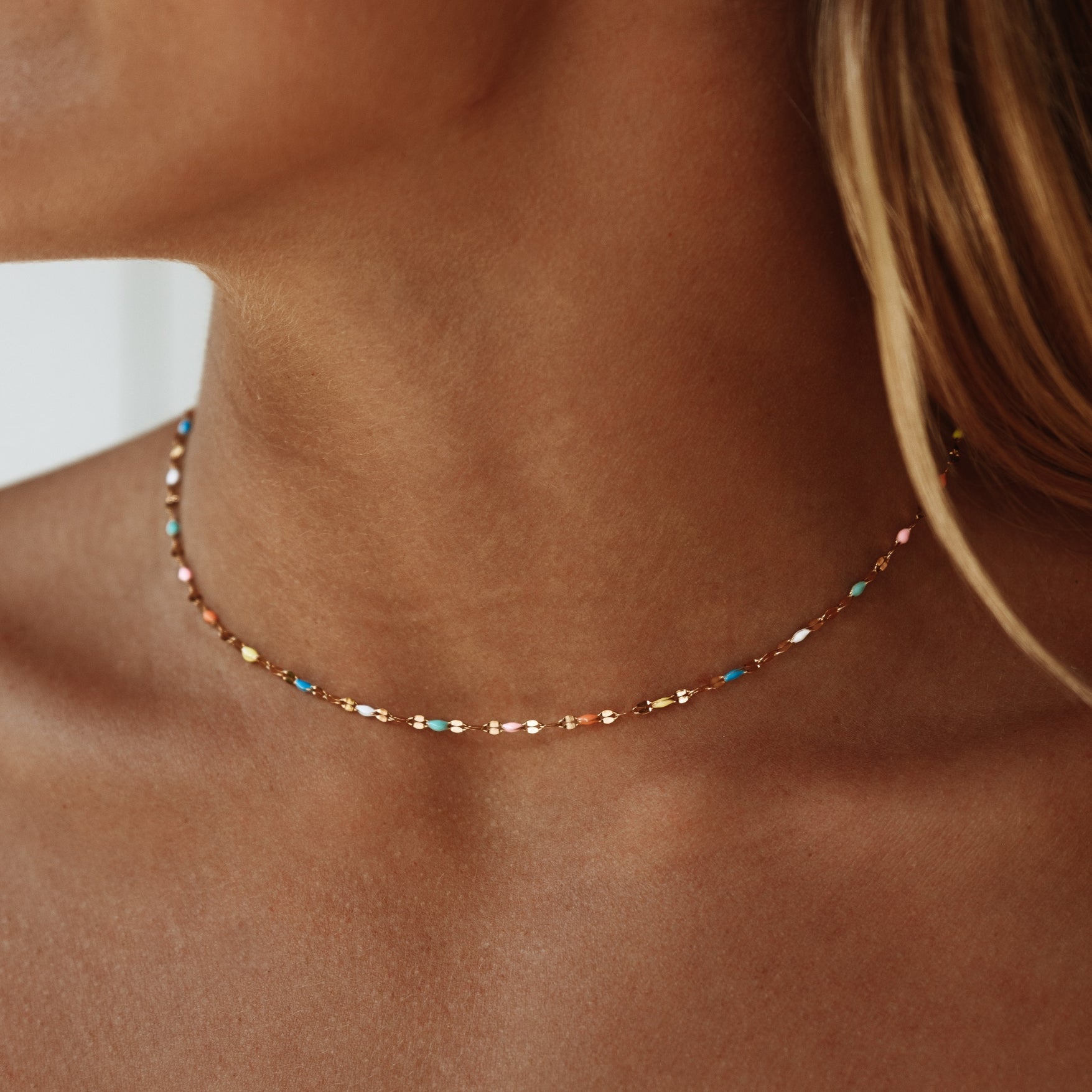
Longer necks tend to look particularly elegant with shorter necklaces, including chokers, since this length draws attention to the neck itself without appearing to further elongate an already longer neck shape.
Layered Necklace Considerations
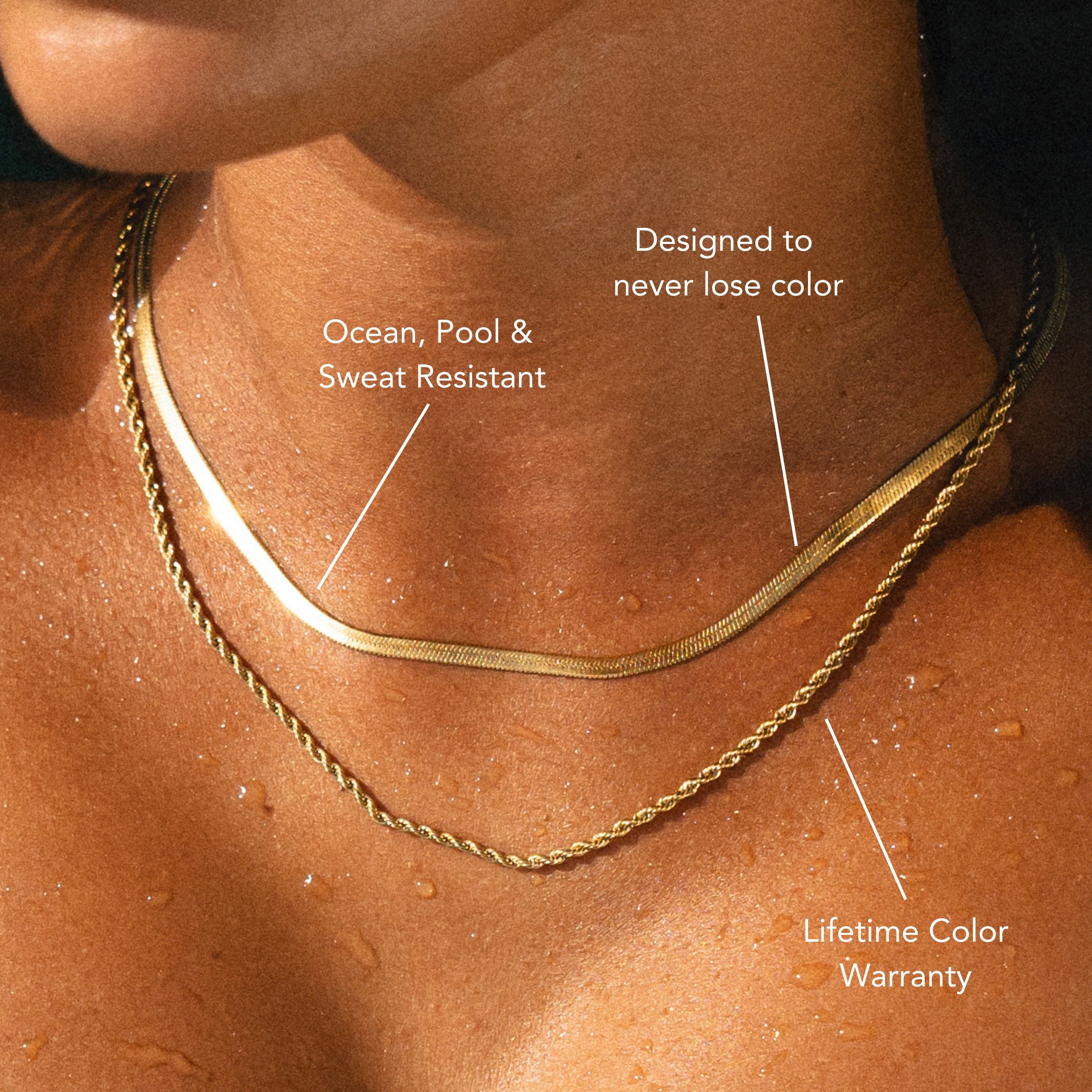
For those unsure about a single specific length, layering multiple necklaces of varying lengths together offers a versatile alternative that tends to work well across a range of different neck shapes and proportions.
Factor In Your Wrist and Hand Size for Bracelets and Rings
Similar principles apply to bracelets and rings, where your specific wrist and hand proportions can help guide flattering style choices.
Smaller Wrists
Those with smaller, more delicate wrists often find that thinner bracelets and a slightly smaller overall stack create a more proportionate, balanced look, while larger, chunkier styles may feel disproportionately bulky.
Larger Wrists
Larger wrists frequently support a wider range of bracelet widths and styles without appearing overwhelmed, offering more flexibility in terms of bold, statement making designs.
Ring Considerations for Finger Shape
For rings specifically, those with shorter fingers often find that vertically oriented designs, such as marquise cut stones or elongated settings, create a lengthening visual effect, while those with longer fingers generally have more flexibility to experiment with a wider range of ring widths and styles.

Consider Your Personal Style and Lifestyle
Beyond these more physical, feature based considerations, your overall personal style and daily lifestyle play an equally important role in determining what jewelry genuinely looks and feels best on you.
Minimalist Versus Maximalist Preferences
Some people naturally gravitate toward simple, understated jewelry, while others feel most authentically themselves in bold, statement making pieces. Neither approach is inherently better, and recognizing your own genuine preference, rather than following trends that do not feel authentic to you, ultimately leads to jewelry choices that feel most flattering and comfortable.
Daily Activity Level
Your typical daily activities should also factor into which jewelry styles genuinely work best for your lifestyle. Those with highly active daily routines may find that more delicate, dangling jewelry styles feel less practical compared to sturdier, more secure pieces, regardless of how those styles might otherwise complement their features.
Experimenting to Discover Your Preferences
While the guidelines above offer a helpful starting point, discovering what jewelry genuinely looks best on you often requires some hands on experimentation over time. Trying different metal tones, earring shapes, and necklace lengths, whether through trying on pieces in store or borrowing from friends, can help you develop a clearer, more confident sense of your personal preferences beyond general guidelines alone.
Paying attention to which pieces consistently earn compliments, or simply which ones make you feel most confident when you look in the mirror, offers valuable, personal insight that general styling advice cannot fully replace.
Building Confidence in Your Personal Jewelry Choices
Ultimately, figuring out what jewelry looks best on you is as much about building personal confidence as it is about following specific styling guidelines. While understanding factors like skin undertone and face shape can provide a helpful starting framework, your own genuine preferences and how a particular piece makes you feel should always take priority over strict adherence to general rules.
Common Mistakes to Avoid
A few common mistakes can prevent people from finding jewelry that genuinely suits them well. Avoid choosing pieces solely based on current trends without considering whether they actually complement your specific features or personal style. Avoid assuming general guidelines apply universally, since personal preference and individual variation always play a meaningful role beyond broader styling frameworks. Avoid overlooking practical lifestyle considerations, since even the most flattering piece will not feel worthwhile if it does not realistically fit into your daily routine.

Final Thoughts
Learning how to figure out what jewelry looks best on you comes down to understanding a combination of physical factors, like skin undertone and face shape, alongside your own genuine personal style preferences and daily lifestyle needs. While general guidelines offer a helpful starting point, true confidence in your jewelry choices ultimately comes from experimentation and paying attention to what genuinely makes you feel your best.
Whatever specific styles you discover work well for you, the most important factor remains choosing jewelry that feels authentically yours, rather than simply following trends or rules without considering your own unique preferences and features.
Frequently Asked Questions
1. How do I know if I have a warm or cool skin undertone?
Checking the color of your wrist veins in natural light offers a simple guide, with blue or purple veins suggesting cool undertones and green veins suggesting warm undertones.
2. Does face shape really matter when choosing earrings?
Yes, certain earring shapes tend to complement specific face shapes particularly well, though personal preference should always remain the most important factor.
3. What necklace length works best for a shorter neck?
Longer necklaces, extending well below the collarbone, often create a more flattering, elongating effect for those with shorter necks.
4. Should I follow strict jewelry styling rules or trust my own preferences?
General guidelines offer a helpful starting point, but your own genuine preferences and comfort should always take priority over strict adherence to specific rules.











コメントを書く
このサイトはhCaptchaによって保護されており、hCaptchaプライバシーポリシーおよび利用規約が適用されます。