



Who Invented Hoop Earrings: Fascinating History Revealed
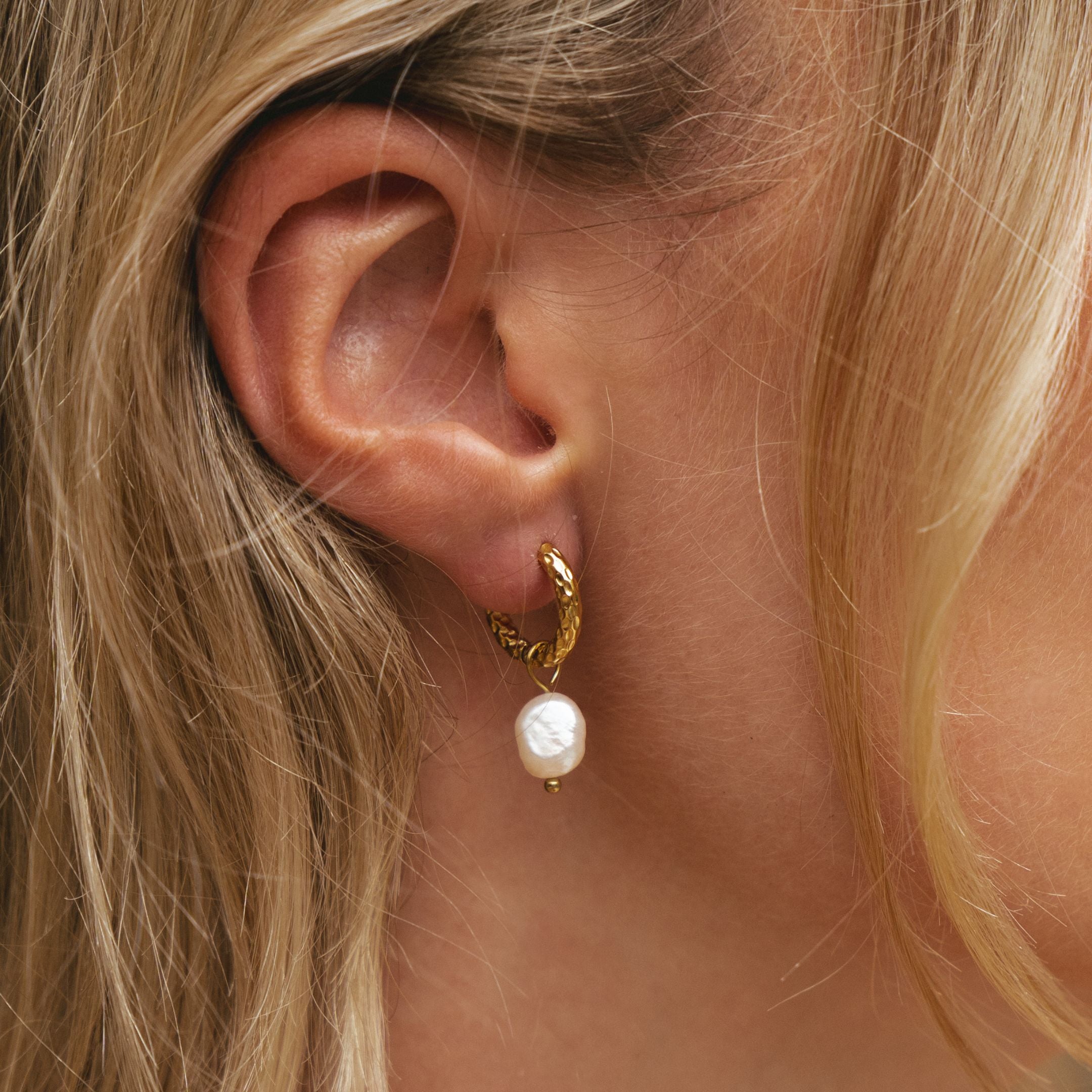
Who invented hoop earrings? Nobody “invented” hoop earrings; you’ll find they emerged independently across ancient cultures as simple metal rings blending status, craft, and symbolism. Archaeological finds from Sumer, Egypt, Greece, and Rome show metalworkers shaping copper, bronze, and gold into circular forms as early as 2500 BCE. Hoops represented rank, protection, ritual meaning, and style, then spread through trade and empires. Their forms continued evolving across Africa, Asia, and modern fashion—now seen in designs like Hypoallergenic Hoop Earrings, which combine timeless style with everyday comfort.
Who First Wore Hoop Earrings? (Short Answer)
Though we can't name a single person, ancient civilizations—particularly the Sumerians, Egyptians, and later the Greeks and Romans—were among the first to wear hoop earrings. Artisans crafted simple metal rings as early as 2500 BCE, and both men and women wore them as status markers, protective talismans, and decorative items.
You trace cultural significance through rituals, burial goods, and iconography that show hoops signaling rank, wealth, and belief. As you consider fashion evolution, notice patterns: practical metallurgy enabled larger, more ornate designs; trade spread styles; gendered use shifted across eras.
You'll interpret hoop earrings not as static objects but as dynamic symbols that moved with social change, technology, and personal expression across time.

Early Archaeological Evidence of Hoop Earrings
Having sketched who first wore hoops and why they mattered, we can look to the material traces that confirm those stories. You examine burial sites, shipwrecks, and settlement layers where fragments of metal and organic hoops survive.
Those fragments—copper, bronze, gold, even bone—are ancient materials that tell technological and trade tales: hammer marks reveal workshop skills, patina indicates burial conditions, and wear patterns show repeated use.
You interpret context: a hoop found with household goods suggests daily adornment, while one in a ritual pit hints at symbolic roles.
Archaeological stratigraphy and typology let you map diffusion across regions, linking objects to practices. In that way, material evidence helps you weigh the cultural significance of hoops over time.
Egypt & Mesopotamia: Status, Religion, and Craftsmanship
When you move from scattered finds to the early urban centers of Egypt and Mesopotamia, hoop earrings emerge not just as personal ornament but as markers of social rank, religious identity, and advanced metalworking.
You see craftsmen refining gold and electrum techniques, turning simple rings into symbols of office worn by elites; their presence in tombs and temple inventories reflects a clear social hierarchy.
In ritual scenes, hoops punctuate depictions of gods and priests, linking personal adornment to ancient rituals that reinforced cosmic order.
You read inscriptions and study iconography to trace how manufacture, weight, and ornamentation signaled status and piety.
Africa & the Mediterranean: Regional Hoop Designs and Meanings
Leaving the courtly tombs and temple lists of the Nile and Tigris, you follow hoop earrings as they travel across the Sahara and the Mediterranean shores, where local materials, trade networks, and cultural encounters reshape their forms and meanings.
You encounter regional variations: broad, hammered gold in Sahel courts, thin braided copper among coastal fisherfolk, and heavy carved bone in inland communities.
Contextual analysis shows craftsmanship techniques tied to resource access and social role; smithing, weaving, and carving convey different symbolic meanings—status, protection, marital identity.
Traditional styles persist in ceremonies, while modern adaptations remix motifs for urban identity and diaspora connections.
Reading these transformations, you see how cultural significance is negotiated, made, and remade across landscape and time.
Greek & Roman Adoption and Trade Routes
Because Greek and Roman societies sat at the crossroads of Mediterranean exchange, hoop earrings moved from peripheral craft to urban fashion through merchants, sailors, and workshops that translated foreign forms into local tastes.
You trace routes on amphorae-strewn docks and see how Greek trade carried Phoenician and Egyptian influences into Aegean markets; artisans adapted shapes, metal alloys, and motifs to suit civic identity and theatrical display.
In Rome, you watch patrons commission larger, gilded hoops as status markers, while itinerant jewelers replicated designs across provinces.
This movement wasn't random: commercial networks, coinage stability, and guaranteed workshops standardized production and spread styles.
Reading inscriptions and burial finds, you connect economic systems to personal adornment—hoops became visible evidence of cultural contact and evolving Roman fashion.
Hoop Earrings in Asia and the Indian Subcontinent: Techniques and Symbolism
Although shaped by long-distance trade and local innovation, hoop earrings in Asia and the Indian subcontinent evolved through distinctive techniques and meanings that linked material practice to social life.
You trace artisans using traditional techniques—filigree, granulation, lost-wax casting—to shape gold, silver, and alloys into concentric forms that signaled status, marital identity, and regional belonging.
As you explore markets and ritual contexts, the narrative shows how size, ornament, and metal mattered: heavy karnaphool hoops in Bengal differed from delicate Javanese hoops or temple-style Indian kundan sets.
You analyze how ceremonies, caste, and gender expectations invested simple circles with cultural symbolism, while local workshops adapted designs to available resources.
This regional story ties craft knowledge to lived social meanings without suggesting a single origin.

Colonialism and the Transatlantic Spread of Hoop Styles
The regional practices and meanings you just explored set the stage for a much wider circulation of hoop forms once European colonial networks began reshaping trade, labor, and visual culture across oceans.
You trace how colonial influences funneled materials, motifs, and artisans into new markets: Spanish, Portuguese, and British ports moved gold, silver, and techniques between Africa, the Americas, and Asia.
As forced and voluntary migrations mixed aesthetics, hoop designs adapted—becoming markers of identity, resistance, or assimilation depending on context.
You notice cultural exchange wasn't equal: power imbalances framed whose styles were commodified and whose meanings were erased or romanticized.
Reading these shifts, you see how hoops traveled not just as ornaments but as objects embedded in colonial economies and contested visual narratives.
20th‑Century Reinvention and Why Hoop Earrings Endure Today
When designers and wearers began reworking hoop silhouettes in the 20th century, they turned a centuries-old form into a flexible symbol that could signal glamour, defiance, or everyday belonging depending on scale, material, and context.
You follow that arc as hoop earrings move through fashion evolution: Art Deco streamlined metal, postwar Hollywood amplified size, and street cultures in the 1960s–90s reclaimed hoops as identity markers.
Analytically, their endurance rests on adaptability—you can read social cues from tiny gold hoops to oversized acrylic rings.
Narratively, that adaptability lets hoops travel between runways, protest marches, and kitchens without losing meaning.
Their cultural significance comes from being both accessible craft and designer statement, a wearable language that keeps translating itself to each generation.

Frequently Asked Questions
Do Hoop Earrings Have Symbolic Meanings in Modern Subcultures?
Yes—you’ll find hoop earrings carry cultural significance and serve as fashion statements; you’ll analyze how subcultures adopt them narratively, linking identity, resistance, and style, showing symbolic layers that evolve with community meanings and trends.
Are Hoop Earrings Suitable for Pierced and Non-Pierced Ears?
Yes — you can wear hoop earring styles on pierced and non-pierced ears; you’ll choose hoops with posts or clips, magnetic or clip-on options, and follow wearing tips for comfort, fit, symmetry, and stylistic impact.
What Materials Are Best for Sensitive Skin or Metal Allergies?
You should choose hypoallergenic options like titanium, surgical stainless steel, niobium, or 14k+ gold to avoid skin reactions; try coatings, niobium anodizing, or plated alternatives, and test briefly to confirm your individual tolerance.
How Have Celebrity Trends Influenced Hoop Earring Popularity?
You see celebrity endorsements revive hoop earring popularity by sparking trends, shaping fashion cycles, and driving demand; you watch stylistic callbacks and reinventions unfold, as influencers narrate cultural shifts and retailers quickly capitalize on renewed interest.
Can Hoop Earrings Be Resized or Repaired at Home?
Yes—you can often resize or repair hoops at home, but you’ll need proper resizing tools and DIY techniques; assess metal type, work carefully, solder only if skilled, and consider professional help for valuable or intricate pieces.
Conclusion
You’ve traced hoop earrings from ancient craftsmen to modern icons, discovering how they signaled status, faith, and identity across cultures. Seeing them in Egypt, Mesopotamia, Africa, Greece, Rome, Asia, and the Americas reveals trade, adaptation, and resilience—objects that survived colonial upheaval and were reclaimed in the 20th century. Hoop earrings endure because they’re simple, versatile, and charged with layered meanings, connecting you to centuries of craftsmanship and cultural dialogue.










Leave a comment
This site is protected by hCaptcha and the hCaptcha Privacy Policy and Terms of Service apply.