


What's the Biggest Ring Size: 5 Surprising Facts You Should Know
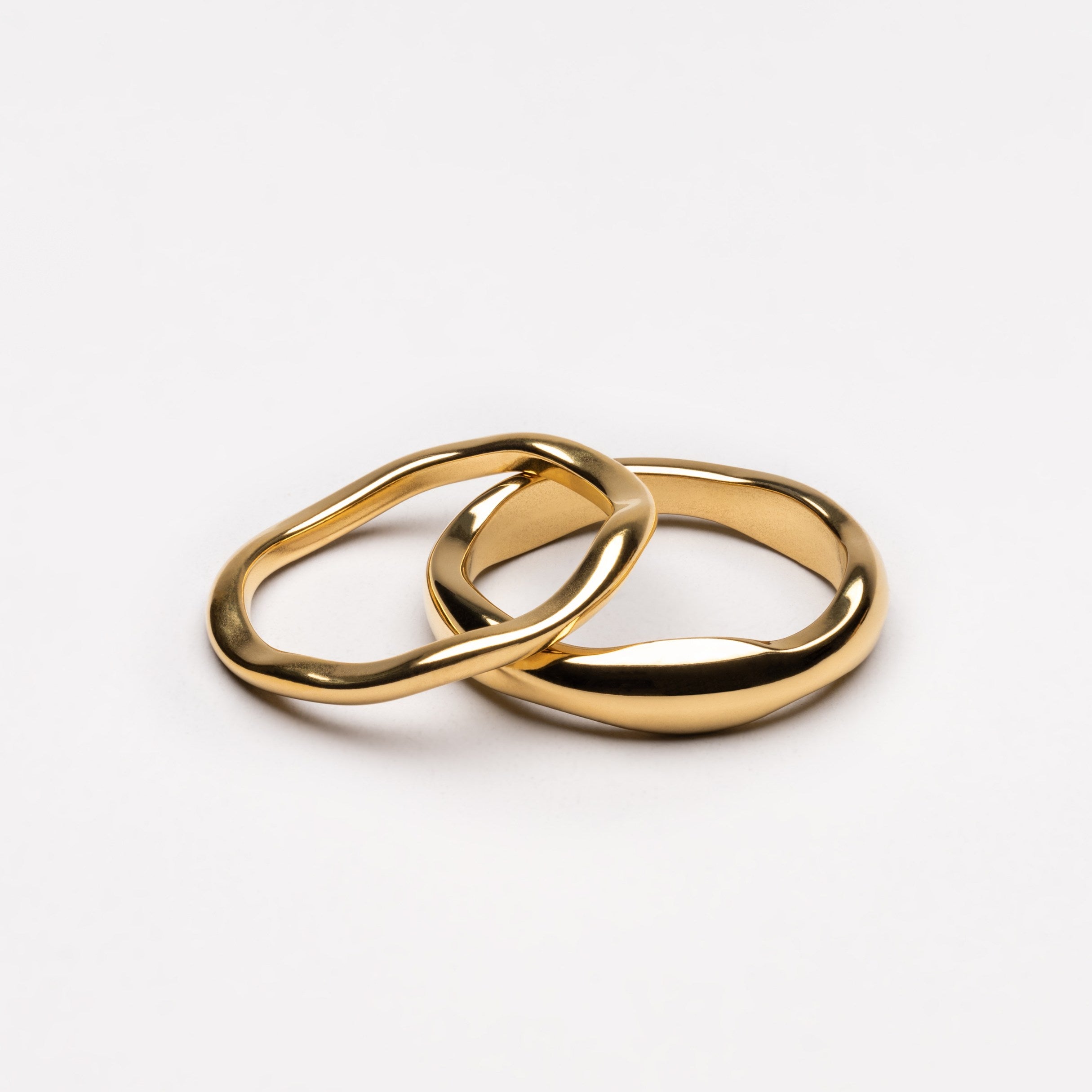
What’s the biggest ring size? Quick answer: the biggest common ring sizes top out around US 13–14 (UK Z+ range) in mainstream lines, but custom jewelers can create rings in sizes 16–17 or larger with diameters around 22–24 mm. Measuring accurately with proper tools ensures a better fit, especially for larger sizes, and custom pieces often involve higher material costs and longer production times. Practical solutions like sizing guards or comfortable designs—such as those in the Waterproof Rings collection—can also help improve fit and everyday wear.
Quick Answer: What the Biggest Ring Sizes Are (US, UK, ISO)
If you need a quick reference, here’s the short answer: the largest commonly available ring sizes are about US 16–17 for men and US 10–12 for women, which correspond roughly to UK sizes Z+ to Z+4 and ISO inner diameters up to about 22–24 mm; specialty jewelers can go larger on request.
You’ll want to know that mainstream manufacturers stock those upper limits because demand drops and tooling changes. When you shop, check how retailers list ring size against international standards so you avoid conversion errors.
If you’re considering an oversized band, prioritize comfort-fit designs and ask about metal thickness and scaling—it affects fit.
For bespoke pieces, expect lead times and small extra costs for nonstandard ring size fabrication.

Measuring Large Ring Sizes (Tools, Conversions, Accuracy Tips)
Knowing typical maximum sizes helps, but measuring large ring sizes requires different tools and attention than standard ranges—you'll need methods that handle wider bands, heavier metals, and greater circumference without sacrificing accuracy.
You’ll rely on calibrated mandrels made for large diameters, flexible metal tape measures, and adjustable ring sizers rather than thin paper strips. Use measuring techniques that record both circumference and internal diameter, then cross-reference multiple readings.
Convert carefully—small errors magnify in large sizes—using trusted sizing charts and ISO conversion tables. Account for band width by adding 0.5–1.5 sizes for wide styles, and repeat measurements at different times of day to control swelling.
Log each measurement, tool used, and conversion to guarantee reproducibility and minimize resizing later.
Manufacturer Size Limits vs. Custom Jeweler Options
Although many manufacturers cap off-the-shelf rings around size 13–14 (sometimes smaller for elaborate settings), you can usually get beyond those limits by working with a custom jeweler who'll stretch, remake, or fabricate to order.
You'll find custom sizing opens design options that mass producers can't match: wider bands, reinforced shanks, or split styles that keep proportions balanced at large diameters.
Pay attention to material considerations — platinum and gold alloys behave differently when enlarged, while titanium or tungsten may need a remake rather than resizing.
Tell your jeweler your style preferences so they can suggest structural tweaks and finish choices that read true to scale.
A skilled bench jeweler turns sizing constraints into tailored, wearable statements.

Practical Solutions for Oversized Rings (Resizing, Guards, Alternatives)
When you face a ring that's too large, you’ve got several practical fixes that keep the look intact without sacrificing comfort.
You can opt for professional ring resizing to permanently adjust band width and guarantee proper fit while preserving gemstones; experienced jewelers recommend resizing for classic metals.
If you prefer noninvasive options, sizing guards or silicone inserts offer discreet, reversible stabilization—great for occasional wear or heirloom pieces.
Consider alternative materials like titanium or lightweight composites for wide bands that would otherwise feel bulky when enlarged.
For unique preferences, work with a jeweler on custom designs that redistribute weight, alter shank profile, or add hidden shanks to improve fit.
Each choice balances aesthetics, durability, and daily comfort.
Cost, Timeline, and Shopping Tips for Very Large Ring Sizes
Because very large ring sizes require more material and specialized work, you'll pay more and wait longer than for standard sizes—but with the right expectations you can control cost, timeline, and outcomes.
Start by budgeting for extra metal and labor: larger size considerations typically add 20–50% to pricing, especially with platinum or custom settings.
Expect a 4–12 week lead time for bespoke pieces; expedited services cost more.
Shop with reputable jewelers who document measurements, offer CAD previews, and explain unique design challenges like weight balance, prong integrity, and stone security.
Ask about warranties, resizing policies, and return windows.
Compare custom quotes, request material breakdowns, and prioritize makers experienced with oversized rings to minimize surprises and guarantee a durable, stylish result.

Frequently Asked Questions
Can Ring Size Change Significantly With Weight Fluctuations?
Yes — you’ll often notice ring size shifts with weight fluctuations; fingers swell or slim, so you’ll need sizing adjustments periodically. Trust jewelers’ measurements, track trends, and opt for adjustable styles when changes recur.
Are Oversized Rings More Prone to Loss or Theft?
Yes — you’re likelier to lose or have an oversized fashion ring stolen; its fit and visibility compromise ring security, so you should secure sizing, wear discreetly, and choose sturdy settings to minimize risk and unwanted attention.
Do Medical Conditions Affect Recommended Ring Sizes?
Yes—you should adjust ring size when medical conditions cause swelling; conditions like lymphedema, arthritis, pregnancy, or vascular issues change finger volume, so sizing adjustments account for swelling factors and long-term comfort and safety.
Can Engraving or Gemstones Impact Sizing Accuracy?
Yes — engraving techniques and gemstone settings can affect sizing accuracy; you’ll need adjustments for heavy engravings, channel or bezel stones, and tapered shanks, so consult a jeweler to guarantee fit, comfort, and long-term stability.
Are There Cultural Norms for Very Large Ring Sizes?
Yes — you’ll find cultural significance tied to very large ring sizes in some societies; fashion trends and status display drive their use, while other cultures avoid excess. You’ll notice regional preferences, symbolism, and evolving trend cycles.
Conclusion
Now you know the real landscape of oversized rings: standard manufacturers typically stop around US sizes 13–15 while custom jewelers and ISO systems can go much larger. Measure carefully with proper tools or a pro, expect higher costs and longer lead times for custom work, and consider practical fixes like guards or tapered shanks when immediate resizing isn’t possible. Shop specialty makers, confirm accurate conversions, and plan for durable settings that balance style, fit, and wearability.









%20in%20mainstream%20lines,%20but%20custom%20jewelers%20can%20create%20rings%20in%20sizes%2016%E2%80%9317%20or%20larger%20wi...)
Leave a comment
This site is protected by hCaptcha and the hCaptcha Privacy Policy and Terms of Service apply.