

What Is the Ring Finger for Women: Meaning and Tradition Explained
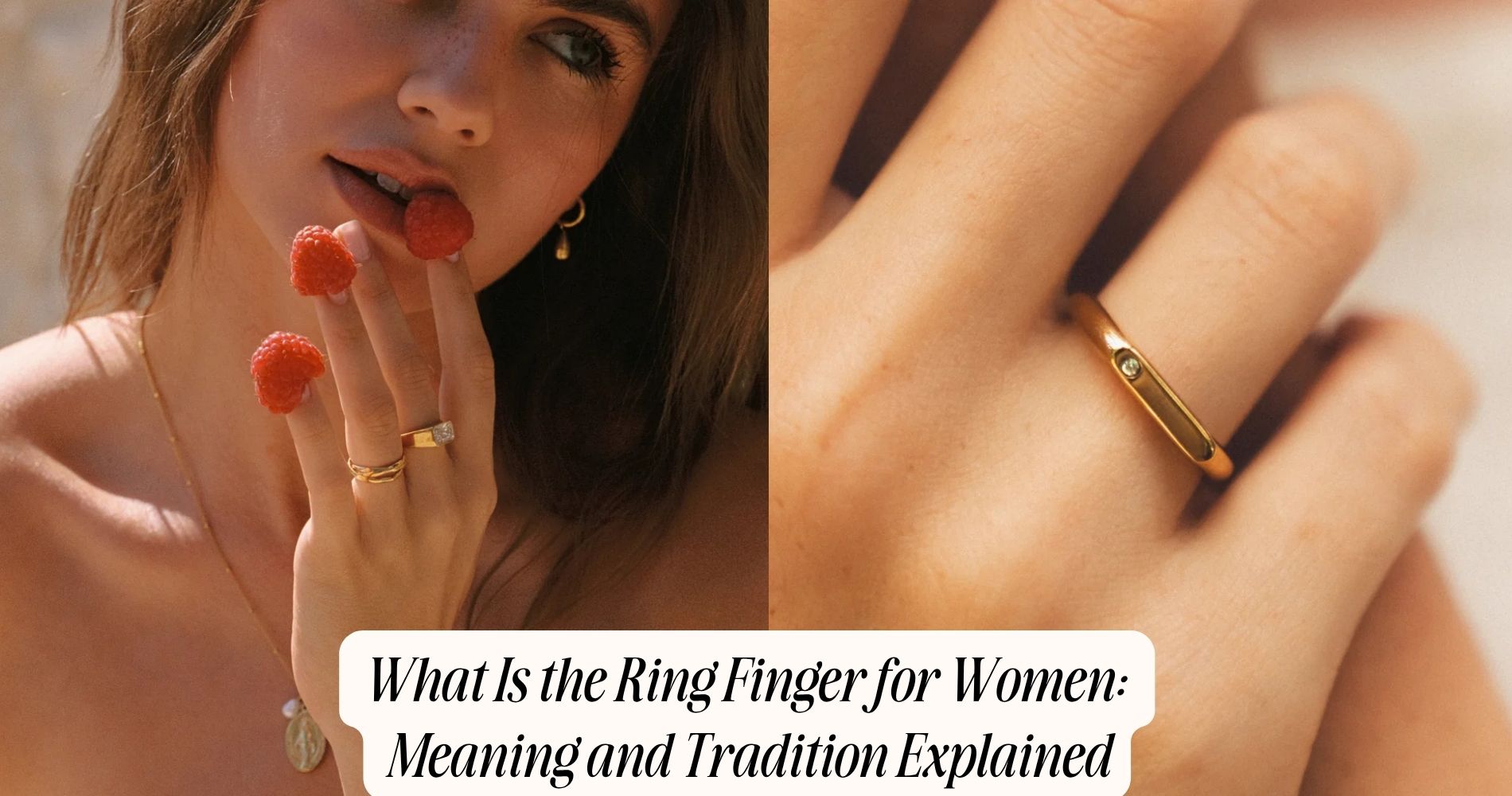
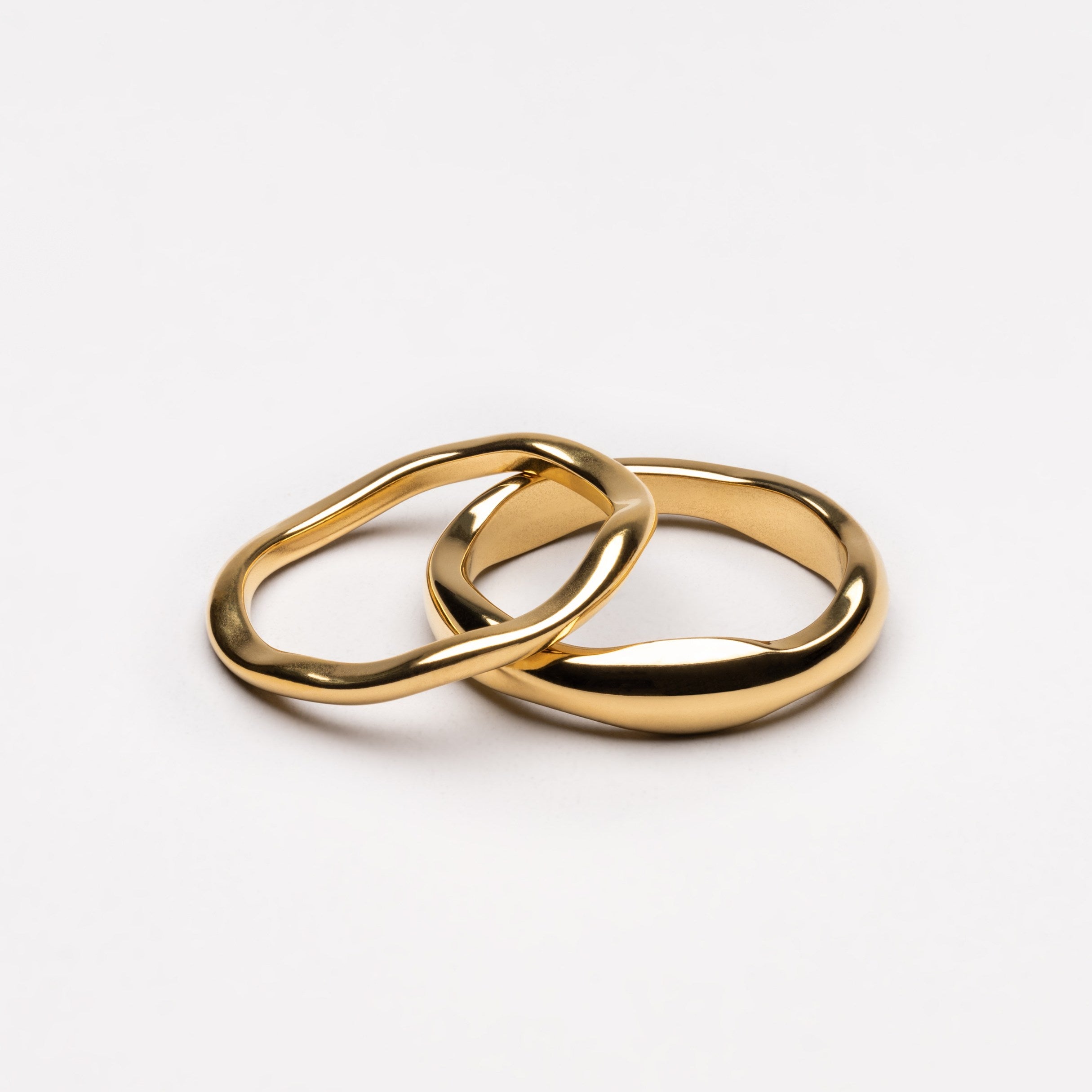
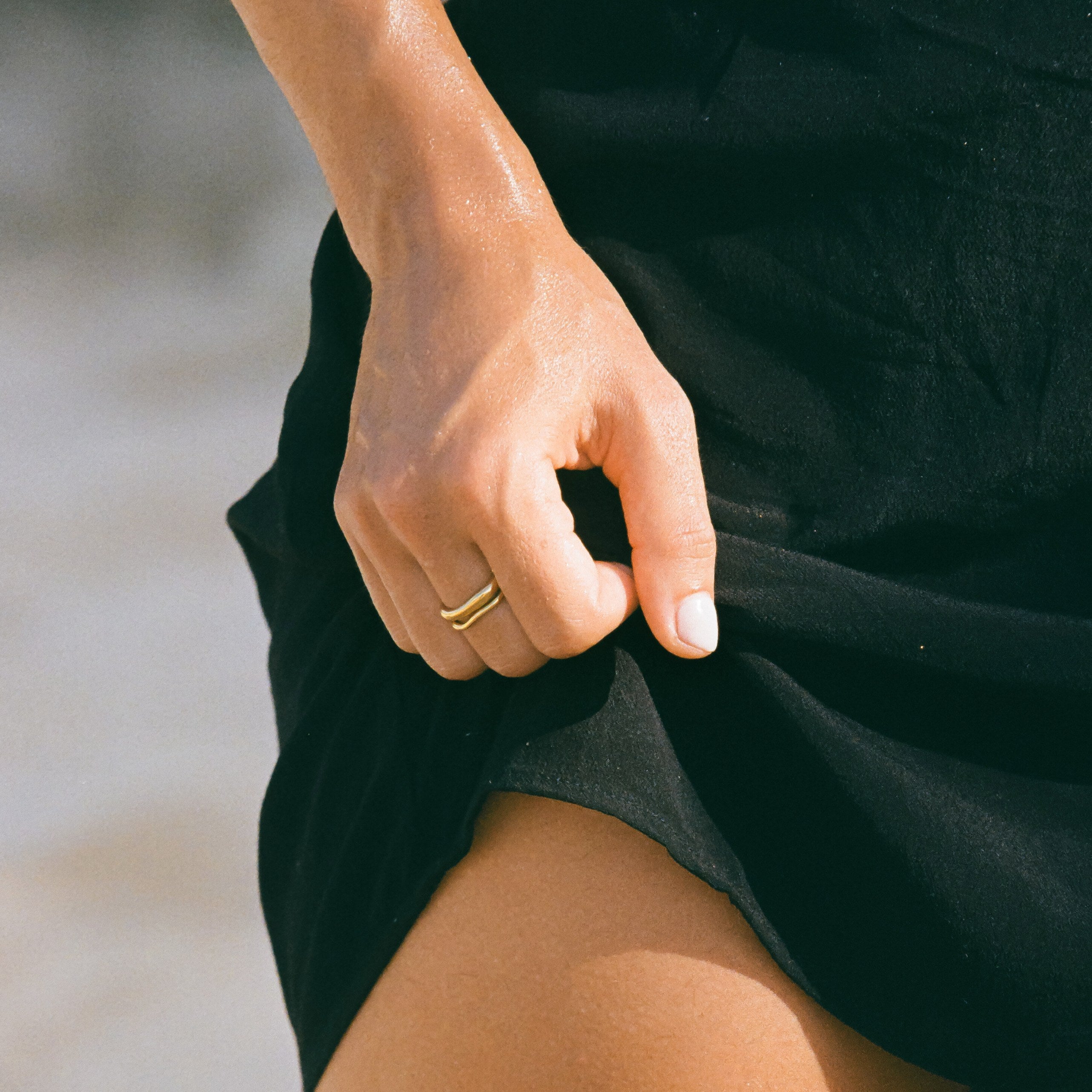
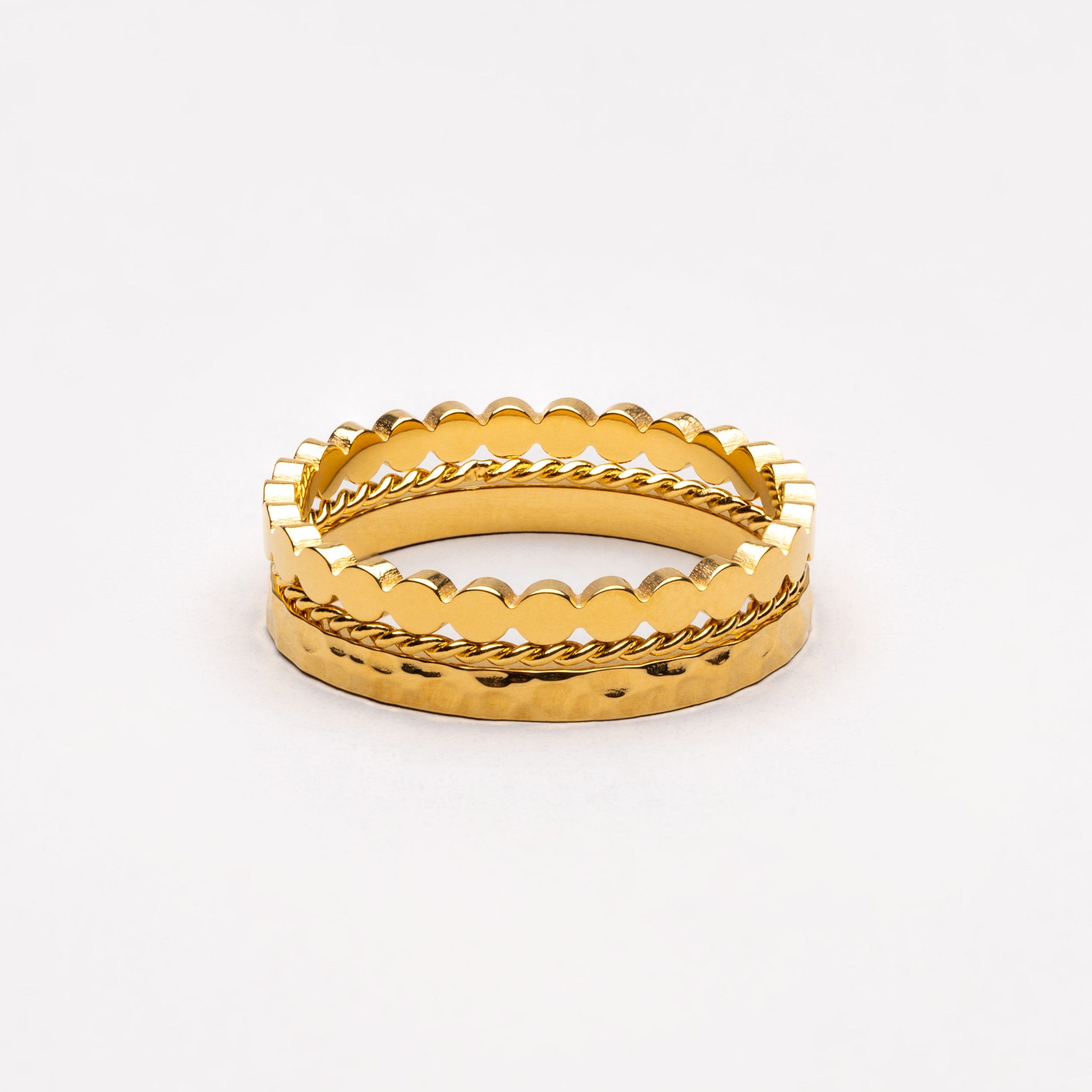
What is the ring finger for women? You typically wear—or may choose—the fourth finger on your left hand because many cultures associate it with love, marriage, and lifelong commitment; historically, it was believed to have a vein connected directly to the heart. In Western traditions, engagement and wedding rings are often worn there, though some cultures prefer the right hand or different fingers. Today, rings can also reflect personal style, beliefs, or status, with trends like stacking becoming more popular—styles you can explore in collections like Minimalist Gold Rings.
The Ring Finger : Definition and Placement
Think of the ring finger as the fourth finger on your hand, sitting between the middle finger and the little finger; it's the traditional spot for wedding and engagement rings in many cultures.
When you consider ring anatomy, you're looking at how the band sits on the phalanx, how width and profile affect comfort, and how sizing must match your knuckle and palm shape. You’ll want a fit that lets the ring move slightly without spinning or pinching.
Also note how finger symbolism plays into choice: placement communicates intent, and different cultures assign meanings to left versus right hands. Trust your comfort and the message you want to send when choosing style, metal, and exact placement.

How the Ring Finger Came to Mean Love and Marriage
Although the exact origin is lost to history, many of the rituals that link the ring finger to love and marriage grew from ancient beliefs and practical customs you can still see today.
You learn that the idea of a direct vein connecting that finger to the heart—though anatomically incorrect—gave early cultures a poetic rationale, and that symbolism stuck.
Over time, marriages used rings as tangible promises; their historical significance appears in legal, religious, and social records where a band signified commitment, property, or alliance.
Different societies layered meanings—fertility, loyalty, status—so the finger became a focal point of cultural symbolism.
When you consider these threads, you’ll see the ring finger as both personal choice and centuries-old tradition.
Western Use: Engagement and Wedding Rings on the Ring Finger
In Western cultures, the ring finger has become the default place to show you're promised or married, and people wear specific rings—an engagement ring before marriage and a wedding band afterward—to signal that commitment.
When you get engaged, the engagement symbolism often centers on a single stone or meaningful design that says "we're planning a future." You'll likely wear that ring on your left hand until the ceremony, when many couples exchange bands and shift the emphasis to equality and shared vows.
Wedding customs vary—some stack both rings, some replace the engagement ring with the band—but the practical point is the same: the ring finger communicates your relationship status to others.
Choose rings that feel right for you and your partnership.

Ring Finger and Alternative Finger Traditions Worldwide
When you travel or talk with people from different backgrounds, you'll notice that the ring finger isn't the only place people mark relationships or status—many cultures assign other fingers or even different hands for engagement, marriage, mourning, and class symbols.
You should know that cultural variations are practical and personal: in some countries, wedding bands go on the right hand; elsewhere, thumb rings signal rank or protection.
Don't assume meanings—symbols shift by region, age, and family. Observe and ask gently; people usually appreciate curiosity when it's respectful.
Learning local symbolic meanings helps you avoid faux pas and shows care for traditions. If you're choosing where to wear a ring, consider both your identity and the culture you're interacting with.
Religious and Spiritual Meanings Tied to the Ring Finger
Because people often attach deep meaning to where a ring sits, you’ll find the ring finger layered with religious and spiritual significance across traditions—some see it as connected to the heart or soul, others link it to vows, protection, or divine favor.
You’ll encounter spiritual symbolism tying that finger to life force, breath, or a subtle channel between you and the sacred. In many faiths, placing a ring there marks a blessing or commitment infused with ritual meaning, not merely ornament.
If you're exploring or choosing a ring, consider local cultural significance and personal belief: it can comfort you, signal devotion, or act as a talisman.
Respect for others’ practices helps you honor these layered meanings.
What a Ring on the Ring Finger Signals About Relationship Status
One clear signal a ring on your ring finger often sends is that you're in a committed relationship—people tend to read that placement as engagement or marriage. When you wear a ring there, you're broadcasting relationship signals that others interpret quickly; those status indicators act like social shorthand.
Remember cultural significance varies, though: some societies assign different fingers or meanings, so context matters.
Emotionally, the ring can carry deep emotional symbolism—love, promise, history—that feels private yet visible. You can consider how societal norms shape others' reactions while recognizing the ring also serves as personal expression.
If you want to navigate assumptions, be ready to explain your choice gently; empathy and clear communication help align perception with your reality.

Practical Tips: Choosing Which Finger to Wear a Ring On
Choosing which finger to wear a ring on can feel surprisingly personal, so think about comfort, meaning, and how often you want people to notice it.
Start by trying rings on different fingers to judge fit and how they affect daily tasks—thumb and index rings may feel more intrusive than slim bands on the ring or pinky finger.
Match ring styles to activity: durable, low-profile bands for work; decorative pieces for social events.
Consider finger symbolism—whether you want to signal commitment, individuality, or fashion—and choose accordingly.
Balance aesthetics with practicality: wider bands need a slightly larger size; stacked looks require slimmer profiles.
If unsure, rotate rings between fingers until one feels right and reflects what you want to communicate.
Modern Trends: Stacking, Nontraditional Rings, and Identity
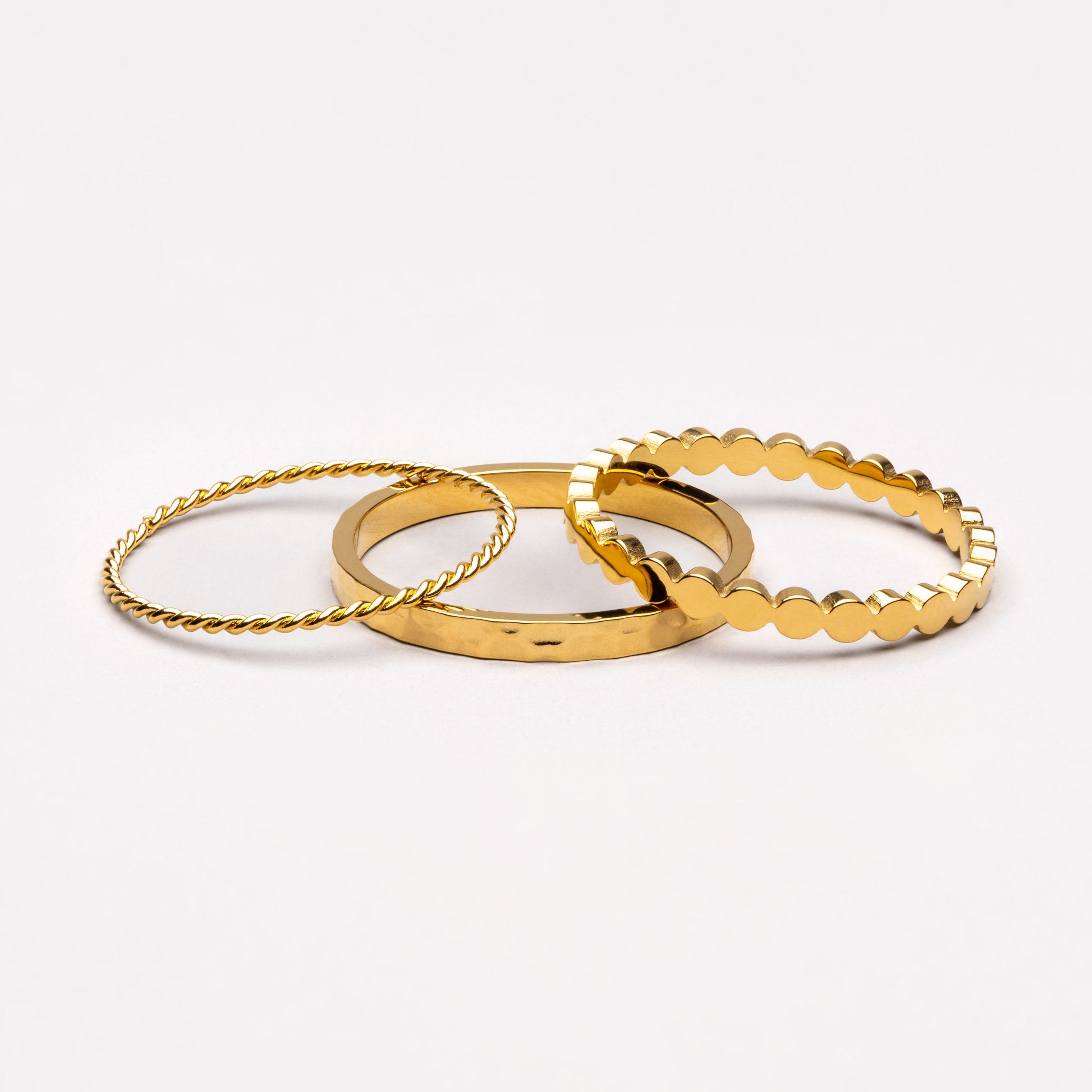
As you explore modern ring trends, stacking, mixing metals, and nontraditional designs let you tell a clearer, more personal story with your hands.
You’ll find stacking styles that use layering techniques to create balance and rhythm, so each ring feels intentional rather than accidental. Choose unique designs that reflect personal expression—minimal bands, gemstone pops, or sculptural pieces—to make subtle fashion statements without shouting.
Think about cultural influences that inform shapes and motifs, and pick items that resonate with your background or curiosity. Remember emotional significance: a ring can mark a milestone or mood, not just a status.
Modern symbolism is flexible, so experiment confidently, edit often, and let your fingers reflect who you're today.
Interpreting a Ring: Culture, Context, and Personal Choice
If you've been experimenting with stacks and unexpected styles, you'll notice that what a ring says can change depending on where you wear it, who you’re with, and the story you give it.
Think about cultural significance: in some places a ring on the right hand signals engagement, elsewhere it marks heritage or status.
Pay attention to context—work, family gatherings, or dates each shape how others read your rings.
Let personal symbolism guide choices: a simple band might remind you of commitment to self, while a heirloom speaks to lineage.
You don’t have to follow rules; you can mix meanings deliberately.
Be mindful, communicate when it matters, and wear what resonates with your values and life stage.

Frequently Asked Questions
Can Ring Finger Placement Affect Finger Circulation or Nerve Health?
Yes — if a ring's too tight you can get circulation issues or nerve compression, so check finger health regularly, loosen or remove rings if numbness, swelling, or color changes occur, and see a doctor if symptoms persist.
Can Allergic Reactions to Metals Change Which Finger People Choose?
Yes — if you’ve allergy sensitivity to certain metals, you’ll often change metal preferences and pick another finger or alternative materials; I’d recommend hypoallergenic options and testing metals to avoid reactions while keeping sentimental meaning intact.
Do Ring Sizes Fluctuate During Pregnancy or Menstrual Cycles?
Yes — your ring size can change: pregnancy changes and menstrual swelling often alter finger measurements, so check sizes frequently, choose adjustable or resizable bands, and be gentle with fit to stay comfortable and safe.
Are There Legal Implications to Wearing Certain Rings in Professional Settings?
Yes — you can face legal implications if jewelry violates workplace policies, safety rules, or anti-discrimination laws; consider ring etiquette, professional perceptions, cultural significance, and personal expression, and discuss concerns with HR to protect your rights.
Can Wearing a Ring Influence Fingerprint or Biometric Scans?
Yes — you might affect biometric accuracy: ring technology rarely alters fingerprint scanners, but bulky or metal rings can change contact patterns or cause false rejects. You should remove or adjust rings for reliable scans and smoother access.
Conclusion
Whether you’re curious about tradition or choosing a ring for yourself, remember there’s no single right answer. Trust your feelings, respect cultural and religious meanings that matter to you, and communicate with partners when symbols affect relationships. If you prefer nontraditional choices—stacking, different fingers, or meaningful but private symbols—that’s perfectly valid. Ultimately, wear what feels true, comfortable, and respectful; your intention matters more than the finger you pick.








Leave a comment
This site is protected by hCaptcha and the hCaptcha Privacy Policy and Terms of Service apply.