

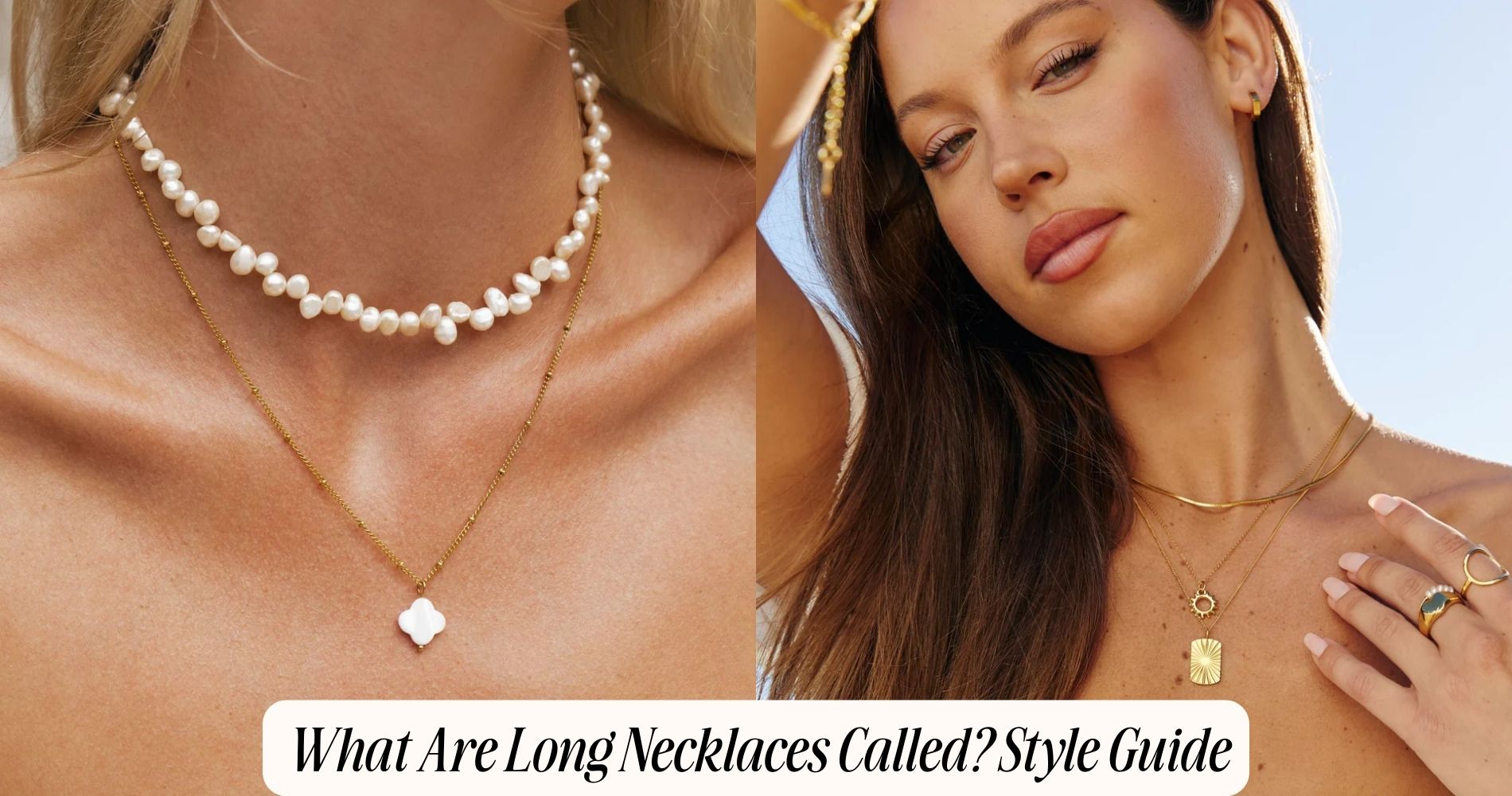
What Are Long Necklaces Called? Style Guide
What are long necklaces called? Long necklaces — typically 24–36+ inches — are called matinee, opera, sautoir, lariat or rope, and each length changes how a piece flatters your neckline and posture. Use a soft tape to test where a chain falls (above, at or below the bust) and pick slimmer styles if you’re petite or bolder ones if you’re tall—an approach that works beautifully with breezy statement pieces from Atolea’s Beach Necklaces collection. Match metal and clasp to outfit formality, layer carefully for balance, and keep going to learn specific pairing and care tips.
What Counts as a Long Necklace: Lengths and Measurements
A long necklace typically falls between 24 and 36 inches, though the term can stretch beyond that depending on styling and body proportion—think opera (28–34") and rope (over 36") lengths.
You’ll learn that long necklace types include matinee, opera, and rope, each altering how a pendant sits and how layers behave.
Choose proportions to flatter your torso: matinee skims the bust, opera drapes lower, rope loops or wraps.
Consider proportions with necklines rather than precise numbers; visual balance matters more than millimeters.
Popular materials such as gold, silver, pearls, and beads change weight, drape, and formality, so pick metals for polish and beads or pearls for texture.
You’ll prioritize comfort, movement, and silhouette when selecting length.

Measuring Necklace Length for the Perfect Sit
Measure twice, mark once: start by draping a soft tape measure or a length of string around your neck to see where different lengths fall on your chest, because visual testing beats numbers alone.
Then note the spot and transfer it to a ruler for an exact measurement. Use simple measuring techniques—sit, stand, and move—to guarantee the necklace sits correctly when you’re in motion.
Consider how necklines, collarbones, and body proportions change the perceived length; jot down preferred anchor points (above bust, mid-bust, below bust).
Compare length variations side by side to decide what flatters your frame and wardrobe.
Keep a reference card with your best measurements so you’ll order or cut chains confidently and avoid surprises.
Glossary: Opera, Matinee, Sautoir, Lariat, Rope
Necklace lengths speak a clear language, and once you learn the key terms—opera, matinee, sautoir, lariat, rope—you’ll pick the right silhouette without guessing.
You’ll recognize matinee as a versatile mid-length that sits near the bust, great for daywear, while opera definitions explain a longer strand that falls below the bust to mid-torso for elegant layering.
Sautoir describes a long, often tasseled piece designed to drape and move, lending instant polish.
Lariat styles are unfastened, flexible cords you’ll knot or loop for custom looks; they’re wearable like jewelry and accessory in one.
Rope refers to very long, continuous strands you’ll wrap or double for volume.
Keep these terms handy so you’ll choose with confidence.
Which Long Necklace Suits Different Necklines
When you pair long necklaces with different necklines, think about balance and focus: longer strands elongate the torso and draw the eye, so choose lengths that either complement your neckline or create a deliberate contrast.
For crew and high necks, wear opera or rope lengths that sit over fabric to add vertical interest without competing with the neckline.
V-necks benefit from a matinee or sautoir that follows the V line, improving neckline compatibility and directing attention inward.
Scoop and square necks handle pendants on longer chains; position the focal point just above the bust for harmony.
Off-shoulder and strapless tops call for a bold lariat or double-wrapped rope to frame the collarbone.
Match proportion and texture to keep looks sophisticated and intentional.

Styling Long Necklaces for Casual Daytime Looks
If you want an effortless daytime look, opt for long necklaces that feel relaxed but intentional — think lightweight chains, simple pendants, or layered ropes that move with you.
Pair them with casual outfits like tees, button-downs, or slip dresses to add polish without fuss. Use layering techniques sparingly: combine one longer chain with a shorter pendant to create depth, or mix textures—beaded ropes with a fine chain—for interest.
Keep metal tones coordinated with everyday accessories like belts or watches. Let necklaces sit over your top rather than under collars to showcase shape and length.
For proportion, match necklace length to your torso and neckline: longer pieces elongate, mid-length layers flatter most bodies. Choose comfort and movement for real-life wear.
Wearing Long Necklaces for Evening and Formal Outfits
Although evening looks demand polish, a long necklace can add drama without overpowering your outfit; choose pieces with refined finishes—mother-of-pearl, polished metals, or a single statement pendant—to complement formal fabrics like silk or velvet.
For elegant evening dressing, pick a length that falls at the sternum or just below to elongate your silhouette and sit neatly with necklines like boat, V, or off-shoulder.
Keep other jewelry minimal: simple studs or a thin bracelet maintain balance for formal occasions. Opt for jewel tones or monochrome metals to echo your gown’s mood, and guarantee clasps and links are high quality so the piece feels as luxe as it looks.
Wear it with confidence—the right long necklace elevates, never competes.
Layering Long Necklaces With Short Chains and Pendants
Because mixing lengths creates depth, start your layering by choosing one long necklace as the anchor and build upward with shorter chains and a pendant that complement its color and scale.
You’ll balance proportions by varying chain thickness and texture—pair a slim rope or delicate cable chain above a bold long strand to avoid visual competition. Use a mid-length pendant to bridge the gap, keeping its size proportional so it doesn’t overpower the anchor.
Alternate metals sparingly or stick to one tone to maintain cohesion. Employ simple layering techniques: stagger lengths by 2–4 inches, mix finishes, and let one piece serve as the focal statement.
When you master these rules, your layered look reads intentional, refined, and effortlessly modern.
Choosing a Long Necklace by Body Shape and Height
When choosing a long necklace, think about how length, pendant size, and chain weight will flatter your proportions so the piece enhances rather than overwhelms your silhouette.
For petite frames, pick shorter long necklaces that land above the waist to avoid swamping your torso; slim chains and small pendants keep the look balanced.
If you're tall, embrace longer lengths and bolder pendants to match your stature—height considerations allow you to layer dramatic pieces without crowding.
For curvier or apple-shaped figures, aim for necklaces that create a vertical line—longer, simple pendants lengthen the torso.
Rectangular or athletic builds benefit from chunky or textured chains to add softness and dimension.
Always test proportions against necklines so the necklace complements your body shape and outfit.
Materials and Clasps: How They Change the Look
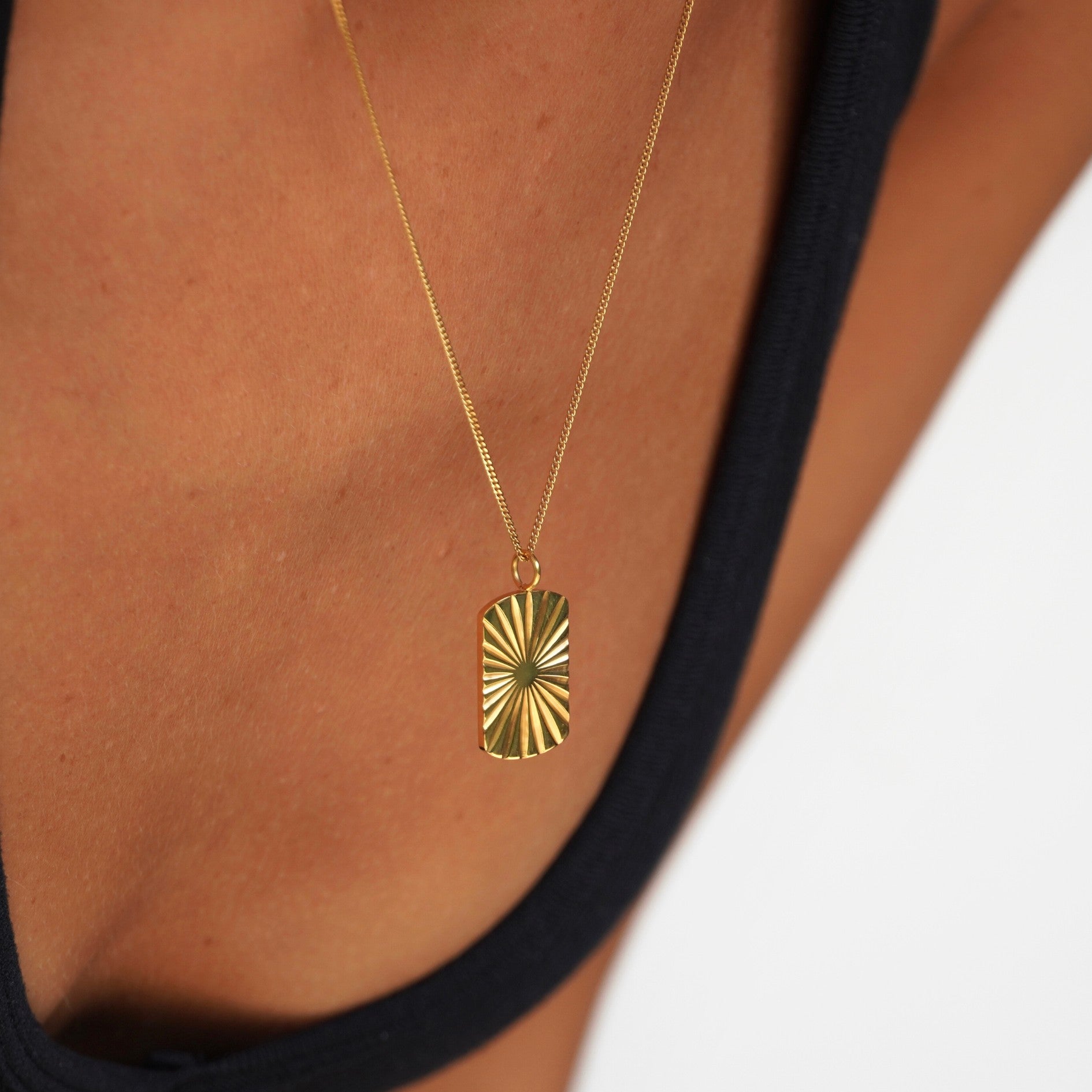
As you pick a long necklace, the materials and clasp type shape both its visual weight and how it wears—think polished gold for warmth and formality, oxidized silver for edge, lightweight nylon or leather for casual ease, and mixed metals for versatility.
You’ll notice chain types—cable, curb, rope, box—change drape and shine; finer links read delicate, chunky links read bold. Material affects movement: heavier metals hang straighter, textile cords add bounce.
Clasp styles matter functionally and visually; lobster and spring rings are discreet, toggle and S‑hooks become focal accents, magnetic clasps prioritize ease. Match clasp finish to metal, and pick a chain type that complements your outfit’s texture and scale so the piece looks intentional, not accidental.
Care and When to Alter or Restring a Long Necklace
If you want your long necklace to look its best and last for years, treat it like a piece of fine clothing: inspect it regularly, clean it appropriately for the material, and address wear before it becomes damage.
You should wipe metals with a soft cloth, use mild soap for beads, and keep pearls away from perfumes. Store necklaces hanging or flat to prevent tangles and stress on links.
For necklace maintenance, check jump rings, clasps, and cord integrity; replace frayed threads promptly.
Alter a necklace if length or clasp hinders wear—removing or adding links keeps proportions elegant.
Learn basic restringing techniques or entrust the job to a professional jeweler for knotted strands. Prompt care preserves beauty and avoids costly repairs.
Frequently Asked Questions
Can Long Necklaces Be Worn With High-Neck Sweaters?
Yes — you can wear long necklaces with high-neck sweaters; you’ll create balance using layering techniques, pairing pendant lengths with varied chains and choosing complementary sweater styles, keeping proportions sleek and adding vertical interest to your outfit.
Are Long Necklaces Appropriate for Professional Workwear?
Yes — you can wear long necklaces with professional attire; choose refined designs and appropriate necklace length to maintain polish, balance proportions, and avoid distraction, so your look stays stylish, confident, and workplace-appropriate.
Can Men Wear Long Necklaces and How to Style Them?
Yes — you can wear long necklaces; you’ll pick pieces that suit men's fashion, layer necklaces thoughtfully with shorter chains, balance proportions against clothing, and keep metals cohesive for a stylish, confident, modern look suitable for casual or smart outfits.
Do Long Necklaces Cause Skin Allergies or Tarnishing?
Yes — long necklaces can trigger skin sensitivity if metals or coatings irritate you; you should choose hypoallergenic materials and practice jewelry maintenance like cleaning and storing properly to prevent tarnishing and reactions.
How to Travel Safely With Long Necklaces?
Pack long necklaces in a padded travel case or roll them in soft cloth; you’ll fasten clasps to prevent tangles, use anti-tarnish strips for necklace protection, and follow travel tips to keep pieces secure and pristine.
Conclusion
Long necklaces add instant polish and versatility to your wardrobe. You’ll choose lengths—opera, matinee, rope, lariat—based on neckline, height, and desired drama, and mix metals, beads, or chains for texture. Layer a long chain with short pendants for depth or wear a sautoir solo for impact. Care for delicate strands, check clasps, and restring when kinks or wear appear. Pick styles that flatter your proportions and you’ll always look effortlessly pulled together.









Leave a comment
This site is protected by hCaptcha and the hCaptcha Privacy Policy and Terms of Service apply.