

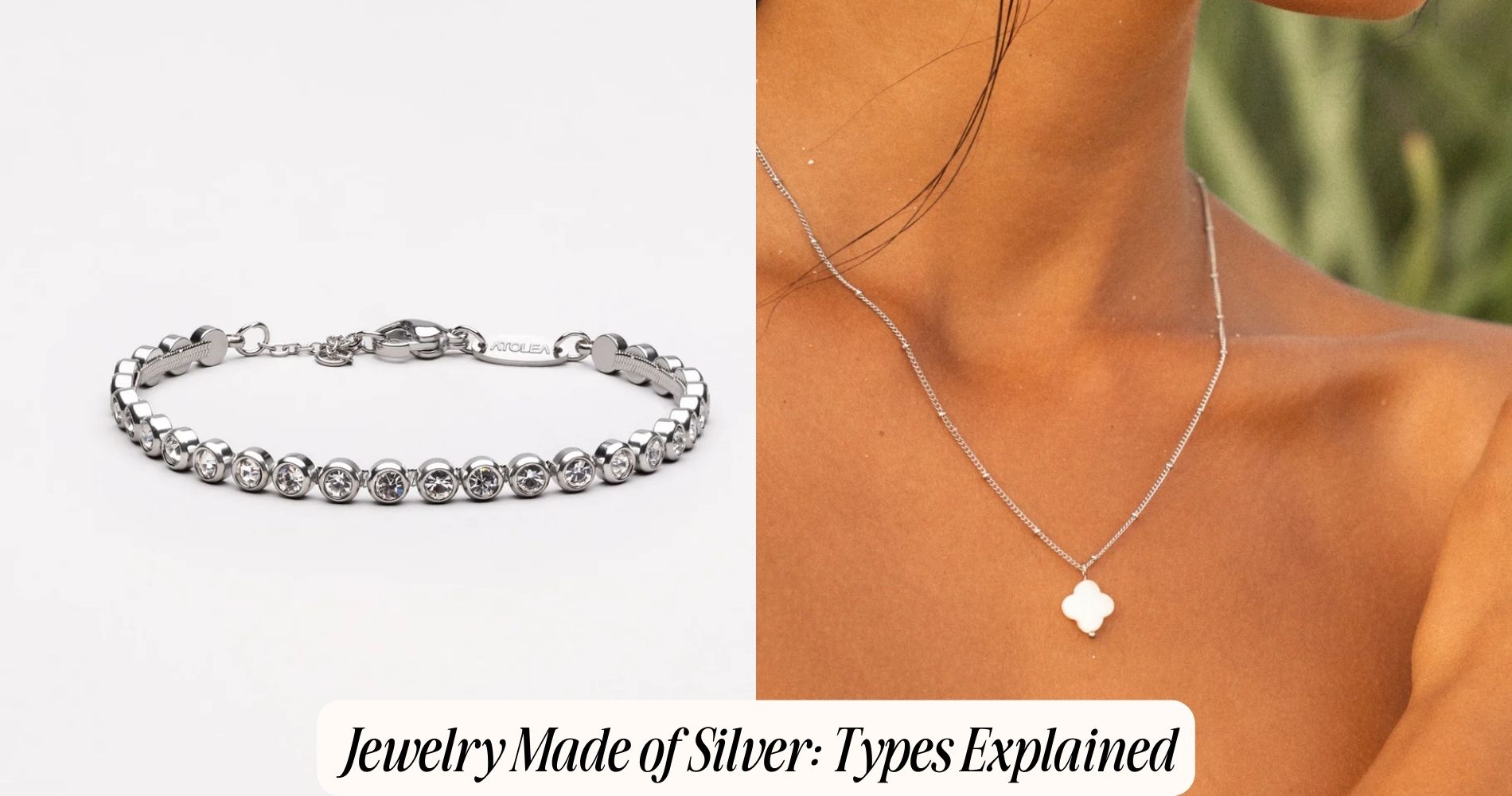
Jewelry Made of Silver: Types Explained
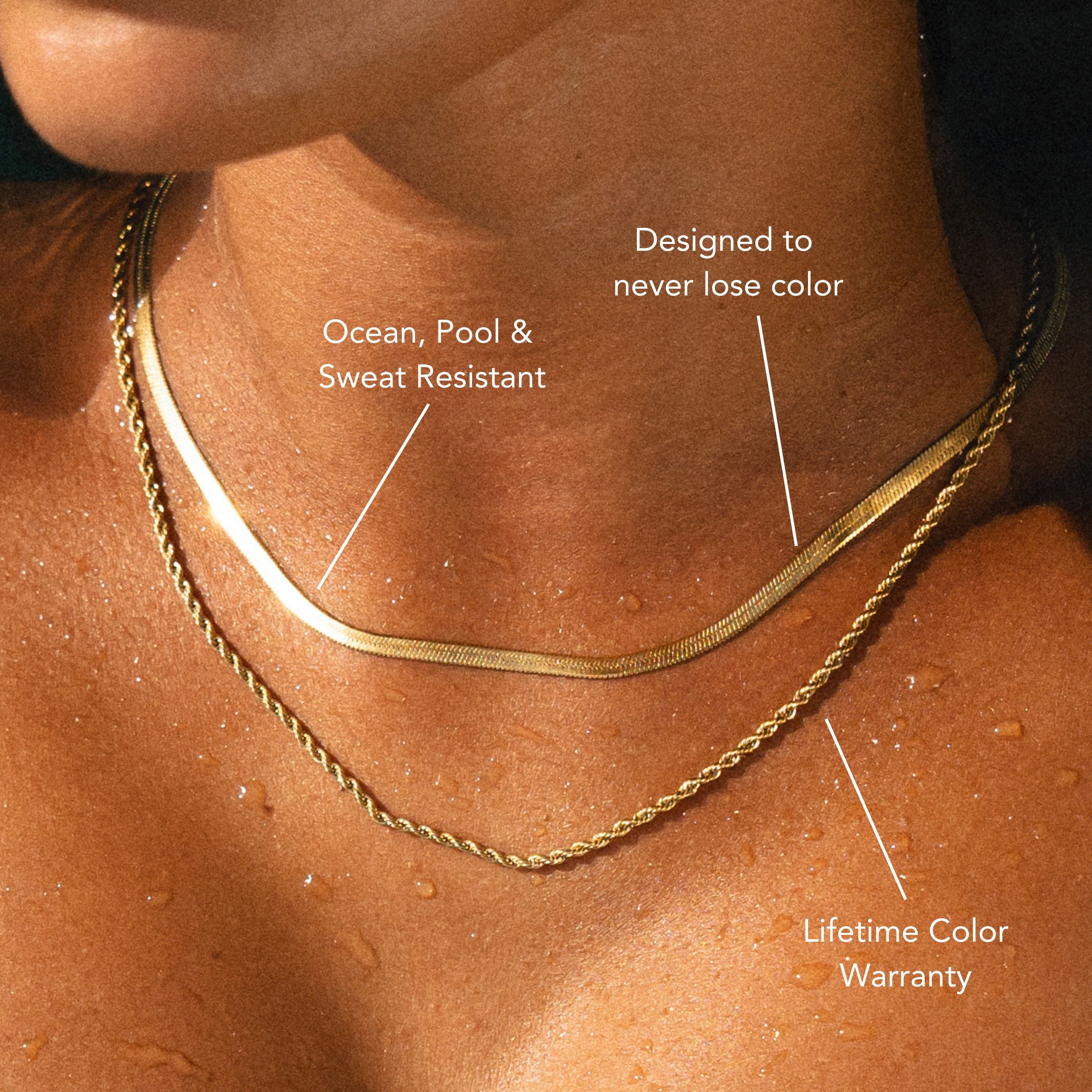
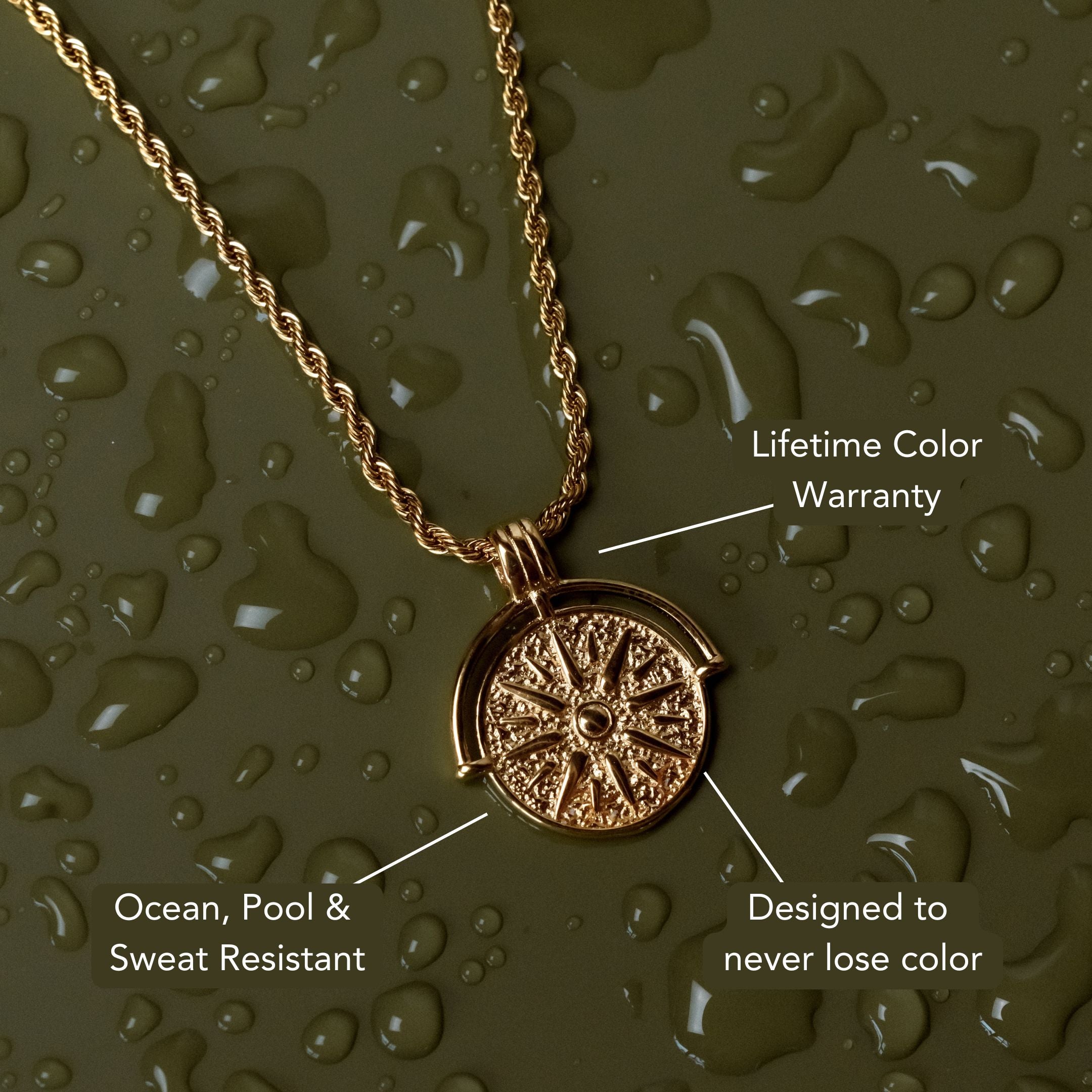
When choosing jewelry made of silver, you’ll encounter several types, each with distinct qualities and care needs. Fine silver (999) offers high purity and a soft finish, while sterling silver (925) balances strength, durability, and value. Argentium is a modern, more tarnish-resistant version of sterling, and coin silver reflects traditional 90% alloys used in older pieces. Plated or vermeil options provide affordable shine but may wear down faster over time—making durable options like Atolea’s Silver Waterproof Jewelry collection a practical choice for everyday wear. Look for stamps like 925, avoid magnetic reactions, and polish gently. Keep reading to discover which silver type and finish best suit your style and lifestyle.
Quick Decision Guide: Which Silver Should You Pick?
When choosing silver jewelry, focus on how you'll wear it, your budget, and the look you want—sterling offers timeless durability, fine silver gives a softer sheen, and plated pieces let you chase trends affordably.
You’ll decide between everyday resilience and occasional-wear sparkle: sterling’s 92.5% alloy suits rings and bracelets that endure, while fine silver’s purity feels luxe for delicate pendants.
Plated options let you sample trending designs without commitment, so you can swap styles seasonally. Ask sellers about ethical sourcing and hallmarking to confirm provenance and avoid surprises.
Look for pieces with repairable settings and clear care instructions. That way you pick silver that matches lifestyle, expresses current taste, and remains responsible.

How Purity And Finish Affect Jewelry Durability & Color
You’ve weighed wear patterns and budget; now look closer at what’s in and on the metal—purity and finish determine both how long a piece lasts and how it looks over time.
You’ll notice purity significance immediately: higher silver content tends to be softer and patinas faster, while sterling’s alloyed strength resists bending and everyday abrasions.
Choose based on activity and desired aging — some collectors prize warm tarnish, others want a stable sheen.
Finish techniques radically change color and scratch visibility: high polish brightens and shows marks, matte or brushed hides wear and feels modern, and plating or rhodium can shift tone and add protection.
Fine Silver (999): What It Is And When To Choose It
Fine silver (999) sits at the purest end of the spectrum — it’s fundamentally unalloyed silver with 99.9% silver content — and you’ll pick it when purity and a warm, soft luster matter more than everyday toughness.
You’ll notice its pale, almost silvery-white sheen and how it takes surface treatments differently from harder alloys. Fine silver benefits include superior hypoallergenic properties and a bright, malleable canvas for handwork, plating, or high-polish finishes favored by minimalist and artisan trends.
You’ll choose it for delicate chains, intricate filigree, collector pieces, and as a preferred base for luxury plating. Fine silver applications shine where form and finish trump rugged wearability, so opt for it when aesthetic purity and craftability are your priorities.
Sterling Silver (925): Durability, Value, And Care
Durability meets classic appeal in sterling silver (925), a blend of 92.5% silver and 7.5% other metals that gives you a noticeably tougher, more wearable piece than pure silver while keeping that bright, familiar sheen.
You’ll find sterling silver balances everyday strength with refined looks, so rings, chains, and statement pieces hold up to regular wear. Its market value stays attractive — not as costly as fine silver or gold — which preserves jewelry affordability without sacrificing style.
Care’s straightforward: polish with a soft cloth, avoid chlorine and harsh chemicals, and store pieces separately to limit scratches.
With proper upkeep, your sterling silver remains lustrous and trend-relevant, pairing well with mixed metals and contemporary designs.

Argentium Silver: A Tarnish-Resistant Sterling Alternative
If you're attracted to sterling's look but want less upkeep, Argentium silver offers a modern answer: it replaces some of the traditional copper with germanium to create a tarnish-resistant alloy that keeps its bright finish far longer.
You’ll notice argentium properties like improved hardness, hypoallergenic behavior, and enhanced resistance to firescale, so your pieces need less polishing and hold sharper details.
Designers favor it for contemporary, wearable collections because it maintains sterling’s luster while cutting maintenance — a clear argentium benefits pitch to buyers who value low-care luxury.
You can treat it much like traditional sterling for forming and soldering, but expect faster turnaround and fewer restorations, making Argentium ideal for everyday, on-trend silver jewelry.
Coin Silver & Historic Silver Alloys To Recognize
When you handle antique pieces or shop estate sales, you'll often come across "coin silver" and other historic alloys that tell a story about their era's standards and practices.
You'll recognize coin silver by its softer patina and variable purity—often around 90% silver—because silversmiths melted circulating coins into jewelry and flatware.
Historic alloys include Britannia and coinage mixes, each reflecting regional laws, metal availability, and fashion.
You'll note subtle color shifts, weight, and hallmark quirks when evaluating age and authenticity.
Collectors and designers prize these materials for their narrative and wearable vintage appeal, but you'll also account for repairability and conservation needs.
Knowing these basics helps you spot trends in revival pieces and make informed choices when buying or restoring.
Silver-Plated Vs. Vermeil: Lifespan, Cost, And When To Choose
Although both give you gleaming silver looks, silver-plated and vermeil pieces differ sharply in construction, cost, and how long they'll keep that shine.
You'll find silver-plated jewelry uses a thin electroplated layer over base metal; it's affordable and fashion-forward but has limited silver plated longevity—wear, sweat, and polishing reveal the base metal over months to a few years.
Vermeil, by contrast, uses a substantial sterling-silver coating over sterling or gold-filled bases, so it holds up longer and looks richer without the premium of solid silver.
Choose plated for short-lived trends or statement pieces you’ll rotate; choose vermeil for everyday pieces and heirloom-adjacent styles, noting vermeil maintenance is simple: gentle cleaning and avoiding harsh chemicals to preserve its deeper layer.

How To Identify Silver: Stamps, Simple Tests, And Red Flags
Finding out whether a piece is real silver doesn't have to be guesswork — you can rely on a few clear indicators like stamps, simple at-home checks, and warning signs that point to fakes.
Look for hallmarks: 925, Sterling, or Britannia indicate purity; vermeil and plate stamps tell a different story.
Use basic silver identification techniques: the magnet test (silver isn’t magnetic), a gentle nitric acid spot test if you’re trained, and checking weight and sound—real silver feels dense and rings with a bright tone.
Beware common silver misconceptions: tarnish doesn’t equal fake, and shiny pieces aren’t always sterling.
Avoid jewelry with sloppy stamps, uneven plating, or sellers who dodge questions—those are red flags you shouldn’t ignore.
Care, Repair, And Buying Tips For Each Silver Type
Now that you can tell real silver from imitations, you’ll want to care for, repair, and shop for each type with different priorities in mind.
For sterling, follow simple care instructions: wipe after wear, store anti-tarnish, and polish sparingly to preserve hallmark and patina.
Fine silver needs gentler handling; avoid abrasives and ultrasonic cleaners.
Silver-plated pieces require cautious cleaning and limited polishing to prevent thin layer loss.
When repairs are needed, seek jewelers skilled in soldering and rhodium re-plating for plated items—ask about specific repair techniques before committing.
Vintage or oxidized styles benefit from conservation-minded fixes that keep character intact.
When buying, prioritize reputable retailers, clear return policies, and visible stamps so your care and repairs protect value and style.

Frequently Asked Questions
Is Silver Safe for People With Metal Allergies?
It depends — you can react to silver if alloys contain nickel or copper; for silver allergies seek hypoallergenic options like pure sterling with low nickel, fine silver, or plated alternatives, and test pieces before extended wear.
Can Silver Jewelry Be Resized or Remade Easily?
Yes — you can resize or remake silver jewelry; jewelers use resizing techniques like cutting, stretching, soldering, and adding bands. You’ll find jewelry alterations trendy, precise, and often affordable, though intricate designs may need custom remakes.
How Does Silver Compare to White Gold or Platinum Visually?
You’ll notice silver luster is brighter, cooler and more reflective than white gold’s warmer tone; platinum looks denser and grayer. Silver’s metal durability is lower, so it scratches and tarnishes more than those alternatives.
Are There Ethical or Environmental Concerns With Silver Mining?
Yes — you should care: silver mining can have ethical sourcing issues and a significant environmental impact, including habitat destruction, water contamination, and poor labor practices; choose certified, recycled, or transparently sourced silver whenever possible.
What's the Resale Value of Different Types of Silver Jewelry?
Resale varies: sterling holds steady, fine silver and antique pieces fetch premiums, plated sells poorly. You should track silver market trends and use jewelry appraisal methods to assess condition, maker, and rarity to maximize resale value.
Conclusion
You now know the key silver types and what they offer, so you can choose pieces that match your style and lifestyle. Pick fine silver for soft luminosity, sterling for everyday durability, Argentium for low-maintenance shine, or vermeil for luxe looks on a budget. Check stamps and simple tests, mind care and repairs, and prioritize reputable sellers. With these tips you’ll buy smarter, keep pieces radiant, and follow current trends in polished, sustainable jewelry.








%20offers%20high%20purity%20and%20a%20soft%20finish,%20while%20sterling%20silver%20(925...)
Leave a comment
This site is protected by hCaptcha and the hCaptcha Privacy Policy and Terms of Service apply.