

Is Mother of Pearl Expensive: Price Guide
Mother of pearl appears at price points ranging from a few dollars on a fashion piece to several hundred on a high-end watch dial or fine jewelry setting. That range raises a fair question: is mother of pearl expensive, and if so, what makes it valuable? The answer depends on the species it comes from, the quality of its optical properties, its thickness, and the application it is used in. Freshwater Pearls Jewelry shares the same biological material tradition as mother of pearl. This guide covers what mother of pearl actually costs across different product categories, which variables drive price differences within the material, how it compares in value to pearl and other shell materials, and what to expect at different price points in the jewelry market.
What Drives Mother of Pearl Price
Mother of pearl is not priced like a precious gemstone with a single market rate. Its value is determined by four variables that interact to produce the price range seen across products.
Species and origin. The mollusk species determines the color quality, nacre thickness, and the overall optical character of the mother of pearl it produces. Pinctada maxima, the large silver-lipped and gold-lipped oyster found in the Indo-Pacific, produces the most prized white and silver mother of pearl used in fine jewelry and watch dials. Haliotis, the abalone, produces the most colorful mother of pearl, with intense blue, green, and purple iridescence that commands premium prices specifically for its vivid color play. Freshwater mussel shells produce a warmer, creamier mother of pearl at more accessible prices. The geographic origin of the shell determines its market category before any other variable is assessed.
Color quality and orient. Orient is the technical term for the iridescent play of color that moves across the surface of mother of pearl as the viewing angle changes. Strong, vivid, evenly distributed orient across a surface commands significantly higher prices than weak or patchy iridescence. Within abalone, the intensity and evenness of the blue-green color shift is the primary value driver. Within Pinctada maxima shell, a clean white with strong silver or rainbow orient commands more than a yellowish or irregular surface.

Thickness and usable size. Mother of pearl is harvested from shell material that has a finite thickness of nacre. Thicker nacre layers produce more usable material per shell and allow for deeper cutting and carving. Large, uninterrupted pieces of high-quality nacre are rarer than small or irregular pieces, and price reflects that rarity. A large matched panel of Pinctada maxima shell with consistent orient for a watch dial costs more per square centimeter than a small irregular piece suitable only for inlay accents.
Processing and application. Raw shell material costs significantly less than processed mother of pearl cut, shaped, and finished for a specific application. A watch dial blank cut from premium Pacific oyster shell involves precision cutting, calibration for uniform thickness, and quality selection that adds significant labor value over the raw shell price. Jewelry pieces add setting labor and design value on top of material cost.
Is Mother of Pearl Expensive: Price by Product Category
Raw and Craft-Grade Mother of Pearl
At the raw material level, mother of pearl is accessible. Craft-grade freshwater mussel shell mother of pearl, used in button-making, inlay work, and accessible jewelry, trades at low prices per unit.
- Freshwater shell mother of pearl blanks for craft: $1 to $5 per piece
- Abalone shell pieces for craft inlay: $5 to $25 per piece depending on size and color intensity
- Trochus shell mother of pearl for jewelry blanks: $2 to $10 per piece
- Pacific oyster (Pinctada maxima) shell pieces for jewelry: $10 to $40 per piece
These raw material prices reflect the material before any precision cutting or finishing. For craft projects, accessible jewelry components, and inlay work, mother of pearl sits in a genuinely affordable range.
Mother of Pearl in Fashion and Accessible Jewelry
Fashion jewelry using mother of pearl as a face stone, inlay element, or pendant material sits at accessible consumer prices. The mother of pearl in these pieces is typically freshwater mussel shell or trochus shell, cut into standard shapes and set in brass or steel settings.
- Mother of pearl stud earrings (fashion jewelry): $15 to $60
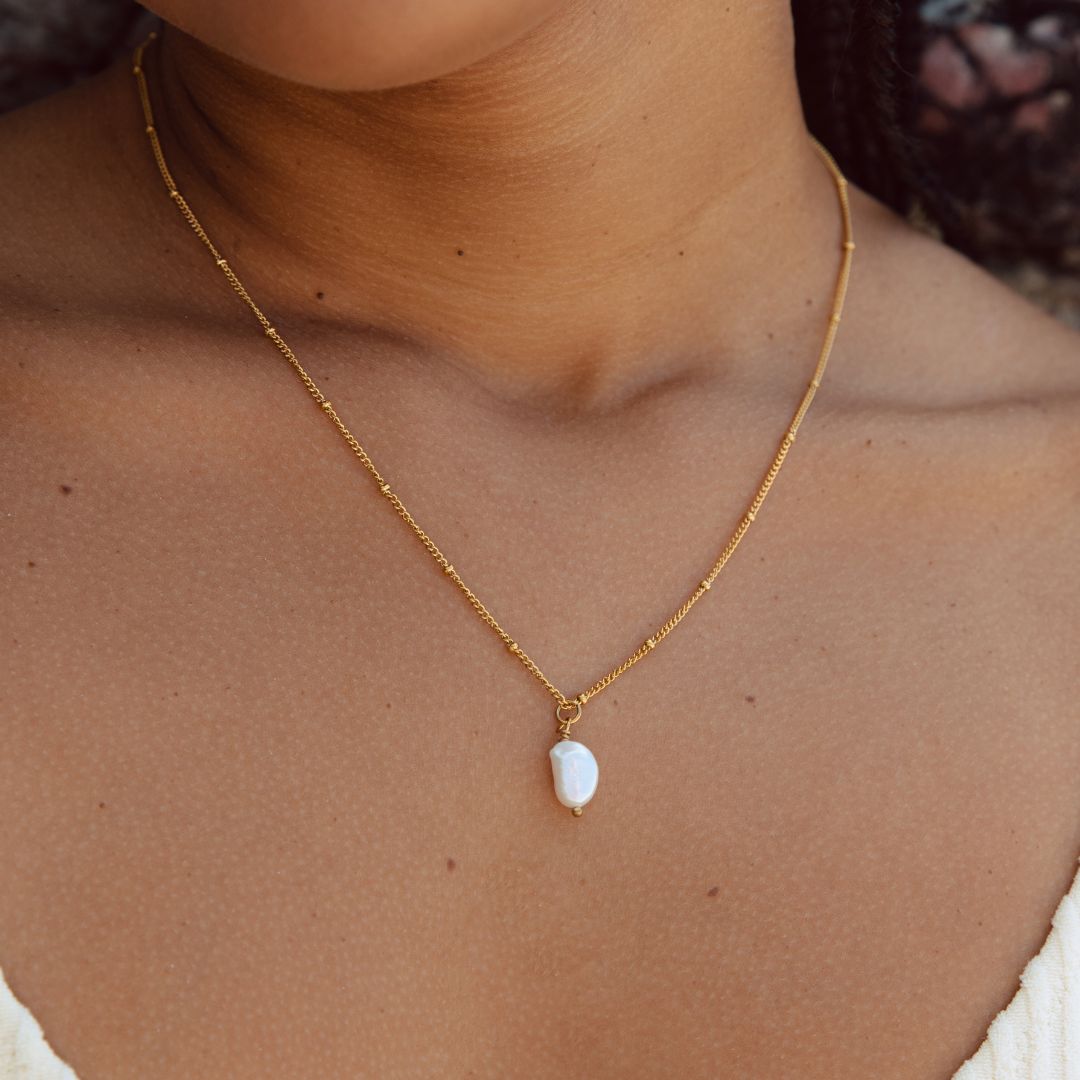
- Mother of pearl pendant necklace (fashion jewelry): $20 to $80
- Mother of pearl ring (fashion jewelry): $15 to $50
- Mother of pearl bracelet with shell inlay (fashion jewelry): $20 to $70
At these price points, the mother of pearl is genuine but uses more abundant shell species with standard orient quality. The visual appeal is real: even modest-quality mother of pearl has the shifting iridescence that makes the material distinctive. The difference from higher-priced mother of pearl is in the intensity and evenness of the orient and the species-specific color character.

Mother of Pearl in Quality Jewelry
Quality jewelry using premium mother of pearl, particularly Pinctada maxima or abalone, from controlled cutting and finishing, sits at a meaningfully higher price point.
- Pinctada maxima mother of pearl pendant in sterling silver: $80 to $300
- Abalone pendant in gold-fill or gold setting: $100 to $400
- Quality mother of pearl drop earrings in sterling or gold: $80 to $350
- Mother of pearl ring with bezel setting in silver or gold: $75 to $250
At these prices, the mother of pearl typically shows stronger, more evenly distributed orient and comes from species with more distinctive optical character. The difference between a $30 and a $200 mother of pearl pendant is usually visible in direct comparison: the orient of the premium piece has more depth, more consistent coverage across the surface, and a more vivid color shift.
Mother of Pearl in Fine Jewelry and Watches
Fine jewelry and luxury watch applications use the highest-grade Pinctada maxima shell, precision-cut to exact calibrations. This is where mother of pearl reaches its highest prices.
- Fine jewelry mother of pearl earrings in 14k or 18k gold: $200 to $1,500 and above
- High-end mother of pearl watch dial: $100 to $500 as a replacement component; integrated into fine watch prices of $2,000 to $50,000 and above
- Mother of pearl brooch or statement piece in fine setting: $300 to $3,000 and above
At this level, pricing reflects the combination of premium shell material, precision manufacturing, and fine metal settings rather than the shell material cost alone. The value is justified by the optical consistency required for watch dial applications, where uniformity of surface appearance across a precisely calibrated piece is technically demanding.
How Mother of Pearl Compares to Pearl in Price
The relationship between mother of pearl and pearl pricing is frequently misunderstood. Mother of pearl is not a cheaper version of pearl. They are different products made from the same biological material, each with its own price structure.
A single fine freshwater pearl in near-round shape with high luster costs $5 to $50. A single piece of quality Pinctada maxima mother of pearl cut for a pendant might cost $10 to $40 in material. At the raw material level, the two are comparable in price for accessible quality.
The divergence happens at the high end. A fine matched Akoya pearl strand costs $400 to $5,000 depending on quality and size. A matched mother of pearl inlay panel for a luxury watch costs $100 to $500 as a raw component. At the very top of the pearl market, fine South Sea pearl necklaces reach $10,000 to $50,000 and above. No mother of pearl product reaches those prices because mother of pearl is more abundant as a material: every shell produces usable nacre lining, while rare, high-quality pearls represent a small fraction of any harvest.
Mother of pearl therefore sits below fine pearl at the high end but overlaps with accessible pearl at the mid-market level. The comparison is less about which is more valuable and more about which product suits the intended application.

How Mother of Pearl Compares to Other Shell Materials
Not all shell materials carry the same optical properties or price. Understanding where mother of pearl sits relative to other shell jewelry materials helps contextualize its price.
Abalone is generally more expensive than Pacific oyster mother of pearl in jewelry applications specifically because of its distinctive blue-green-purple color play, which other nacre sources cannot replicate. High-quality abalone inlay commands a premium that reflects both its visual distinctiveness and stricter regional harvesting regulations.
Trochus and turbo shell mother of pearl is less expensive than Pinctada maxima or abalone. It produces reliable iridescence at accessible price points and is widely used in fashion jewelry and affordable accessories. Trochus shell material is more sustainably available, which keeps its price accessible.
Non-nacre shell materials such as paua shell slices, conch shell, or simple white shell used decoratively are not mother of pearl. They may have visual appeal but lack the layered nacre structure that produces the characteristic iridescent play of light. These materials cost less than genuine nacre and are sometimes used in fashion jewelry marketed with generic shell descriptions.
The key distinction for buyers is between pieces using genuine nacre (mother of pearl from nacre-producing mollusks) and pieces using decorative shell material without nacre. Genuine nacre has the depth of iridescence that no shell surface coating or synthetic imitation produces convincingly under varying light.
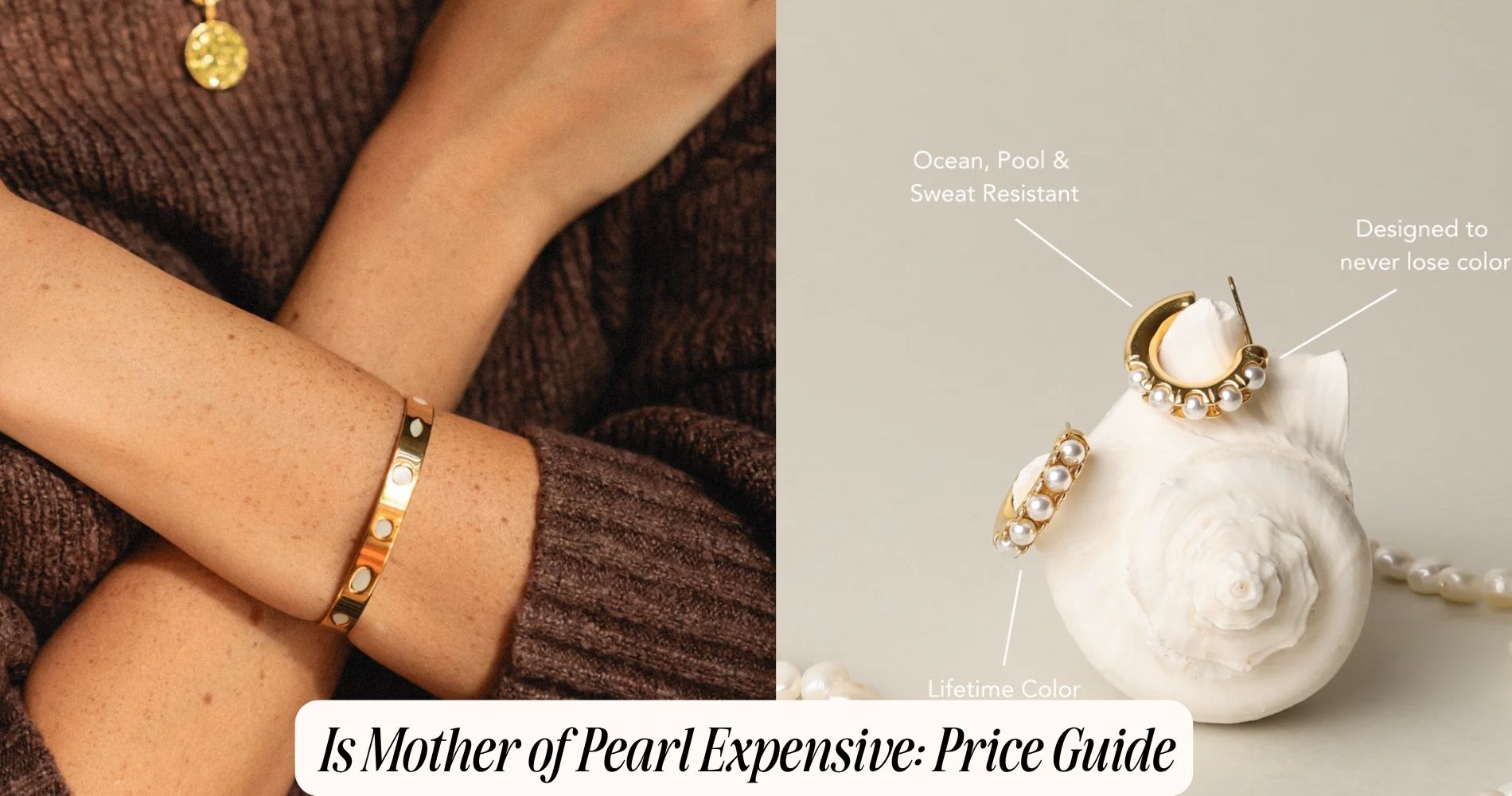
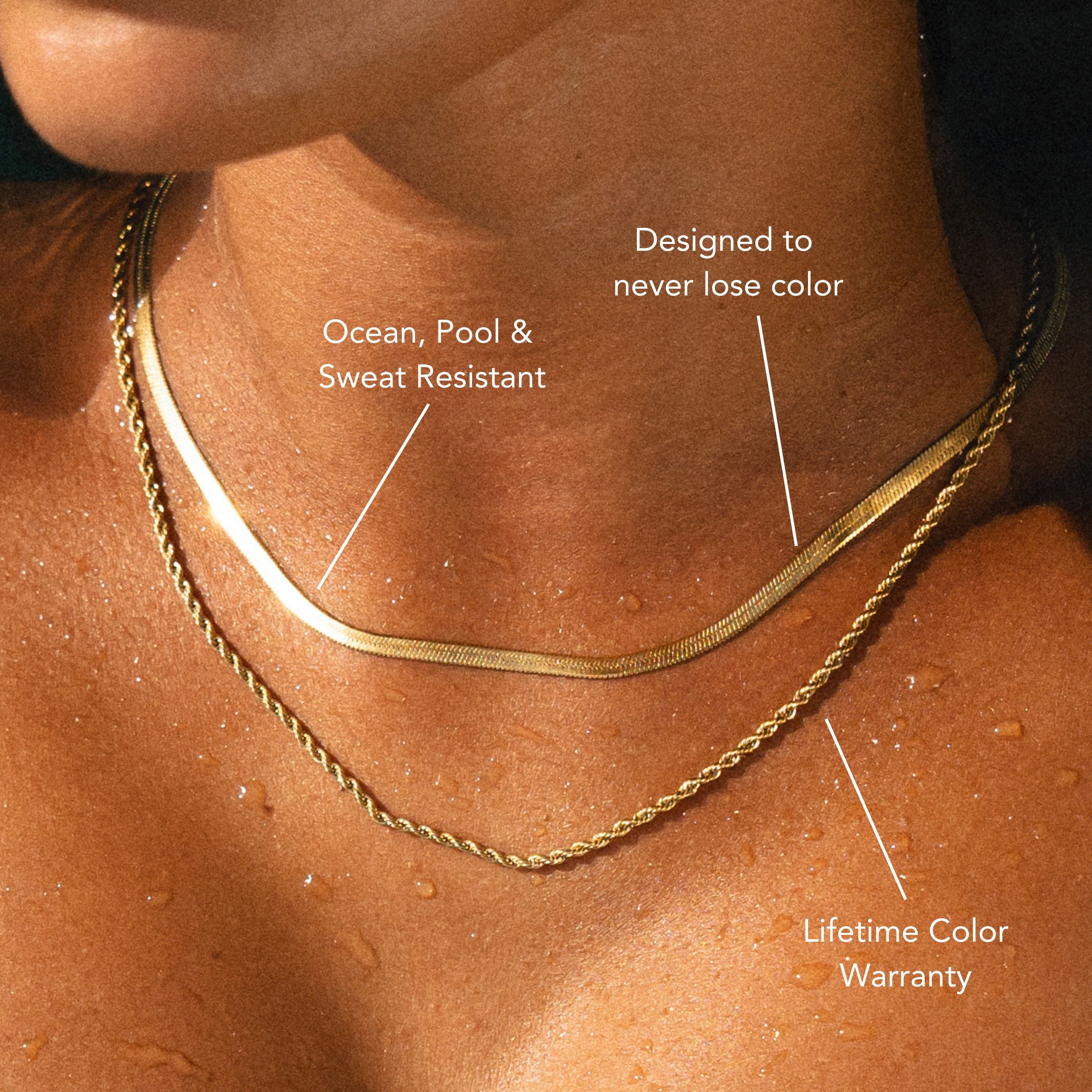
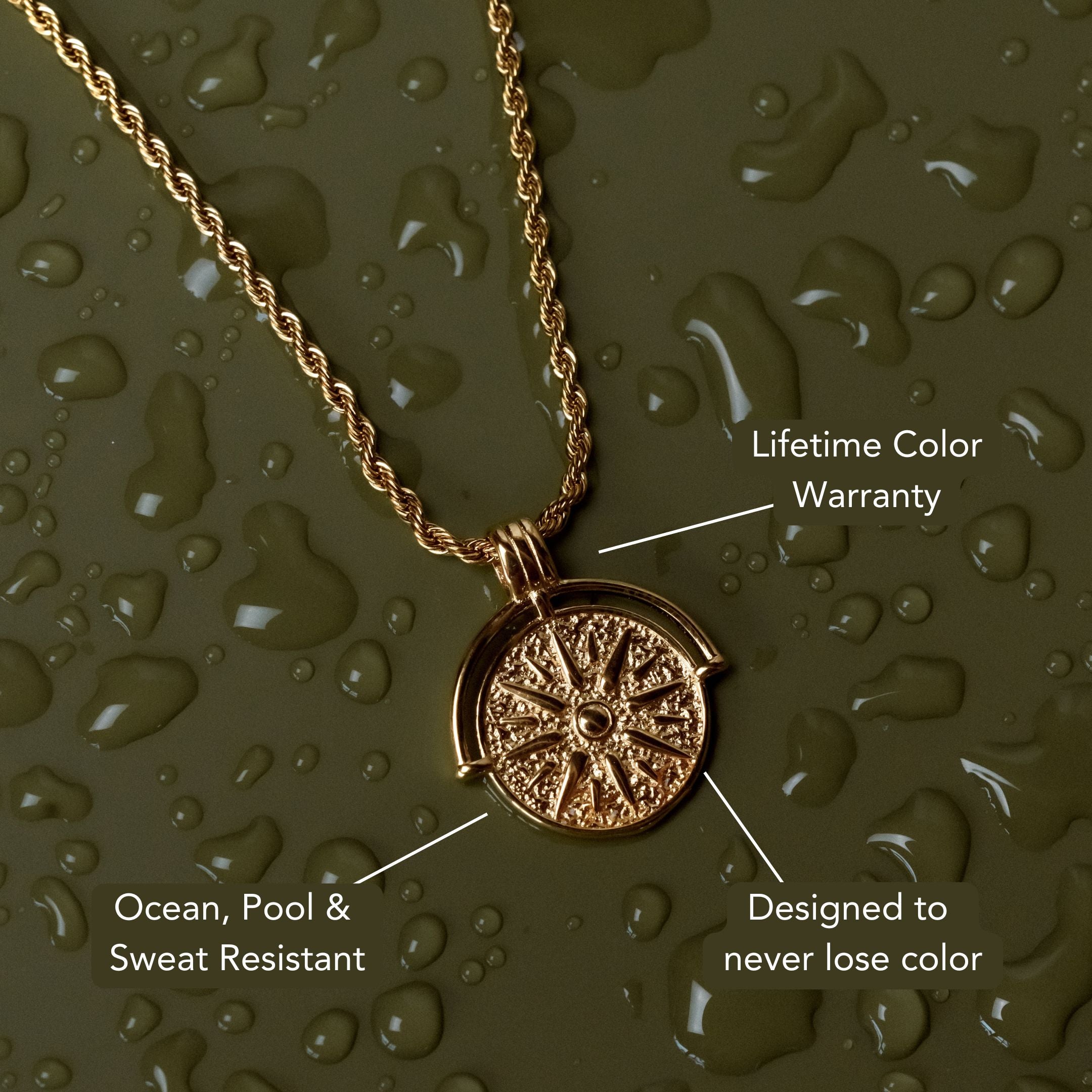
For everyday wearable pieces that incorporate the iridescent quality of nacre-related materials, Freshwater Pearls Jewelry sits in the accessible quality tier where genuine nacre material meets wearable construction. PVD-coated stainless steel settings hold their finish through daily wear without tarnishing around the shell or pearl components, and a lifetime color warranty covers the metal construction through active use.

Frequently Asked Questions
Is mother of pearl worth buying?
Mother of pearl offers genuine visual beauty through its iridescent orient at price points accessible across a wide range of budgets. Fashion jewelry pieces using freshwater or trochus shell mother of pearl provide the characteristic shifting iridescence of nacre at under $50. Quality jewelry using Pinctada maxima or abalone delivers stronger, more vivid orient in the $75 to $400 range. The value is real at every level: the question is which orient quality and which species character suits your preference and budget.
Why is abalone more expensive than regular mother of pearl?
Abalone produces the most vivid and distinctive color play of any nacre-producing mollusk, with blue, green, and purple shifts that other species cannot replicate. Combined with stricter harvesting regulations in several major abalone-producing regions, supply is more constrained than for farmed oyster shell. Both factors push abalone mother of pearl prices above comparable Pinctada maxima or freshwater shell material.
Is mother of pearl real or synthetic?
Genuine mother of pearl is a natural biological material, the nacre inner lining of mollusk shells. It is not synthetic. Synthetic alternatives that mimic the iridescent look of mother of pearl exist in plastics and resins but do not have the layered aragonite crystal structure that produces genuine orient. Under close inspection in varying light, genuine nacre shows depth and color shift that surface-printed synthetic materials do not replicate convincingly.
Does mother of pearl increase in value over time?
Mother of pearl does not appreciate in value the way fine gemstones or precious metals do. It is a natural organic material used primarily in jewelry and decorative applications. Antique and vintage pieces featuring mother of pearl may command collector premiums based on the piece's age and craftsmanship rather than the material's intrinsic value appreciation. For everyday jewelry purposes, mother of pearl is purchased for its aesthetic quality rather than as a value investment.
What is the most valuable type of mother of pearl?
Pinctada maxima shell from Australian or Indonesian sources, producing large, clean white or silver-orient panels with even, strong iridescence, commands the highest prices for watch dial and fine jewelry applications. Abalone from New Zealand or California, with intense blue-green color shift, commands the highest prices in the decorative and inlay market. Both are significantly more valuable per piece than freshwater mussel or trochus shell mother of pearl.
Getting the Price Right on Mother of Pearl
Is mother of pearl expensive has a range-based answer: accessible fashion pieces start under $20, quality jewelry sits in the $75 to $400 range, and fine jewelry and watch applications reach $200 to $1,500 and above. The price drivers are species origin, orient quality, surface size and thickness, and processing precision. Abalone commands a premium for its distinctive color. Pinctada maxima commands a premium for its clean white quality and calibration precision. Freshwater and trochus shell make genuine nacre iridescence accessible at everyday prices. Understanding which tier suits your use case gives you the reference to shop confidently across the full range.









Leave a comment
This site is protected by hCaptcha and the hCaptcha Privacy Policy and Terms of Service apply.