

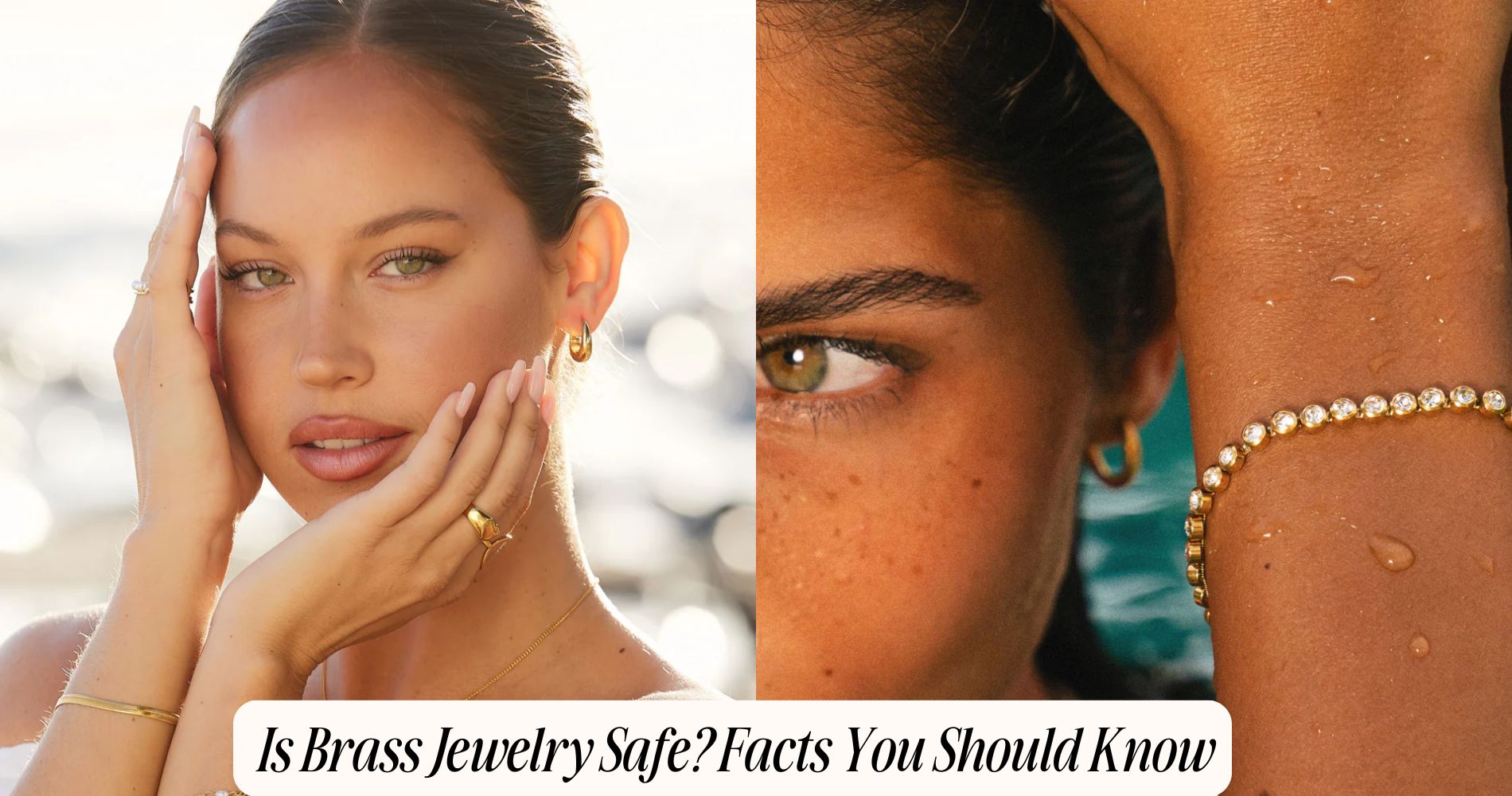
Is Brass Jewelry Safe? Facts You Should Know
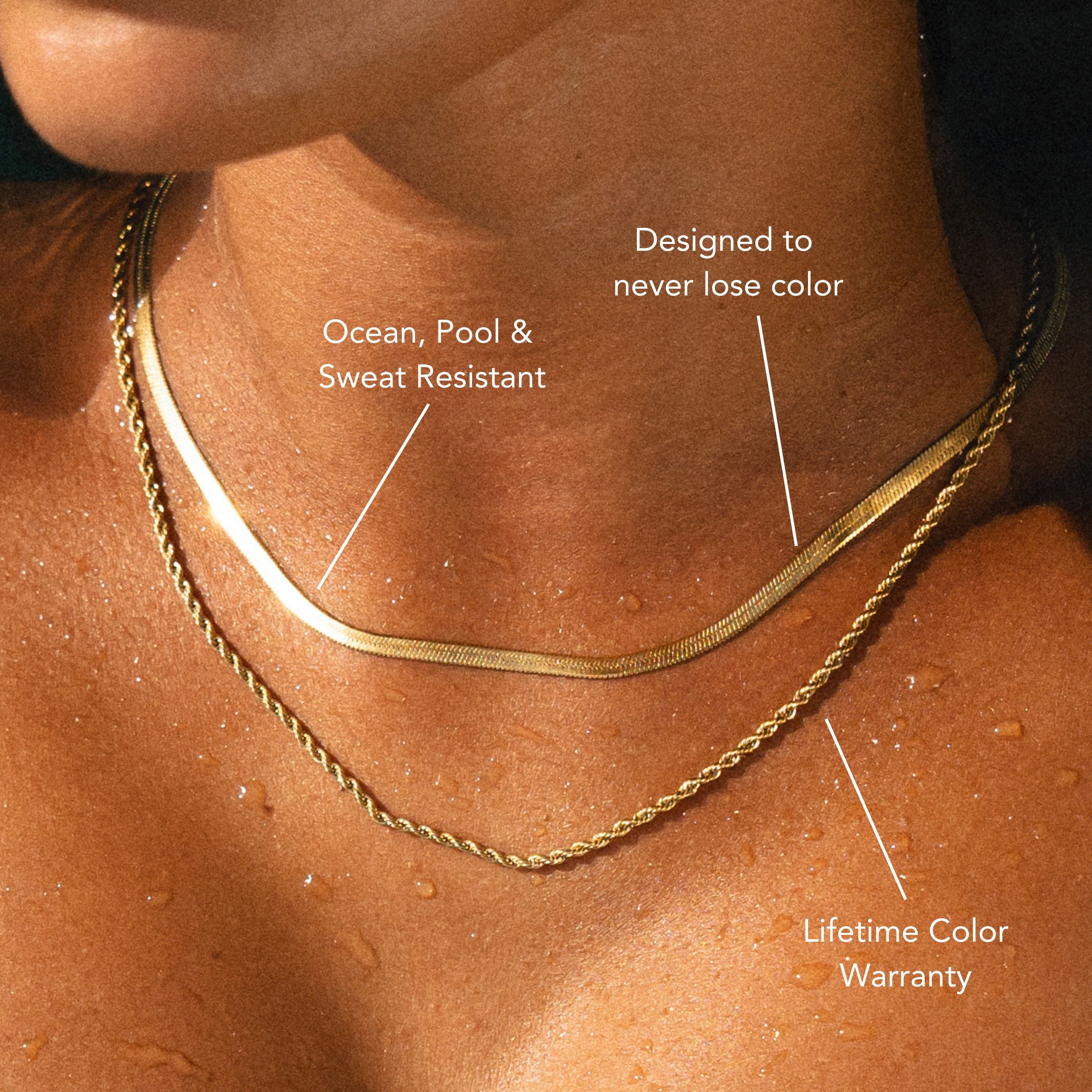
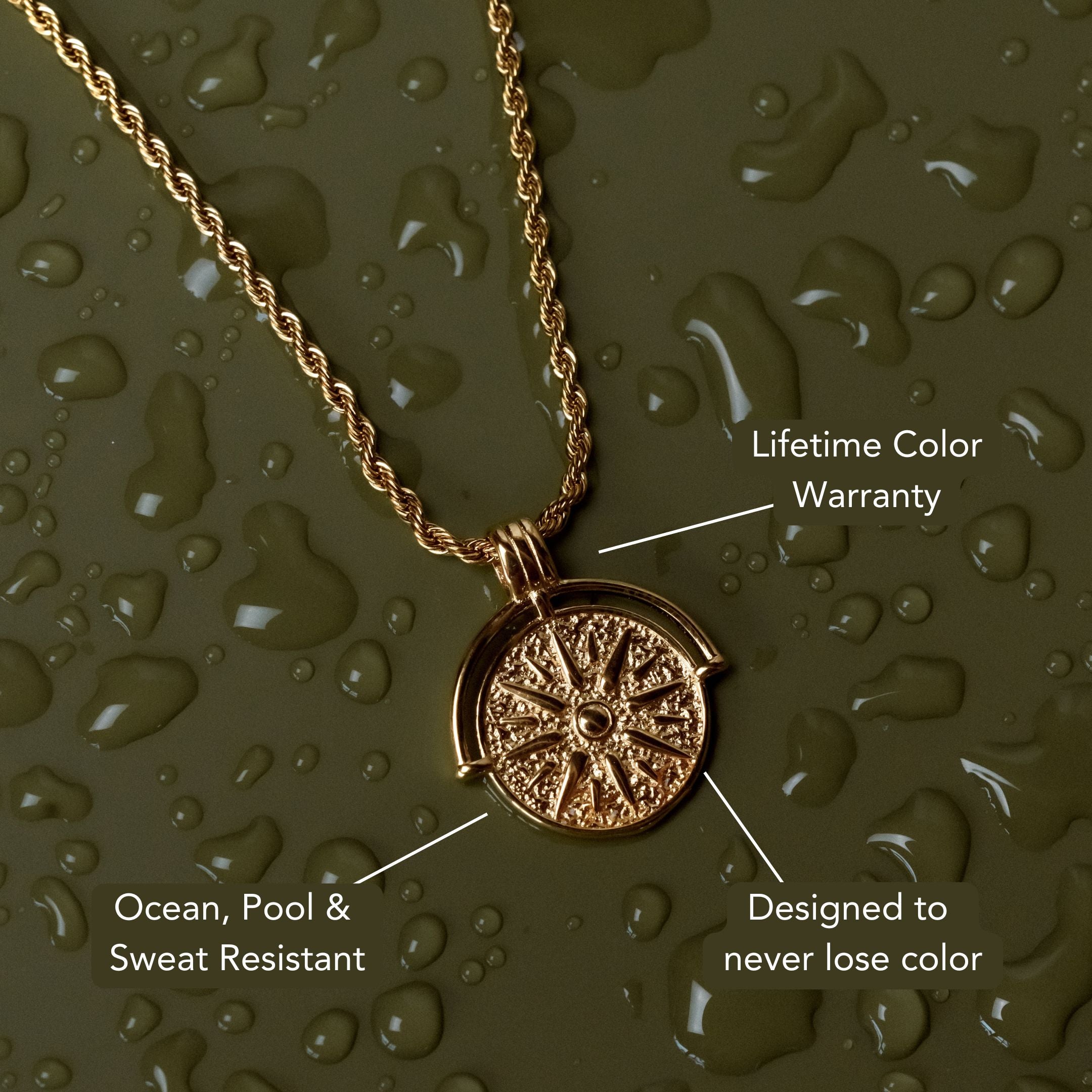
Is brass jewelry safe? Brass jewelry is generally safe for most people, but it’s important to understand how its copper–zinc composition can react with sweat, leading to oxidation, tarnish, and temporary green skin caused by copper complexes. Potential risks mainly involve trace lead in some free-machining brasses and nickel sensitivity, which can trigger dermatitis. You can reduce reactions by removing jewelry before exercise, bathing, or swimming, cleaning pieces with mild soap, and applying protective coatings. For lower maintenance and fewer skin concerns, alternatives like Waterproof Jewelry—designed to resist moisture and everyday exposure—offer a safer, more durable option. There’s more you can do to optimize comfort, safety, and care.
What Is Brass Made Of?
Brass is a copper–zinc alloy, typically containing 55–95% copper and 5–45% zinc, with minor elements (e.g., lead, tin, nickel, aluminum) added to modify machinability, color, and corrosion resistance.
When you evaluate brass composition, you assess copper-to-zinc ratios that govern phase structure (alpha, beta, or duplex) and resultant brass properties. Higher copper content yields better ductility and warm gold color; increased zinc elevates strength and hardness but can reduce formability.
You’ll also encounter leaded brasses (often 0.5–3% lead) for improved chip-breaking during machining. Tin additions enhance dezincification resistance; nickel deepens color and improves toughness; aluminum can promote passivating oxide films.
For jewelry manufacturing, alpha brasses (typically 65–85% copper) provide reliable cold-workability and consistent surface finish, while controlled trace elements standardize mechanical behavior and appearance across production lots.

How Brass Interacts With Skin and Sweat
Although it’s visually similar to gold, the copper–zinc matrix in brass reacts readily with skin moisture and sweat. When you wear brass, chloride ions and organic acids from perspiration accelerate surface oxidation and ionic dissolution. This sweat interaction forms copper salts and oxides that can leave green discoloration on your skin or the jewelry.
You may also notice transient odor from volatilized acids reacting with metal ions.
pH, temperature, and sweat rate modulate reaction kinetics: acidic, high-salt sweat increases corrosion; cooler, drier conditions slow it. Skin oils create partial barriers but don’t eliminate electrolyte contact. Frequent washing and thorough drying reduce residue accumulation and visible staining.
Most skin reactions here are irritation from corrosion products rather than structural damage. Protective lacquers or clear polymer coatings minimize metal–electrolyte contact while preserving appearance and wearability.
Potential Risks: Lead, Nickel, and Allergies
While most modern brass is primarily copper and zinc, trace contaminants and alloying additions can introduce clinically relevant risks: lead for machinability, nickel for color/hardness, and sensitizing corrosion products.
You should evaluate three hazards.
First, lead exposure: small percentages can be present in free‑machining brass. Chronic dermal transfer is typically low, but ingestion risk rises with worn plating, damaged coatings, or hand‑to‑mouth behaviors.

Second, nickel sensitivity: if you’ve had eczematous reactions to earrings, watches, or buttons, nickel-releasing brass components may trigger pruritic, erythematous dermatitis within 12–48 hours.
Third, mixed-metal allergies: prior sensitization to nickel or cobalt lowers your threshold for reaction to trace releases.
Verify compliance with lead limits and nickel-release standards, prefer reputable manufacturers, and discontinue wear at the first sign of irritation.
Tarnish, Green Skin, and What They Mean
Because copper in the alloy oxidizes readily, tarnish on brass jewelry is expected: surface films of copper oxides, sulfides, and carbonates form in response to sweat, skin acids, cosmetics, and ambient sulfur compounds.
You’ll see dulling, yellow‑brown to black discoloration, and occasional spotty iridescence. These films are superficial and don’t indicate structural failure.
Green skin occurs when copper ions complex with chloride, bicarbonate, or carboxylates in sweat, forming verdigris residues that transfer to the stratum corneum.
It’s a benign staining phenomenon, not a burn. However, skin reactions such as irritant dermatitis or nickel allergy can coexist, presenting with erythema, pruritus, or vesiculation.
For tarnish prevention, minimize moisture, salt, and sulfur exposure; remove jewelry before exercise; store in low‑humidity, sulfur‑absorbing pouches; clean gently; and apply inert barrier coatings.
When Brass Jewelry Is a Good Choice
Understanding tarnish and green-skin staining sets realistic expectations; with routine care and barrier strategies, brass can be a smart choice.
You’ll find Brass benefits when you need durable, shapable metal for bold designs without precious-metal pricing. Brass offers fashion versatility, letting you test trends, scale statement pieces, and coordinate with gold-toned wardrobes while maintaining acceptable durability.
Choose brass for low-contact wear scenarios—earrings, brooches, short-duration events—where sweat and water exposure are minimal. If you don’t have copper sensitivity and you prefer substantial weight, brass provides structural integrity that resists deformation better than many plated options.
It’s suitable for costume styling, frequent rotation, and travel, where loss or abrasion risk is higher. When you prioritize aesthetic impact per dollar and manageable maintenance, brass performs efficiently.

How to Choose Safer Brass Pieces
Before you buy, evaluate brass composition, surface treatments, and contact points to reduce exposure risks.
Prioritize alloys labeled “lead-free” or “low-nickel,” and request material safety data when available. Verify brass sourcing from manufacturers disclosing copper–zinc ratios and impurity thresholds. Prefer pieces with inert barriers at skin interfaces—e.g., physical vapor deposition (PVD) coatings or high-quality electroplating—over lacquer alone, which abrades faster.
Scrutinize jewelry certifications: look for compliance with ASTM, REACH, or California Prop 65 declarations, and third-party testing for lead, cadmium, and nickel release (EN 1811).
Choose posts, hooks, or backs in hypoallergenic metals (titanium, niobium, or surgical stainless steel) to minimize sensitization at high-contact sites. Assess build quality—smooth finishes, closed jump rings, and secure settings—to reduce micro-abrasion and metal transfer.
Care Tips to Reduce Irritation and Tarnish
Although brass is durable, you’ll reduce skin irritation and tarnish by controlling moisture, sweat, and chemical exposure. Remove pieces before exercise, bathing, or swimming; prolonged perspiration accelerates copper ion release, which can discolor skin.
Apply lotions, sunscreens, and perfumes first, then wear jewelry after full absorption.
Use evidence-based cleaning methods: wash gently with mild soap, warm water, and a soft brush; rinse thoroughly and dry completely to limit residual chloride.
For deeper cleaning, use a 5% vinegar solution briefly, then neutralize with water and dry to prevent surface etching. Avoid abrasive pastes that scratch protective patina.
Adopt airtight storage solutions: seal items in zip pouches with anti-tarnish strips or silica gel.
Store individually to prevent galvanic contact and micro-abrasion. Rotate wear to reduce cumulative exposure.

Alternatives to Brass for Sensitive Skin
If your skin reacts to brass, choose metals with low allergenic potential and stable corrosion behavior. You’ll reduce contact dermatitis risk by selecting inert materials and high-purity alloys.
Opt for titanium (implant grade, ASTM F136) or niobium; both form stable oxide layers, resist corrosion, and contain no nickel.
Surgical stainless steel (316L or 316LVM) is acceptable if you’re not nickel-sensitized; verify low nickel release per EU REACH thresholds.
Consider platinum or palladium for maximal inertness, though they’re costlier.
For gold jewelry, choose 18k or higher, preferably nickel-free alloys; avoid 10k–14k mixes that may include nickel or copper.
Sterling silver (92.5% Ag) can be suitable if copper sensitivity is absent; rhodium plating improves skin compatibility.
Ceramic, medical-grade silicone, and glass offer fully metal-free alternatives for high reactivity profiles.
Frequently Asked Questions
Can Brass Jewelry Be Worn Safely in Swimming Pools or the Ocean?
No. You shouldn’t wear brass jewelry in pools or the ocean. Chlorine and salt accelerate brass corrosion under prolonged water exposure, causing tarnish, dezincification, and potential skin discoloration. Remove jewelry, rinse promptly if exposed, and dry thoroughly.
Does Brass Interfere With Medical Implants or Metal Detectors?
Brass jewelry doesn’t interfere with implanted medical devices or pacemakers and rarely triggers metal detectors. You may experience metal sensitivity or contact dermatitis. Brass toxicity is uncommon with external wear. Remove items before imaging (MRI), surgery, or prolonged monitoring.
Is Brass Jewelry Safe for Children or Toddlers to Wear?
Yes, but you should apply strict child safety precautions. Avoid small parts, sharp edges, and nickel-containing alloys. Screen for brass allergies and skin reactions. Prefer sealed, lead-free, cadmium-free brass; remove during sleep, bathing, vigorous play; monitor for dermatitis.
How Does Brass Compare Environmentally to Other Jewelry Metals?
Brass generally fares well environmentally versus gold and silver. You’ll benefit from high recyclability, modest energy inputs, and reduced mining impacts. Brass sustainability is strong; metal toxicity risks are lower than leaded alloys but higher than surgical stainless steel or titanium.
Can Brass Be Recycled or Upcycled Without Losing Quality?
Yes. You can recycle and upcycle brass repeatedly without significant quality loss. Brass recycling retains alloy integrity through remelting and refining; brass upcycling preserves structural properties via mechanical reworking, polishing, or replating. Expect minimal degradation if lead content and contamination are controlled.
Conclusion
You can wear brass safely if you understand its composition and manage exposure. Verify low-lead, nickel-free alloys from reputable makers, and watch for contact dermatitis or green discoloration (harmless copper salts). Minimize sweat and moisture, apply barrier coatings, and clean and dry pieces regularly to curb tarnish and irritation. If you’re highly sensitive, choose surgical stainless steel, titanium, niobium, or solid gold/platinum. Ultimately, match your skin’s reactivity with documented materials and proper care to reduce risk and maximize comfort.









Leave a comment
This site is protected by hCaptcha and the hCaptcha Privacy Policy and Terms of Service apply.