

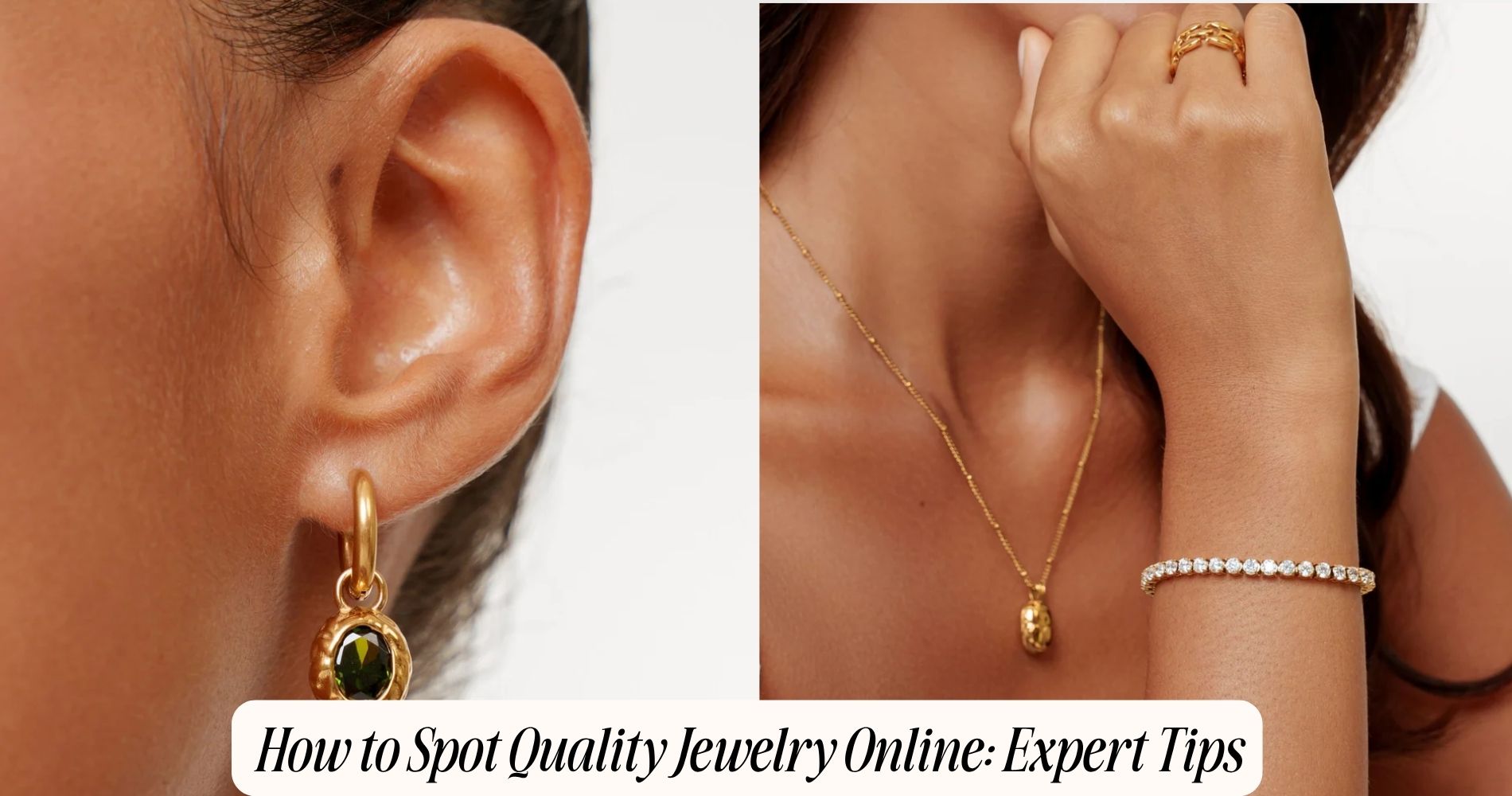
How to Spot Quality Jewelry Online: Expert Tips
How to spot quality jewelry online? You’ll verify metal hallmarks and certification numbers, compare measurements and weight to expected standards, and closely examine high-resolution images for craftsmanship details like prong alignment and clean finishes. Check seller credibility, read recent reviews, and confirm clear return and warranty policies. Be cautious of unusually low prices or vague product descriptions. Asking for additional photos or certifications can help ensure confidence—collections like Waterproof Jewelry often highlight durability and material transparency for easier decision-making.
Quick 5‑Point Checklist Before You Buy Jewelry Online
Before you click “buy,” run through five precise checks to verify authenticity, quality, and value: inspect hallmarking for metal grade, verify gemstone certification numbers, evaluate setting integrity in high-resolution images, confirm measurements and weight, and assess return/warranty terms.
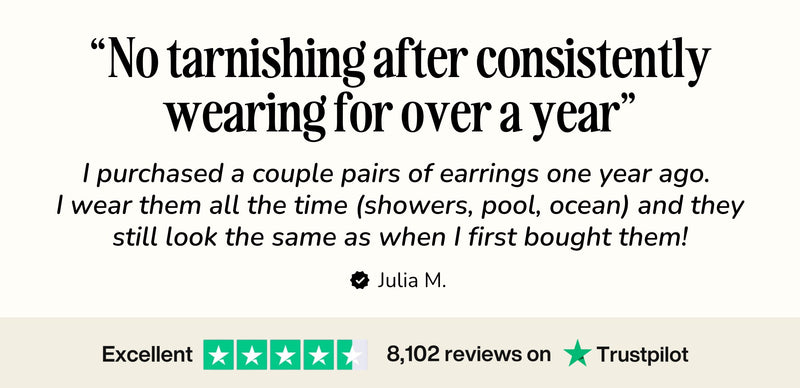
You’ll cross-reference Jewelry reviews for consistency in reported materials and longevity; prioritize reviews that include photos and measurements.
You’ll analyze Customer feedback for recurring defects or service issues, quantifying frequency and severity.
Use a loupe or macro photo to judge cut precision and bezel alignment; measure refractive properties against known standards when certification is absent.
Verify metal density via stated karat and weight.
Finally, confirm the seller’s stated grading lab matches documentation.
Each check reduces risk and increases measurable confidence before purchase.

How to Tell If a Jewelry Seller Is Trustworthy
Those five pre-purchase checks tell you what to verify on an item; now you need to verify who’s behind the listing.
Assess seller reviews quantitatively: calculate average rating, review count, and recency to detect consistency or anomalies. Cross-check reviewer profiles for purchase verification and repeated patterns indicating fabricated feedback.
Inspect stated return policies for specificity—time window, condition requirements, refund method—and confirm they align with platform protections and payment‑processor dispute options.
Verify business credentials: registered company name, tax ID, physical address, and clear contact channels.
Check for third‑party authentication badges and independent guarantees; validate them via issuer lookup.
If any data point is missing, ask direct questions and require documentation before purchasing; lack of transparency is a measurable risk indicator.
What to Look for in Product Photos and Zooms
High-resolution photos and true-to-scale zooms let you verify material, finish, and construction details that listings' descriptions alone can't convey. You should inspect edges, joins, prong seats, and hallmark stamps at maximum zoom to detect filing marks, solder lines, or inconsistent symmetry.
Evaluate lighting conditions: diffuse, neutral light reveals true color and surface texture, while harsh directional light can mask pits or exaggerate polish. Check background contrast to guarantee the piece's silhouette and small defects are visible; a mid-tone, non-reflective background prevents clipping and false highlights.
Look for multiple focal planes—top, profile, interior cavity—so you can assess thickness and setting security. Avoid images with heavy post-processing or enlarged pixels; they obscure manufacturing indicators you need to judge quality.

Read Listings Like a Pro: Metals, Measurements, and Settings
Good product photos only get you so far; to confirm what you see, scrutinize the listing text for exact metal type, measurements, and setting details.
You should verify declared metal types (e.g., 14K, 18K, platinum) and note whether the listing specifies alloy composition or plating.
Check measurement units: ring size standards, shank width in millimeters, gemstone dimensions in millimeters, and total carat weight with decimal precision.
Evaluate setting descriptions—prong count, bezel versus channel, tension—and confirm whether settings are described as secure or repaired.
Look for tolerances (± values) and absence of vague adjectives. If weight is provided, compare grams against expected volume.
Precise, quantitative listing language reduces ambiguity and helps you assess true quality remotely.
Quick Hallmark and Stamp Checks for Metals
When you examine a piece, start by locating and reading any hallmarks or stamps under magnification, because those small marks are your first technical indicators of metal content and origin.
You’ll note numeric fineness marks (e.g., 750, 925), maker’s marks, and assay office symbols; memorize common codes to speed assessment.
Use consistent lighting and a loupe to confirm crispness and placement—worn or irregular stamps suggest refinishing or plating.
For analytical verification, cross-reference hallmark explanations from authoritative databases and record discrepancies.
Evaluate stamp significance quantitatively: does the mark match declared alloy, weight, and country standards?
If marks are absent or ambiguous, flag the listing for clarification and request provenance documentation before purchase.

How to Verify Gemstones From Photos and Certificates
Anyone can start verifying gemstones from photos and certificates by treating images as preliminary data and certificates as primary, but fallible, documentation.
You’ll scrutinize photos for consistent lighting, scale indicators, and focus on inclusions that inform gemstone clarity; note surface reflections versus internal features. Request multiple angles, macro shots, and a millimeter scale.
For certificates, verify laboratory accreditation, report number, and issuance date to assess certification authenticity; cross-check report numbers on the lab’s database. Compare reported measurements, cut proportions, and weight against pictured dimensions.
Be alert for mismatches between described treatments and visual cues (e.g., diffusion, fracture filling). If discrepancies remain, insist on a video verification or independent appraisal from an accredited gemological laboratory before purchase.
Check Craftsmanship: Common Quality Signs and Red Flags
Although you’re focused on gemstones, craftsmanship determines how those stones perform and endure, so inspect settings, joins, and finishing with a methodical eye.
You’ll evaluate symmetry of prongs, seat depth, and bezel contact to confirm secure mechanical retention; misaligned prongs or gaps are immediate red flags.
Examine solder joints for smooth, continuous fillets—cold or lumpy joins indicate poor craftsmanship techniques.
Check for consistent facet alignment and clean pavé holes; excessive glue or visible adhesive points to shortcuts.
Assess material quality by noting weight relative to size, uniform alloy color where exposed, and crisp hallmarks indicating composition.
Request macro photos or videos under magnification; if the seller can’t provide them, treat absence as a potential indicator of substandard workmanship.
Check Plating and Finish Durability
How long will plating and surface finishes actually last under normal wear? You should assess plating thickness (microns for PVD or electroplated layers) and substrate composition; thicker coatings resist abrasion and corrosion longer.
Verify vendor specifications rather than marketing phrases, and compare stated thickness to typical ranges: 0.1–0.5 µm wears quickly, 1–5 µm is moderate, PVD layers often exceed 5 µm equivalent durability.
Inspect finish edges and join interfaces in photos for uniform coverage; uneven edges predict premature failure.
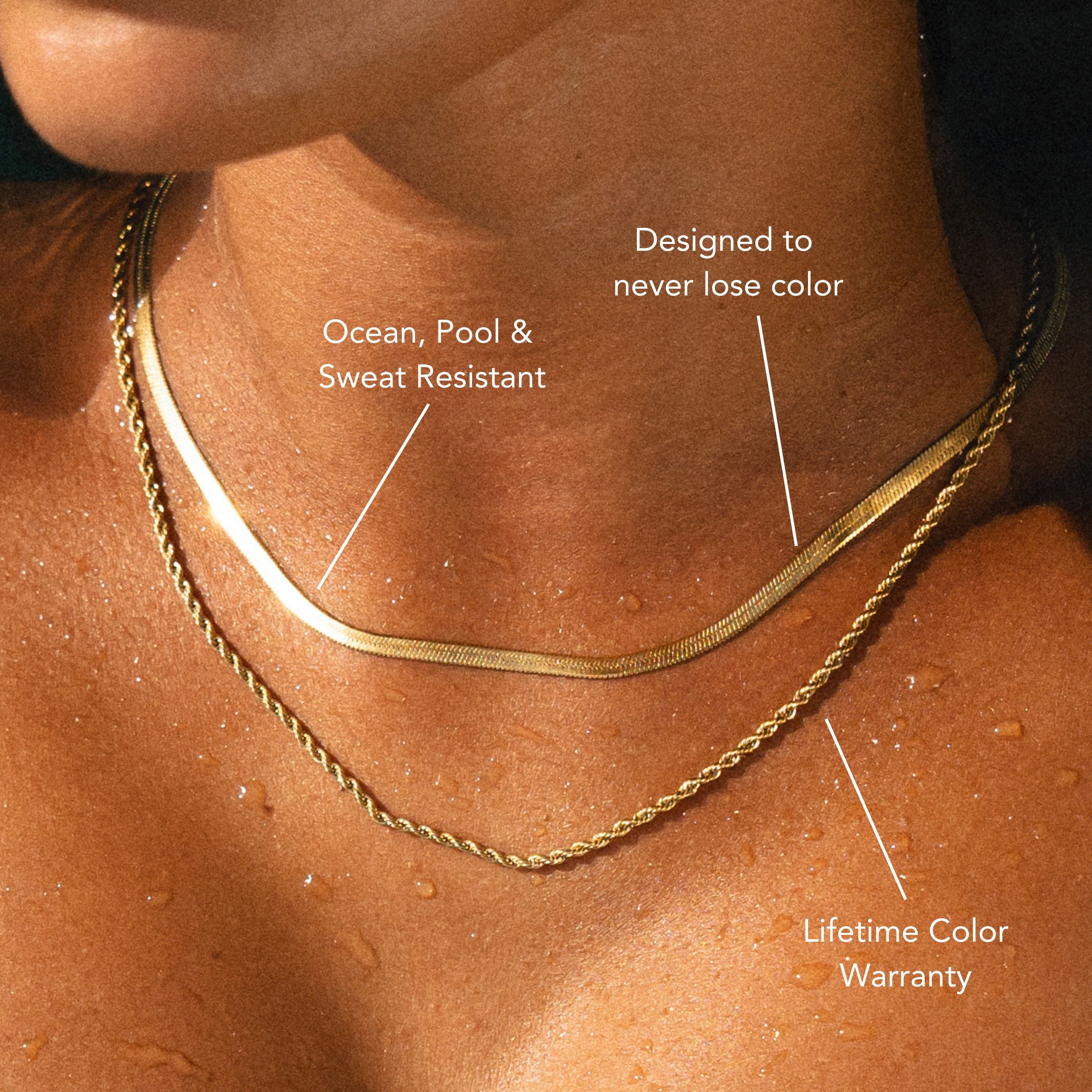
Ask about a written finish warranty that quantifies coverage, limits, and remediation steps—repair, replate, or refund—and check claimed conditions (chemicals, perspiration, polishing).
If the seller won’t provide measurable data or a clear finish warranty, treat durability claims skeptically.
Price vs. Value: Spotting Unrealistic Jewelry Deals
When a listed price seems dramatically lower than market norms, dig into composition, weight, certification, and seller margins to determine whether you're looking at a genuine bargain or a misrepresented product.
You should quantify material content (karat, fineness), measure gross and net weight, and compare those metrics to current metal and gemstone spot prices to test advertised savings.
Analyze the seller's jewelry pricing strategies: are they claiming bulk buy savings, opaque grading, or atypical warranty terms?
Flag inconsistent unit pricing, vague certification, or improbably high discounts as discount red flags.
If documentation, assay reports, and clear return policies don't align with the stated price rationale, treat the offer as high risk.
Make decisions based on measurable parity, not promotional language.

Final Tests and Questions to Ask Before You Buy
Why double-check the obvious before you commit? You’ll run a final inspection that verifies measurements, metal marks, clasp integrity, and stone settings against the product specs.
Use a loupe or ask the seller for high-resolution, scaled images and a video showing movement and mounting. Confirm certification numbers and cross-check lab reports.
Ask targeted questions: return policy timeframes, damage repair procedures, and insurance recommendations. Request provenance documentation and recent appraisals if applicable.
Evaluate customer feedback for consistency in complaints about sizing, color accuracy, or longevity. Quantify risk: note response times, warranty length, and remediation steps.
If any answer’s vague or documentation’s missing, pause—don’t buy until discrepancies are resolved.
Frequently Asked Questions
How Can I Insure Jewelry Purchased Online Immediately After Buying?
Start filing for coverage immediately: get jewelry appraisal options (certified appraisal or gem lab report), compare insurance policy types (rider, scheduled personal property), provide purchase receipt and photos, then bind coverage with insurer’s payment confirmation.
Do Sellers Offer Professional Cleaning or Maintenance Services?
Yes — many sellers offer professional cleaning and maintenance services; you’ll get jewelry care plans, maintenance tips, scheduled inspections, polishing, and repairs. Review service scope, costs, turnaround times, and warranty linkage before committing.
What Should I Know About Return Shipping Costs and Policies?
You should confirm the return policy specifics: time windows, restocking fees, and eligibility; verify who pays shipping fees for returns and exchanges, whether insurance/tracking is required, and document condition requirements to avoid chargebacks.
Are There Customs/Import Duties for International Jewelry Purchases?
Yes — you’ll often face customs/import duties for international jewelry purchases; check import regulations, commodity codes, and applicable duty fees. Calculate taxes, brokerage, and VAT beforehand, and document declared value precisely to avoid delays and fines.
How Do Warranties Differ Between Independent Sellers and Brand Retailers?
Independent warranties typically offer limited coverage, shorter terms, and variable service levels; brand benefits include standardized, longer warranties, certified repairs, and clear terms. You’ll assess inclusions, transferability, and documented proof when choosing.
Conclusion
You’ll use this checklist to make fast, rational buy/no‑buy calls: verify seller credentials and return policy, scrutinize high‑resolution photos for solder quality and prong integrity, confirm metal stamps and exact measurements, and assess plating thickness and finish wear indicators. Flag unrealistic prices and vague descriptions. Ask direct questions about gemstones, settings, and repairs. If responses are precise and documentation is provided, proceed; if not, walk away—don’t gamble on unclear jewelry.









Leave a comment
This site is protected by hCaptcha and the hCaptcha Privacy Policy and Terms of Service apply.