


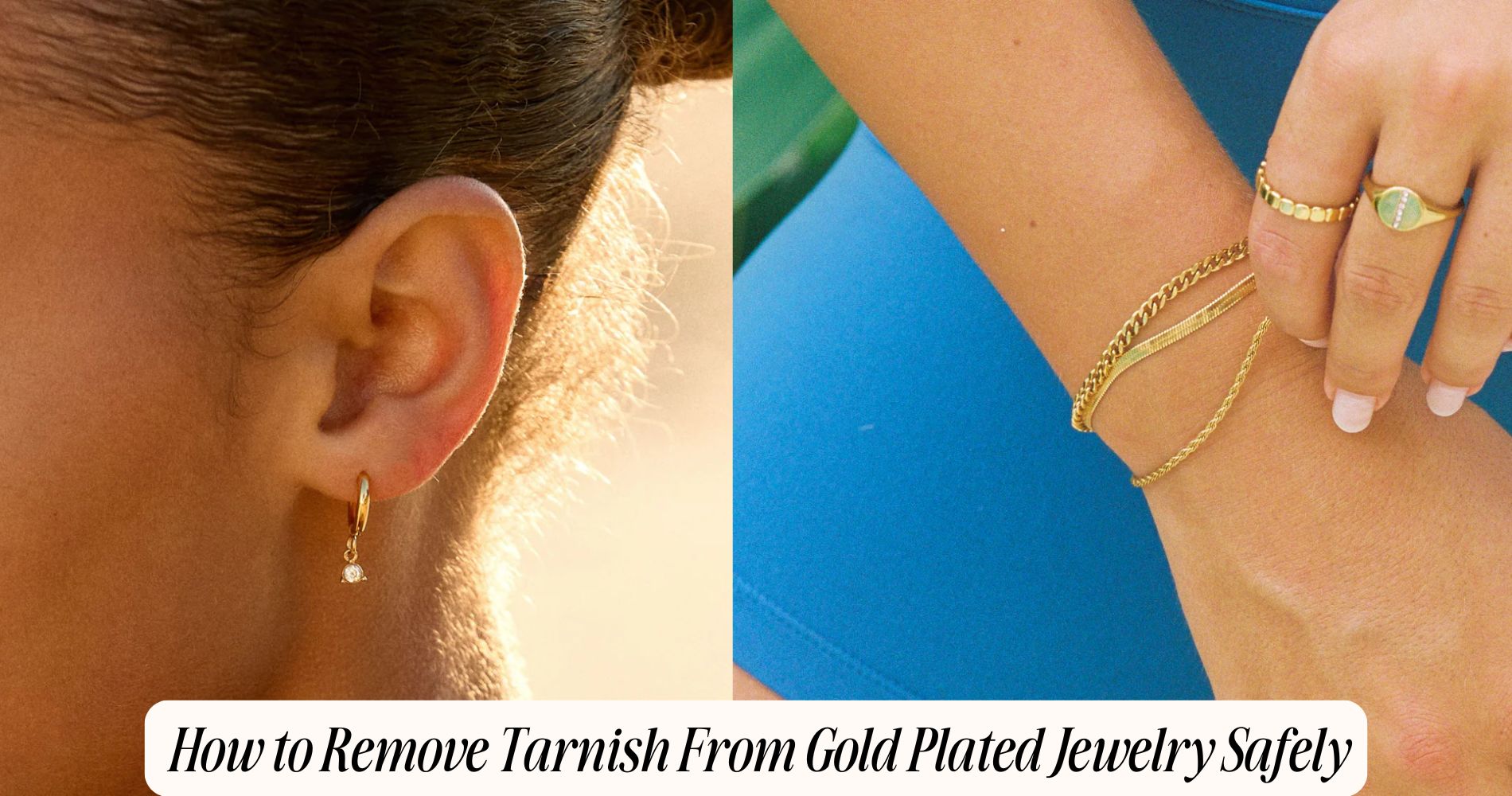
How to Remove Tarnish From Gold Plated Jewelry Safely
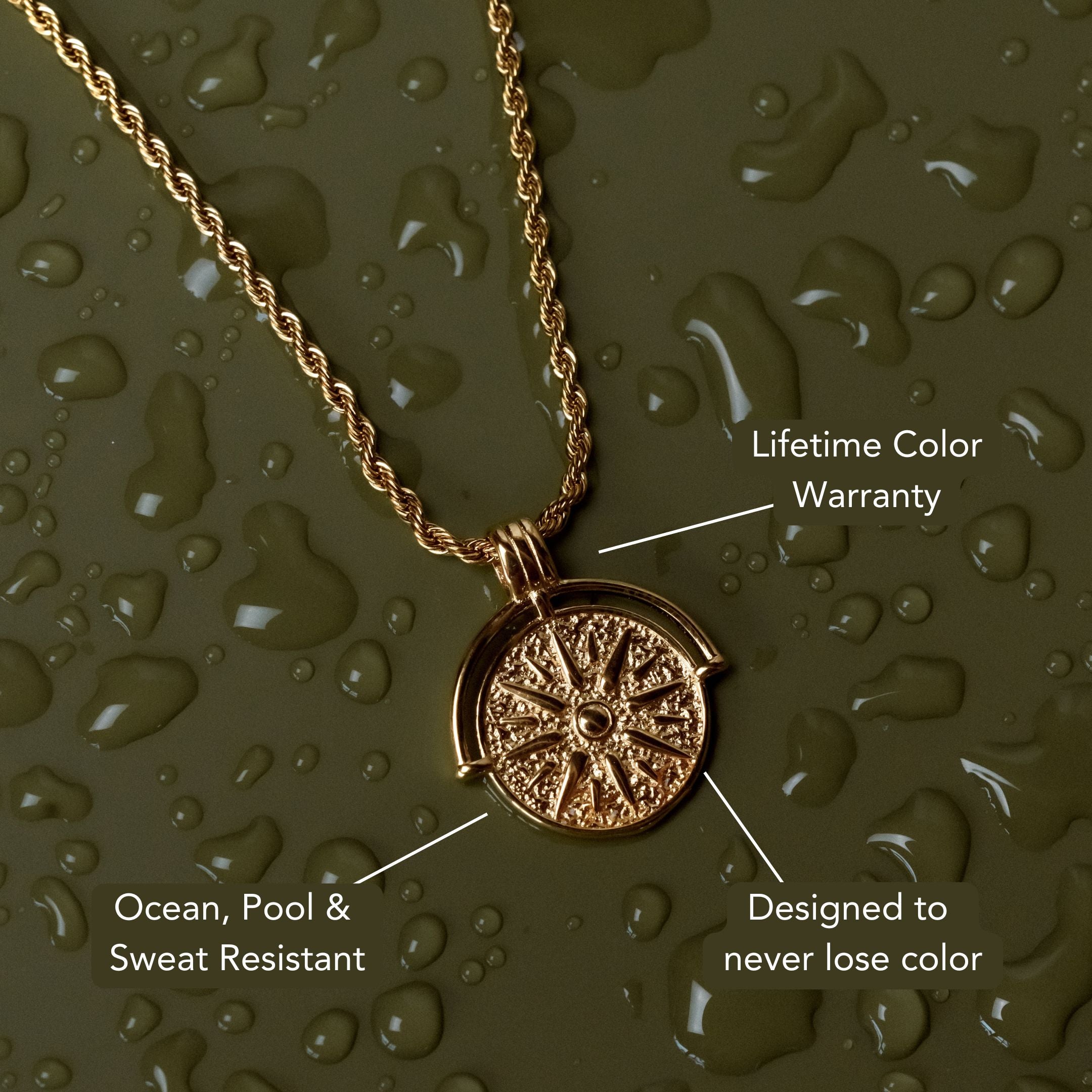
How to remove tarnish from gold plated jewelry? Start by washing your hands, then soak the piece for 2–3 minutes in lukewarm distilled water with a single drop of pH-neutral, dye-free dish soap. Gently wipe along the grain using a tightly woven microfiber cloth, and reserve an ultra-soft toothbrush for crevices only. Rinse with distilled water, blot dry, and let the piece air-dry completely. Avoid abrasives, alcohol, ammonia, silver dips, and ultrasonic cleaners unless the manufacturer specifies otherwise. For lower-maintenance wear, Waterproof Jewelry is designed to better resist moisture-related tarnish. Finish by storing pieces in an anti-tarnish pouch to slow future discoloration—there’s even more you can do to extend longevity.
Understanding Gold Plating and Why It Tarnishes
Although it looks like solid gold, gold-plated jewelry is a thin gold layer bonded to a base metal such as brass, copper, or sterling silver, typically via electroplating at thicknesses from ~0.1 to 2.5 microns.
You’re relying on that micro-thin coating to isolate reactive metals. When gold plating is intact, it’s chemically inert; the trouble starts where the layer is thin, porous, or worn.
Primary tarnish causes include sulfur compounds in air, chlorine in pools, acids in sweat, skin pH, cosmetics, and abrasive friction.
These agents breach pores, exposing copper or silver, which oxidize or sulfidize and then migrate, discoloring the surface. Mechanical wear at edges accelerates failure. Nickel underplates can corrode too.
To minimize tarnish, limit chemical exposure, moisture, and abrasion.

Tools and Gentle Cleaners You’ll Need
Start with five essentials that won’t strip fragile plating: a soft, lint-free microfiber cloth; a new, ultrasoft-bristle toothbrush; mild dish soap (dye- and fragrance-free); distilled water; and cotton swabs.
These cleaning supplies are safe materials that won’t abrade microns-thin gold. Choose a tightly woven microfiber to minimize snagging and reduce particulate shedding. Use a baby-soft toothbrush (labeled extra- or ultra-soft, 0.10–0.15 mm filaments) to control mechanical action.
Select a neutral pH dish soap without dyes, fragrance, or moisturizers that can leave residues. Distilled water prevents mineral spotting and ion-exchange reactions with base metals.
Add nitrile gloves to keep skin oils off surfaces, plus a nonreactive glass or polypropylene bowl. Avoid paper towels, baking soda, toothpaste, silver dips, ammonia, and alcohol.
Step-by-Step Method to Clean Light Tarnish
With your gentle kit assembled, proceed to a controlled clean that preserves the thin gold layer. First, wash your hands to remove oils—common tarnish causes.
Lay a soft towel. Fill a bowl with lukewarm distilled water and a drop of pH-neutral soap. Submerge the piece for 2–3 minutes. Using a microfiber cloth, wipe along the metal’s grain with light, linear strokes; avoid circular friction. For crevices, dab with a damp, ultra-soft brush, minimal pressure.
Rinse in distilled water; don’t soak clasps. Blot dry immediately, then air-dry on the towel until moisture fully evaporates.
Polish gently with a non-abrasive jewelry cloth—no compounds. Inspect plating edges; stop if base metal shows.
Rebag in an anti-tarnish pouch. Set cleaning frequency based on wear: weekly for daily use, monthly for occasional.

Deep-Clean Techniques for Stubborn Discoloration
When light cleaning doesn’t lift oxidation, escalate to controlled, low-abrasion methods designed for plated surfaces.
Start with a targeted soak: mix a mild vinegar solution (1:10 white vinegar to distilled water) for two minutes, then rinse and blot dry.
For spot treatment, create a thin baking soda slurry (1:6 with water). Dab with a cotton swab using minimal pressure, then rinse thoroughly.
If deposits persist, use an ultrasonic cleaner only when you can disable heat and set short cycles (30–60 seconds) with a neutral pH jewelry detergent; place pieces in a mesh basket to reduce agitation.
Inspect after each pass.
For severe, localized discoloration or intricate settings, schedule professional polishing that specifies micro-abrasive media and verifies remaining gold thickness with XRF or equivalent instrumentation.
Mistakes to Avoid That Can Strip the Finish
Although gold plating looks resilient, a few common missteps will strip it fast. Avoid common cleaning mistakes that mechanically wear the thin gold layer.
Don’t use abrasive materials such as baking soda paste, toothpaste, scouring powders, or microfiber with a high grab; they micro-scratch the finish. Skip ultrasonic cleaners unless the manufacturer states compatibility; cavitation can undercut plating at edges and prongs.
Never soak in ammonia, bleach, vinegar, or high-PH detergents; these attack base metals and promote blistering. Don’t deploy silver dips or tarnish removers containing thiourea; they can etch or lift gold.
Avoid stiff brushes and high-pressure rinsing that drive grit into crevices. Don’t mix metals during cleaning; galvanic action accelerates loss. Rinse promptly after any cleaner to prevent prolonged chemical exposure.

Daily Care and Storage Tips to Keep Pieces Shining
Even outside of cleaning sessions, handle gold-plated pieces to minimize friction, moisture, and chemical load.
Put jewelry on last and remove it first to avoid cosmetics, sunscreen, hairspray, and perfume. Wash hands before touching pieces; skin oils accelerate sulfide formation. After wear, dry with a lint-free microfiber cloth to remove salts and acids. Avoid tissues; wood pulp can abrade thin plating.
Adopt preventative measures: don’t wear gold-plated items during workouts, swimming, or showering; chlorine and sweat pit the surface.
For proper storage, isolate each piece in a soft-lined compartment or individual anti-tarnish pouch. Use silica gel or activated carbon to control humidity below 50%. Keep chains clasped to prevent kinking. Store away from rubber, felt, and sulfur sources that off-gas.
Rotate wear to reduce cumulative abrasion.
Frequently Asked Questions
How Can I Tell if an Item Is Truly Gold Plated?
You verify gold plating by performing acid gold testing on a discreet spot, checking hallmark codes (GP, GEP, HGE), using XRF for composition, inspecting wear at edges, and measuring plating thickness with a micrometer or coulometric testing.
Will Ultrasonic Cleaners Damage Thin Gold Plating?
Yes—ultrasonic cleaning can damage thin gold plating. Cavitation erodes soft plating, exposes base metal, and accelerates wear. Use mild soap, lukewarm water, and a soft cloth instead. If using ultrasound, select low power, minimal time, and distilled water.
Can Professional Replating Restore Heavily Worn Pieces?
Yes. Professional replating can restore heavily worn pieces. You’ll assess base metal integrity, polish, clean, and apply strike layers, then controlled gold deposition. This replating process enhances appearance and durability, supporting long-term jewelry restoration, though engraving loss and base corrosion limit outcomes.
Is Hypoallergenic Plating Available for Sensitive Skin?
Yes. You can request hypoallergenic plating using nickel-free alloys or inert barrier layers (e.g., palladium) beneath gold. These hypoallergenic materials reduce skin sensitivities, minimize ionic migration, and maintain durability. Verify ASTM nickel release compliance and ask for specific microns.
How Often Should I Schedule Routine Inspections or Maintenance?
Schedule routine inspections every 3–6 months; adjust inspection frequency based on wear, exposure to sweat, and chemicals. Perform routine cleaning monthly. Check clasp tension, plating integrity, stone security, and micro-scratches; address microloss with re-plating before substrate exposure or galvanic corrosion develops.
Conclusion
You’ve got everything you need to keep gold-plated pieces bright without risking the finish. Use mild surfactants, soft tools, and controlled contact times; escalate only when light tarnish persists. Avoid abrasives, ammonia, whitening pastes, ultrasonic baths, and prolonged soaking. Rinse thoroughly, blot dry, and polish with a microfiber. Store in low-humidity, anti-tarnish environments and wear after lotions or perfumes. With disciplined care cycles and periodic inspections, you’ll maintain luster and extend the plating’s service life.









Leave a comment
This site is protected by hCaptcha and the hCaptcha Privacy Policy and Terms of Service apply.