


How to Remove Ring from a Swollen Finger: Safe Tricks That Work Fast
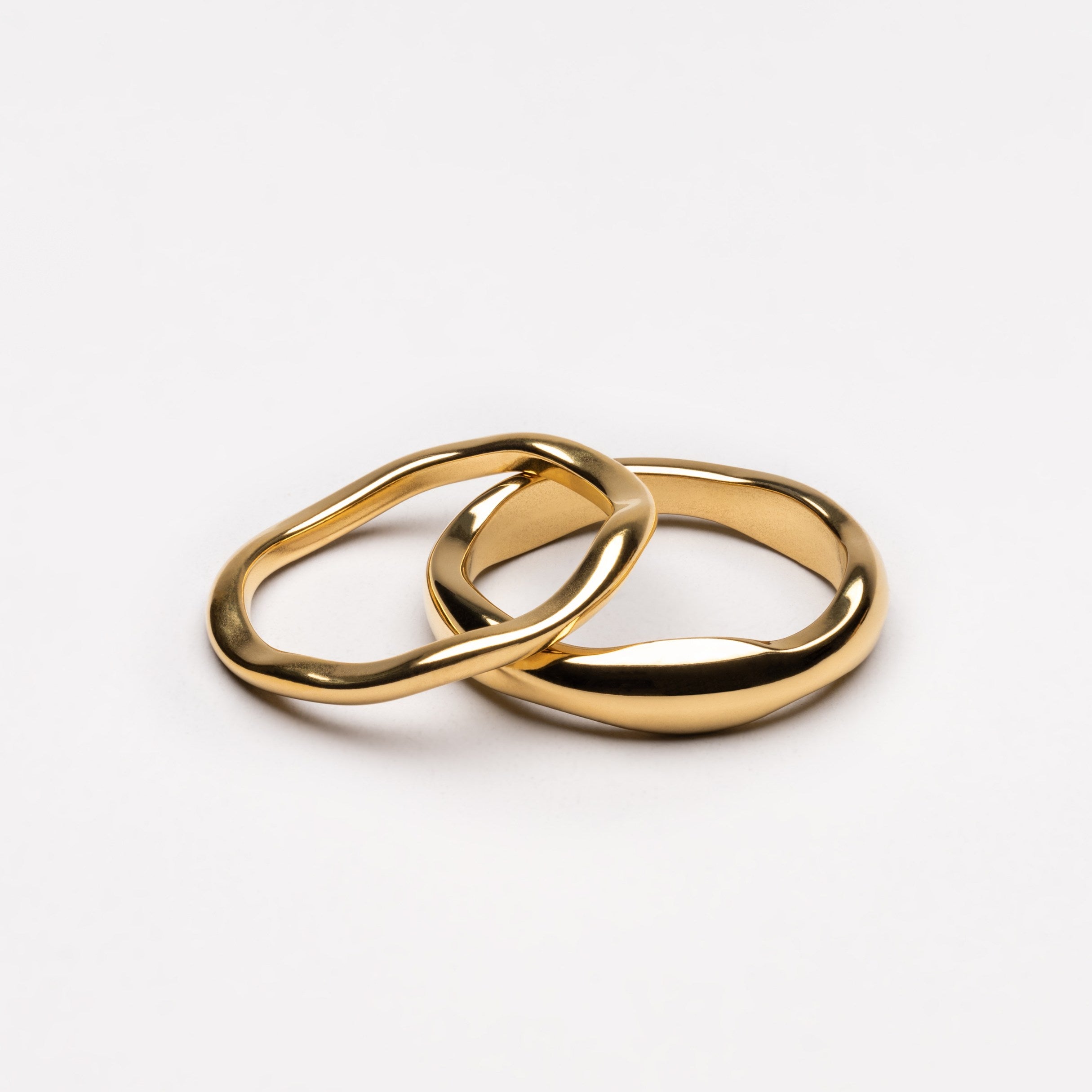
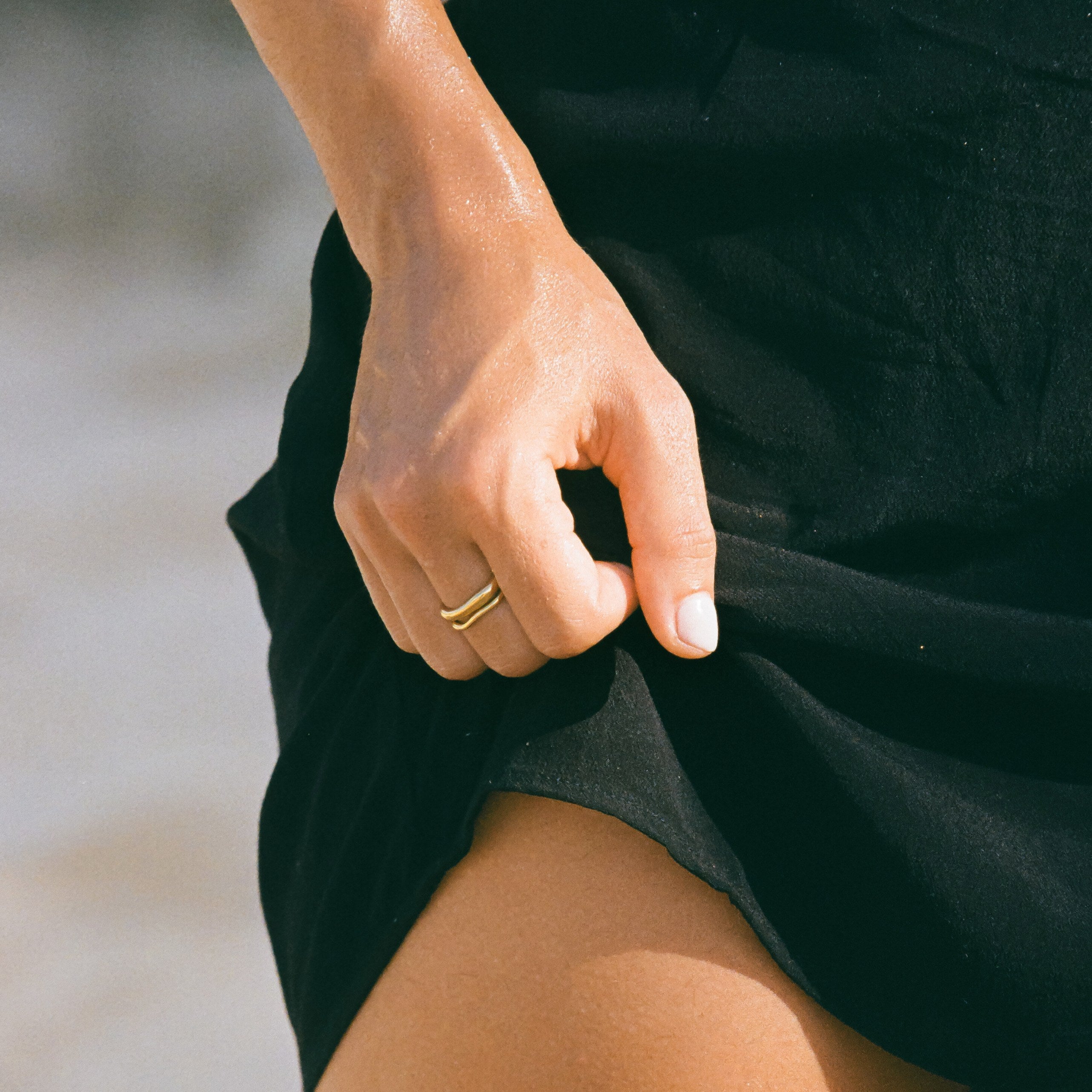
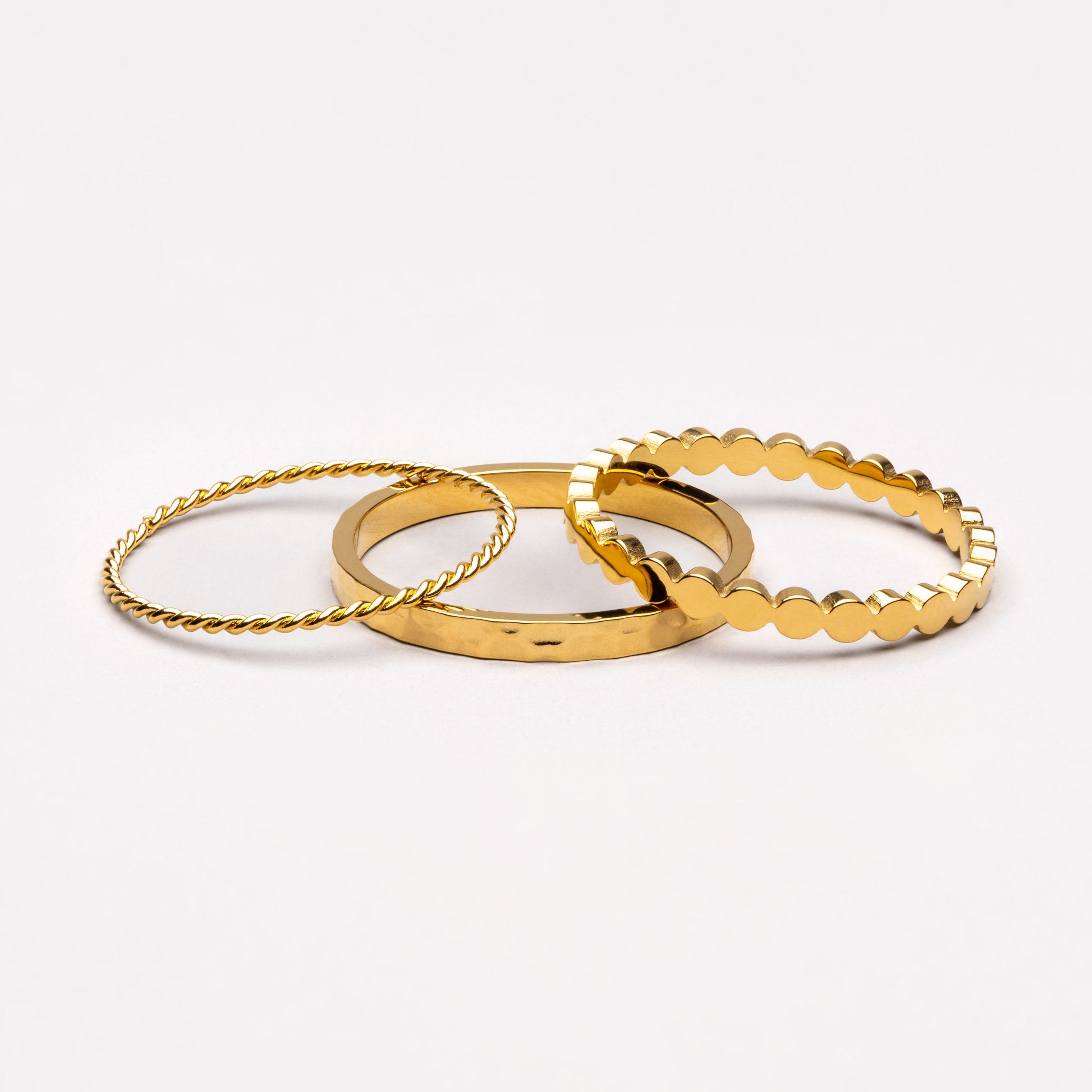
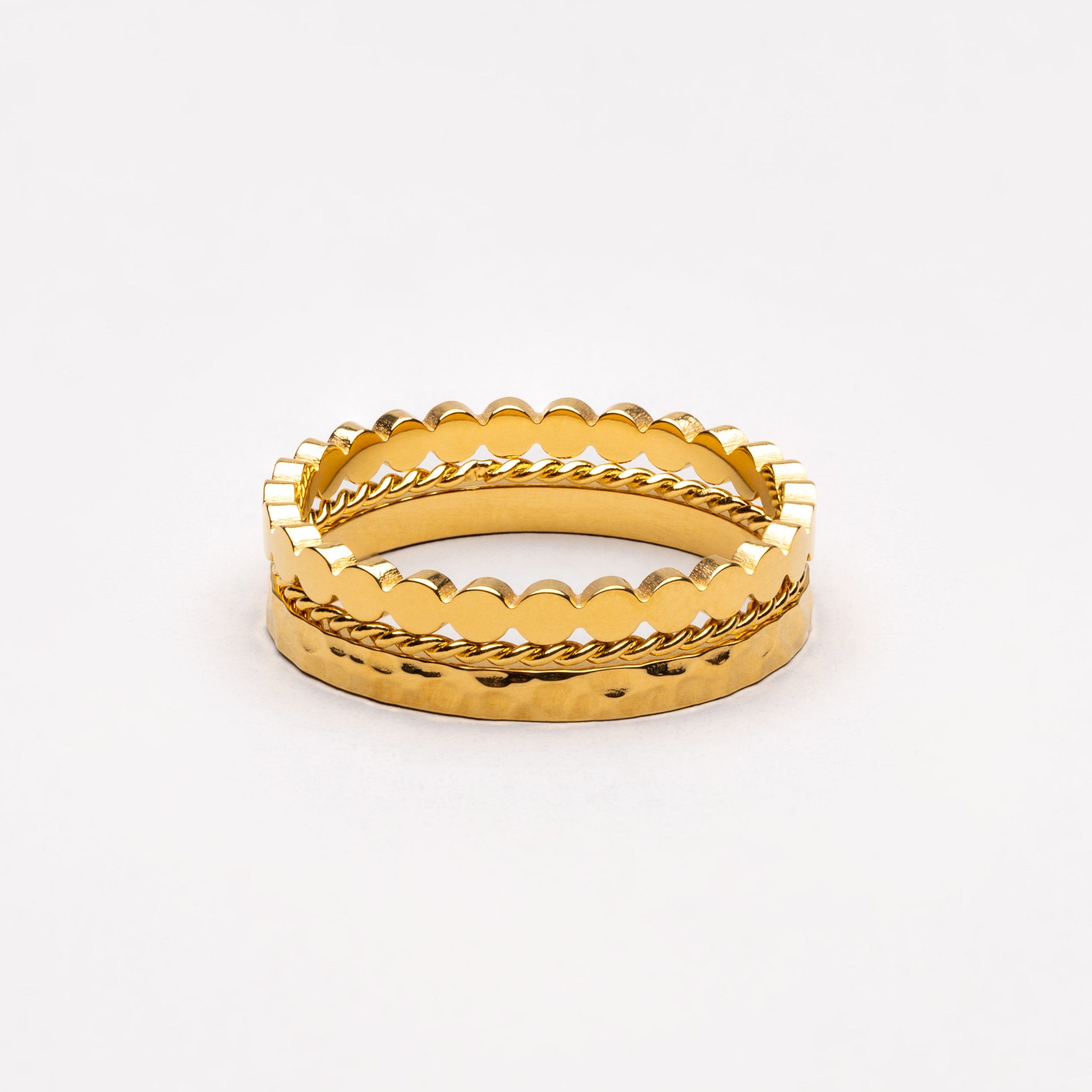
How to remove ring from a swollen finger? Stay calm, elevate your hand above heart level, and check circulation by pressing the fingertip until color returns within two seconds. Apply a generous lubricant like soap, lotion, or petroleum jelly, then gently twist and rock the ring while keeping your hand elevated. You can also try a string or floss wrap technique or briefly cool the finger to reduce swelling; warm, soapy water may help soften the skin. Stop if you feel numbness or severe pain and seek medical help. For everyday wear, choosing comfortable designs—like those in the Minimalist Gold Rings collection—can help prevent tightness and reduce the risk of swelling issues.
Calm, Elevate, and Check Circulation
If your finger's swollen and the ring feels tight, stay calm and sit still—panicking will only worsen swelling.
You’ll begin by removing any restrictive clothing and supporting the hand above heart level; finger elevation reduces fluid pooling and helps gradual size reduction. Keep the finger elevated for several minutes, breathing slowly to limit systemic stress.
After a brief pause, perform a circulation check: press the fingertip until it blanches, then release; color should return within two seconds. If capillary refill is delayed, or numbness and increasing pain occur, don’t force the ring. Seek immediate medical help.
Throughout, avoid vigorous movements that increase swelling. These measured steps prioritize tissue preservation and buy time for safe ring removal methods.

Use Lubrication to Slide the Ring Off
When swelling has eased and circulation is intact, apply a slippery lubricant to help the ring slide over the knuckle; common options include water-based soap, hand lotion, petroleum jelly, cooking oil, or even Windex.
Choose among lubrication types based on availability and skin sensitivity: water-based soap or lotion for quick wash-off, petroleum jelly for long-lasting slip, and cooking oil for strong initial lubrication.
Use controlled application techniques: coat the finger thoroughly from tip to base, work lubricant under the ring if possible, and reapply as needed.
Keep the hand elevated while you attempt removal to limit renewed swelling.
Proceed gently and stop if pain or numbness increases.
If the ring won’t move after repeated, careful attempts, seek professional help promptly.
Try Gentle Twisting and Rocking First
After you’ve applied lubricant and reduced swelling as much as possible, try gentle twisting and rocking to coax the ring over the knuckle.
You’ll want to work slowly, keeping motion small and consistent. Apply gentle pressure toward the fingertip while alternating slight rotation and back-and-forth rocking; this changes the angle and may reduce friction.
Monitor skin color and sensation—stop if numbness, increasing pain, or blue tint appears.
Consider the ring material: flexible bands behave differently from rigid metals, and some settings catch on skin. If the ring is thin or softer, you can often ease it past the knuckle with steady, controlled twists.
If the ring won’t move after several minutes, cease efforts and seek professional help to avoid injury or further swelling.

Remove a Ring With String or Floss (Step-by-Step)
Use a piece of thin, strong string or dental floss to gradually feed the ring over the knuckle with controlled pressure and minimal movement.
Wrap one end of the string around the finger, starting just above the ring, in tight, even coils to compress tissue slightly.
Thread the free end under the ring toward the palm, securing it so coils don't slip.
Hold the ring steady; slowly unwind the coils from the base toward the knuckle while guiding the ring forward with the threaded end.
Use string techniques and floss methods to maintain consistent compression and direction.
Stop if pain, numbness, or color change occurs; loosen and reassess.
If resistance persists or swelling worsens, seek professional help promptly to avoid injury.
Use Temperature Safely: Cool to Shrink, Warm to Loosen
If the string or floss method doesn't ease the ring, try temperature to change finger size: cool the finger to slightly shrink soft tissue or warm it to relax and lubricate the skin for easier removal.
First, submerge your hand in cool water or apply an ice pack wrapped in cloth for several minutes; cool water reduces mild swelling and may create just enough space to slide the ring. If circulation feels compromised or the finger becomes numb, stop and seek help.
Alternatively, use a warm compress or soak the hand in warm (not hot) water to soften skin and increase pliability; add a little soap for lubrication.
Alternate briefly between cool and warm if needed, but prioritize comfort and circulation.
Quick Swelling-Reduction Tips to Try First
When your finger starts to swell, act quickly with a few simple measures that can reduce size and restore circulation so the ring can be removed safely.
Begin by elevating the hand above heart level using steady elevation methods to reduce fluid pooling.
Apply intermittent ice packs wrapped in cloth for 10–15 minutes to constrict vessels; check skin and sensation frequently.
Use gentle compression techniques—light bandaging or a compression glove—to encourage fluid movement away from the fingertip, but avoid anything that causes numbness or pain.
Consider conservative herbal remedies with known anti-inflammatory effects, like a short course of topical arnica or chamomile compresses, only if you’ve used them before and aren’t allergic.
Monitor circulation; seek medical care if swelling or pain worsens.

Tools and Household Items to Avoid
Because improvised tools and forceful methods can do more harm than good, avoid using sharp objects, pliers, or hammers to cut or pry a ring off a swollen finger.
You shouldn’t use knives, scissors, wire cutters, or any tool that can nick skin, sever tissue, or worsen swelling causes.
Don't try lubricating with oil and then forcibly twist the ring with a metal tool; that increases risk of laceration and entrapment.
Avoid household items like string if you can’t control tension precisely, zip ties that tighten unpredictably, or chemical solvents that can irritate skin.
Stay away from makeshift clamps, rubber bands used excessively, and heat sources aimed at the ring—these can increase swelling and cause burns.
Use approved safe methods first and prioritize minimal trauma.
When Should You Seek Medical Help?
After avoiding risky household tactics, know the signs that mean you should get professional care for a stuck ring.
Seek immediate medical attention if your finger becomes numb, pale, blue, or extremely cold—these indicate impaired circulation.
Go to urgent care or the emergency department if swelling causes severe pain, blistering, or open skin breaks, or if you can’t reduce swelling with elevation and cold packs.
If you have diabetes, peripheral vascular disease, or other medical conditions that affect healing or circulation, don’t wait—see a clinician promptly.
Also seek help after any unsuccessful prolonged attempts to remove the ring or if tightening tools have injured the skin.
Medical staff will assess circulation and tissue risk and act to prevent permanent damage.
What a Jeweler Will Do (Non-Cutting Options)
If you bring a stuck ring to a jeweler, they’ll first try non‑cutting methods to preserve the ring and protect your finger. You’ll be assessed for circulation and comfort, then they’ll use lubrication, finger elevation, and controlled twisting to coax the ring off.
They may apply a thin wire or string technique—sliding a lubricated strand under the band and winding it to compress tissue while unwrapping the ring. These emergency techniques minimize damage and avoid permanent alteration.
If the ring must change, the jeweler can perform temporary ring resizing or slight band expansion using specialized mandrels and pliers without cutting. They’ll explain options, risks, and costs so you can decide.
If non‑cutting methods fail, they’ll recommend safe next steps.
Prevent Stuck Rings: Sizing, Fit, and Swelling Tips
When you pick a ring, think ahead about fit and swelling so you can avoid a stuck ring altogether. You should get professional ring sizing and a fit assessment that accounts for finger anatomy, dominant-hand differences, and temperature-related size changes.
Know common swelling causes—heat, exercise, salt, medications, pregnancy, injury—and plan preventive measures such as removing rings before long flights, heavy work, or sauna use.
Choose jewelry materials and designs that allow slight flexibility: wider bands fit tighter, rounded interiors (comfort-fit) slide more easily, and smooth metals reduce friction.
If you have chronic edema, request adjustable or open designs and recheck sizing seasonally. These steps lower risk, preserve circulation, and help you avoid emergency removals without compromising style.

Frequently Asked Questions
Can I Cut the Ring off Myself With Household Tools?
You shouldn’t cut the ring off yourself with household tools; it’s risky. Use approved ring removal techniques or seek medical help. Prioritize household tool safety—don’t improvise cutters, go to emergency or jeweler for safe removal.
Will Swelling Return After the Ring Is Removed?
Yes — swelling can return, especially if underlying swelling causes persist; you’ll want swelling remedies like elevation, cold compresses, antihistamines or anti-inflammatories, and treating causes. If swelling recurs or worsens, seek medical evaluation promptly.
Are Certain Ring Metals Safer During Swelling?
Yes — some metals help more. You’ll prefer softer, lighter metals like titanium or sterling silver over thick gold or tungsten; ring metal comparison shows choice can aid swelling prevention, reduce constriction, and ease emergency removal.
Can Allergic Reactions Cause Sudden Finger Swelling?
Yes — allergic reactions can cause sudden finger swelling. You’ll notice finger swelling causes like itching, redness, warmth; allergic reactions symptoms may include hives, pain, or rapid swelling. Seek prompt care if breathing or severe signs occur.
Is It Safe to Sleep With a Stuck Ring On?
No, you shouldn’t sleep with a stuck ring; it can worsen finger swelling causes and cut circulation. Use daytime ring removal techniques or seek urgent care if numbness, color change, or severe pain occur to prevent tissue injury.
Conclusion
Stay calm, elevate the hand, and check circulation first—if fingers feel numb, pale, or cold, seek help immediately. Try lubrication and gentle twisting or the string/floss method to slide the ring off; cool the finger to reduce swelling and use warmth to loosen stuck rings only when circulation is intact. Avoid cutting tools or excessive force. If home methods fail or circulation’s compromised, visit urgent care, the ER, or a jeweler who can safely remove rings without cutting.










Leave a comment
This site is protected by hCaptcha and the hCaptcha Privacy Policy and Terms of Service apply.