

Gemstones for Each Month: Complete Birthstone Guide
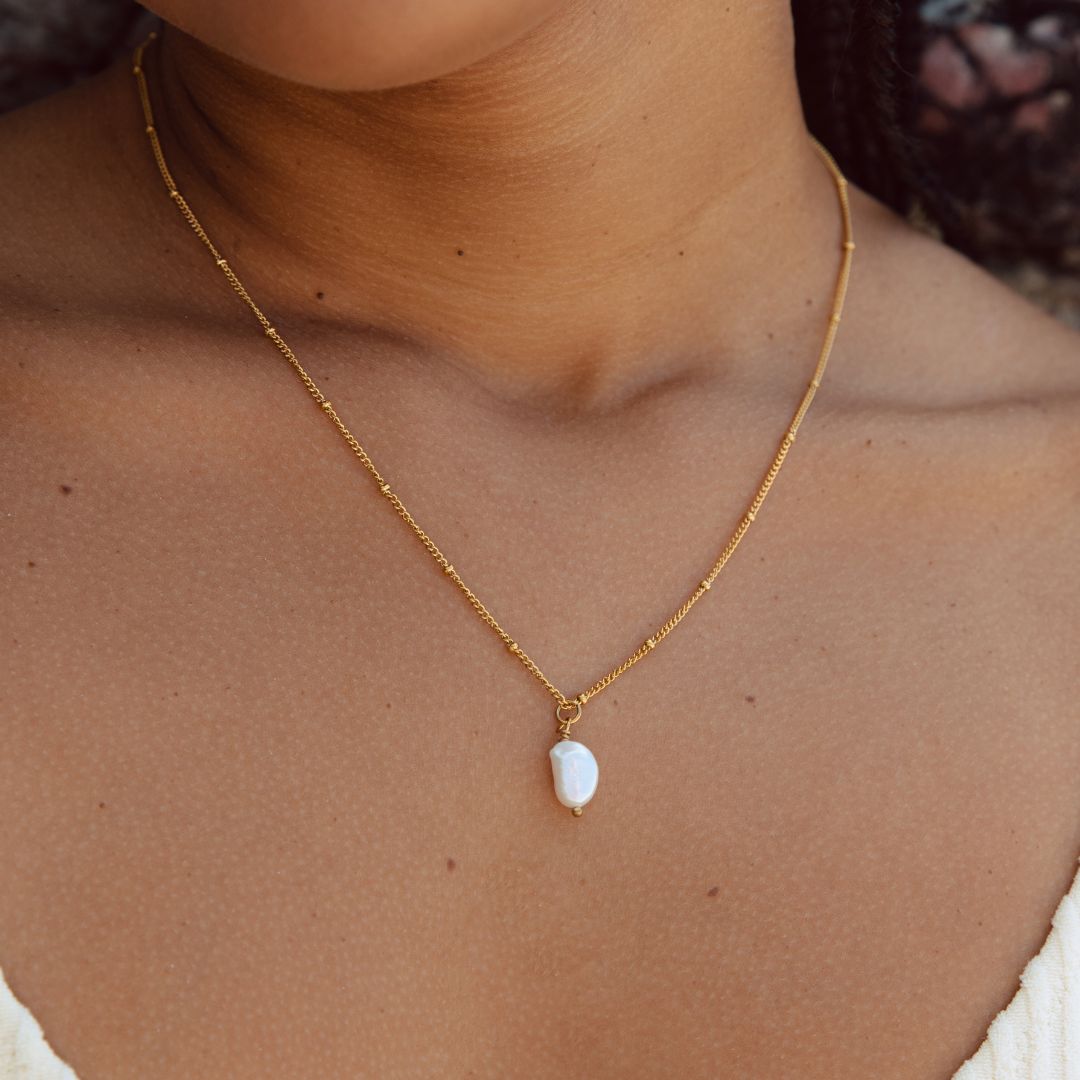
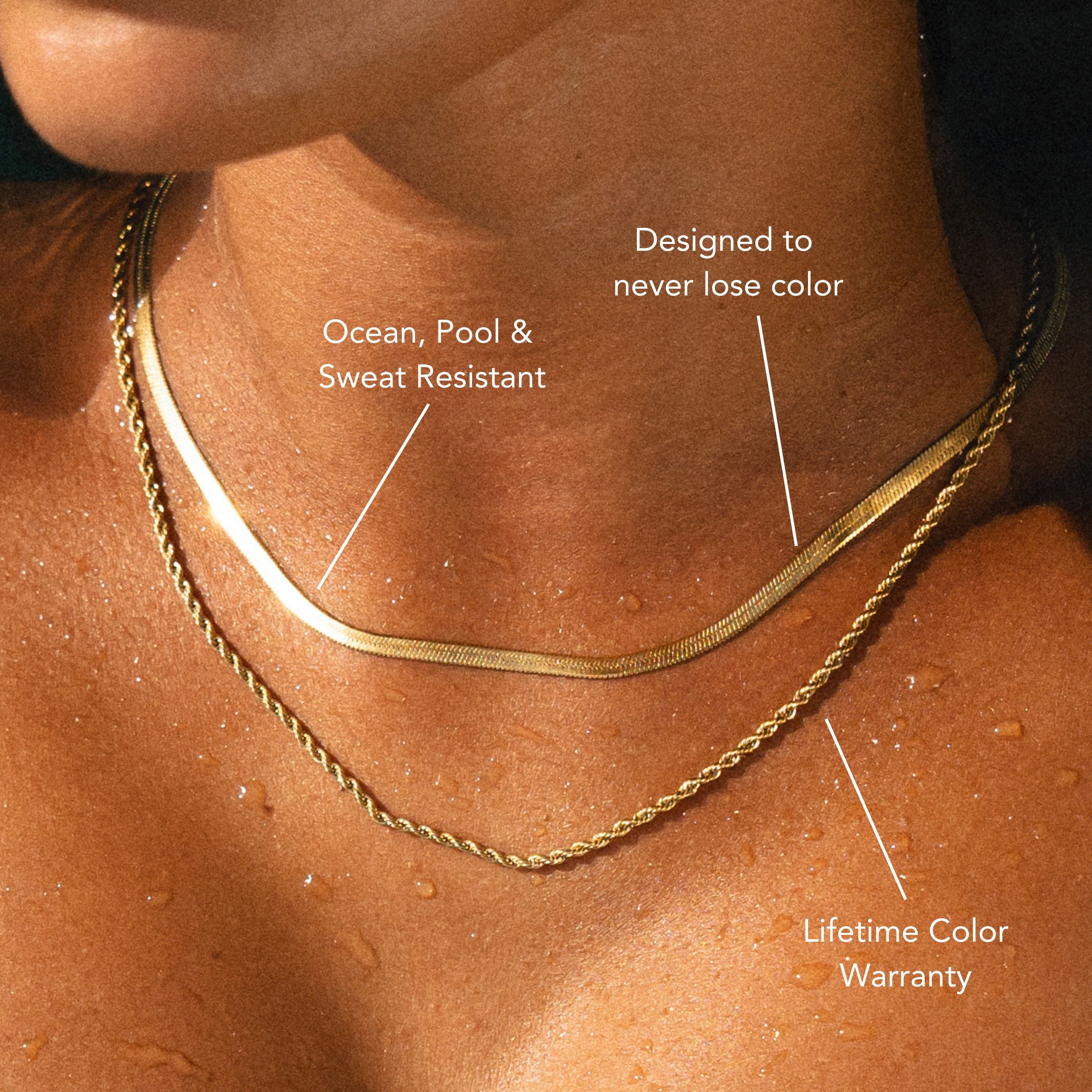
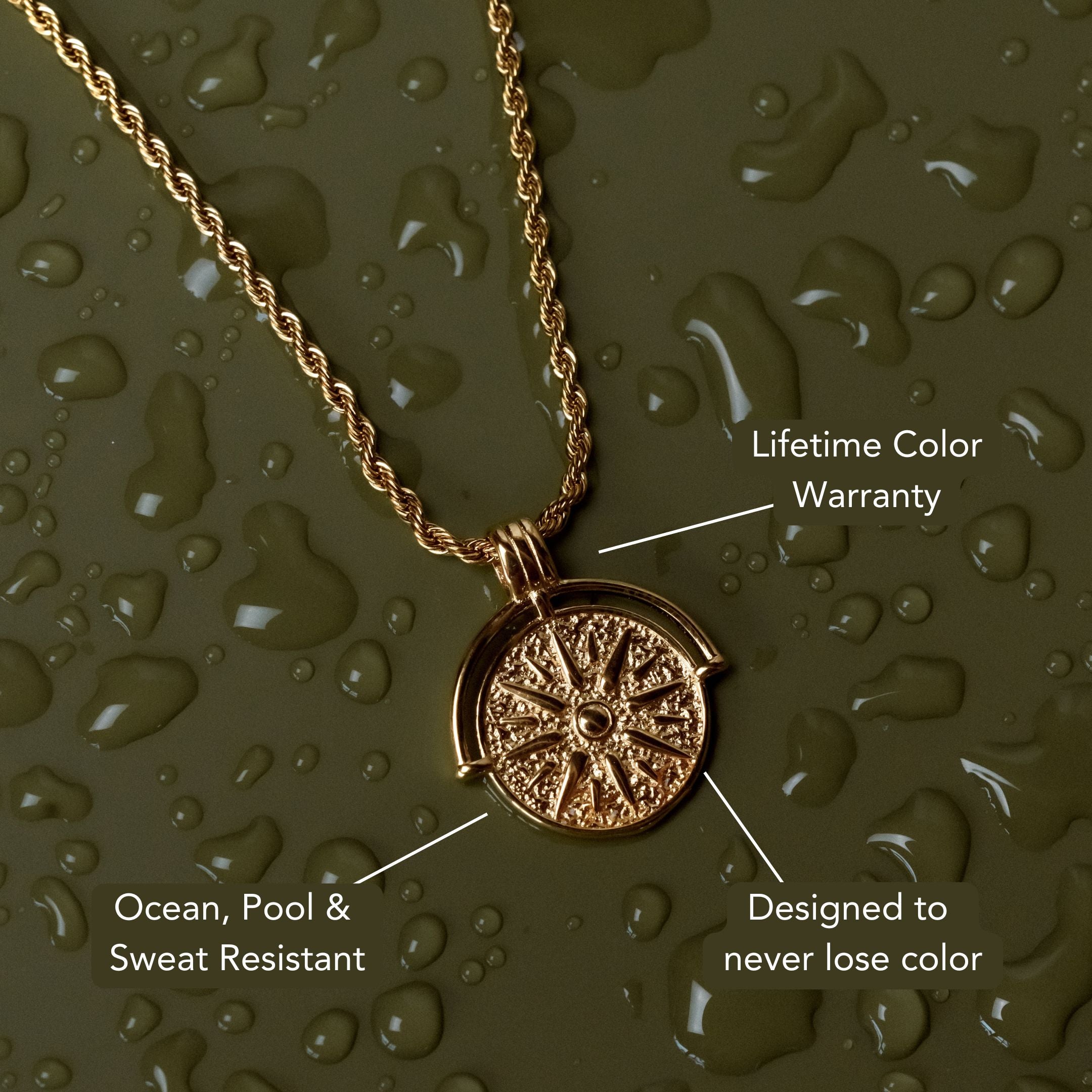
A true guide to gemstones for each month goes beyond simple names—it explores chemistry, color sources, durability, and common treatments. From January’s garnet and February’s amethyst to March’s aquamarine or bloodstone, April’s diamond alternatives (lab-grown, moissanite, white sapphire), May’s emerald, September’s sapphire, October’s opal and tourmaline, November’s topaz and citrine, and December’s tanzanite and turquoise, every birthstone has a unique story. You’ll learn how cut, hue saturation, tone, and clarity affect value, which enhancements should be disclosed, and how hardness, cleavage, and cleaning influence care. When set in durable designs like Waterproof Jewelry, these gems can be enjoyed with greater everyday confidence. Origin notes, ethical options, and practical buying tips are up next.
January: Garnet Meanings, Varieties, and Buying Tips
Garnet, January’s birthstone, spans a mineral group with distinct species—almandine, pyrope, spessartine, grossular, and andradite—each defined by composition and trace elements that drive color and performance.
You’ll see almandine and pyrope deliver deep red hues; spessartine trends orange to mandarin; grossular ranges from colorless to mint-green (tsavorite); and andradite includes high-dispersion demantoid.
When evaluating garnet varieties, verify hue saturation, tone, and pleochroism absence, then inspect clarity since many types host crystals or needles.
For garnet buying, prioritize precise identification and treatment disclosure. Demand refractive index and specific gravity data when possible, and confirm demantoid horsetail inclusions if advertised.
Assess cut symmetry to optimize brilliance, and choose durable settings; most garnets rate 6.5–7.5 Mohs, with cleavage-free toughness supporting daily wear.

February: Amethyst Lore, Colors, and Quality Guide
Two threads define amethyst: ancient lore and modern gemology. In Greek myth, it protected against intoxication; today, you value it for accessible beauty rather than magic. Claims of Amethyst healing remain cultural, not clinically verified.
You’ll identify amethyst as purple quartz (SiO2) colored by iron impurities and irradiation, often heat-sensitive. Top color is saturated reddish purple to pure purple with uniform distribution and no brown or gray masking.
Eye-clean clarity, precise faceting, and symmetry optimize brilliance. Large sizes are common; price scales with color intensity and cut quality more than carat weight.
For Amethyst jewelry, verify durability: Mohs hardness 7, good toughness, and stable everyday wear. Avoid prolonged high heat and steam cleaning; use mild detergent and a soft brush.
Ethical sourcing highlights Brazil, Uruguay, Zambia.
March: Aquamarine vs. Bloodstone—Origins and Care
From February’s purple quartz, you move to March’s two birthstones with starkly different identities: aquamarine and bloodstone. You’re choosing between beryl and chalcedony.
Aquamarine properties include Fe2+ coloring, hexagonal crystals, 7.5–8 Mohs hardness, excellent cleavage, and vitreous luster. Major sources: Brazil, Madagascar, Nigeria, Pakistan.
Bloodstone (heliotrope) is cryptocrystalline quartz with red jasper inclusions, 6.5–7 hardness, conchoidal fracture, waxy luster, chiefly from India and Brazil.
For care, you’ll avoid thermal shock for both. Clean aquamarine with lukewarm water, mild detergent, soft brush; skip ultrasonic if inclusions or fractures exist.
Bloodstone tolerates gentle ultrasonic but prefers warm soapy water and microfiber drying. Store each separately to prevent abrasion.
Culturally linked bloodstone healing claims persist, but evidence supports only material durability and maintenance best practices.

April: Diamond Alternatives and Ethical Choices
Although April traditionally celebrates diamond, you can weigh high-performance alternatives by balancing optical physics, durability, and sourcing.
Lab-grown diamond delivers identical crystal structure (sp3-bonded carbon), 10 Mohs hardness, high dispersion (0.044), and strong ethical sourcing traceability.
Moissanite offers higher refractive index (2.65–2.69) and greater fire than diamond, with 9.25 Mohs hardness; expect more rainbow scintillation.
White sapphire provides corundum toughness, 9 Mohs hardness, and a neutral, lower-dispersion look; it may show windowing if poorly cut.
For sustainable alternatives, verify third-party audits: SCS-007 for climate-neutral lab diamonds, RJC Chain of Custody, and Kimberley Process plus beyond-compliance provenance.
Check recycled precious metals to reduce embedded carbon.
Inspect cut quality (HCA scores, light performance imaging) to maximize brightness.
Prioritize durability, reparability, and transparent supply chains.
May: Emerald Symbolism, Clarity, and Setting Advice
Even before you weigh specs, recognize emerald’s role as May’s stone of renewal, intellect, and enduring love—associations traced to Roman Venus cults and later Mughal court jewels.
You’ll see these meanings echoed in modern emerald healing narratives, but prioritize verifiable qualities: hue, tone, saturation, and crystal integrity.
Target a medium-dark tone with vivid, evenly distributed green and minimal gray/brown. Accept that Type III clarity means inclusions (jardin) are normal; choose eye-clean over loupe-clean.
Favor Colombian or Zambian provenance notes when available, but judge stones individually.
Because Mohs 7.5–8 with brittle cleavage, specify protective settings for emerald jewelry: bezel or half-bezel, low-set prongs, and substantial seat.
Demand oil-only clarity enhancement (cedarwood), fully disclosed. Use platinum or 18k gold, avoid ultrasonic cleaning, and schedule periodic re-oiling.
June: Pearl, Alexandrite, and Moonstone—Choosing Your Style
June offers three distinct chemistries and aesthetics, so match the material to your wear and care priorities:
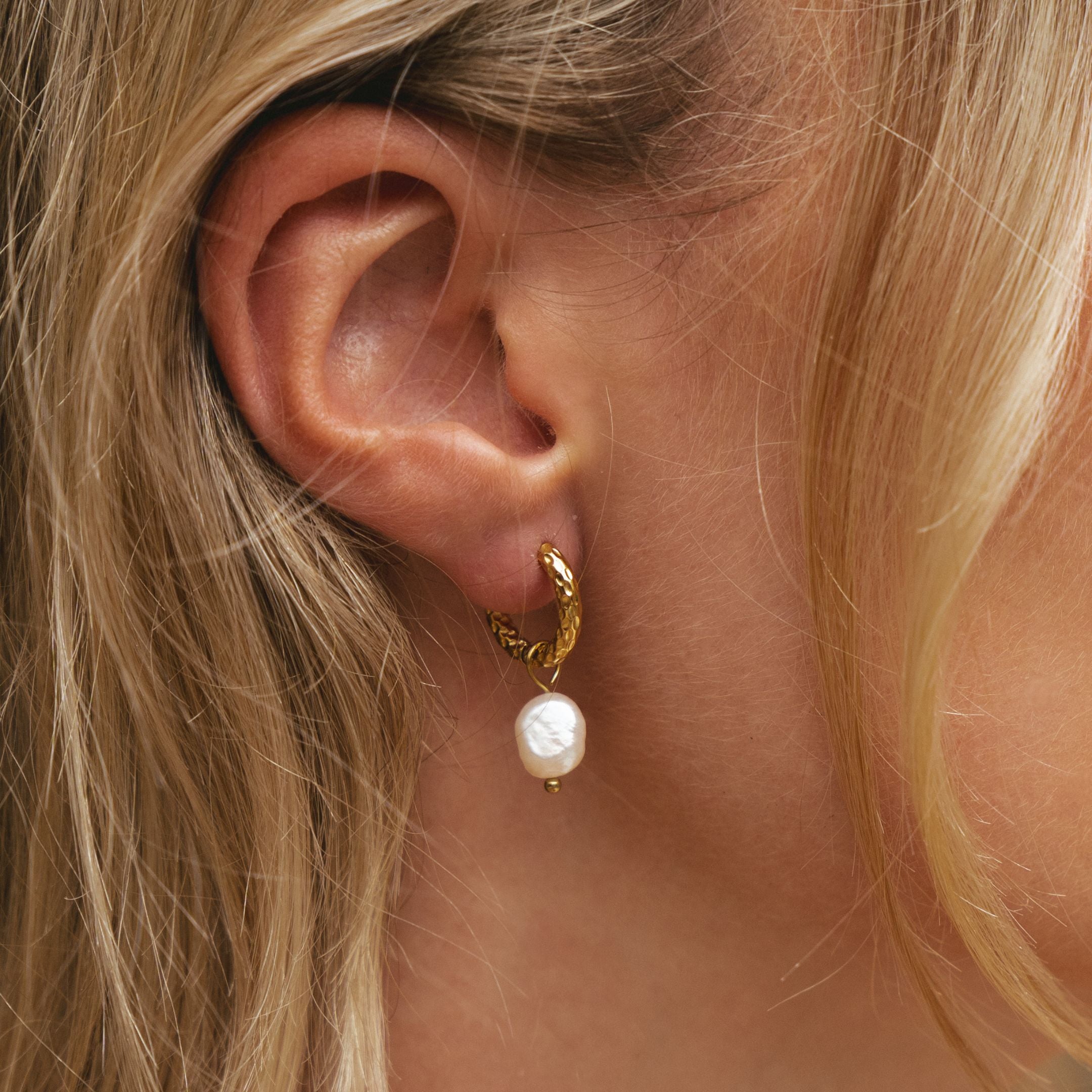
- organic nacre pearls (aragonite platelets plus conchiolin) for soft luster and classic strand or stud formats;
- chrysoberyl alexandrite (BeAl2O4, chromium-colored) for dramatic daylight-to-incandescent color change and durable daily wear;
- and feldspar moonstone (orthoclase–albite lamellae) for blue adularescence in delicate, light-catching cabochons.
You’ll choose pearl styles by nacre thickness, surface cleanliness, and overtone; avoid acids, abrasives, and dry storage.
For alexandrite, prioritize strong color change, medium tone, and well-cut mixed or brilliant facets; bezel or six-prong alexandrite settings optimize security without masking hue shift.
With moonstone, seek fine transparency, centered schiller, and minimal fractures; mount cabochons in protective bezels and avoid ultrasonic cleaning.
July: Ruby Fire, Treatments, and Value Factors
After June’s trio of softer and color-shifting gems, July concentrates on corundum at its most saturated: ruby, the chromium-bearing Al2O3 that produces fluorescence-driven red fire.
You’ll evaluate hue (pure red to slightly purplish), saturation, and tone; Burmese “pigeon’s blood” with strong red fluorescence commands premiums. Inclusions—silk (rutile), crystals, and fingerprints—affect transparency but can verify natural origin.
Understand ruby treatments before you buy. Heat treatment improves color and clarity and is widely accepted when disclosed. Flux-assisted and beryllium diffusion alter inclusions or lattice; expect price discounts. Lead-glass–filled rubies have composite structures and low durability; avoid for daily wear.
Ruby value scales with untreated status, geographic indicators (Myanmar, Mozambique), precise cut maximizing brightness, carat-weight rarity, and confirmed laboratory reports.
August: Peridot, Spinel, and Sardonyx—Modern Takes
While tradition names sardonyx alone, modern August birthstones expand to peridot, spinel, and sardonyx—three distinct materials with different optics, durability, and treatment profiles.
You’ll see peridot’s idiochromatic iron color yield lime to olive hues; peridot properties include birefringence (~0.036), moderate hardness (Mohs 6.5–7), and typical eye-visible lily-pad inclusions. It’s rarely heated; clarity enhancement is uncommon.
Spinel offers broad spinel varieties: red, pink, cobalt-blue, violet, gray, and black, with single refraction, Mohs 8, and strong dispersion without pleochroism. Treatments are minimal; cobalt indicators require spectroscopy to confirm.
Sardonyx is banded chalcedony—cryptocrystalline quartz—with alternating sard and white onyx layers, Mohs 6.5–7, excellent toughness, and no common treatments.
For everyday wear, prioritize well-cut stones, secure settings, and verified disclosures.
September: Sapphire Colors Beyond Blue and Durability
August’s spectrum sets up September’s corundum story: sapphire isn’t just blue.
You’ll find pink, violet, yellow, green, orange (including Padparadscha), and colorless varieties, all colored by trace elements: Fe and Ti for blue, Cr for pink, Fe alone for yellow, V for greenish tones.
Pleochroism can shift hue with orientation, so precise cutting matters.
You can wear sapphire daily. With Mohs hardness 9, high toughness, and strong cleavage resistance, sapphire durability excels for rings and watches.
Heat treatment is common and stable; diffusion or beryllium treatment alters surface color—ask for disclosure.
Origin (Kashmir, Burma, Sri Lanka, Madagascar) affects inclusions and price but not performance.
Sapphire symbolism centers on fidelity, wisdom, and justice, making it a rigorous, meaningful September choice for engagement and heirloom pieces.
October–December: Opal, Tourmaline, Topaz, Citrine, Tanzanite, Turquoise, Zircon Overview
Though autumn turns to winter, the birthstones from October through December offer a wide technical range: opal (hydrated silica with play-of-color from nanosphere diffraction), tourmaline (borosilicate group with complex chemistry yielding every hue), topaz (aluminum fluoro-silicate, often irradiated/heat-treated for blue), citrine (quartz colored by Fe, commonly heat-treated amethyst), tanzanite (vanadium-bearing zoisite, routinely heated to enhance blue-violet), turquoise (copper aluminum phosphate, often stabilized to improve durability), and zircon (ZrSiO4, high refractive index and dispersion in blue, brown, red, and white).
You’ll evaluate October opal for stability; avoid ultrasonic cleaning and rapid temperature shifts.
Select October tourmaline by hue purity and low inclusions; paraíba variants show Cu-induced absorption.
For November topaz, verify treatment disclosure; coated blues differ from irradiated.
Choose November citrine by saturation and even color zoning.
December tanzanite needs protective settings due to cleavage.
Opt for stabilized December turquoise for wearability.
For brilliance, prioritize well-cut December zircon.

Frequently Asked Questions
Can I Wear a Gemstone From a Month Other Than My Birth Month?
Yes, you can. Choose stones by personal preference, material properties, or cultural significance. No evidence shows adverse effects from non-birth months. Assess durability (Mohs hardness), treatment disclosure, and provenance. Wear what aligns with your aesthetic, ethics, and intended use.
How Do Rising Signs or Zodiac Placements Influence Gemstone Choices?
Rising signs and placements can guide gemstone choices by aligning material properties with your chart’s functional needs. You evaluate zodiac compatibility, then match gemstone energy—hardness, refractive index, trace elements—to target focus, calm, or protection, testing subjective effects objectively.
Do Lab-Grown Birthstones Carry the Same Metaphysical Properties?
Yes—but only if you define properties by crystal structure and chemistry. Lab grown authenticity matches natural specimens; empirical studies show identical lattice, hardness, and spectral data. Metaphysical significance remains subjective; practitioners report comparable outcomes, while skeptics attribute effects to placebo and symbolism.
Which Birthstones Are Best for Daily-Wear Engagement Rings?
Choose diamond, sapphire, or ruby for daily wear engagement rings. Their superior Mohs hardness (10, 9, 9) and toughness resist abrasion, chipping, and facet wear. Avoid opal, pearl, emerald, and tanzanite; they scratch, cleave, or craze under routine impact.
How Should I Insure and Appraise Birthstone Jewelry Properly?
Secure coverage by obtaining a detailed, independent appraisal; verify gem identification, carat, cut, color, clarity, treatments, and replacement value. Compare insurance options: scheduled personal property vs standalone jewelry policies. Reappraise periodically; photograph, document receipts, and store lab reports.
Conclusion
You’ve mapped each month’s birthstone by composition, treatments, and performance. Use refractive index, specific gravity, and clarity features to verify identity; request lab reports for higher-value stones. Prioritize durable settings for softer gems (opal, turquoise) and avoid ultrasonic cleaning for fracture-filled or oil-treated stones (emerald, ruby). Compare natural, lab-grown, and simulants by provenance and ethics, not just price. With clear grading criteria and care routines, you’ll select stones that align with wear, budget, and verifiable quality.









Leave a comment
This site is protected by hCaptcha and the hCaptcha Privacy Policy and Terms of Service apply.