

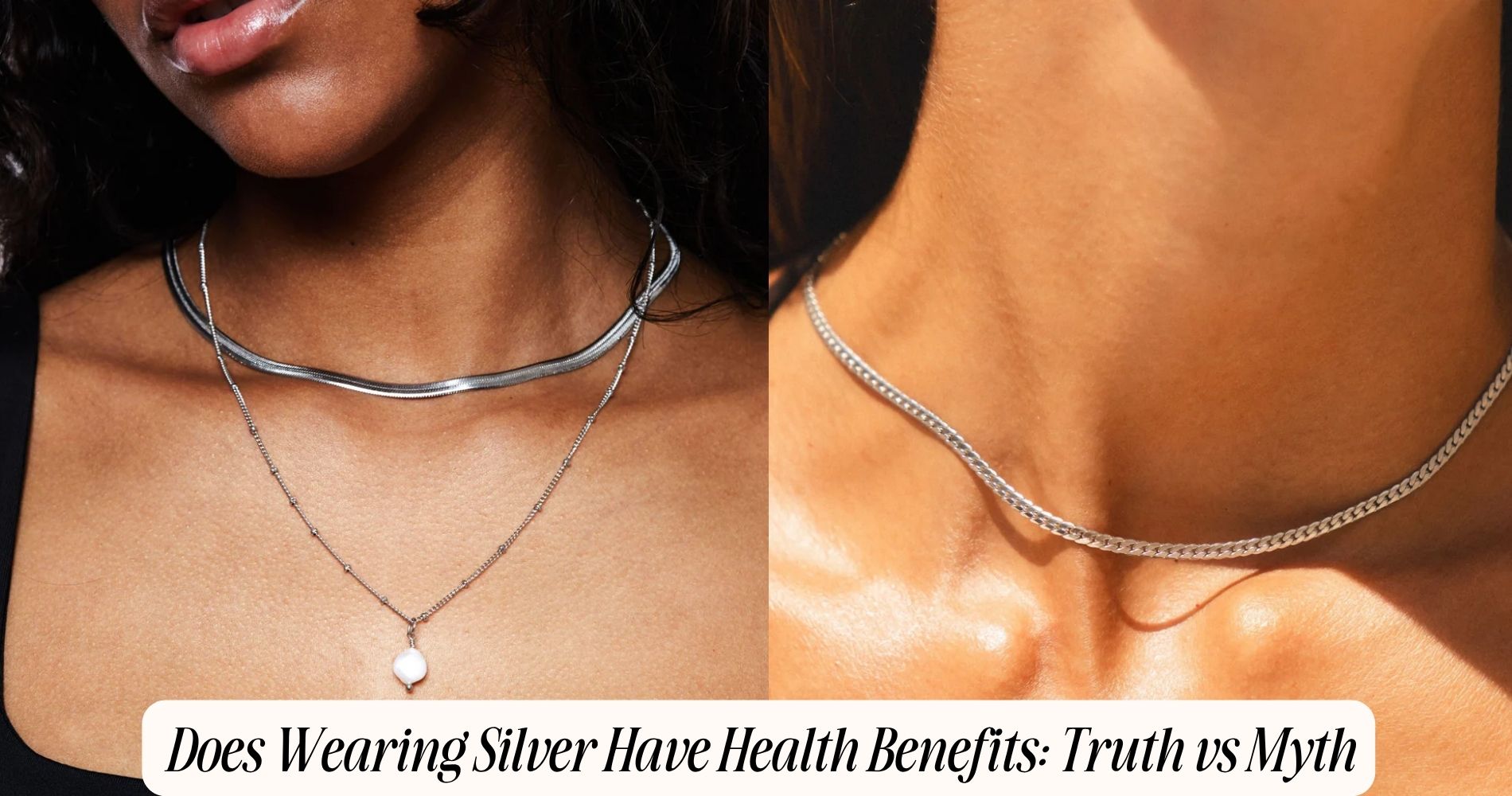
Does Wearing Silver Have Health Benefits: Truth vs Myth
Does wearing silver have health benefits? You shouldn’t expect wearing silver jewelry to improve your health—evidence for meaningful benefits is limited and mostly confined to controlled lab or medical uses, not everyday wear. While silver ions can kill microbes in specific conditions, this doesn’t translate to real-world health effects from jewelry. Long-term exposure or ingestion can even pose risks like argyria or allergic reactions. For safe, practical everyday pieces, options like those in the Silver Waterproof Jewelry collection focus on durability and style rather than unproven health claims.
Quick Answer: Does Wearing Silver Improve Health?
Wondering whether wearing silver will boost your health? You should know the short answer: evidence is limited.
Silver properties include mild antimicrobial activity in certain forms (like ionic silver in medical dressings), but wearing silver jewelry doesn't reliably deliver those effects to your body.
Clinical research doesn't support claims that everyday silver necklaces or rings cure infections, detoxify, or treat chronic conditions.
Historical uses of silver for storage or wound care inform why people expect benefits, yet those contexts differ from ornamentation.
If you notice skin reactions or argyria from ingesting silver compounds, stop and seek care.
For health concerns, rely on proven treatments and consult professionals rather than assuming typical silver accessories offer medical benefits.

Why Did People Believe Silver Healed?
Because silver sometimes showed visible and practical benefits long before germ theory, people came to trust it as a healer.
You’ll find references in ancient remedies where silver vessels kept water clearer and food fresher, so communities inferred protective power. Cultural beliefs and folklore origins reinforced that idea: stories passed down linked silver with purity, status, and warding off illness.
In many medicinal practices, priests, physicians, and apothecaries used silver compounds or objects because anecdote and observation suggested benefit, even without understanding microbes.
That mix of observed effect, symbolic meaning, and authority created durable confidence. You should see these roots as plausible explanations for belief rather than proof of specific physiological efficacy.
How Silver Affects the Body: Ions, Absorption, and Dose
Although silver's actions in the body depend largely on its chemical form and dose, the key players are silver ions (Ag+) that can interact with cells and proteins. These ions release from metallic silver, soluble silver salts, or colloidal silver and determine both potential effects and risks.
You absorb little intact metal through intact skin, so skin absorption is limited unless barriers are broken or formulations enhance uptake.
Dosage effects matter: small, transient exposures rarely cause systemic change, while chronic high intake can deposit silver in tissues (argyria) and alter cellular function.
Silver can modulate immune response in some contexts, but evidence is mixed.
Historical uses informed modern applications, yet clinical benefits and safety depend on controlled dosing and clear indications.

Antibacterial Effects in Labs vs Real Life
When you read lab studies showing silver killing bacteria, remember those results come from controlled conditions—clean surfaces, defined bacterial strains, and concentrations that are often higher than what you'd encounter in real life.
You should know laboratory studies frequently use silver nanoparticles or ionic silver at doses and exposure times optimized to show antimicrobial properties.
In everyday settings, factors like organic matter, surface type, and low silver release limit real world effectiveness.
You won't reliably reproduce petri-dish outcomes by wearing silver jewelry or using low-release coatings.
That doesn't negate silver's antimicrobial potential in designed products (e.g., wound dressings, treated textiles), but it does mean you should expect modest, situational benefits rather than broad infection prevention from casual wear.
Can Silver Ease Inflammation or Pain?
Lab findings about silver's antimicrobial activity don't automatically imply it reduces inflammation or pain in everyday use, but they do prompt questions about anti-inflammatory effects worth examining.
You may see claims that silver therapy soothes arthritis or muscle pain, yet clinical evidence is limited and mixed. Some topical silver formulations can reduce local inflammatory markers in controlled settings, but that's not the same as proof that wearing silver jewelry or using unregulated products will provide meaningful inflammation reduction or analgesia.
If you're considering silver for pain, weigh high-quality clinical trials, product formulation, dose, and delivery method. Rely on proven pain-management strategies first, and consult a healthcare professional before trying silver therapy as a complementary approach.
When Can Silver Be Harmful? (Allergy, Argyria, Safety)
Because silver can interact with your body in more ways than you might expect, it's important to recognize situations where it can cause harm.
You might develop contact dermatitis if you have silver allergies; redness, itching, or blisters at the contact site indicate an immune reaction and warrant stopping use and consulting a clinician.
Argyria, a rare blue-gray skin discoloration from chronic silver exposure, is permanent and results from silver particle deposition; it's mainly linked to ingesting colloidal silver, not casual jewelry wear.
Silver toxicity is uncommon at typical exposure levels, but inhalation or ingestion of high doses can affect organs and should be avoided.
Follow product instructions, avoid unregulated silver supplements, and seek medical advice for unusual symptoms.
Do Silver-Infused Products Work Like Wearing Silver?
How closely do silver‑infused products mimic the effects of wearing plain silver jewelry? You should know they operate differently.
Silver jewelry releases ions slowly when in direct skin contact; effects, if any, are local and limited.
Silver infused fabrics and textiles often rely on silver nanoparticles or coated fibers to provide antimicrobial action, not systemic health benefits.
Studies show fabrics with silver nanoparticles can reduce microbial load on surfaces and clothing, which may lower odor or infection risk in specific contexts, but that doesn’t equal the traditional claims about pain relief or energy balance from wearing silver jewelry.
If you expect the same biological interactions, you'll be disappointed; the mechanisms and evidence are distinct and context-dependent.
How to Spot Misleading Silver Claims: 5 Practical Checks
Now that you know silver-infused textiles and plain silver jewelry work differently, you'll want practical ways to tell when a product's health claims are overblown.
First, check the evidence: credible peer-reviewed studies matter; anecdotes and vague references often signal silver myths.
Second, look for specific mechanisms—claims should explain how silver acts, not just promise general wellness.
Third, verify dose and exposure: unrealistic contact times or concentrations are red flags.
Fourth, confirm regulatory or third-party testing—certificates from recognized labs beat branded buzzwords.
Fifth, consider conflicts of interest—manufacturers funding studies need scrutiny.
Apply these five checks quickly: they help you separate plausible benefits from marketing hype and avoid spending on unsupported health claims.
Practical Takeaways for Wearing Silver (When It Might Help)
When you’re considering wearing silver for health reasons, focus on specific, evidence-supported situations where it can help rather than broad wellness promises.
You can use silver accessories to reduce skin bacterial load in minor cuts or to benefit from antimicrobial contact in damp environments; clinical evidence supports silver’s topical antimicrobial use, not miraculous systemic effects.
Therapeutic jewelry that contains functional silver components may help with localized issues (e.g., wound dressings or medical devices), but decorative pieces offer no proven systemic health benefit.
If you try silver for perceived benefits, monitor skin reactions and avoid overreliance; allergic dermatitis is possible.
Prefer products from reputable manufacturers, seek clinical data for therapeutic claims, and discuss any medical intent with a healthcare professional.
Frequently Asked Questions
Can Silver Jewelry Interact With Medications I Take?
Unlikely — silver jewelry rarely causes systemic silver absorption affecting drugs, but you should watch for silver allergies that can mimic reactions; if you’re on sensitive medications or immunosuppressants, consult your clinician to be safe.
Does Silver Tarnishing Affect Its Health Properties?
No, silver tarnishing rarely changes silver healing properties considerably; you’ll mostly see cosmetic silver tarnish effects, but active ionic silver presence can be reduced if heavily corroded, so clean pieces for consistent effects.
Are Children More Sensitive to Wearing Silver Than Adults?
Yes — you should be more cautious: children reactions can be stronger, since developing skin and behaviors increase skin absorption and allergy risks; monitor for silver sensitivity, remove items if redness, itching, or swelling appear.
Can Silver Wearing Interfere With Medical Devices (E.G., Pacemakers)?
Yes — you shouldn't assume safety: silver conductivity can, in rare cases, affect sensitive devices, and silver allergies might complicate skin contact near implants; always check with your clinician and avoid direct metal contact with medical hardware.
Is There Any Benefit to Combining Silver With Other Metals or Gemstones?
Yes—you can get practical benefits: silver alloys improve durability, reduce tarnish, and change price; gemstone synergy is mostly aesthetic or symbolic, with limited scientific health backing, so weigh appearance, cost, and allergies.
Conclusion
In short, wearing silver is unlikely to improve your health in any meaningful way. While silver has proven antimicrobial properties in controlled settings, it rarely releases enough ions on jewelry or clothing to affect infections, inflammation, or pain. It can cause allergic reactions or, very rarely with chronic ingestion, argyria. Silver-infused products may help in specific medical contexts but not as everyday wear. Rely on proven treatments and be skeptical of overblown claims.









Leave a comment
This site is protected by hCaptcha and the hCaptcha Privacy Policy and Terms of Service apply.