


Does Fake Silver Tarnish? Truth Explained
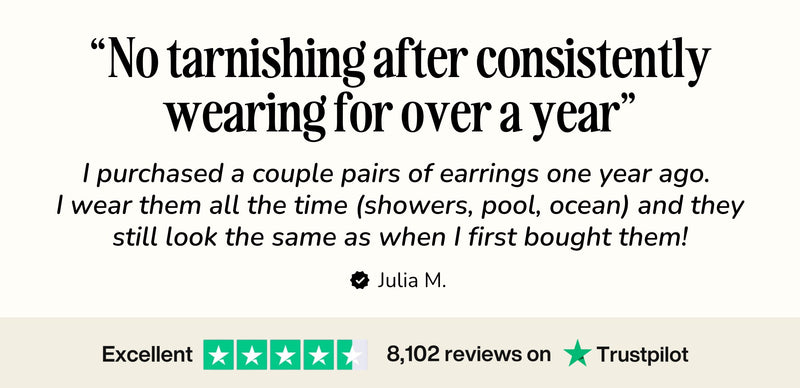
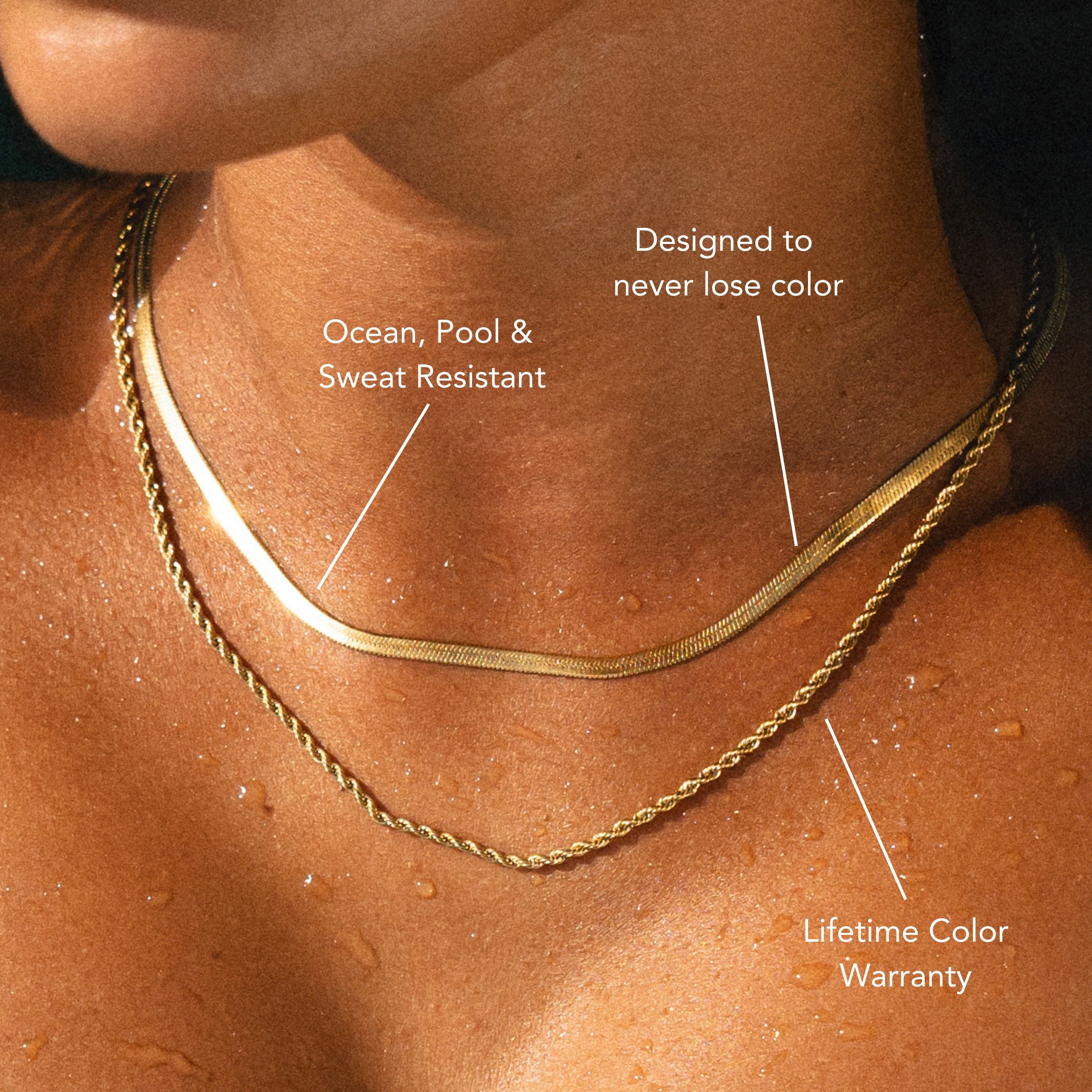
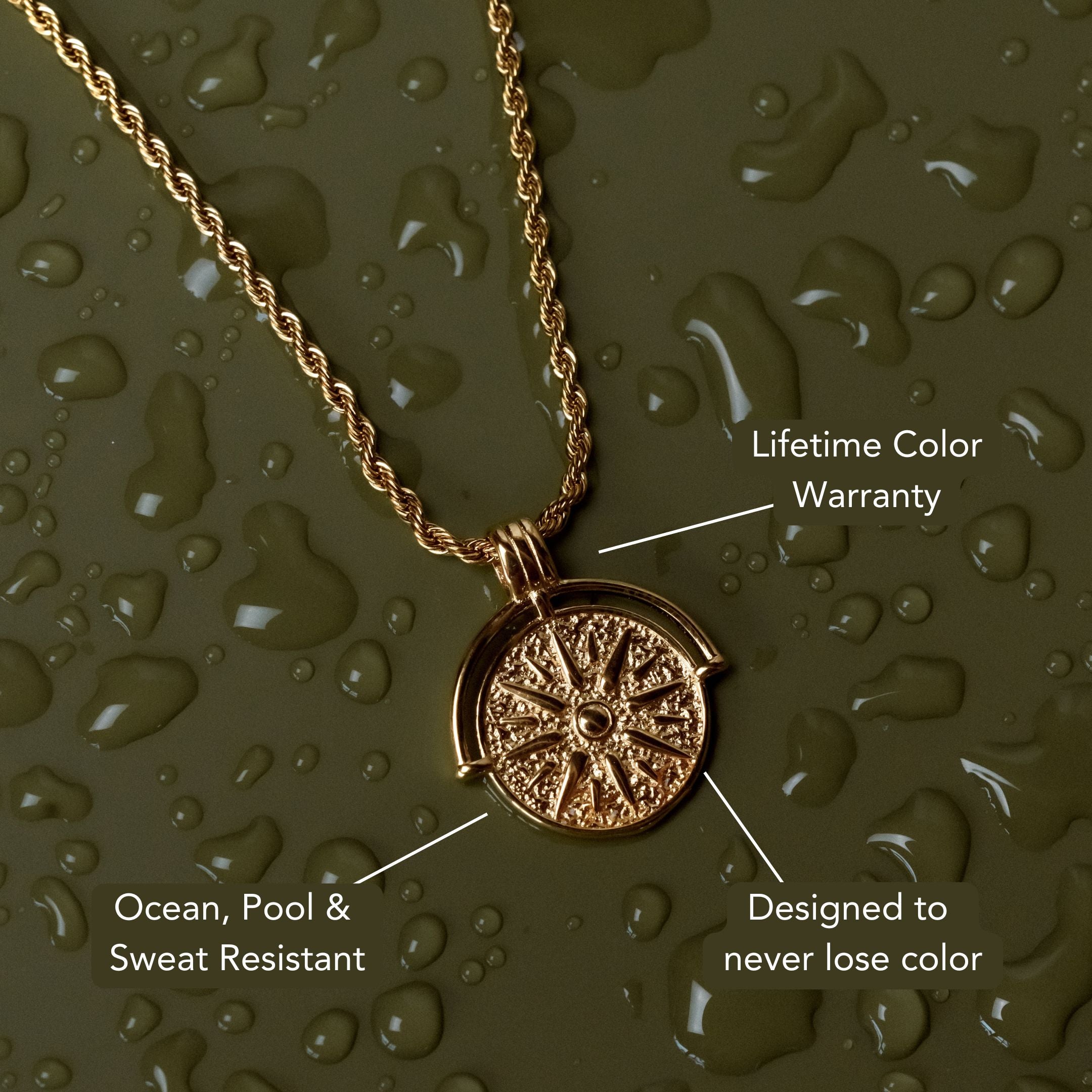
Does fake silver tarnish? Yes—fake silver commonly tarnishes or discolors because its surface or base metals react chemically with air, moisture, and skin oils. In plated pieces, the thin silver layer wears away over time, exposing underlying metals that oxidize and corrode much faster than real sterling. Alloys like nickel silver and brass can form oxides, sulfides, or green patinas when exposed to sweat and sulfur compounds. Storage conditions, protective coatings, and replating all affect how long the shine lasts. For low-maintenance pieces designed to resist discoloration, explore our Waterproof Jewelry
collection—then continue to learn how to identify, slow, and fix tarnish issues.
What Do People Mean by "Fake Silver"?
When people talk about "fake silver," they typically mean metals or coatings that look like sterling or fine silver but lack its true composition and properties; examples include silver-plated base metals, nickel-silver (an alloy of copper, nickel, and zinc with no elemental silver), and items coated with thin vapor-deposited silver or chrome finishes.
You’ll encounter synthetic materials engineered to mimic silver’s appearance in imitation jewelry, mass-market tableware, and decorative components.
You’ll assess alloys, electroplating thickness, and substrate reactivity to determine authenticity and performance.
Laboratory techniques—XRF, acid testing, microscopy—reveal compositional differences and coating failures.
Functionally, fake silver differs in electrical conductivity, corrosion resistance, and wear characteristics, so you’ll base maintenance and use decisions on measurable material properties rather than visual similarity alone.
Quick Answer: Will Fake Silver Tarnish or Discolor?
Curious whether fake silver will tarnish? You’ll find the answer depends on alloy composition and surface finish.
Many items labeled “fake silver” are base metals (nickel, copper, zinc) with silver plating or a silver-colored coating; those fake silver characteristics dictate susceptibility to oxidation, sulfide formation, and coating failure.
Plated pieces will discolor when the thin silver layer erodes or when underlay metals corrode; solid non-silver alloys may develop patina or verdigris rather than true silver sulfide.
You can delay visible change with controlled storage, low-humidity environments, anti-tarnish strips, and protective lacquers — standard tarnish prevention tactics — but these only slow chemical processes.
Conclusion: yes, many fake-silver items will discolor over time; extent and rate depend on materials and protective measures.

Why Real Silver Tarnishes, and Why Other Metals Change Color?
Although silver looks inert, it reacts readily with sulfur-containing gases in air to form silver sulfide (Ag2S), the dark film you recognize as tarnish.
You should understand that silver oxidation is an electrochemical process: sulfur species accept electrons from the silver surface, producing Ag2S that adheres and scatters light, creating darkening.
Other metals change color through analogous surface chemistry—oxides, sulfides, or chlorides—depending on the environment.
When metals are combined into metal alloys, you’ll see modified rates and appearances because less-noble constituents oxidize preferentially, driving galvanic interaction and patination.
Surface roughness, contaminants, and humidity accelerate these reactions.
Common Fake‑Silver Types (Silver‑Plate, Vermeil, Nickel, Stainless)
Because many items that look like silver are actually surface finishes or base metals, you should be able to distinguish silver-plate, vermeil, nickel alloys, and stainless steel by how they're made and how they behave chemically and electrochemically.
You’ll recognize silver plated jewelry as a thin silver layer electroplated onto a base metal; it tarnishes similarly to sterling at the surface but exposes reactive substrate when worn or abraded.
Vermeil characteristics include thicker sterling-silver plating over sterling or base metal with regulatory minimums, yielding more durable silver-like corrosion resistance yet still subject to surface sulfide formation.
Nickel alloys corrode via oxidation and can produce blackening and allergic ions.
Stainless steel resists general corrosion through passive chromium oxide films and rarely blackens, though chloride attack or mechanical damage can alter appearance.

How To Tell Fake Silver From Real at a Glance?
Knowing how different silver look‑alikes form and corrode lets you focus on quick, observable cues to tell real silver from fakes.
You’ll use a systematic visual inspection: check hallmarks (925, sterling, coin), edge wear, and base‑metal exposure where plating has worn. Assess color temperature—genuine silver shows a cool, slightly bluish-white sheen; brass or nickel reads warmer.
Look for greenish corrosion or red‑brown rust indicating copper or iron cores. Tap the piece; silver’s duller, heavier acoustic response differs from hollow or light alloys.
Magnify joins and clasps to spot layering or solder lines that imply plating. These identifying characteristics give high‑confidence, non‑destructive screening you can perform instantly without chemical tests.
Quick Cleaning for Plated and Base‑Metal Jewelry
1 practical approach will get most plated and base‑metal jewelry clean without damaging finishes: start by evaluating the coating and any visible corrosion so you choose a mild method tailored to the metal.
You’ll remove surface grime using quick cleaning techniques: a damp microfiber cloth with a drop of neutral pH dish soap, light agitation, then immediate drying.
For tarnish-like oxidation, use a paste of baking soda and water applied gently with a soft brush; rinse and dry thoroughly.
Avoid abrasives, ultrasonic cleaners, and strong acids that strip plating.
After cleaning, inspect seams and settings for residual corrosion.
Regularly incorporate these steps into jewelry maintenance routines to minimize progressive degradation while preserving electroplated layers and base‑metal integrity.
Preventing Discoloration: Storage, Wear, and Coatings
When you control exposure, storage, and surface protection, you greatly slow discoloration of plated and base‑metal jewelry; focus on limiting contact with sulfur compounds, moisture, cosmetics, and sweat, and on using barrier coatings and inert packaging to reduce chemical and electrochemical reactions.
You should evaluate storage solutions quantitatively: airtight, low‑humidity containers with silica gel reduce oxidation kinetics; anti‑tarnish strips containing reactive silver salts absorb sulfurous gases.
For wear, minimize abrasive contact and persistent skin acids that accelerate ion migration from base metals. Choose protective coatings based on barrier properties and thickness — clear lacquers, PVD, or nano‑ceramic films reduce permeability and inhibit galvanic coupling.
Reapply coatings after visible wear and store cleaned pieces in inert, labeled compartments to maintain long‑term appearance.

Does Silver Plating Tarnish : How Fast and Why?
How rapidly does silver plating tarnish, and why you see such variability?
You’ll find kinetics depend on plating thickness, substrate metal composition, and environmental sulfur/oxygen levels. Thin electroplated layers (microns or less) tarnish within days to months under high humidity or polluted air; thicker flash plating lasts longer.
Reactive substrates like base copper accelerate undercut corrosion once coating porosity appears, so apparent tarnish can progress faster than pure silver would.
Surface contaminants and wearing remove protective coatings, altering rates.
For tarnish prevention, control atmospheric exposure, reduce contact with sulfur sources, and apply lacquers or anti-tarnish films; these change surface chemistry and slow sulfide formation.
Quantify expected lifetime by measuring coating thickness, porosity, and local atmospheric corrosivity.
When To Seek Professional Replating or Repair
If you've measured plating thickness, noted accelerated undercutting from a reactive substrate, or found that lacquers and anti‑tarnish films no longer protect the surface, it's time to assess whether DIY cleaning will suffice or whether professional replating or repair is warranted.
You should opt for professional assessment when visible substrate exposure, pitting, or loss of electrical continuity appear, or when dimensional tolerances matter.
Technicians will evaluate remaining noble metal thickness, adhesion, and contaminant profiles to recommend replating options or targeted repair services.
Choose processes (electroplating, electroless, or selective deposition) based on alloy compatibility and service environment.
Request written specifications: thickness targets, adhesion tests, and post‑treatments.
If outcomes affect function or longevity, defer to certified repair services rather than further amateur intervention.
Buying Tips: Avoid Disappointing "Silver" That Won't Last
Want to avoid buying plated pieces that look like silver today and strip to base metal tomorrow? Inspect markings: .925, “sterling,” or hallmarks indicate silver quality; absence suggests plating.
Test weight and magnetism—silver is dense and non-magnetic; lightweight or magnetic items often signal base metals. Ask for composition documentation or assay results for high-value pieces to confirm metal authenticity.
Examine wear points for base-metal exposure, and use a simple acid test when appropriate, but leave destructive testing to professionals.
Check seller reputation, return policy, and photos of item edges and inside surfaces where plating thins first. Prefer reputable dealers who disclose plating thickness (microinches) and substrate.
These steps minimize purchasing disappointments and extend the usable life of your silver-like items.

Frequently Asked Questions
Can Fake Silver Cause Skin Irritation or Allergic Reactions?
Yes — you can experience skin irritation or allergic reactions from fake silver; its alloys and plating release ions that interact with skin sensitivity and metal allergies, so you should test pieces and avoid known nickel- or copper-containing items.
Is Fake Silver Safe to Wear in Water or Shower?
You shouldn't wear fake silver in water or the shower; its fake silver durability is limited, coatings degrade, and corrosion or loosening occurs. For longevity, follow strict fake silver maintenance: avoid moisture, dry promptly, and store separately.
How Can I Remove Black Marks From Clothing Caused by Fake Silver?
You can remove black marks from clothing using a mild detergent pre-treatment, gentle oxidizer (dilute hydrogen peroxide), or commercial stain removal product; test inconspicuously, blot don’t rub, and follow fabric care labels to prevent damage.
Will Artificial Silver Affect Gemstone Settings or Glue?
Yes — artificial silver can compromise gemstone stability and glue integrity: its corrosive residues and sulphur compounds can weaken adhesives, loosen settings, and stain or etch softer gems, so you should avoid prolonged contact and clean promptly.
Are There Eco-Friendly Disposal Options for Fake Silver Jewelry?
Yes — you can choose recycling options or jewelry upcycling: separate metals for municipal metal recycling, donate wearable pieces, employ designers to repurpose components, or use specialized e-waste/metal reclaim services to recover alloys responsibly.
Conclusion
You’ve learned that “fake silver” covers anything from silver‑plate and vermeil to nickel alloys and stainless steel, and that most will discolor — but for different chemical reasons and at different rates. Tarnish reflects surface reactions (sulfides, oxides, chlorides) rather than intrinsic value; coatings and proper storage slow it. Inspect finishes, test carefully, and consider replating when wear is significant. Use protective storage and occasional gentle cleaning to maximize appearance and lifespan.











Leave a comment
This site is protected by hCaptcha and the hCaptcha Privacy Policy and Terms of Service apply.