


Can You Wear Pearls in the Shower? Honest Answer Revealed
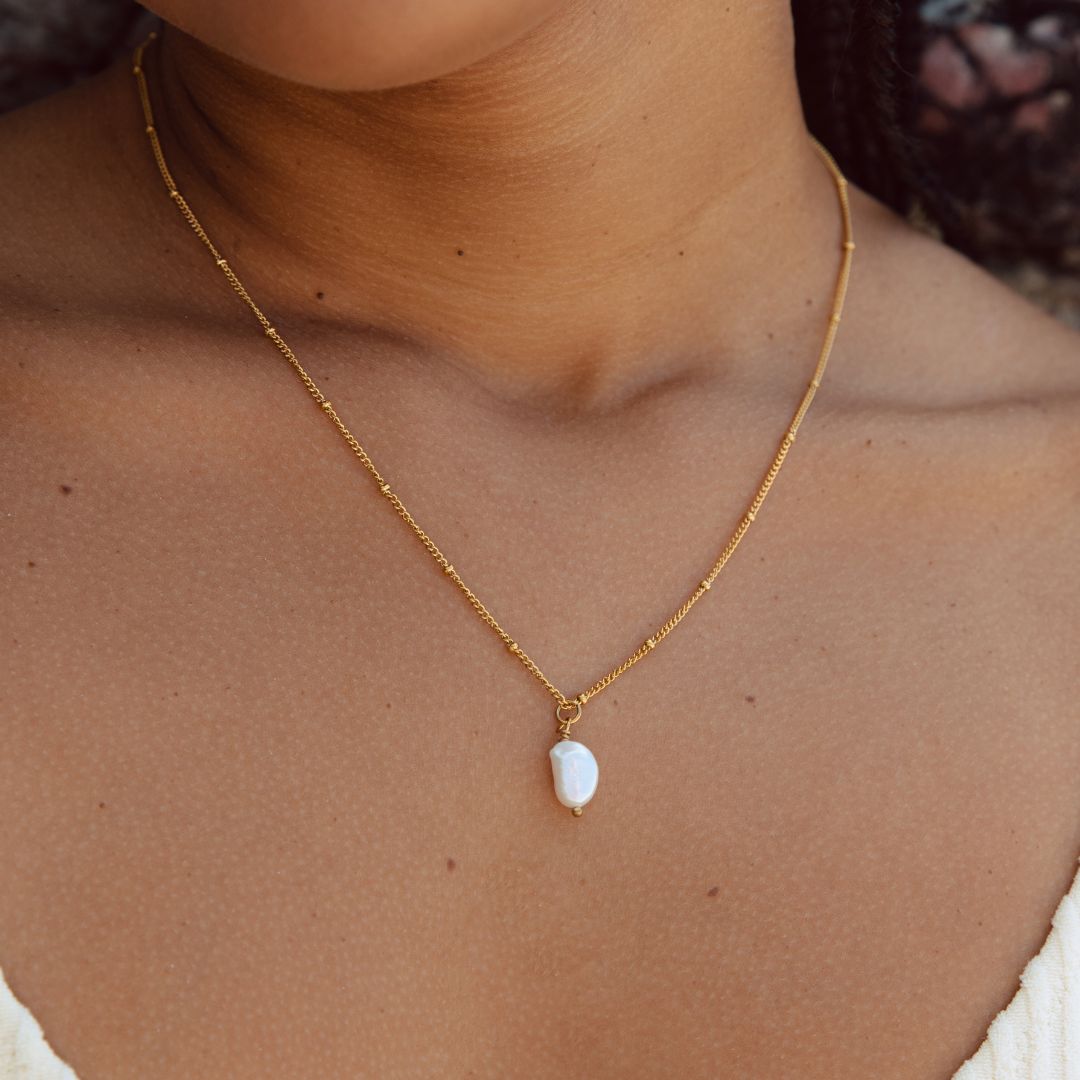
Can you wear pearls in the shower? You shouldn’t wear pearls in the shower. Hot water, alkaline soaps, and shampoos rapidly attack the nacre, causing micro-pitting, swelling–shrinkage stress, and a chalky, dull surface. Moisture can also seep into tiny gaps and weaken the pearl’s structure over time, while silk or thread strands may stretch when saturated. Protect delicate pieces—such as those in Atolea’s Single Pearl Necklaces collection—by removing them before bathing. An occasional quick mistake is usually manageable if you rinse and dry properly, and you can still learn how to protect them long term.
Is It Safe to Shower in Pearls?
Surprisingly, it isn’t technically “dangerous” to shower in pearls, but it’s one of the fastest ways to degrade them. You won’t electrocute yourself or trigger a chemical reaction, but you'll compromise pearl durability at a microscopic level.
Pearls are biomineral composites with an outer nacre layer that’s vulnerable to pH fluctuations, surfactants, and heat. Each shower exposes that nacre to alkaline soaps, shampoos, and conditioners that dehydrate the surface, increase micro‑pitting, and dull luster.
Elevated water temperature accelerates expansion–contraction stress, weakening the nacre interface and thread. Shower frequency compounds this damage. Even if a single exposure seems harmless, repeated wet‑dry cycles and chemical contact create cumulative structural fatigue, shorten the gem’s service life, and can lead to visible chalkiness or cracking.

Can You Shower With Pearls Occasionally?
Occasional exposure doesn’t grant pearls immunity from damage, but the risk profile changes when you’re talking about rare, brief showers rather than daily wear.
From a pearl care standpoint, “occasionally” means truly infrequent—think a forgotten necklace once in a while, not a weekly habit integrated into your shower routine.
If you accidentally shower with pearls, minimize contact time with hot water, surfactants, and high-pressure spray.
Rinse them briefly under cool, clean water afterward, then blot them dry with a soft, non-abrasive cloth, paying attention to drill holes and silk or nylon thread.
You shouldn’t plan to wear pearls in the shower, but an isolated incident, followed by prompt, careful maintenance, typically won’t cause immediate, catastrophic harm.
What Happens to Pearls When They Get Wet?
When pearls get wet, water doesn’t just sit on the surface—it interacts with the nacre and the organic matrix that give pearls their luster and structural integrity.
Because nacre is micro‑layered calcium carbonate bound by conchiolin, it’s slightly porous and hygroscopic. You allow moisture to penetrate between layers, where it can cause subtle swelling and contraction as the pearl dries.
Over time, these moisture effects stress the microstructure and compromise pearl integrity, even if you don’t see immediate damage.
Repeated wetting can disrupt the tight stacking of nacre plates, making the surface more vulnerable to micro‑abrasions and optical dulling.
The silk or thread passing through drilled pearls also absorbs water, which affects how securely each pearl sits and aligns on the strand.

How Water, Soap, and Shampoo Damage Pearls
Beyond the mechanical stress of moisture alone, the chemistry of shower water and cleansing products accelerates pearl degradation.
With repeated water exposure, the nacre’s microcrystalline aragonite and organic matrix hydrate and dehydrate unevenly, promoting micro-fractures and a dull, chalky surface.
Dissolved minerals in hard water deposit on pearls, creating films that scatter light and diminish luster.
Even more harmful, surfactants in soap and shampoo emulsify the delicate organic binders between nacre layers.
Over time, this weakens structural cohesion and makes pearls more prone to abrasion.
Detergents also shift pH away from pearls’ mild natural environment, encouraging etching.
Persistent soap residue accumulates around drill holes and settings, trapping moisture and chemicals against the surface, accelerating discoloration and surface pitting.
Pearl Earrings, Strands, and Rings in Water
Different pearl jewelry formats interact with water in distinct ways, and each exposes the gems to specific failure points.
With earrings, moisture infiltrates behind the setting, softening adhesives and corroding posts, which can loosen the pearl or stain nacre. Studs and hoops that sit close to skin trap soapy water, accelerating surface etching.
Strands are especially vulnerable. Water seeps into drill holes and along the silk or nylon, causing stretching, discoloration, and microbial growth; knots can weaken and fail.
Rings face constant impact and abrasion, so wet nacre more readily scratches against faucets and tiles.
You should apply pearl maintenance tips differently for each format, even as you follow pearl fashion trends, ensuring structural integrity always outranks aesthetics.
Everyday Habits That Quietly Ruin Pearls
While specific settings determine how pearls react to water, the habits you repeat every day often inflict more cumulative damage than an occasional shower. You expose nacre to acidic sweat, perfume, hair spray, and skincare actives that dehydrate and etch the surface, dulling luster and micro‑pitting layers.
You may damage pearls mechanically by dropping them into a hard jewelry tray, stacking them with metal pieces, or yanking strands when removing clothing.
Improper pearl storage—such as sealed plastic bags or overheated drawers—depletes ambient moisture, making nacre brittle and increasing crazing risk. Storing pearls near harsh cleaning products, bleach fumes, or chlorine tablets accelerates discoloration and structural breakdown, even when you’re not wearing them.
How to Clean Pearls Without the Shower
Treat pearl cleaning as a controlled, low‑moisture process, not a mini bath. For proper pearl maintenance, start by preparing a bowl of lukewarm water mixed with a few drops of mild, pH‑neutral soap.
Dampen (never soak) a soft, lint‑free cloth in the solution, then wring it until it’s nearly dry. Wipe each pearl individually, following the drill hole to remove skin oils and cosmetic residue.
Keep water away from the silk or nylon cord to prevent stretching and fraying. As cleaning methods go, avoid ultrasonic units, steam, alcohol, and ammonia; they erode nacre and dull luster.
Finish by buffing with a dry microfiber cloth, then lay the strand flat on a towel until completely air‑dried.

How to Wear Pearls All Day Safely
Once you’ve mastered low‑moisture cleaning, you need to manage how pearls interact with your skin, clothing, and environment over an entire day. Treat them as a delicate biomaterial, not an indestructible gem.
Apply sunscreen, perfume, and hairspray first, let them fully absorb, then put on your pearls; this prevents chemical etching of nacre.
For safe pearl fashion, choose snug but not abrasive necklines and avoid rough fibers like raw linen or sequins that can create micro‑scratches.
During work, remove pearls before intense typing, gym sessions, or outdoor heat to reduce sweat and impact exposure.
As part of daily pearl maintenance, periodically blot them with a soft microfiber cloth and store them in a ventilated, fabric‑lined case between wears.
If You Already Showered in Your Pearls
If you’ve already stepped out of the shower and realized your pearls were still on, focus on rapid damage control rather than panic. First, blot—not rub—the pearls with a soft, lint‑free cloth to remove surface water.
Then lay them flat on an absorbent towel so the silk or nylon cord dries evenly and doesn’t stretch.
As part of immediate pearl care, keep them away from hair dryers, radiators, or direct sunlight; forced heat can dehydrate nacre and cause micro‑crazing.
Inspect the stringing: look for frayed thread, gaps between knots, or stiffness indicating water intrusion. Note any cloudiness or loss of luster, which signals compromised nacre.
Finally, adjust your shower maintenance routine so pearls stay in a dry, safe location before you turn on the water.
Long-Term Care to Keep Pearls Shiny
Long-term luster depends on consistent, low‑stress handling that respects nacre’s biological structure.
After each wear, gently wipe pearls with a soft, lint‑free cloth to remove skin oils, acids, and environmental pollutants that can etch the surface. Avoid chemical pearl polishing compounds; instead, rely on mechanical cleaning with a damp cloth and immediate drying.
Prioritize storage solutions that minimize abrasion and dehydration. Keep pearls in a fabric‑lined box or dedicated pouch, never in airtight plastic, which can trap moisture and foster degradation.
Store strands flat to reduce tension on the silk or synthetic filament. Prevent contact with harder gemstones and metal edges that can cause micro‑scratches.
Schedule professional restringing every 1–2 years, depending on wear frequency and visible cord stretching.

Frequently Asked Questions
Can I Wear Pearls in Swimming Pools, Hot Tubs, or the Ocean?
You shouldn’t wear pearls in swimming pools, hot tubs, or the ocean. Chlorine effects degrade nacre layers, while saltwater impact dehydrates and erodes surfaces. Thermal shock, chemical exposure, and abrasive sand accelerate microfractures, luster loss, and structural weakening.
Do Different Pearl Types (Akoya, Freshwater, Tahitian) Handle Moisture Differently?
Yes, different pearl types handle moisture differently. Akoya exhibits lower pearl durability and moisture resistance; freshwater’s slightly better; Tahitian’s nacre is thicker yet still vulnerable. You should always minimize water exposure and dry pearls promptly after incidental contact.
Does Sweat Damage Pearls as Much as Shower Water Does?
Yes, sweat can damage pearls as much as shower water because sweat composition is acidic and salt‑rich, accelerating nacre erosion; you must wipe pearls after wear to protect surface integrity and optimize overall pearl longevity.
Can I Apply Perfume or Hairspray While Wearing Pearls?
You shouldn’t apply perfume or hairspray while wearing pearls. Perform perfume application and styling first, let aerosols dissipate completely, then put pearls on. Chemicals and hairspray residue etch nacre, dehydrate layers, and accelerate surface micro‑pitting.
How Should I Store Pearls in Humid Climates or Bathrooms?
You should store pearls outside bathrooms to minimize humidity effects. For ideal pearl care, place them in a soft, breathable pouch or lined box, avoid plastic bags, add silica gel desiccants, and keep them away from direct sunlight.
Conclusion
You now know pearls and showers don’t mix. Water, detergents, heat, and steam degrade nacre, weaken silk threading, and dull luster over time. Treat pearls as delicate organic gems: remove them before bathing, store them in a breathable pouch, and clean them with a damp cloth only. If you’ve already showered in them, dry and inspect them promptly. With disciplined care, you’ll preserve surface integrity, structural stability, and their reflective orient for decades.











Leave a comment
This site is protected by hCaptcha and the hCaptcha Privacy Policy and Terms of Service apply.