


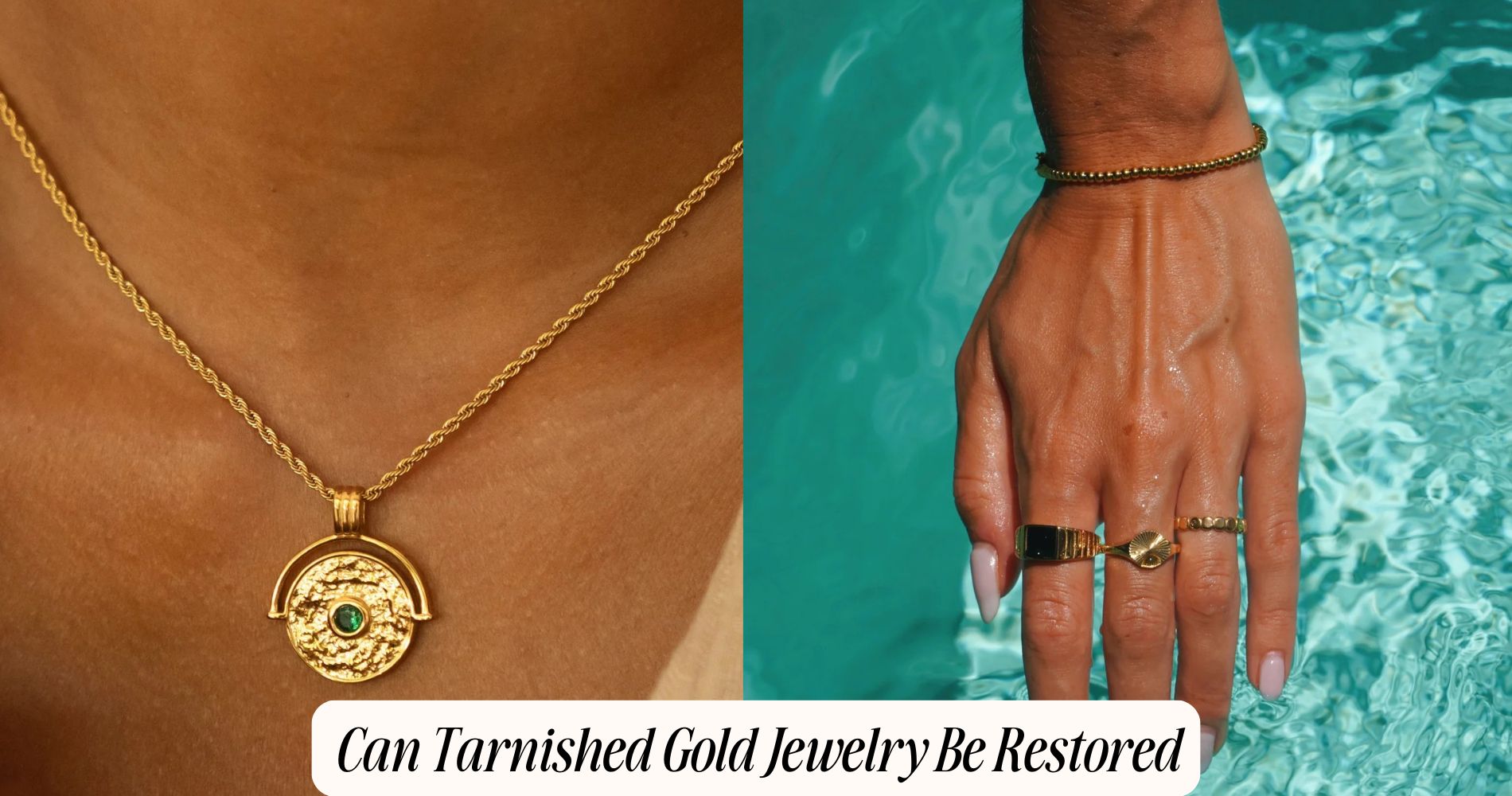
Can Tarnished Gold Jewelry Be Restored
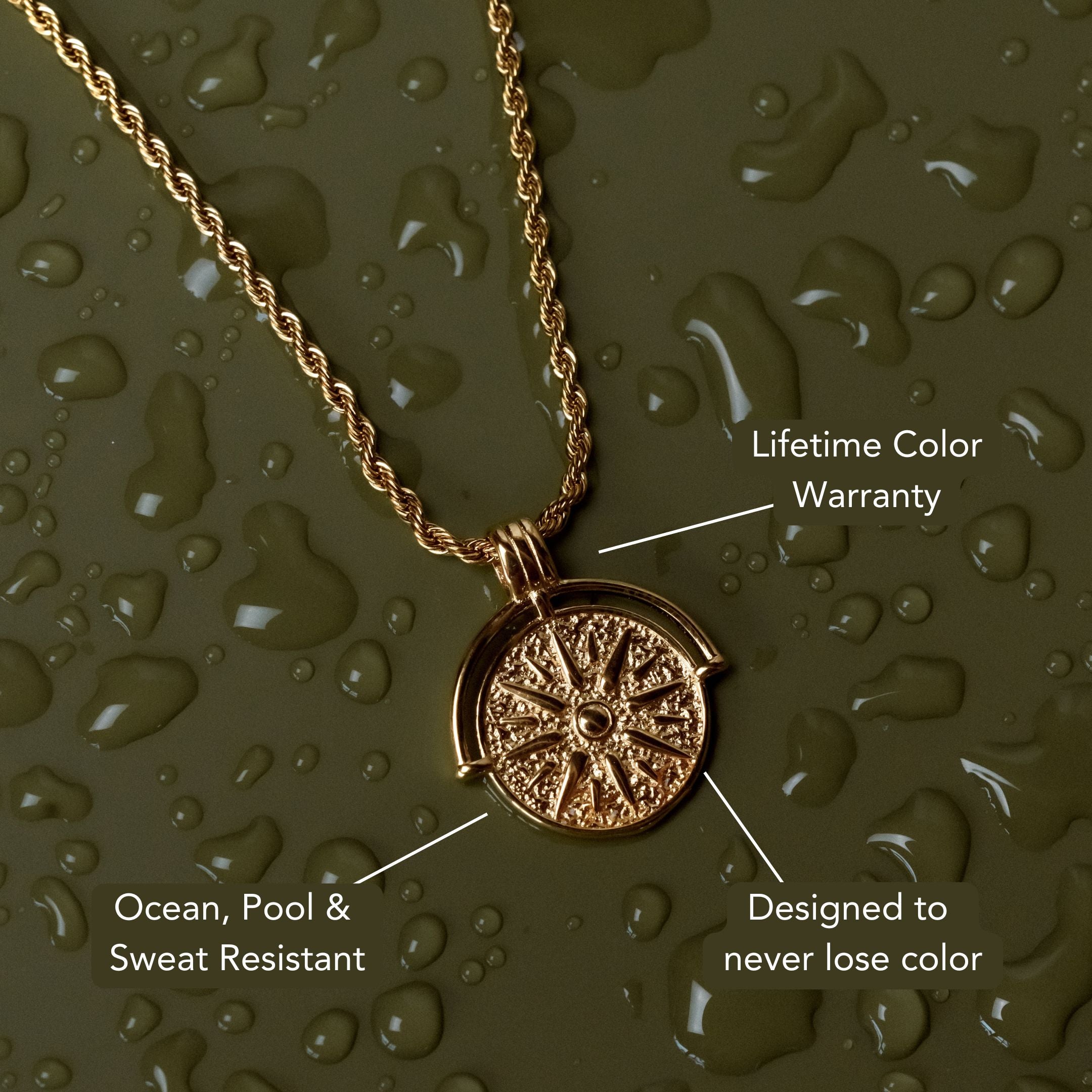
If you’ve ever wondered can tarnished gold jewelry be restored, the answer is usually yes—especially when you start by confirming whether your piece is solid gold or a durable alloy. From there, most mild discoloration can be lifted with warm water, pH-neutral dish soap, and a soft brush to remove surface oils and oxidation. And if you prefer pieces that stay bright longer, anti-tarnish jewelry collection offers wear-resistant options. Just remember to avoid harsh chemicals and ultrasonic cleaners on plated or stone-set items. For heavier dark tarnish, green buildup, or structural wear, professional polishing or replating may be needed. The next sections break down the exact steps and long-term prevention tips.
Understanding Why Gold Jewelry Tarnishes
Although pure gold itself doesn’t chemically tarnish, the alloys and environmental factors around your jewelry cause the surface discoloration you see. To understand it, you must first examine gold composition.
Most jewelry uses 10K–18K gold, where pure gold is mixed with copper, silver, nickel, or zinc to increase hardness and change color.
These base metals react with oxygen, sulfur, and moisture in air, sweat, and cosmetics. Through an oxidation process, they form metal oxides and sulfides that sit on the surface as dark or dull films.

Skin pH, chlorine from pools, and sulfur compounds in urban air or rubber accelerate these reactions. When you know which conditions drive tarnish, you can adjust storage, wear, and cleaning methods more precisely.
Identifying Different Types of Tarnish and Damage
Before you choose a cleaning method, you need to distinguish between simple surface tarnish and deeper forms of damage that require caution or professional repair.
Examine color changes first. Yellowing or light dullness usually indicates mild oxidation types on alloy metals, while darker brown or gray films suggest heavier sulfide buildup. Green or bluish deposits often point to copper-rich alloys reacting with moisture and skin oils.
Next, assess the metal’s texture under strong light. Lightly run a fingernail across the surface. You’re looking to separate superficial film from actual surface scratches, pits, or porosity.
Check prongs, chain links, and clasp areas for thinning, distortion, or tiny cracks. Note any loose stones or bent settings, as mechanical damage changes how safely you can proceed.
When At-Home Cleaning Methods Are Safe
Once you’ve identified the type and extent of tarnish, you can decide when a home cleaning method won’t compromise the piece. Safe cleaning is generally limited to solid gold or sturdy gold alloys without loose stones, severe pitting, deep scratches, or visible cracks.
Confirm clasps, prongs, and solder joints feel stable and show no movement under light finger pressure.
Use at home techniques only for light surface discoloration or film from skin oils, cosmetics, or mild oxidation. Warm water, a few drops of pH‑neutral dish soap, and a soft, non‑abrasive brush minimize mechanical wear.
Avoid ultrasonic devices, harsh chemicals, and abrasive pastes on plated, hollow, or stone‑set pieces, since they can strip plating, weaken settings, or etch surfaces.
Professional Restoration Options and Techniques
When home cleaning can’t safely remove tarnish or restore the original finish, a professional jeweler applies controlled methods that preserve metal integrity and structural stability.
You’ll typically start with an inspection under magnification to identify metal type, prior repairs, porosity, and stone sensitivity.
During professional cleaning, the jeweler may use ultrasonic baths, steam cleaners, and calibrated chemical solutions formulated for specific karats and alloys.
These remove embedded grime and oxide films without over-etching the surface.
Next, they’ll select restoration techniques: precision polishing with graded abrasives, rouge buffing, micro-burnishing, and, when appropriate, rhodium or gold replating to rebuild worn surfaces.
Prong retipping, solder repair, and reshaping restore structural support so the piece regains both appearance and functional durability.
Preventing Future Tarnish and Everyday Wear
Although professional restoration can return a dull piece to near-new condition, your daily habits ultimately determine how long that finish lasts and how quickly tarnish returns.
Apply simple preventive measures every time you wear gold. Put jewelry on last, after sunscreen, lotion, makeup, deodorant, and hairspray have fully absorbed or dried; these chemicals accelerate surface oxidation and dulling.
Remove rings and bracelets before washing dishes, cleaning, swimming, or exercising, because chlorinated water, sweat, and detergents attack alloys.

For everyday maintenance, wipe each piece with a clean, non-abrasive microfiber or jewelry cloth after wearing. This removes skin oils, salt, and cosmetic residues that start microscopic corrosion.

Check clasps and settings weekly; worn prongs and loose stones trap grime and increase friction-related wear.
Storing and Caring for Gold Jewelry Long-Term
Even with careful wear and cleaning, you only preserve a gold piece’s integrity long-term if you store it in a controlled, low-stress environment.
Prioritize dedicated jewelry storage: lined, compartmentalized boxes that prevent metal-to-metal contact, tangling, and abrasion. Keep each item in a soft pouch or acid‑free wrap, especially for high‑karat or hollow pieces.
Maintain a stable environment: low humidity, minimal temperature fluctuation, and no direct sunlight. Add silica gel packets to absorb moisture and slow tarnish on alloyed gold. Store items away from vents, windows, and bathrooms.
Before storing, remove body oils and contaminants with approved cleaning products, then dry thoroughly.
Keep gold separated from silver, costume pieces, and household chemicals, which can accelerate corrosion and surface dulling.
Frequently Asked Questions
Does Gold-Plated Jewelry Tarnish Differently Than Solid Gold Pieces?
Yes, it does. With gold plating, base metals oxidize, causing quicker discoloration and wear-through. You prioritize meticulous jewelry care: avoid abrasives, chemicals, and friction, store pieces separately, and clean with mild detergent, soft cloth, and controlled soaking.
Can Vintage or Antique Gold Jewelry Always Be Safely Restored?
No, you can’t always safely restore antique pieces; vintage restoration depends on alloy stability, prior repairs, and stone settings. Prioritize antique preservation: demand microscopic inspection, nondestructive testing, conservative polishing, and reversible treatments from an experienced bench jeweler.
How Does Skin Ph or Sweat Chemistry Affect Gold Tarnishing?
Skin pH and sweat chemistry directly influence gold tarnishing: higher skin acidity and chloride-rich sweat composition accelerate corrosion of alloy metals (copper, silver, nickel). You minimize tarnish by rinsing jewelry after workouts and avoiding harsh skincare contact.
Will Resizing or Repairing Gold Rings Worsen Existing Tarnish or Patina?
Resizing or repairing usually won’t worsen tarnish if a jeweler uses proper resizing techniques and repair methods. You should request controlled heating, polishing after soldering, ultrasonic cleaning, and re-plating for alloys to preserve patina or remove discoloration.
Are Ultrasonic Cleaners Safe for All Gemstone Settings in Gold Jewelry?
No, ultrasonic cleaners aren’t safe for all gemstone settings in gold jewelry. You must evaluate gemstone safety first; avoid them for opals, emeralds, pearls, treated stones. Use gentler cleaning methods and inspect prongs before and after.
Conclusion
You can restore most tarnished gold jewelry if you match the method to the metal, stones, and damage level. Start with gentle, non-abrasive cleaning and stop if you see flaking, pitting, or loosened settings. For heavy tarnish, thinning plating, or structural issues, use a professional jeweler. Then, minimize future tarnish by controlling moisture, chemicals, and friction, and store each piece correctly so it maintains both its finish and structural integrity.









Leave a comment
This site is protected by hCaptcha and the hCaptcha Privacy Policy and Terms of Service apply.