



Are Sonic Jewelry Cleaners Any Good?
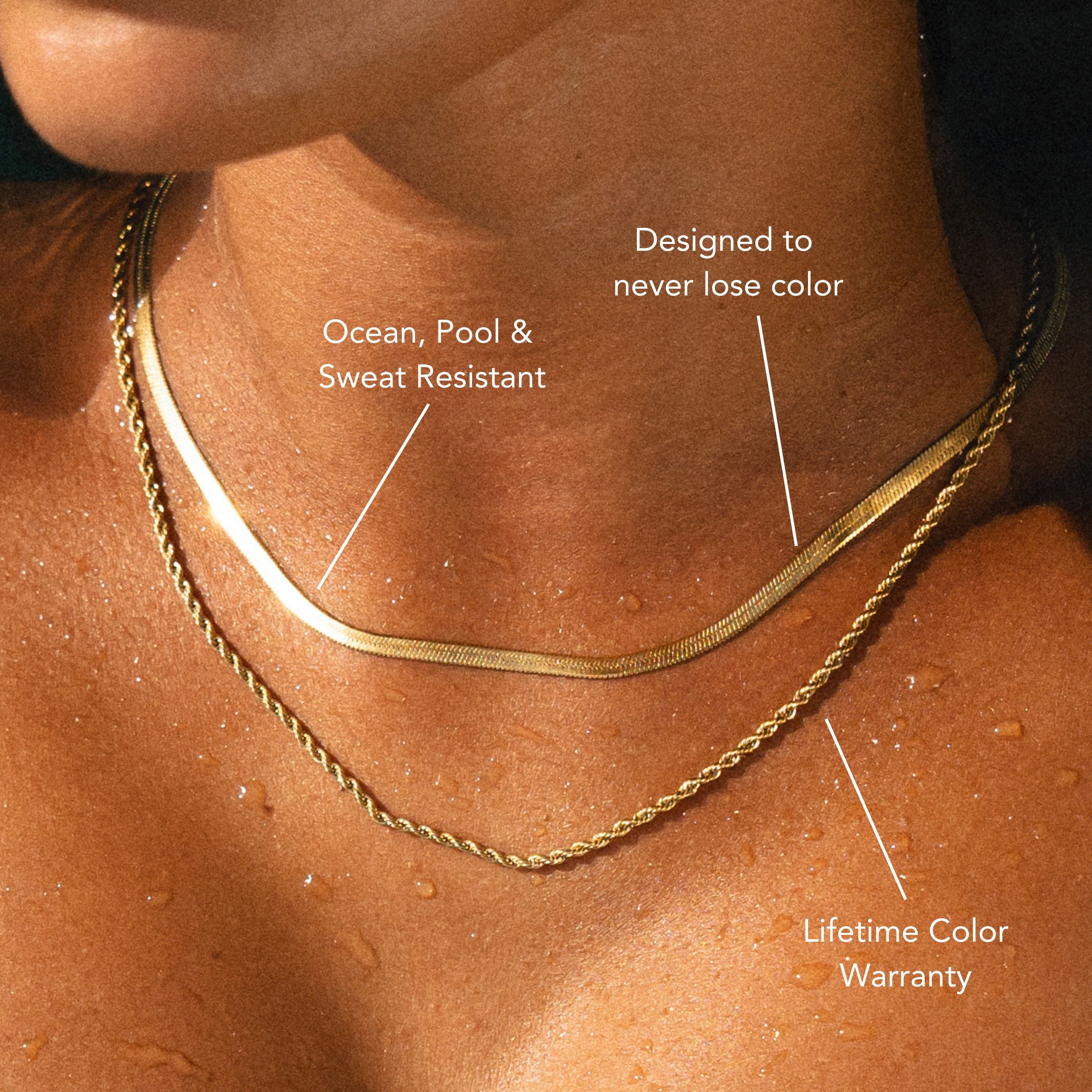
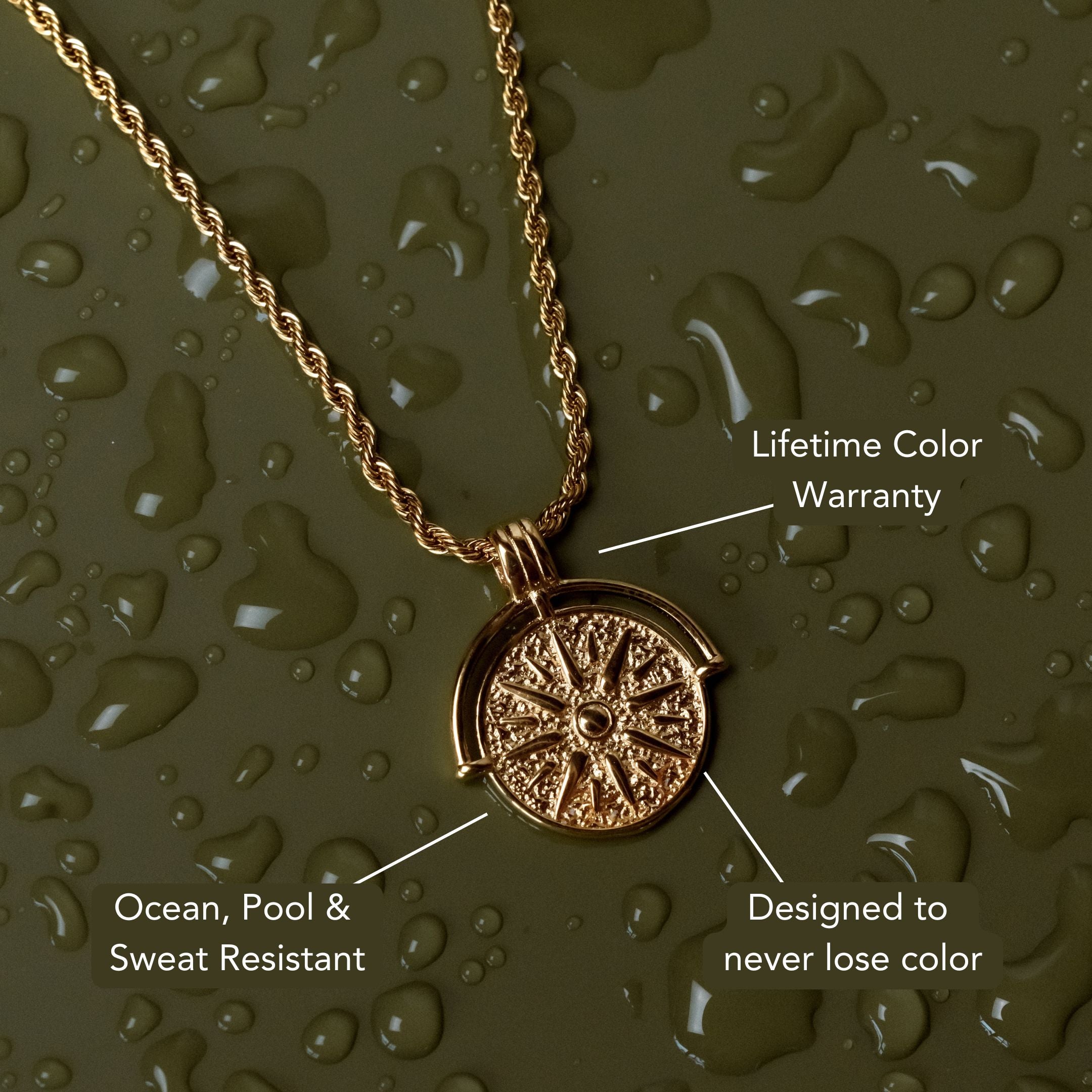
Are sonic jewelry cleaners any good? Sonic jewelry cleaners are highly effective for most modern, well-made pieces because ultrasonic cavitation lifts microscopic grime from prongs, under-settings, and chain links that brushing can’t reach. They deliver excellent results on gold, platinum, diamonds, sapphires, rubies, and durable metal designs—especially everyday pieces like Waterproof Jewelry, which are built to handle regular wear and cleaning. However, fragile gemstones and antique jewelry should always be kept out. Once you know which items are safe, what features to look for, and how to use these cleaners properly, their benefits become far more clear.
How Sonic Jewelry Cleaners Actually Work
Although they look simple from the outside, sonic jewelry cleaners rely on a tightly controlled physical process called ultrasonic cavitation to remove grime at a microscopic level.
Inside the tank, a transducer converts electrical energy into high‑frequency ultrasonic waves, typically in the 35–45 kHz range. These waves propagate through the cleaning solution, creating alternating high‑ and low‑pressure zones.

During low‑pressure phases, microscopic vapor bubbles form; during high‑pressure phases, they collapse violently. That rapid collapse produces localized microjets and shock fronts that shear contaminants away from metal surfaces, even inside fine crevices.
This cleaning technology doesn’t scrub mechanically; it transfers energy through the liquid with uniform intensity. You control exposure time, temperature, and chemistry to balance aggressiveness with surface safety.
What Types of Jewelry They Clean Well
Versatility is one of the main advantages of sonic jewelry cleaners: they excel on hard, non‑porous materials with durable settings.
You’ll see the best results on high‑karat and alloyed gold rings, platinum bands, and diamond earrings set in robust prongs or bezels. The cavitation bubbles effectively dislodge compacted skin oils, lotion residues, and microscopic debris from under settings and along shanks.
You can also safely clean most sapphires, rubies, and lab‑grown diamonds, as well as stainless‑steel and titanium jewelry, provided the stones are firmly mounted.
Chain bracelets and necklaces with intricate links benefit greatly, since sonic action reaches crevices manual brushing misses.
In practice, you’ll use a sonic cleaner as your workhorse for everyday fine jewelry built with stable, modern construction.

Pieces You Should Never Put in a Sonic Cleaner
Even though sonic cleaners handle many modern pieces well, some jewelry should never go near that tank.
You should always keep delicate gemstones like opals, emeralds, pearls, turquoise, and tanzanite out; cavitation can open fractures, strip oils, or permanently cloud their surfaces.
Any stone with surface-reaching inclusions, significant treatments, or coatings (fracture-filled diamonds, heavily included rubies, diffusion-treated sapphires) also faces elevated risk.
Avoid putting antique pieces in an ultrasonic unit.
Old solder joints, worn prongs, and previous repairs may be weakened by vibration and suddenly fail.
Don’t immerse costume jewelry, glued-in stones, or pieces with organic materials—ivory, coral, amber, shell, or leather.
You should also exclude watches without explicit ultrasonic-safe ratings and anything with loose settings.
Comparing Sonic Cleaners to At‑Home Cleaning Methods
When you compare an ultrasonic unit to basic at‑home methods—like warm soapy water, a soft toothbrush, or commercial foam cleaners—you’re really weighing cleaning power against control and risk.
Manual cleaning lets you target specific areas, adjust pressure, and immediately stop if you see movement in a stone or notice a surface issue.
Sonic cleaners use cavitation driven by a fixed ultrasonic frequency, so they reach under prongs, inside filigree, and behind stones far more effectively than brushing.
However, they’re less forgiving. Aggressive cycles can exploit existing micro‑fractures or weak solder joints.
At‑home homemade solutions, by contrast, tend to be chemically mild and mechanically gentle, but they frequently leave impacted debris in pavé settings, under bezels, and around detailed engraving.
How They Stack Up Against Professional Cleaning
Although consumer ultrasonic machines use the same core technology as the units on a jeweler’s bench, they don’t fully replicate a professional cleaning. Your home unit typically runs at lower power, with less refined frequency control, so its sonic efficiency is limited on compacted grime, prong bases, and pavé interiors.

In a workshop, a jeweler pairs a commercial-grade ultrasonic with heated, formulation-specific solutions, steam cleaning, and hand tools. They inspect stone security, polish metal surfaces, and target areas a generic cycle can’t address.
You’ll notice your at‑home cleaner restores general brilliance and removes everyday oils well, but it can’t evaluate worn prongs, micro-cracks, or loose stones. It complements, rather than replaces, periodic professional cleaning and maintenance.
Key Features to Look For When Buying One
Knowing that a home ultrasonic cleaner supplements, not replaces, a jeweler’s bench setup helps you choose one with realistic expectations and the right specs.
Focus first on cleaning power: look for a frequency around 40 kHz for general jewelry, with sufficient wattage (typically 35–60W for small tanks) to maintain cavitation, not just buzz. A stainless‑steel tank, welded seams, and a reputable transducer brand improve durability and performance consistency.
Prioritize safety features: a clear on/off switch, overheat protection, grounded plug, and a basket that prevents metal-to-metal contact.
A digital timer with short, repeatable cycles gives better control than a single mechanical dial.
Finally, verify capacity fits your typical pieces without crowding, which degrades cavitation and leaves grime in setting crevices.
Step‑by‑Step Guide to Using a Sonic Jewelry Cleaner Safely
Before you ever flip the power switch on a sonic jewelry cleaner, you establish safety by verifying that each piece you plan to clean can tolerate ultrasonic agitation and the chosen solution.
Confirm gemstones aren’t fracture‑filled, heavily included, or soft (like opal, emerald, pearl). Review manufacturer safety precautions for temperature limits, cycle length, and compatible cleaning solutions.
Fill the tank with distilled water and a cleaner specifically labeled for ultrasonics; avoid ammonia or chlorine on delicate alloys.
Place items in the basket, never directly on the tank floor, and keep pieces from touching to prevent abrasion.
Set a short cycle, observe operation, and stop if you see stones vibrating excessively.
Afterward, rinse thoroughly, pat dry with a lint‑free cloth, and inspect settings.
Are Sonic Jewelry Cleaners Worth the Investment?
So how do you decide if a sonic jewelry cleaner justifies the cost, counter space, and upkeep? You start by comparing cost effectiveness against your current cleaning habits.
If you routinely pay for professional cleanings or own multiple pieces you wear often—especially diamond, gold, and platinum—an at‑home unit typically pays for itself within a year or two.
You also assess cleaning efficiency. A quality sonic cleaner removes embedded oils, polish residue, and microscopic debris from settings and chain links faster and more thoroughly than manual brushing.
That helps preserve brilliance and can expose loose stones early. However, if you own mostly fashion jewelry, soft gemstones, or plated items that require gentler methods, the return on investment drops and an ultrasonic unit may not be justified.
Frequently Asked Questions
Can Sonic Jewelry Cleaners Damage Watches or Affect Their Timekeeping Accuracy?
Yes, they can. You risk damaging the watch movement, loosening lubricants, and compromising seals. You should reserve sonic cleaners for detached metal bracelets and use manufacturer-approved cleaning techniques for the case and movement instead.
Are Sonic Jewelry Cleaners Safe to Use Around Children and Pets?
They’re generally safe if you impose strict child safety and pet safety controls: keep units unplugged and out of reach, secure cleaning solutions, prevent ingestion or splashes, supervise operation, guarantee ventilation, and store chemicals in labeled, locked cabinets.
Do Sonic Cleaners Remove Tarnish From Silver or Just Surface Dirt and Oils?
You’ll get effective surface cleaning of oils and grime, but only partial tarnish removal from silver. Ultrasonic action dislodges loosely bound sulfides; for heavy oxidation, you’ll still need chemical dips or professional silver-cleaning agents.
How Often Should I Clean My Jewelry With a Sonic Cleaner?
You should use a sonic cleaner sparingly: for daily-worn pieces, follow conservative frequency recommendations of once monthly, adjusting cleaning schedules based on metal softness, stone type, and visible buildup; avoid over-cleaning delicate, porous, or glued-set jewelry.
Can I Share One Sonic Cleaner for Jewelry and Items Like Eyeglasses or Dentures?
You can, but you must strictly separate cycles and follow cleaning guidelines. Use fresh solution each run, dedicated baskets, and thorough tank rinses to maintain hygiene, material safety, and multi use effectiveness for jewelry, eyeglasses, and dentures.
Conclusion
When you use a sonic jewelry cleaner correctly, it’s an efficient, lab-tested way to remove embedded grime that manual methods can’t reach. It’s ideal for durable metals and well‑set stones, but you still need to respect material limits and fragile settings. Combine it with periodic professional inspections, and you’ll extend the life and brilliance of your pieces. If you own multiple frequently‑worn items, a quality unit is a practical, cost‑effective investment.













Leave a comment
This site is protected by hCaptcha and the hCaptcha Privacy Policy and Terms of Service apply.