


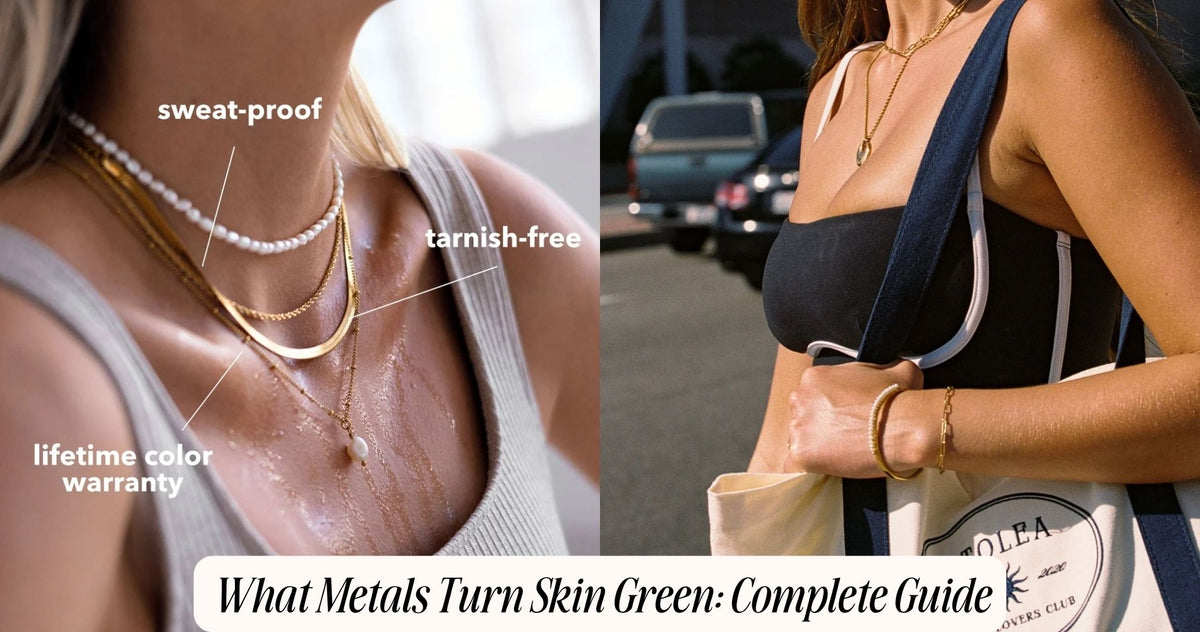
What Metals Turn Skin Green: Complete Guide
Few jewelry mishaps are as common or as frustrating as pulling off a ring or necklace to find a faint green smudge left behind on your skin. If you have ever wondered what metals turn skin green, the answer comes down to a simple chemical reaction rather than a sign of poor hygiene or an allergy. If you want to avoid this issue altogether, our Tarnish-Free Jewelry collection features pieces made with materials specifically chosen to resist this reaction, even with daily wear.
In this guide, we will explain exactly why certain metals cause skin discoloration, which materials are most likely to cause it, and how to prevent it going forward.
Why Jewelry Turns Skin Green
The green residue that sometimes appears on skin after wearing jewelry is caused by a chemical reaction called oxidation, combined with the acidity naturally present on human skin. Many affordable metals, particularly copper and copper containing alloys, react with the oils, sweat, and acids on your skin, creating a compound called copper salt. This compound has a greenish tint, which transfers onto the skin and creates the familiar green mark many people associate with cheap or low quality jewelry.
Importantly, this reaction does not necessarily mean the jewelry is fake or low quality. It simply means the metal contains a higher percentage of copper or other reactive alloys, which is common even in higher end jewelry, particularly in lower karat gold or silver blends.

Copper
Copper is the most well known culprit behind green skin discoloration. This reddish metal reacts readily with skin oils and sweat, quickly forming the greenish copper salt compound responsible for staining. Because copper is inexpensive and highly conductive, it is frequently used as a base metal in costume jewelry, as well as an alloying ingredient in more expensive metals like gold and sterling silver.
Pure copper jewelry, increasingly popular for its supposed health benefits, is especially likely to cause this reaction since it lacks a protective coating or higher purity content to buffer the skin contact.
Sterling Silver
While sterling silver is a popular, higher quality metal choice, it is not immune to causing green skin discoloration. Since sterling silver is only 92.5 percent pure silver, with the remaining 7.5 percent typically made up of copper, this copper content can still react with skin oils and cause a mild green tint, particularly in humid conditions or with prolonged skin contact.
This reaction tends to be less pronounced with sterling silver compared to lower quality alloys, but it can still occur, especially for people with more acidic skin chemistry or those who wear a piece for extended periods without removing it.

Low Karat Gold
Gold in its pure, 24 karat form does not react with skin and will not cause green discoloration. However, most gold jewelry is not sold in its pure form due to gold's natural softness, and is instead mixed with other metals, including copper, to increase durability.
Lower karat gold, such as 10k or 14k, contains a higher percentage of alloy metals compared to 18k or 22k gold, increasing the likelihood of a reaction with skin. This is why some gold jewelry, particularly more affordable pieces with lower gold content, can still occasionally cause mild discoloration, especially with extended wear or in humid climates.
Brass and Bronze
Brass and bronze are both copper based alloys commonly used in costume and fashion jewelry due to their affordability and gold like appearance. Because these metals contain a significant percentage of copper, they are highly prone to causing green skin discoloration, often more noticeably and quickly than sterling silver or higher karat gold.
Jewelry made from brass or bronze without a protective plating layer is one of the most common sources of this issue, particularly in inexpensive fashion accessories and statement pieces.
Plated Jewelry
Gold plated or silver plated jewelry involves a thin layer of precious metal applied over a base metal core, often brass, copper, or a similar alloy. While the plating itself may not cause a reaction, the coating can wear away over time with regular use, exposing the reactive base metal underneath.
This is one of the most common reasons people notice green discoloration developing gradually on a piece of jewelry that caused no issues when first purchased. As the plating thins, more of the underlying metal comes into direct contact with the skin.
Why Some People Are More Prone to This Reaction Than Others
Not everyone experiences green skin discoloration from the same pieces of jewelry, and individual skin chemistry plays a significant role. People with more acidic skin, often influenced by diet, hormones, and overall body chemistry, tend to experience this reaction more frequently and noticeably. Increased sweat, humidity, or exposure to substances like lotion, perfume, or sunscreen can also accelerate the chemical reaction between skin and reactive metals.
This variability explains why one person may never notice discoloration from a piece of jewelry, while another person wearing the exact same item experiences it consistently.

Is Green Skin Discoloration Harmful
For most people, green skin discoloration caused by reactive metals is a cosmetic issue rather than a health concern. It typically washes off easily with soap and water and does not indicate an allergic reaction, though it can sometimes be mistaken for one due to its unusual appearance.
However, if the area becomes itchy, red, or irritated in addition to the green discoloration, this may indicate a genuine metal allergy, often related to nickel content rather than copper. In these cases, switching to hypoallergenic jewelry materials is recommended, and consulting a dermatologist may be helpful if symptoms persist.
How to Prevent Green Skin Discoloration
A few simple strategies can help prevent or reduce green skin discoloration from jewelry. Applying a thin layer of clear nail polish to the inside surface of a ring or bracelet can create a barrier between the metal and your skin, though this solution wears off over time and needs reapplying. Removing jewelry before swimming, showering, or exercising reduces prolonged exposure to sweat and moisture, which accelerates the reaction. Choosing higher purity metals, like 18k or higher gold, or platinum, significantly reduces the likelihood of discoloration due to their lower reactive alloy content.
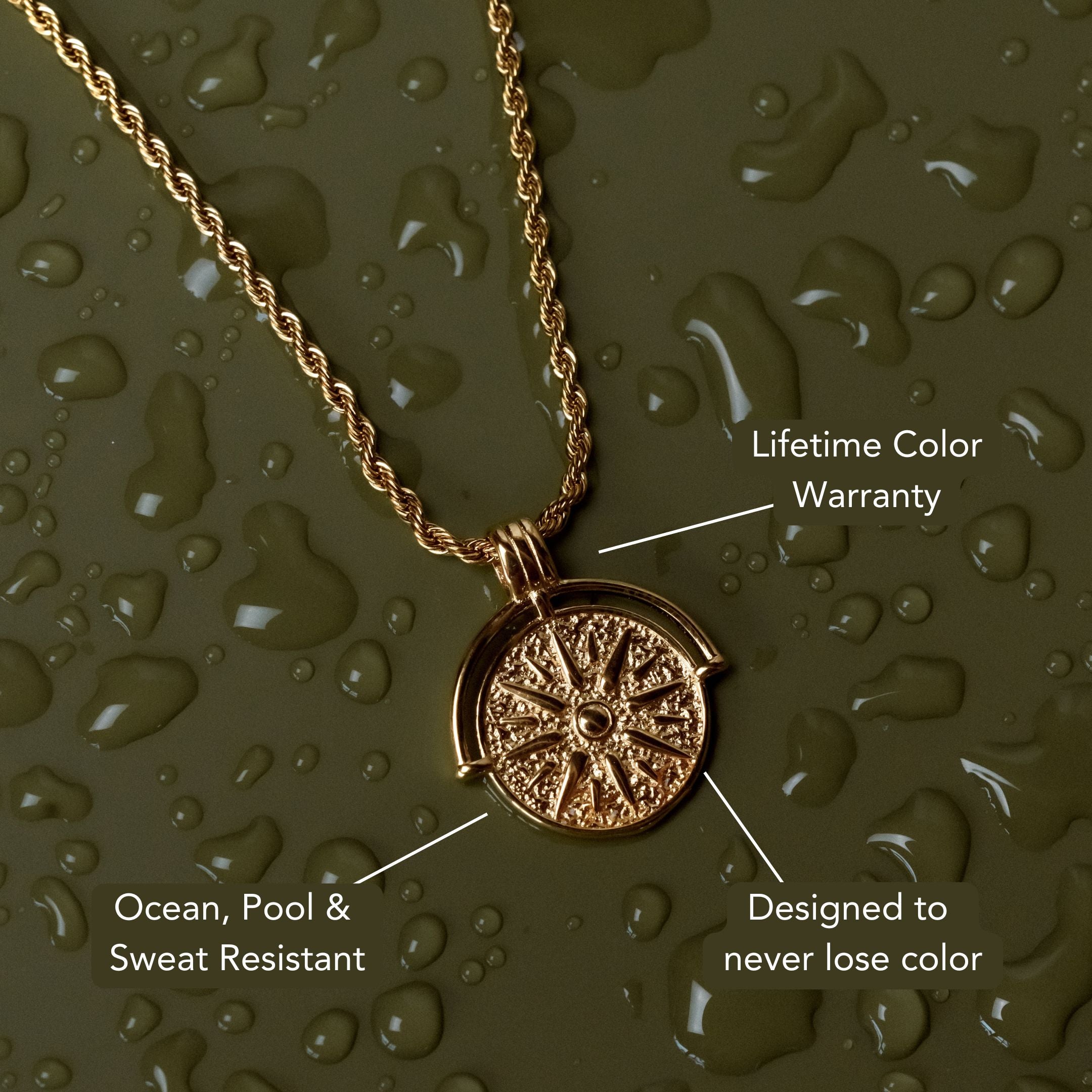
For a more permanent solution, choosing jewelry specifically designed to resist tarnish and skin reactions, made from materials like titanium, stainless steel, or high purity precious metals, eliminates the issue entirely without requiring ongoing maintenance or workarounds.

Choosing Tarnish Resistant Jewelry
If green skin discoloration has been a recurring frustration, it may be worth reconsidering the materials you regularly wear. Metals like titanium and surgical grade stainless steel are highly resistant to this type of reaction, since they contain little to no reactive copper content. Higher purity gold and properly maintained sterling silver can also reduce the likelihood of discoloration compared to lower quality alloys or plated jewelry.
Investing in pieces built specifically to resist tarnish and skin reactions allows you to wear jewelry consistently, even during activities involving sweat, water, or humidity, without worrying about unexpected green marks.
Final Thoughts
So, what metals turn skin green? Copper is the primary culprit, whether found in pure copper jewelry or as an alloying ingredient in sterling silver, low karat gold, brass, and bronze. This common reaction is a simple chemical process rather than a sign of low quality or poor hygiene, and it can typically be prevented by choosing higher purity metals or materials specifically designed to resist this type of reaction.
Understanding the cause behind this frustrating but harmless issue makes it much easier to choose jewelry that fits both your style and your skin's unique chemistry.
Frequently Asked Questions
1. What metals turn skin green the most often? Copper is the most common cause, whether in pure copper jewelry or as an alloy in sterling silver, low karat gold, brass, and bronze.
2. Does green skin discoloration mean the jewelry is fake? No, this reaction simply indicates the presence of copper or similar reactive metals and does not necessarily reflect the overall quality or authenticity of the piece.
3. Is it bad for my skin if jewelry turns it green? For most people, this discoloration is purely cosmetic and washes off easily. If accompanied by itching or redness, it may indicate a separate metal allergy worth addressing.
4. Can sterling silver cause green skin discoloration? Yes, since sterling silver contains about 7.5 percent copper, it can occasionally cause mild discoloration, particularly with prolonged wear or in humid conditions.
5. How can I stop my jewelry from turning my skin green? Choosing higher purity metals, applying a barrier like clear nail polish, or switching to tarnish resistant materials like titanium or stainless steel can all help prevent this reaction.










コメントを書く
このサイトはhCaptchaによって保護されており、hCaptchaプライバシーポリシーおよび利用規約が適用されます。