

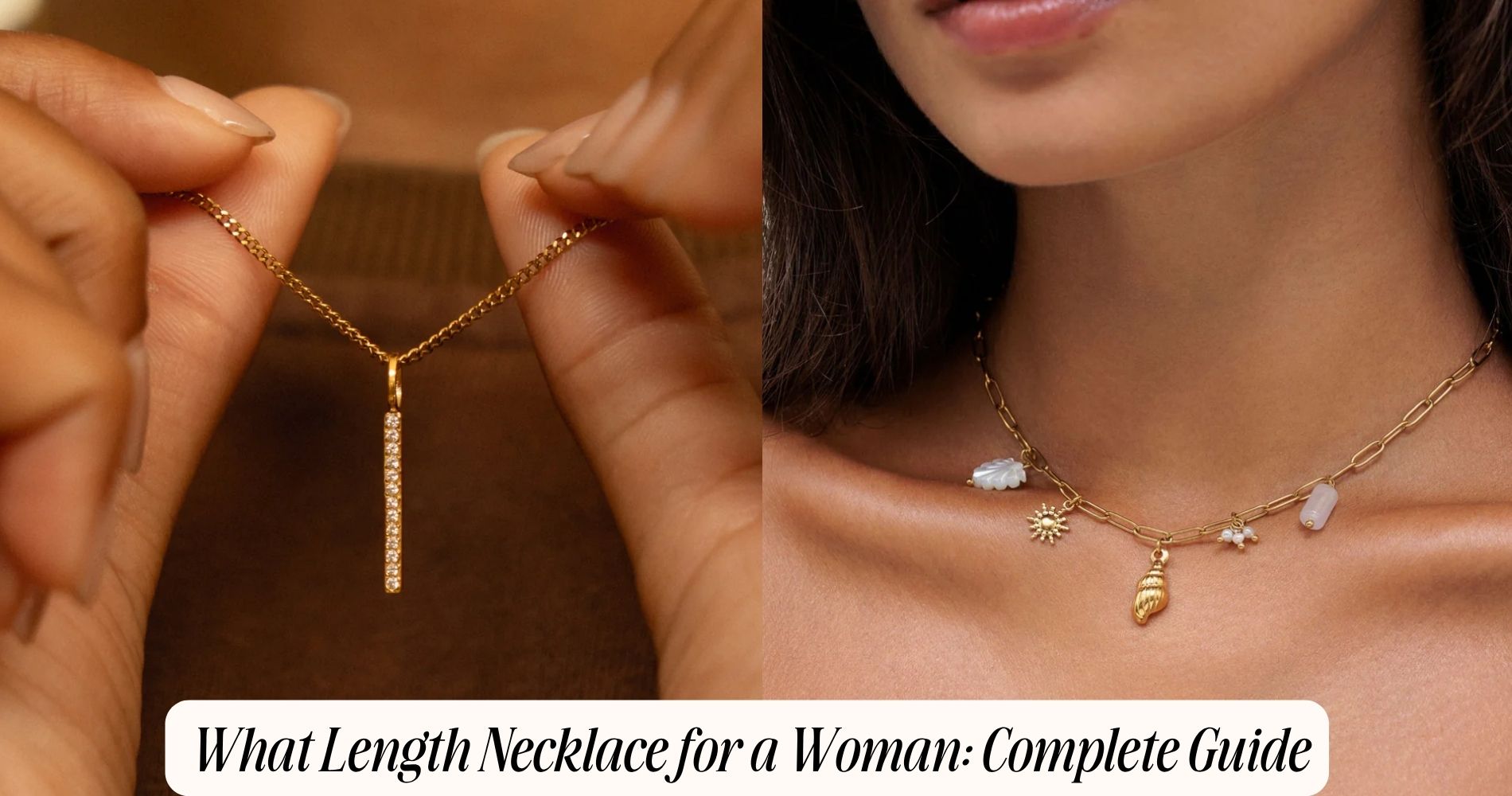
What Length Necklace for a Woman: Complete Guide
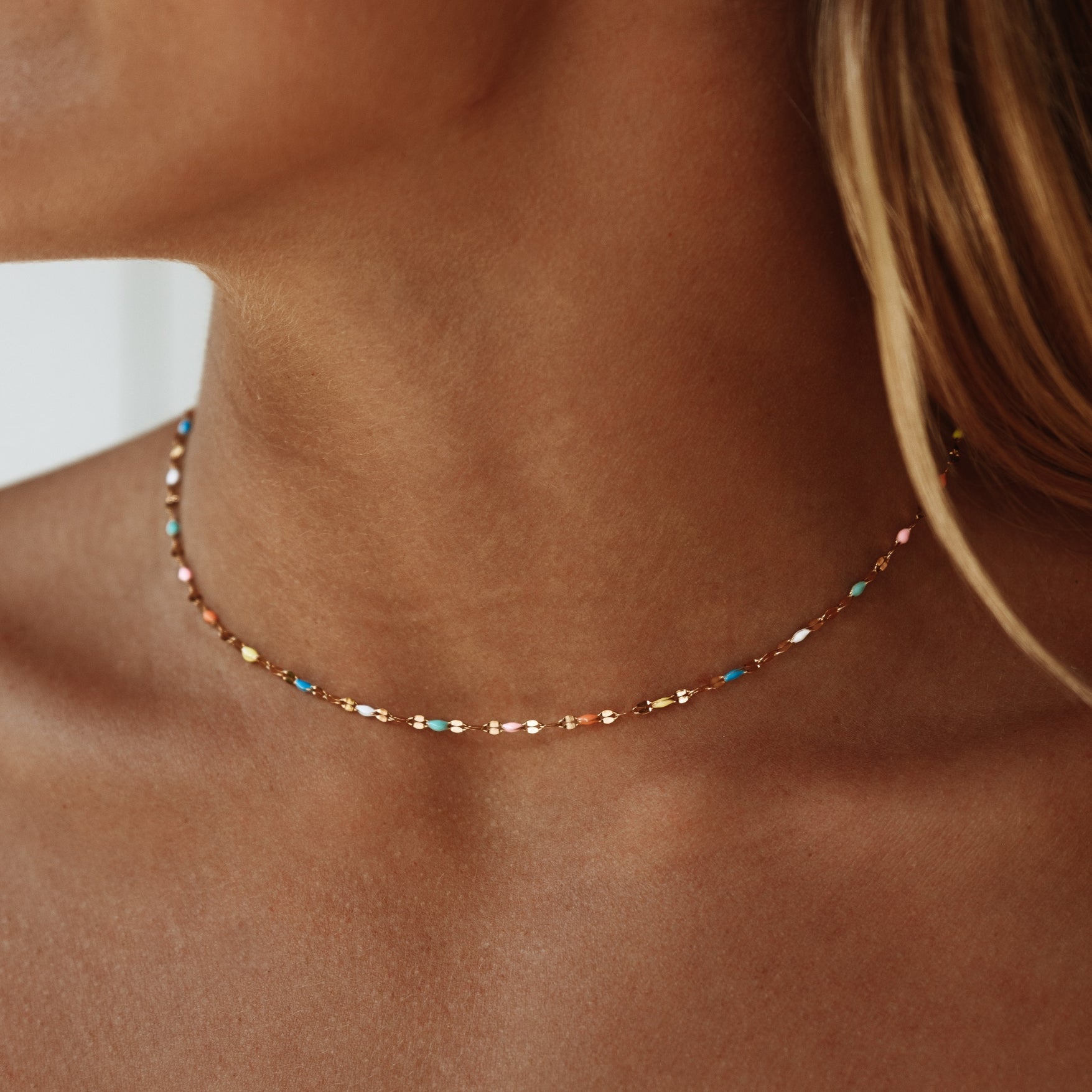
What length necklace for a woman? Pick a go-to length that flatters your neckline and simplifies styling: 16–18 inches (choker to princess) is the everyday sweet spot, sitting at the throat or collarbone for most outfits. Choose 20–24 inches for scoop or matinee styles, and 28+ inches for more dramatic or layered looks. Pendant necklaces at 18–22 inches can help elongate V-necks. Consider your proportions and outfit balance when selecting lengths, and explore versatile options like those in the Beach Necklaces collection for effortless everyday wear.
Quick Rule: Pick One Go‑To Necklace Length (And Why It Works)
Pick one go-to necklace length and you’ll simplify every outfit decision you make. When you commit to a single, flattering length, you create a reliable baseline that highlights your personal style and coordinates with most necklines.
Choose a length that lands where you want the focal point—near your collarbone for everyday polish or slightly lower for casual layering—and stick with quality pieces in that range. You’ll follow necklace trends without overhauling your collection each season; trending pendants and chain styles will slot into your established framework.
This approach speeds dressing, reduces clutter, and makes mixing metals or textures effortless. Keep one versatile length as your anchor, then add a couple of statement or short-term trend pieces sparingly.

Necklace Length Chart : Where Each Length Falls
When you shop or layer, knowing exactly where each standard necklace length falls on your torso makes styling faster and more intentional.
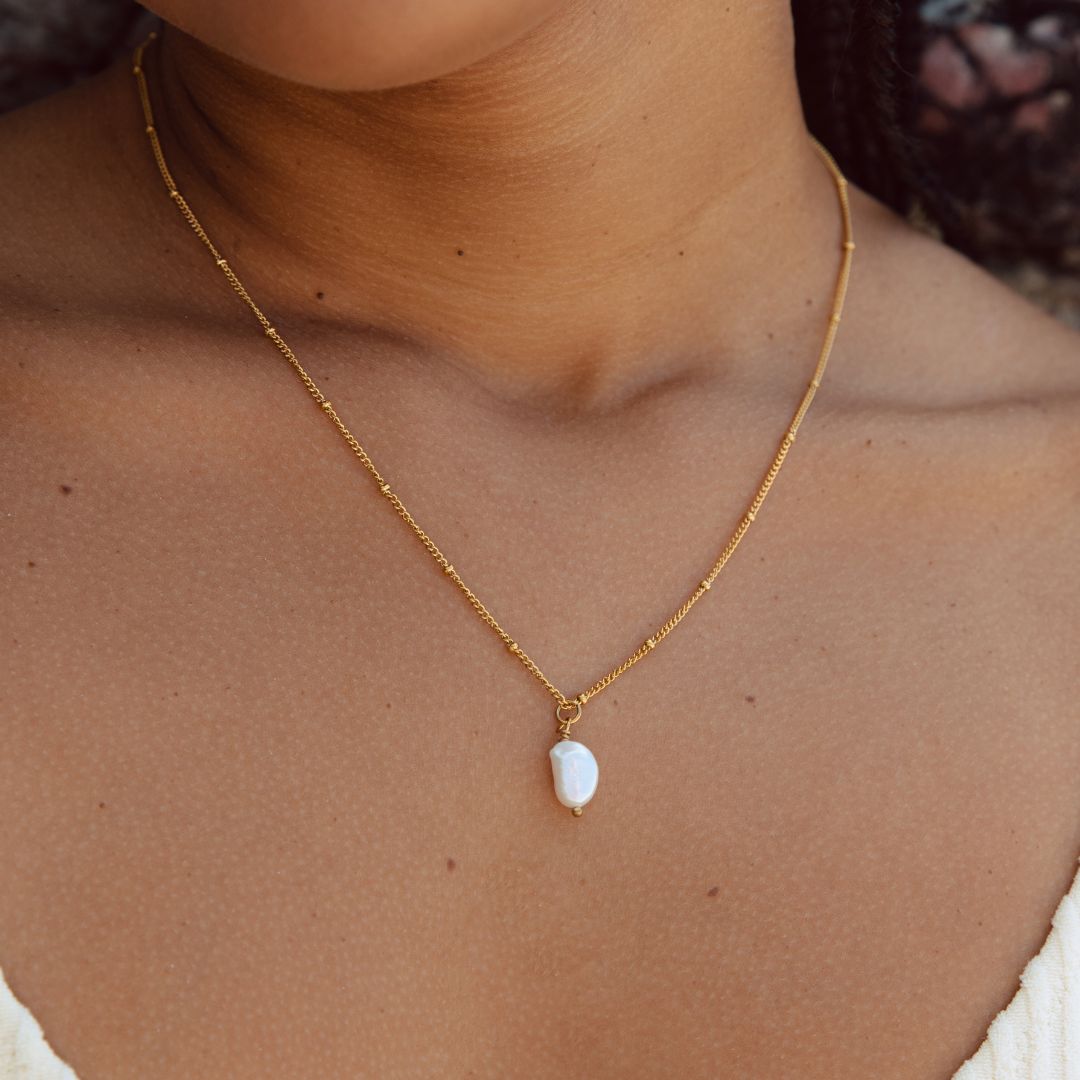
A 14–16-inch choker sits at the base of your throat; 18-inch princess rests on the collarbone—your everyday go-to.
Matinee (20–24 inches) drops to the upper chest, while opera (28–36 inches) lands around the sternum or below, offering dramatic vertical lines.
Rope lengths exceed 36 inches and can be doubled or knotted for versatile silhouettes.
Keep necklace types in mind—pendants, chains, and statement pieces read differently at each length.
Follow current style trends: layered short-to-long mixes and single bold opera pieces.
Use this mental chart to predict where a necklace will sit, so your outfits and proportions stay intentional and modern.
Best Lengths for Common Necklines (Crew, V, Scoop, Off‑Shoulder)
For crew, V, scoop, and off-shoulder necklines, choosing the right necklace length fixes proportion and highlights your neckline without competing with the garment.
With a crew neck, pick shorter chains—16–18 inches or chokers—to sit above the collar and maintain neckline compatibility; delicate pendants work best for subtle emphasis.
For V-necks, mirror the V: a pendant that ends just above the bust (18–22 inches) elongates your line and shows style versatility.
Scoop necks welcome mid-length pieces (18–24 inches) that fill the open curve without cluttering it.
Off-shoulder tops call for statement chokers or short collars to frame your shoulders, or longer layers for contrast.
Keep metals and scale proportional to fabric weight and print for a polished, on-trend result.

Choosing Lengths for Your Body Shape and Torso Proportion
Now that you’ve matched necklaces to necklines, think about how your body shape and torso length change what looks best.
Consider your body shape and torso proportions to pick lengths that balance or emphasize your silhouette: shorter chokers and collars suit shorter torsos, while longer pendants elongate longer torsos.
Factor in style preferences and personal comfort—choose snug pieces if you like minimalism, or go longer for relaxed looks.
Follow fashion trends but prioritize timeless jewelry materials and quality.
Use layering techniques to customize visual weight: mix delicate chains with a statement piece or try asymmetrical designs to add modern edge.
For seasonal styles, swap metals and lengths to complement outfits and weather-driven necklines.
How Lengths Change Face and Neck Balance
Although your necklace length may seem like a small choice, it directly alters how your face and neck read—shorter collars draw attention upward to your jaw and cheekbones, while longer chains soften the jawline and create the illusion of a longer neck.
You'll use length to correct or emphasize proportions: a choker or princess length lifts focus to a round or heart-shaped face, sharpening features; a matinee or opera length elongates a short neck and balances a wider jaw.
If you have a long neck, shorter pieces add visual interest without exaggerating length.
Consider how pendant placement intersects your collarbone and décolletage—small shifts change perceived neck length and complement different face shape types.
Choose intentionally to harmonize proportions.
Layering Recipes: Length Combos That Always Work
When you layer, think in deliberate steps: pair a choker or 14–16" princess with a 20–24" matinee, then finish with a 30–36" opera to create clean tiers that never compete.
Start with a simple choker or short chain as your anchor, then add a matinee with a modest pendant choice—small lockets or geometric drops keep focus.
Top with an opera or rope for movement; longer lengths elongate the torso and balance proportions.
Mix metal tones sparingly and vary chain textures to prevent tangling.
For casual chic, swap the choker for a 16–18" collar and choose layered styles with graduated pendants.
For evening, pick one statement pendant amid subtler chains so layering styles feel curated, not cluttered.

How to Measure Necklace Length at Home (For Single Pieces and Layers)
After you’ve settled on layered lengths and pendant placement, measure to get predictable results. Start with a soft tape measure or a strip of paper: wrap it where the chain will sit, mark overlap, then lay flat to read inches or centimeters.
For single pieces, measure from collarbone to desired drop—16–18 inches for classic, 20–24 for matinee—matching necklace styles to necklines.
For layers, drape marked strips simultaneously to test spacing; aim for 2–4 inch gaps between focal points so each piece reads. Use a mirror or friend to confirm balance and verify pendants don’t clash.
Record your measurements and compare to brand length charts before buying. These measuring techniques keep trendy mixes neat and prevent surprises when wearing layered looks.
Alterations & Clasp Extenders: When to Shorten or Lengthen a Chain
If a necklace sits awkwardly against your neckline or throws off a layered look, you’ll want to alter its length rather than force it into place—shorten chains that fight your collarbone and lengthen ones that disappear under fabric.
You can clip links or add a jump ring to shorten delicate chains; heavier chain materials like curb or rope may need a jeweler’s pliers or professional resizing to maintain integrity.
For quick fixes, use clasp extenders—choose ones that match clasp types (lobster, spring ring, magnetic) and metal tone so the extender blends.
Consider soldering for permanent changes or removable extenders for versatility.
Always check weight and clasp compatibility; some extenders can strain thin chains or catch on fine link work.
Choosing Necklace Length by Occasion: Casual, Work, Evening
Altering a chain to sit right sets you up to pick the perfect length for any event—casual days, the office, or evening outings call for different balances of comfort, visibility, and polish.
For casual styles, choose shorter pendants (16–18") or choker layers that move with you; prioritize durable material choices and playful color coordination.
At work, aim for work appropriateness with modest lengths (18–22") that sit near the collarbone or décolletage, avoid noisy pieces, and favor muted metals.
For evening elegance, longer or statement lengths (24"+) create drama; combine luxe materials and refined layering techniques sparingly.
Always weigh personal preferences against seasonal trends and outfit necklines, adjusting lengths to flatter proportions while keeping the look intentional and appropriate.
Shopping Tips: What to Check in Product Listings and Photos
1 quick scan of the product listing can save you hours of returns—check chain length and clasp type first, then confirm material, plating thickness or karat weight, and whether the pendant dimensions are shown so you know true scale.
Next, inspect photos on models and flat lays to judge where the necklace will sit on your neckline and how it layers with other pieces. Zoom to spot welding, jump rings, and finishes; clear close-ups reveal real texture and any plating wear.
Read descriptions for material types, clasp styles, hypoallergenic notes, and care instructions. Check measurements in millimeters for pendants and chain gauge.
Finally, review return policies and customer images for honest wear-time feedback before you buy.

Frequently Asked Questions
Can Necklace Length Affect How Jewelry Behaves During Exercise?
Yes — necklace length changes how jewelry behaves during exercise; shorter pieces hug your collar, reducing bounce, while longer ones swing more. Consider exercise movement and necklace materials to prevent chafing, snagging, or metal irritation.
Are There Recommended Lengths for Layering With Pendants of Different Weights?
Yes—you should stagger lengths: mix 16–18" short chains with 20–24" mid layers and 28"+ long pieces, using heavier pendant weights on longer chains and lighter ones up top; layering techniques keep balance and movement controlled.
Do Necklace Lengths Matter for Men Wearing Women's Styles?
Yes — necklace lengths matter for men wearing women's styles; you'll balance men's style with personal preference, challenge gender norms confidently, and make fashion choices based on fit, proportion, neckline, and the statement you want to project.
How Do Climate and Humidity Affect Necklace Comfort and Fit?
Humidity and heat can swell skin and loosen clasps, so you'll pick necklace materials that resist tarnish and stick—like stainless steel or coated metals—and adjust length with climate considerations for comfortable, secure wear.
What Necklace Lengths Are Safest for Babies or Small Children to Wear?
For baby safety and child comfort, avoid necklaces on infants; for older toddlers, choose short, breakaway cords under 12 inches (30 cm) or safer alternatives like bracelets or sewn-on decorative trims to prevent choking and pulling.
Conclusion
Now that you’ve got the basics, pick one go‑to length that flatters your neckline and daily outfits, then use extenders or a jeweler to tweak for variety. Remember how length changes face, neck and torso balance—short for uplift, long for elongation—and match styles to occasions. Check product photos and measurements before you buy. With a trusted base length and simple layering skills, you’ll always look polished and on‑trend without overthinking.







%20is%20the%20everyday%20sweet%20spot,%20sitting%20at%20the%20throat%20or%20coll...)
コメントを書く
このサイトはhCaptchaによって保護されており、hCaptchaプライバシーポリシーおよび利用規約が適用されます。