

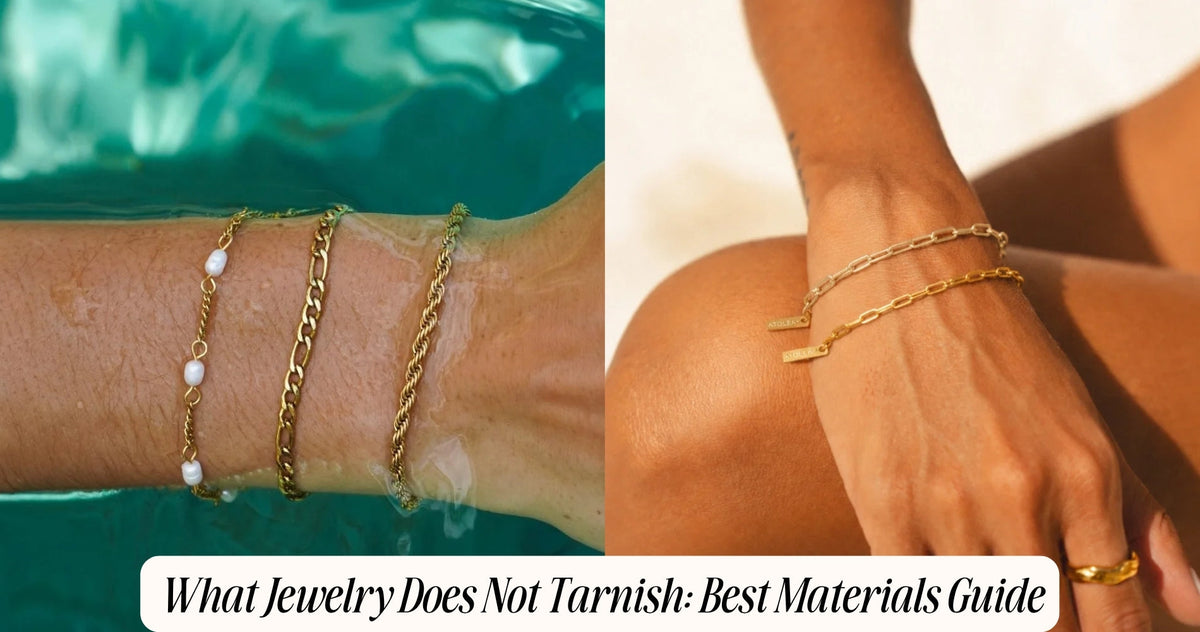
What Jewelry Does Not Tarnish: Best Materials Guide
Few things are more frustrating than pulling out a favorite piece of jewelry only to find it dull, discolored, or covered in unwanted tarnish. If you are tired of constant polishing and maintenance, understanding what jewelry does not tarnish can help you build a collection that stays beautiful with minimal ongoing effort.
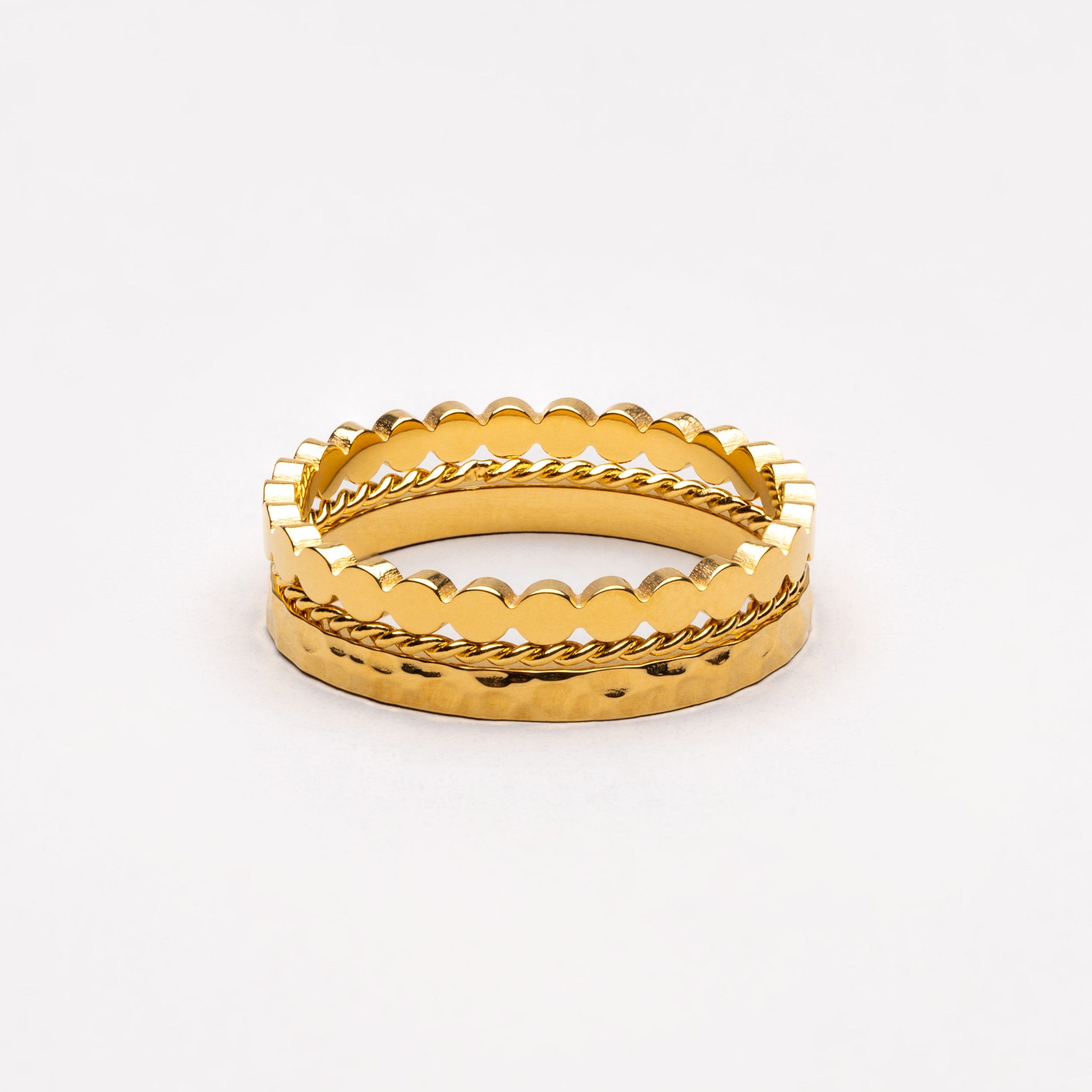
In this guide, we will walk through the materials that genuinely resist tarnish, explain why some metals are more prone to this issue than others, and help you shop smarter for pieces built to last. If you want a wrist collection that stays shining no matter how often you wear it, our Non Tarnish Bracelets collection is designed specifically around this kind of everyday durability.
What Causes Jewelry to Tarnish
Before exploring which materials resist tarnish, it helps to understand what actually causes this discoloration in the first place. Tarnish typically occurs when a metal reacts chemically with elements in its environment, most commonly sulfur compounds present in the air, moisture, or everyday substances like lotion, perfume, and even natural skin oils.
Silver is particularly well known for this reaction, developing a darker, sometimes yellow or black surface layer over time as it reacts with sulfur in the surrounding air. Other metals, particularly those containing copper or other reactive alloy components, can experience similar discoloration processes, though the specific chemical reaction and resulting appearance vary depending on the exact metal composition involved.
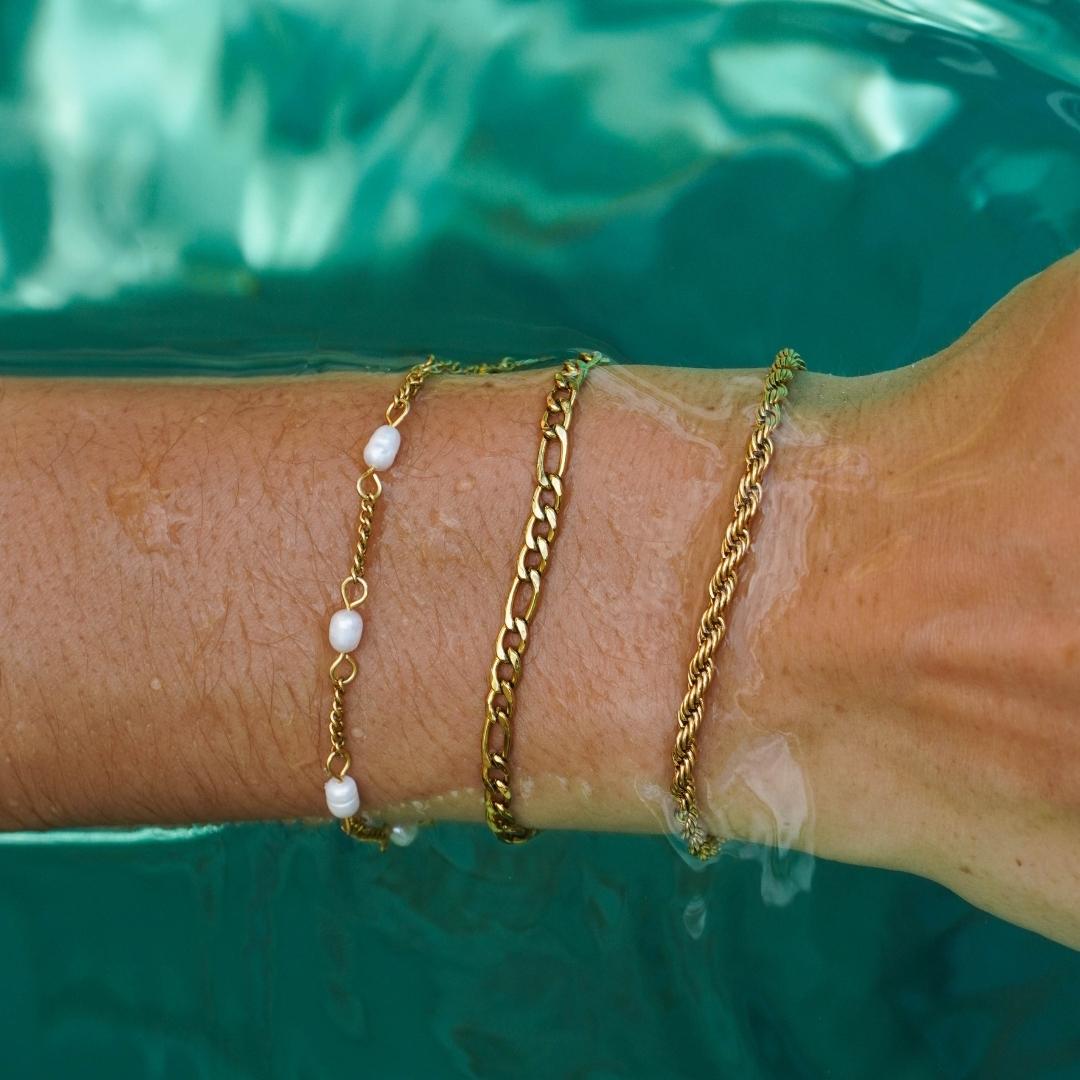
What Jewelry Does Not Tarnish: The Best Materials
Several jewelry materials offer genuine resistance to tarnish, making them excellent choices for those seeking low maintenance, long lasting pieces.
Titanium
Titanium stands out as one of the most tarnish resistant materials available for jewelry. This resistance comes from titanium's natural ability to form a stable, protective oxide layer on its surface when exposed to air, effectively shielding the underlying metal from the type of chemical reactions that typically cause tarnish in other materials. Titanium jewelry maintains its appearance remarkably well over time, even with frequent wear and regular exposure to water and everyday elements.
Platinum
Platinum is naturally resistant to tarnish and corrosion, making it one of the most reliable, low maintenance precious metal choices available. Unlike silver, platinum does not react with sulfur compounds in the air, meaning it maintains its bright, naturally white appearance without the darkening process associated with silver tarnish. While platinum can develop a slight surface patina over extended periods of wear, this is a different, generally desirable characteristic distinct from traditional tarnish.
Stainless Steel
Stainless steel, particularly higher quality surgical grade formulations, offers excellent tarnish resistance thanks to its chromium content, which forms a protective oxide layer similar in function to titanium's natural protection. This durability makes stainless steel a popular, practical choice for jewelry intended for regular, everyday wear, including pieces exposed to water and physical activity.
Solid Gold
Solid gold, particularly higher karat options, does not tarnish in the traditional sense, since pure gold does not react with sulfur compounds the way silver does. However, lower karat gold, containing a higher percentage of other alloyed metals, can occasionally show some minor discoloration over extended periods, though this is generally far less noticeable and less frequent compared to the tarnish commonly associated with silver.
Tungsten
Tungsten is an extremely hard, durable metal that resists tarnish and general everyday wear exceptionally well. Its natural hardness also makes tungsten highly resistant to scratching, offering an additional practical benefit alongside its tarnish resistant properties.
Niobium
Niobium, similar to titanium, forms a naturally protective oxide layer that provides strong resistance to tarnish and corrosion. This lightweight, durable material has become increasingly popular, particularly within hypoallergenic and body jewelry categories, given its combination of skin friendly properties and low maintenance durability.
Palladium
Palladium, part of the platinum family of metals, offers similarly excellent tarnish resistance, maintaining its naturally white, bright appearance without the darkening process associated with silver. This makes palladium a reliable, if somewhat less commonly used, option for those seeking genuinely low maintenance precious metal jewelry.

Materials That Commonly Tarnish
Understanding which materials are more prone to tarnish can help clarify why certain jewelry requires more frequent maintenance compared to the tarnish resistant options discussed above.
Sterling Silver
Sterling silver, composed of 92.5 percent pure silver combined with other metals, typically copper, remains one of the most tarnish prone jewelry materials available. This reaction occurs naturally over time due to sulfur exposure in the air, particularly in humid environments or with infrequent wear, requiring regular cleaning and polishing to maintain its bright appearance.
Brass and Copper
Brass and copper, sometimes used in costume jewelry or as a base metal in plated pieces, are particularly prone to visible tarnish and discoloration, often developing a greenish or darkened patina relatively quickly compared to more tarnish resistant metals.
Gold Plated Jewelry
While the gold plating itself does not tarnish in the traditional sense, gold plated jewelry frequently experiences visible discoloration once the thin gold layer wears away, exposing the more reactive base metal underneath, which is often prone to tarnish in a way the original gold coating was not.
Lower Karat Gold Alloys
While higher karat gold generally resists tarnish quite well, lower karat gold, containing a higher percentage of other alloyed metals, can occasionally show some minor discoloration over extended periods, particularly with prolonged exposure to moisture or certain chemicals.
Why Some Metals Resist Tarnish Better Than Others
The key factor separating tarnish resistant metals from those prone to discoloration typically comes down to the presence, or absence, of specific reactive elements within the metal's composition. Metals like titanium, stainless steel, and niobium form naturally protective oxide layers when exposed to air, effectively creating a barrier that prevents the underlying metal from reacting further with environmental elements.
Silver, by contrast, lacks this same natural protective mechanism, making it inherently more vulnerable to the sulfur based reactions that cause traditional tarnish. Understanding this fundamental difference helps clarify why certain materials require significantly more ongoing maintenance compared to others, regardless of how carefully a piece is cared for.

Choosing Tarnish Resistant Jewelry for Your Lifestyle
When shopping specifically for tarnish resistant jewelry, considering your personal lifestyle and how frequently you plan to wear a particular piece can help guide your material choice.
For Daily, Active Wear
If you plan to wear jewelry consistently, including during activities like exercising, showering, or swimming, prioritizing genuinely tarnish resistant materials like titanium, stainless steel, or platinum offers the most reliable, low maintenance option.
For Occasional or Special Occasion Wear
For jewelry worn less frequently, materials like sterling silver may still work well, provided you are prepared to follow proper storage practices, such as airtight containers with anti tarnish strips, to help minimize tarnish development during periods of non use.
For Long Term Investment Pieces
For jewelry intended to be worn for many years or passed down as an heirloom, solid gold or platinum generally offer the best combination of tarnish resistance and lasting material value compared to more budget friendly alternatives.
Caring for Tarnish Resistant Jewelry
Even genuinely tarnish resistant materials benefit from some basic care to maintain their appearance over the long term. Clean tarnish resistant jewelry periodically using mild soap and warm water, along with a soft cloth or brush, to remove any accumulated dirt, oils, or product residue. Store pieces separately from harder materials or gemstones to help prevent surface scratching, even though these metals already offer strong resistance to discoloration specifically.

Building a Low Maintenance Jewelry Collection
If minimizing ongoing jewelry maintenance is a priority for you, building your collection primarily around genuinely tarnish resistant materials like titanium, stainless steel, or solid gold allows you to enjoy your favorite pieces consistently without the frustration of frequent polishing or the disappointment of discovering unexpected discoloration after periods of storage.
Final Thoughts
Understanding what jewelry does not tarnish empowers you to shop more strategically, particularly if low maintenance, everyday durability matters to your specific lifestyle. Materials like titanium, platinum, stainless steel, solid gold, tungsten, niobium, and palladium all offer genuine resistance to the discoloration that affects more reactive metals like sterling silver, brass, and lower quality plated jewelry.
Whether you are building a new collection from scratch or looking to replace pieces that require too much ongoing upkeep, choosing genuinely tarnish resistant materials can help ensure your jewelry stays looking its best with far less effort over time.
Frequently Asked Questions
1. What is the most tarnish resistant jewelry material?
Titanium is widely considered one of the most tarnish resistant materials available, thanks to its naturally protective oxide layer.
2. Does solid gold ever tarnish?
Higher karat solid gold generally does not tarnish, though lower karat gold containing more alloyed metals can occasionally show minor discoloration over extended periods.
3. Why does sterling silver tarnish so easily compared to other metals?
Sterling silver lacks the natural protective oxide layer found in metals like titanium or stainless steel, making it more vulnerable to reacting with sulfur compounds in the air.
4. Is stainless steel a good choice for tarnish resistant jewelry?
Yes, particularly higher quality surgical grade stainless steel, which offers strong resistance to tarnish and corrosion thanks to its chromium content.









コメントを書く
このサイトはhCaptchaによって保護されており、hCaptchaプライバシーポリシーおよび利用規約が適用されます。