

Silver Necklace Cleaning Solution That Works
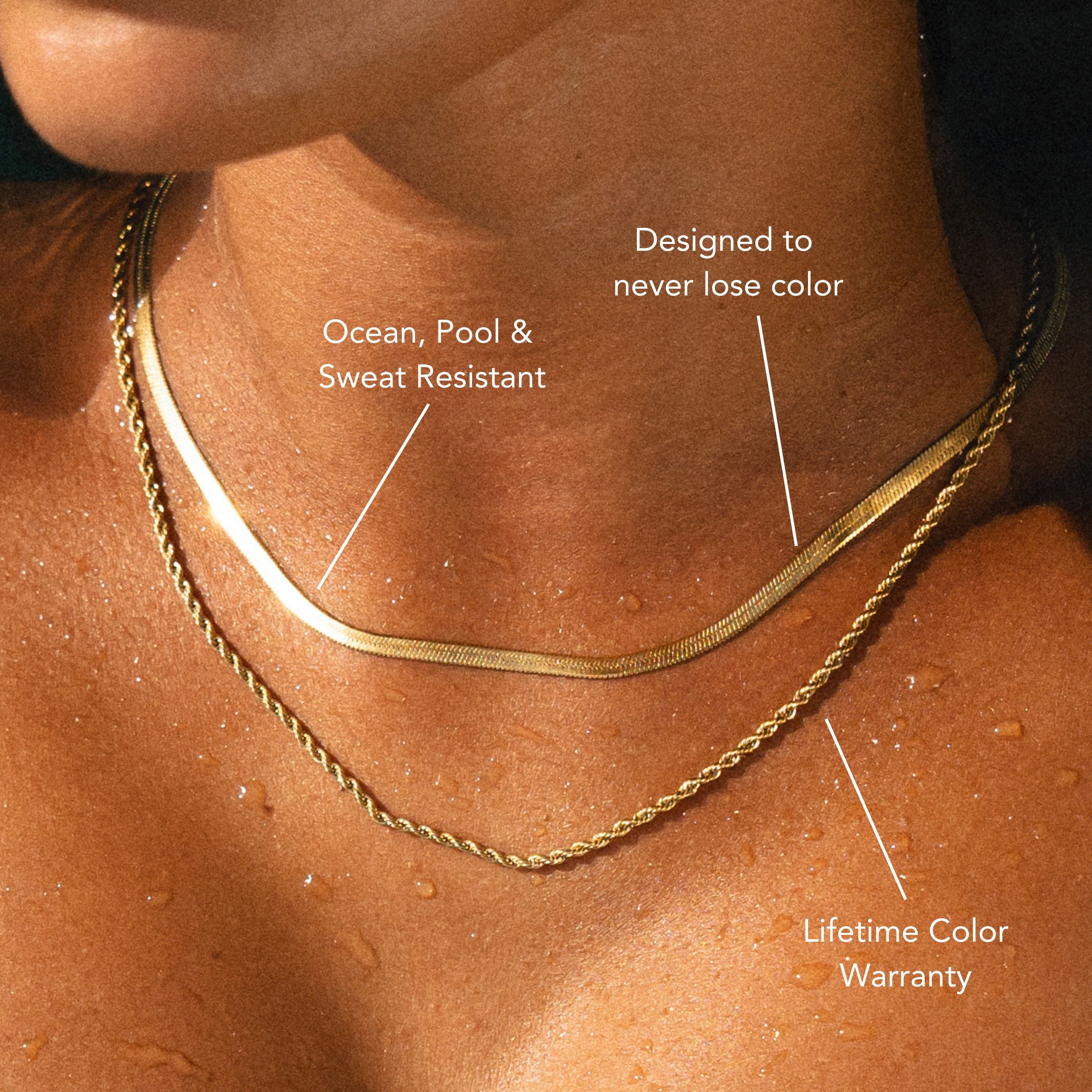
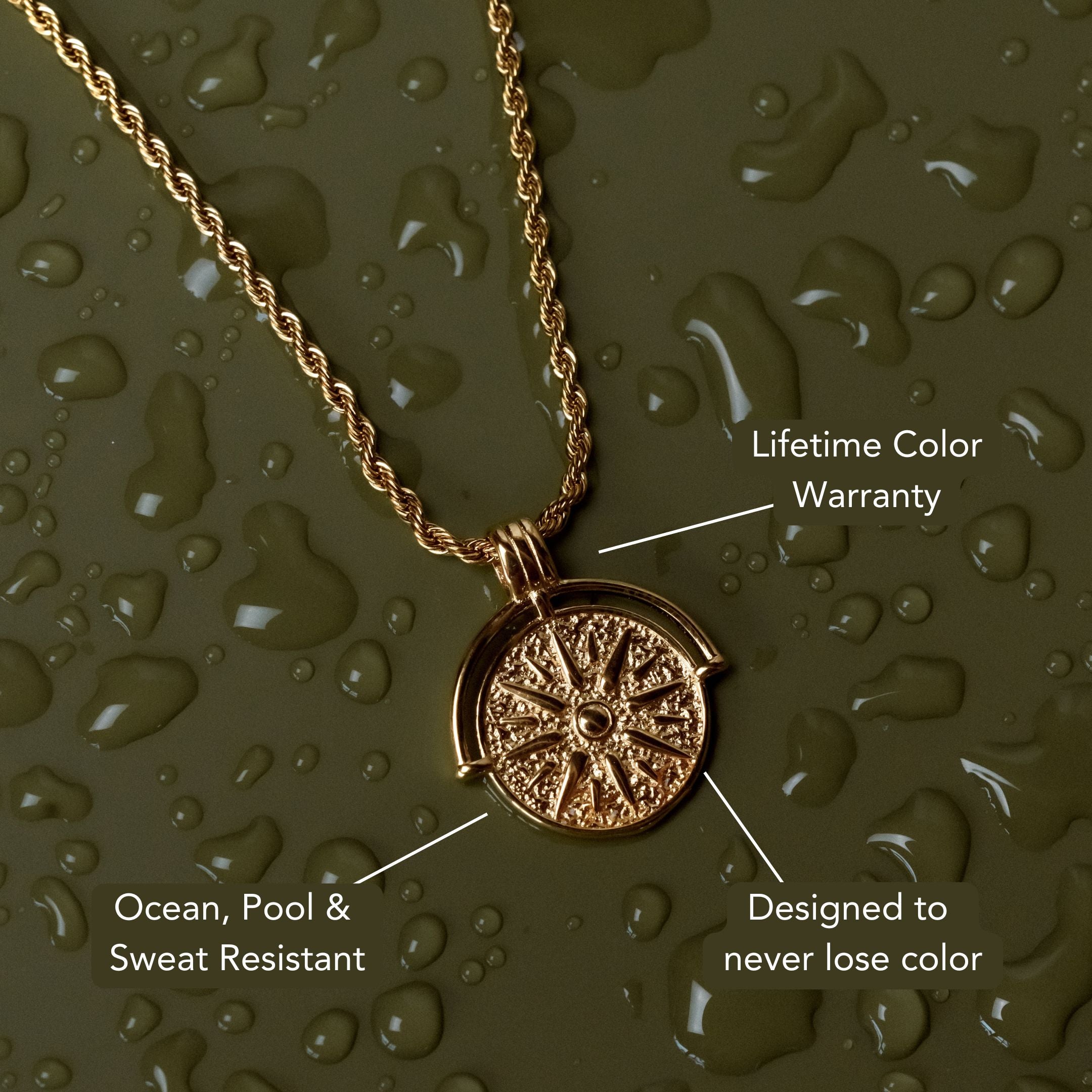
A reliable silver necklace cleaning solution can restore shine quickly when used correctly. Line a nonreactive bowl with aluminum foil, shiny side up, place your silver necklace inside, then pour in just-boiled water to fully cover it. Add 1–2 tablespoons of baking soda per cup of water and allow the electrolytic reaction to lift silver sulfide from the surface. Gently agitate for 30–90 seconds with a plastic tool, then rinse with distilled water and pat dry using a lint-free cloth. Avoid abrasives, and store silver airtight in low-humidity conditions with anti-tarnish strips. For low-maintenance everyday wear, pieces designed like Waterproof Jewelry can help reduce frequent tarnish concerns. If you’re unsure about plating or facing heavy tarnish, there’s more to evaluate next.
Why Silver Tarnishes and How to Stop It
Although silver looks inert, it readily reacts with sulfur-containing compounds in air, forming a thin layer of silver sulfide—tarnish—that dulls luster.
You’ll also see minor oxide formation; these silver oxidation causes stem from ambient H2S, SO2, ozone, humidity, skin secretions, and volatile sulfur from paper, wool, rubber, and some cleaners.
Limit exposure to these sources to slow reaction kinetics.
Store necklaces in airtight, low-humidity containers with activated charcoal or sulfur-absorbing strips.
Use acid-free tissue and avoid PVC plastics.
Wear pieces after applying lotions or perfumes, then wipe them with a clean, lint-free cloth to remove chlorides and oils.
Consider protective coatings designed for silver—conservation-grade lacquers or nano-polymer barriers—if you need longer intervals between maintenance.
Test any coating on an inconspicuous area and monitor routinely.

What You’ll Need for a Safe, Effective Clean
For a controlled clean that won’t compromise silver or gemstones, assemble nonreactive, conservation-grade tools before you start. Choose lint-free microfiber cloths, cotton swabs with paper stems, and a soft natural-bristle brush. Use neutral-pH, dye-free dish soap as your surfactant. Prepare distilled water for dilution and rinsing; avoid tap water minerals. Keep nitrile gloves to prevent finger oils.
Select a silver-specific polishing cloth with micro-abrasive impregnations; avoid generic abrasives.
Stage your cleaning materials in separate, labeled containers to prevent cross-contamination. Use a nonmetal bowl for solutions, plus a silicone mat to cushion pieces. Have magnification to monitor progress and seams.
Employ safe methods: light pressure, incremental passes, and immediate blot-drying with microfiber. Reserve resealable bags and anti-tarnish strips for post-clean storage.
Never mix agents or improvise tools.
Quick Test to Identify Silver and Plating
Curious whether a necklace is solid silver or plated? Start with hallmarks: look for “925,” “Sterling,” or “800.”
“EPNS,” “HGE,” or “GP” indicate plating. Use a strong loupe to inspect high-wear points—edges, clasp, and chain joints. If a different-colored substrate shows through, that supports plating identification.
Perform a magnet check; silver isn’t magnetic, but a strong pull suggests base metal. For cautious silver testing, rub a discreet area on an unglazed porcelain tile; a dark gray streak can indicate silver, while orange or brassy tones suggest brass.
Avoid aggressive abrasion—limit to a tiny, hidden spot. Weigh and measure: solid silver feels denser than similarly sized plated pieces.
When in doubt, use an acid test kit on a filed notch only as a last resort.

Step-by-Step Aluminum Foil and Baking Soda Method
Begin by preparing a non-reactive container lined with aluminum foil, shiny side up, sized to fully submerge the necklace without crowding.
Place the piece on the foil, ensuring contact. Add just-boiled water to cover. Sprinkle 1–2 tablespoons baking soda per cup of water, adding gradually to limit foaming.
The aluminum foil and baking soda create a mild electrolytic exchange that reduces silver sulfide back to silver.
Agitate gently with a plastic or wooden tool; don’t scrape. Monitor for 30–90 seconds.
Once tarnish diminishes, remove the necklace with tongs. Rinse immediately under cool running water to halt reaction and remove residues.
Pat dry with a lint-free cloth, then air-dry completely. If needed, repeat once.
Avoid gemstones, sealed components, or oxidized finishes. Store dry to prevent re-tarnish.
Alternatives for Heavily Tarnished or Detailed Pieces
If the foil-and-baking-soda bath doesn’t lift stubborn tarnish or reaches only broad surfaces, switch to methods that respect fine detail and vulnerable settings.
For relief work, use targeted tarnish removal techniques: apply a small amount of liquid silver dip on a cotton swab, touch only the tarnished crevices, then neutralize immediately with a distilled-water rinse and blot dry.
For chains and filigree, choose detailed cleaning methods: an ammonia-free, nonabrasive jewelry foam worked in with a soft artist’s brush, then rinsed.
For localized corrosion, a silver-specific polishing cloth used with light, linear strokes limits metal loss.
If stones, enamel, or hollow components complicate access, consult a professional conservator who can perform ultrasonic-free, low-risk treatment and recommend preventive storage and humidity control.
What to Avoid to Prevent Scratches and Damage
Two categories of risk scratch silver: abrasive tools and reactive chemicals.
Avoid improvised scratching techniques—scouring pads, paper towels, toothbrushes with medium or hard bristles, and baking-soda pastes used dry. These create micro-abrasions that permanently dull reflective surfaces and erode detail.
Choose non-scratching cleaning materials only: lint-free microfiber cloths and soft natural-bristle brushes reserved for jewelry.
Don’t expose silver to chlorine bleach, ammonia, acetone, or peroxide; they pit surfaces and attack solder joints.
Skip toothpaste, powdered cleansers, and any polish with undisclosed grit. If a product isn’t labeled safe for sterling, don’t test it on heirlooms.
Protect gemstones and inlays from solvent migration—mask them if necessary.
Work over a padded tray to prevent impact damage, and remove rings or watches that could mar the metal while handling.

Drying, Buffing, and Immediate Aftercare
Once rinsed, shift immediately to controlled drying to halt water spotting and chloride staining. Use low-lint, nonabrasive microfiber; blot, don’t rub, to prevent micro-scratches.
Direct airflow works—cool hairdryer on low, 8–10 inches away, moving continuously. Avoid heat sources and sunlight. Inspect crevices and clasp joints; wick moisture with a pointed cotton swab. These drying techniques minimize ionic residue and crevice corrosion.
Proceed to buffing methods only when the surface is fully dry. Use a clean silver-polishing cloth with ultrafine abrasives; apply light, linear strokes following chain direction, not circular motions.
Isolate pendants and delicate elements; support them on a padded surface to prevent flex stress. After buffing, remove residue with a fresh section of cloth. Finish by confirming no fibers remain around links or settings.
Long-Term Storage and Tarnish Prevention Tips
Although the necklace looks clean, set the conditions to slow sulfur exposure and moisture uptake before storage.
Establish stable storage conditions: low humidity (below 40%), minimal temperature fluctuation, and darkness. Use desiccant packets in a sealed container; regenerate silica gel when indicator beads change color.
Place each piece in inert, non-abrasive protective pouches made of uncoated polyethylene, polyester, or acid-free tissue. Avoid PVC, rubber, wool felt, and newsprint; they off-gas sulfur or acids.
Isolate silver from other metals to prevent galvanic reactions and scratches. Add activated charcoal or specialized anti-tarnish strips; replace them per manufacturer interval.
Handle with clean, dry hands or nitrile gloves to limit chloride transfer. After wearing, let the necklace equilibrate to room dryness before sealing.
Inspect quarterly and refresh mitigants promptly.
When to Seek Professional Help and What to Expect
After setting stable, low-sulfur storage conditions, know when home care isn’t sufficient.
Seek professional services if you see porous pitting, brittle solder joints, loose settings, severe sulfide crusts, or inlays (pearls, enamel, stones) that restrict aqueous cleaning.
Don’t test unknown finishes—rhodium plating, vermeil, or patination—without a conservator’s assessment. Stop if mechanical resistance increases; abrasion will elevate metal loss and value risk.
Expect intake documentation, magnified condition reporting, and test-cleaning on inconspicuous zones.
Qualified studios use pH-controlled surfactants, chelators, microcrystalline waxes, and non-woven swabs; they avoid aggressive cleaning techniques like ultrasonic action on set stones or ammonia on porous materials.
You’ll approve a treatment plan, estimated costs, and preventive recommendations.
Request before/after images, alloy identification, and maintenance intervals.
Frequently Asked Questions
Is It Safe to Clean Silver Necklaces With Gemstones or Pearls Attached?
No, you shouldn’t clean silver necklaces with attached gemstones or pearls in general solutions. Prioritize pearl safety and cautious cleaning gemstones. Use a soft damp cloth, pH-neutral mild soap on metal only, avoid soaking, abrasives, ultrasonic, and ammonia.
Can I Use an Ultrasonic Cleaner on a Silver Chain?
Yes, but only for plain, undecorated chains. Ultrasonic cleaner benefits include efficient debris removal and penetrating links. For silver chain maintenance, confirm no soft stones, adhesives, or oxidation finishes. Use distilled water, mild detergent, short cycles, and immediate drying.
How Often Should I Clean Silver I Wear Daily?
Clean it weekly, and wipe it after each wear. Prioritize daily maintenance: rinse, pat dry, store airtight. For silver care, avoid abrasives, sulfur exposure, and chlorine. Use mild detergent, soft cloth, and periodic professional inspection for clasp integrity.
Will Cleaning Remove Intentional Oxidation or Patina Designs?
Yes, aggressive cleaning can strip intentional oxidation. Prioritize patina preservation: avoid dips, ultrasonic cleaners, or abrasives. Use mild detergent, soft cloth, and deionized water. Spot-clean bright areas only, test inconspicuously, and consult a conservator for complex intentional design.
What’s a Travel-Safe Way to Keep Silver From Tarnishing?
Use airtight pouches with anti-tarnish strips for travel jewelry; that’s your safest tarnish prevention tip. Add silica gel, avoid humidity, perfume, and rubber. Wear last, remove before swimming. Wipe with untreated microfiber, then reseal immediately after brief, dry use.
Conclusion
You’ve got a reliable, conservation-safe routine now: verify the metal, use the least abrasive method first, and escalate only when necessary. Rinse thoroughly, dry completely, and buff lightly with a microfiber cloth. Store each necklace in an airtight pouch with anti-tarnish strips and silica gel; avoid humidity, sulfur sources, and abrasion. If pieces are plated, porous, or set with fragile stones, stop DIY work early. When in doubt—or with severe tarnish—consult a professional conservator or trained jeweler.









コメントを書く
このサイトはhCaptchaによって保護されており、hCaptchaプライバシーポリシーおよび利用規約が適用されます。