

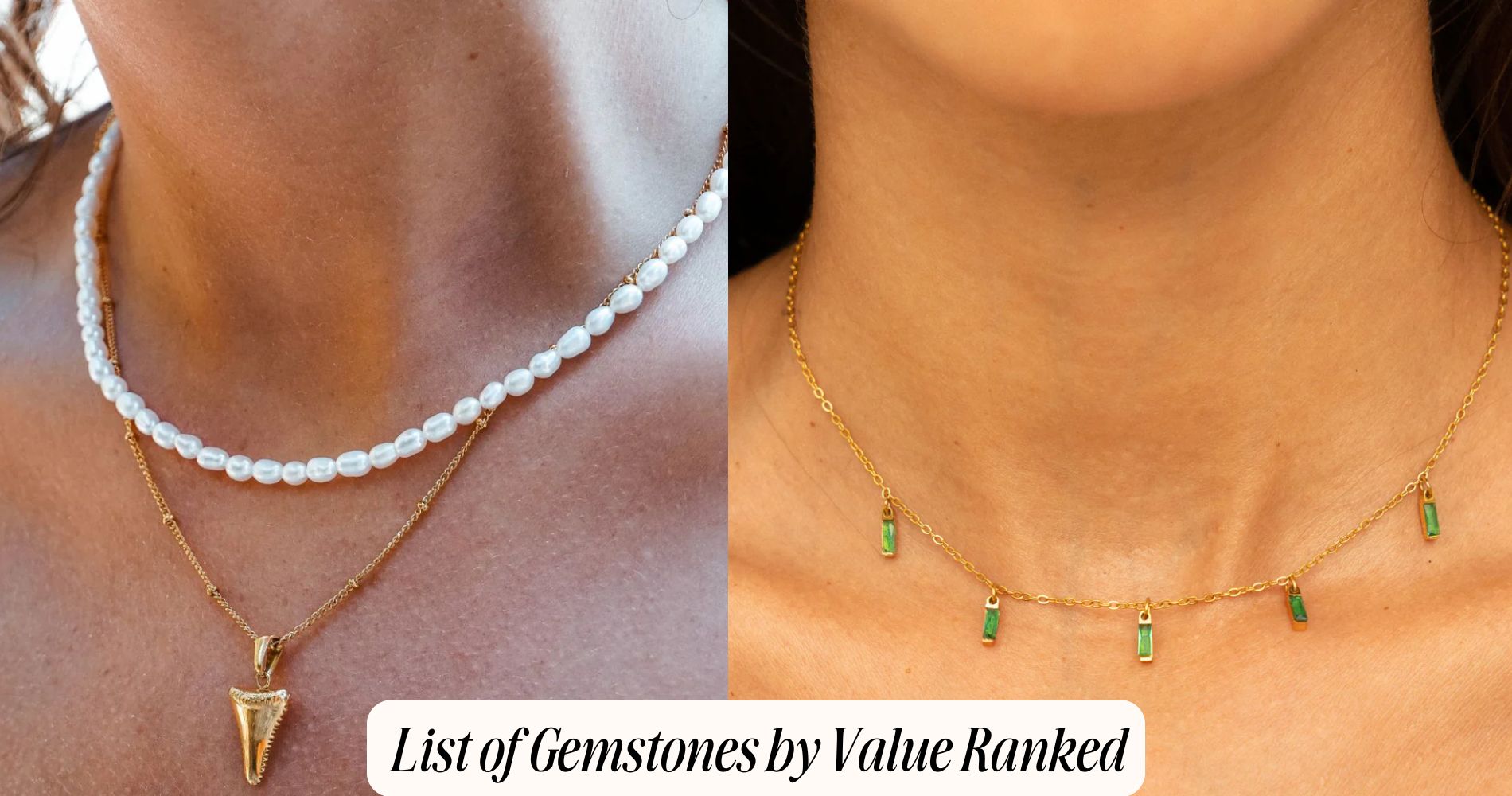
List of Gemstones by Value Ranked
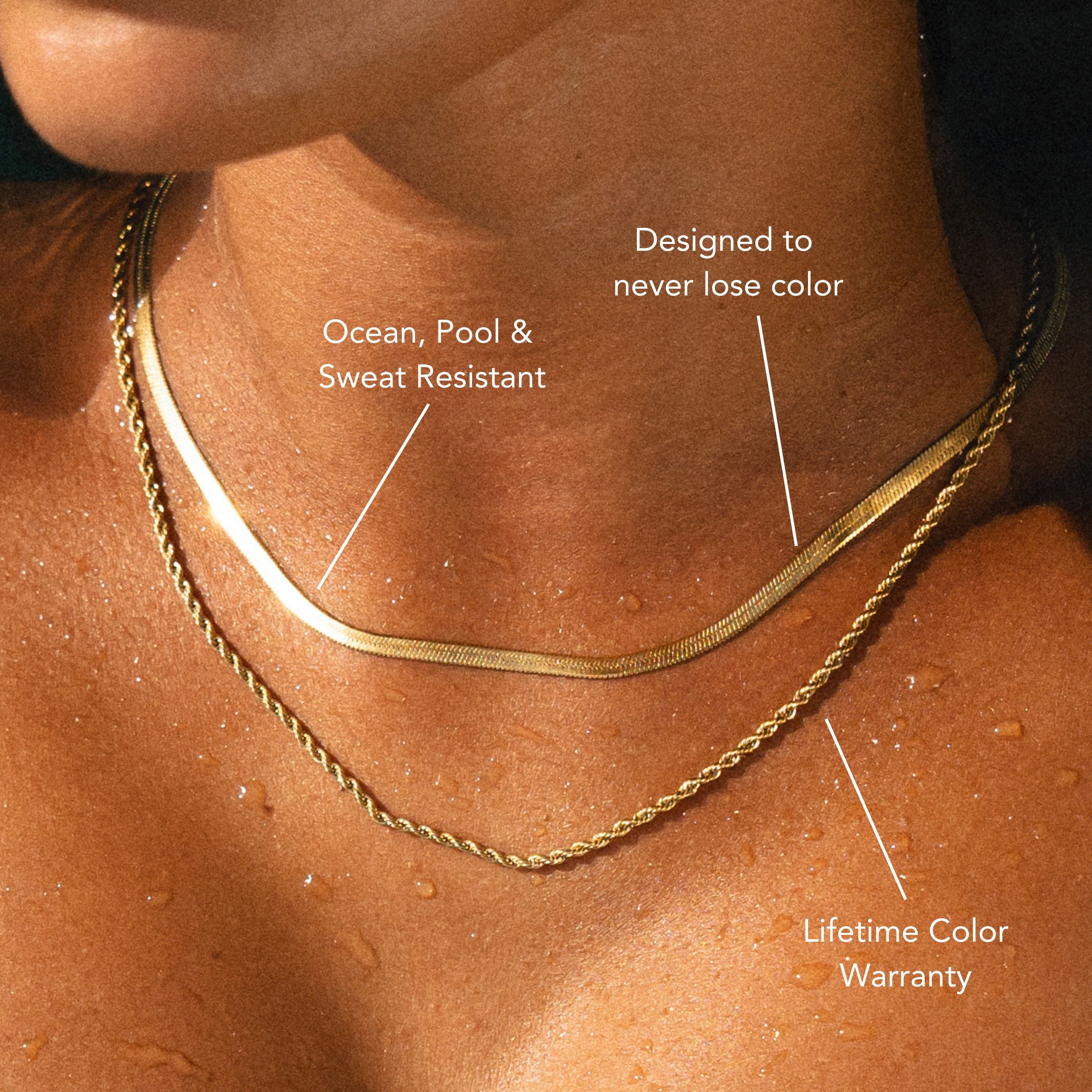
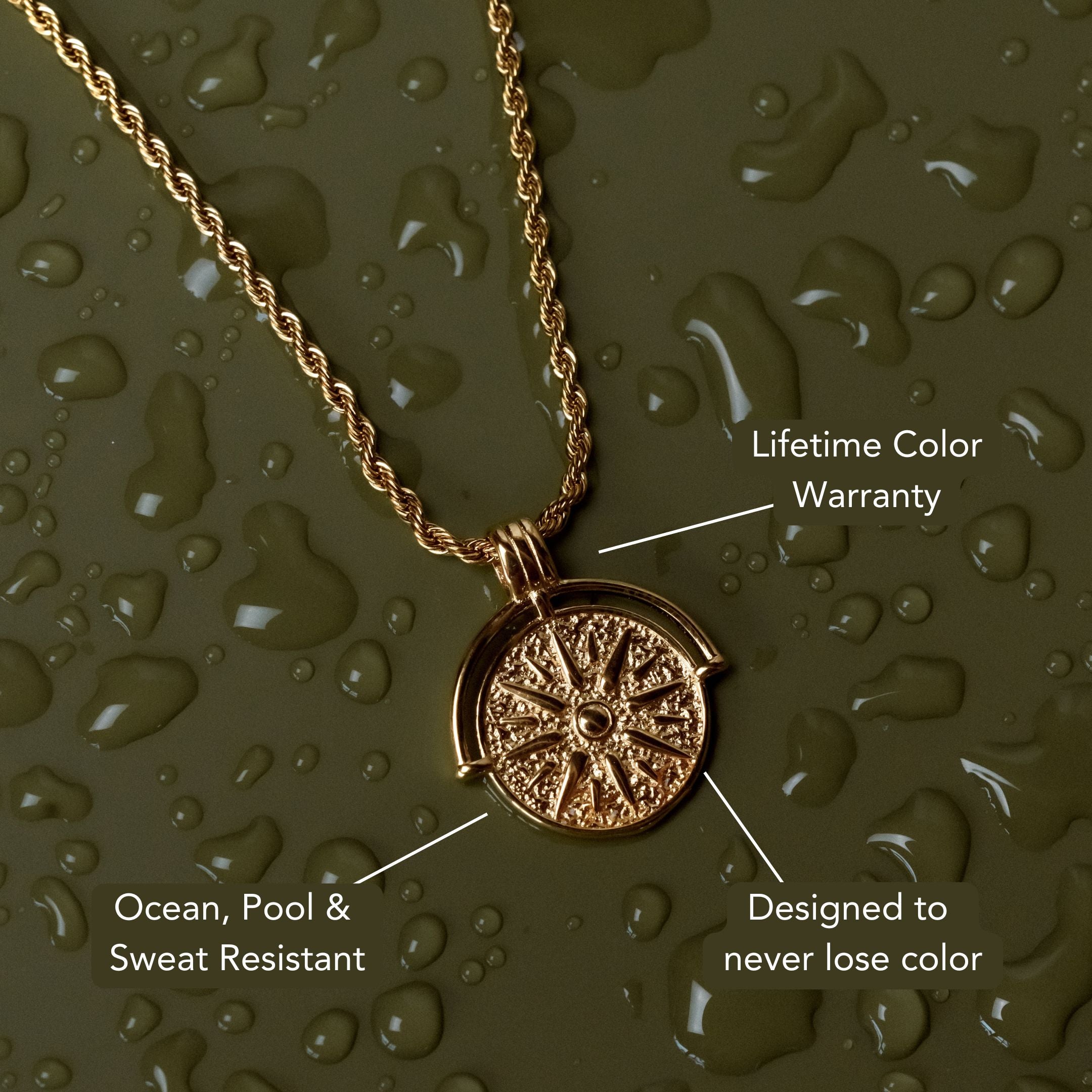
Here’s a market-anchored list of gemstones by value, ranked by typical peak pricing: natural Diamonds (Type IIa, top cut and clarity), Rubies (fine, unheated Mogok or Mozambique), Emeralds (saturated Colombian or Zambian with disclosed minor oil), Blue Sapphires (Kashmir, Burma, or Ceylon in vivid royal hues), Jadeite (imperial, semi-transparent), Alexandrite (strong color change), Paraíba Tourmaline (copper-bearing neon), and Natural Pearls (untreated, matched). Prioritize provenance, treatment status, and precision cutting, as value penalties apply for diffusion, glass filling, fluorescence issues, windowing, or gray masks. For everyday designs inspired by enduring gemstones, explore our Waterproof Jewelry collection—crafted for durability without compromising material integrity. Continue for deeper nuance on liquidity drivers and pricing gradients.
Diamonds
Hardness defines diamond’s market primacy: a 10 on the Mohs scale, extreme thermal conductivity, and optical dispersion that drives fire and brilliance.
You prioritize stones that balance carat weight, cut precision, color grade, and diamond clarity, because market price hinges on these interdependent variables. Ultra-clean interiors (IF–VVS) and high light return from ideal proportions command premiums, while fluorescence and strong tint depress bids.
You also evaluate diamond origins. Natural stones with verifiable provenance, especially large, type IIa crystals from historic deposits, achieve record valuations.
Lab-grown diamonds, chemically identical but abundant, trade at steep discounts due to supply scalability and resale dynamics. Certification (GIA, AGS) reduces information asymmetry, supporting liquidity.
For investment, target scarcity: exceptional clarity, rare color (D or fancy hues), superior cut, and documented origin.
Rubies
Scarcity defines ruby’s value: chromium-rich corundum with saturated red hue, high transparency, and minimal inclusions commands top bids.
You’ll prioritize pure red to slightly purplish red, strong fluorescence, and excellent cut symmetry to maximize brilliance.
Origin matters: documented Mogok or Mong Hsu (Myanmar) and Mozambique stones command premiums when color and clarity align.
You should verify treatment status. Heat is common and acceptable with disclosure; flux-healing and glass-filled material reduce value substantially.
Advanced ruby treatments can mask fissures, so demand reputable lab reports (GIA, AGL).
Calibrate expectations: fine, unheated rubies above one carat are rarer than comparable diamonds, with price per carat rising exponentially.
Consider ruby symbolism—vitality, protection, and status—which supports demand in high jewelry.
Prioritize durability (Mohs 9) and secure settings.

Emeralds
Emerald sets price by color first: a saturated, evenly distributed medium to medium-dark green with slight bluish modifier and high transparency commands premiums.
You’ll rank specimens by hue, tone, saturation, and clarity, then adjust for cut precision, carat weight, and treatment status. Untreated stones with fine crystallinity and minimal jardin are scarce and expensive.
Market recognizes emerald origins distinctly: Colombia (Muzo, Chivor) yields velvety, pure-green material; Zambia produces slightly cooler, cleaner crystals; Afghanistan, Ethiopia, and Brazil add competitive supply tiers.
Always confirm origin and treatment via spectroscopy and inclusion analysis; disclosure impacts liquidity.
You’ll weigh emerald symbolism—rebirth, insight, prosperity—because it drives luxury demand.
For investment, prioritize provenance, robust color under varied lighting, stable clarity enhancement, and well-executed mixed cuts that maximize brilliance and face-up size.

Blue Sapphires
Though corundum’s durability underpins utility, blue sapphire value hinges on color: a saturated, evenly distributed medium to medium-dark tone with minimal gray masks and strong daylight fluorescence neutrality commands premiums.
You’ll prioritize precise hue—pure royal to slightly violetish blue—while avoiding inky extinction. Crystal transparency and fine rutile “silk” that sharpens asterism or softens glare can enhance appearance if not clouding. Carat weight scales price exponentially above 3–5 ct.
Sapphire origins influence pricing: Kashmir (velvety), Burma/Myanmar (royal), and Sri Lanka (Ceylon, bright) lead; Madagascar and Tanzania produce competitive material.
Verify sapphire treatments rigorously. Standard heat is accepted; beryllium diffusion, fracture filling, and surface coatings depress value. Demand unheated stones with robust reports.
Precision cutting, symmetrical outlines, and minimal windowing secure market premiums.
Jadeite
Blue sapphire rewards strict color control; jadeite flips the script by tying top value to semi-translucent to near-transparent “imperial” material with pure, saturated chromium green and even color distribution.
You’ll prioritize translucency, minimal inclusions, and high refractive luster from fine polish. Chromophore chemistry matters: chromium yields imperial green; iron drives yellow-green; manganese can push lavender.
These jadeite color variations range from icy white to black; prices collapse when color is blotchy or opaque.
You should verify origin-agnostic quality with FTIR and Raman for polymer impregnation detection, and UV-Vis for chromophore confirmation.
Cut style stays cabochon or bangle to maximize body color and texture.
Market dynamics reflect jadeite cultural significance in Greater China, where auspicious carvings and heirloom bangles command premiums and drive auction records.
Alexandrite
Chameleon of the chrysoberyl family, alexandrite commands value through dramatic color change—ideally vivid bluish‑green in daylight to strong red or purplish‑red under incandescent light—with high saturation and a crisp shift.
You’ll assess market caliber by the degree of color change, tone balance, and clarity. Fine stones show near‑complete transformation with minimal gray masking and strong pleochroism.
Rarity factors drive price: natural origins (notably classic Ural material, then Sri Lanka and Hematita, Brazil), clean transparency, and calibrated sizes above one carat.
You should prioritize unmodified cuts that maximize brilliance without sacrificing weight, as over‑deep pavilions mute color. Fluorescence response is typically inert; any milkiness reduces value.
Demand peaks for untreated stones with lab reports confirming chrysoberyl identity, geographic indicators, and documented colorimetric data.
Paraíba Tourmaline
Neon is the signature: Paraíba tourmaline derives its electric cyan-to-green glow from high copper (Cu) and often manganese (Mn) content, producing intense absorption features and a uniquely vivid chroma.
You’ll identify it by strong Cu-related bands in the visible spectrum and unusually high refractive indices for tourmaline. Origin still matters: classic Paraíba (Paraíba state, Brazil) commands premiums, while comparable Cu-bearing material from Rio Grande do Norte, Mozambique, and Nigeria can approach similar prices when saturation rivals the Brazilian ideal.
You should prioritize saturated “swimming-pool” hues, high clarity, and precision cutting; these factors, plus carat weight, drive price nonlinearly.
Expect meaningful color variations from neon turquoise to mint green. Heat treatment is common and accepted when disclosed.
Market trends favor unheated, traceable stones, matched pairs, and calibrated suites, with auction records reinforcing scarcity-driven appreciation.
Natural Pearls
A grain of sand is a myth; natural pearls form when wild mollusks secrete concentric aragonite and conchiolin layers around an irritant, yielding a solid-nacre gem with complex luster and warm overtone.
You’re dealing with biologically precipitated calcium carbonate, not bead-nucleated material. In pearl formation, rarity is paramount: natural saltwater pearls from Pinctada species command apex prices, especially round, high-orient specimens with fine surface and matched pairs.
You should differentiate pearl types precisely: natural vs cultured, saltwater vs freshwater, blister vs whole.
For valuation, prioritize nacre thickness, orient, overtone, shape regularity, diameter, and skin cleanliness. Expect steep premiums for documented pre-1920 Gulf or Bahraini origin and for calibrated strands with consistent hue.
Demand reliable testing—X-radiography and micro-CT—to confirm natural structure and exclude cultured composites.

Frequently Asked Questions
How Do Gemstone Values Correlate With Historical Price Trends and Inflation?
You observe gemstone values track long-term scarcity and demand; they often outpace CPI. You assess the gemstone market’s cyclicality, supply shocks, and branding premiums. Inflation impact appears uneven; high-quality, certified stones hedge better than commercial-grade, fashion-driven categories.
What Certifications Best Verify Provenance and Ethical Sourcing for Gemstones?
You should prioritize gemstone certifications from RJC Chain-of-Custody, Fairmined/Fairtrade Gold (for set pieces), and SCS-007 Sustainability Rated Diamonds. For provenance, demand GIA/AGS reports with inscriptions, Origin Reports (GIA/Gübelin/SSEF), and blockchain traceability (Tracr, Everledger) ensuring ethical sourcing.
How Does Cutting Style Impact Long-Term Investment Appreciation Across Gemstones?
Cutting style directly affects long-term appreciation: optimized cutting techniques maximize brilliance, color saturation, and face-up spread, enhancing perceived rarity and liquidity. You prioritize symmetry, precision, and conservative weight retention to preserve investment potential; avoid windowing, overly deep pavilions, and trend-driven fancy cuts with thin markets.
Which Insurance Policies Adequately Cover Gemstone Collections Against Loss and Fraud?
You’ll want scheduled personal articles policies or valuable items riders. They provide insurance coverage for mysterious disappearance, theft, and fraud. Require gemstone appraisal, serial documentation, and security protocols. Verify worldwide coverage, agreed value settlement, subrogation limits, and fraud-detection clauses.
How Do Auction Results Influence Retail Pricing for Rare Gemstones?
Auction results set reference prices you monitor; they anchor valuations, recalibrate retail strategies, and signal scarcity. You track auction dynamics—hammer premiums, bidder depth, provenance effects—to adjust pricing, inventory mix, and marketing narratives, aligning retail margins with observed market risk and demand elasticity.
Conclusion
You’ve seen how market value aligns with rarity, clarity, color saturation, size, and provenance. When you evaluate diamonds, rubies, emeralds, blue sapphires, jadeite, alexandrite, Paraíba tourmaline, and natural pearls, you’re pricing scarcity and demand as much as beauty. Prioritize certification, origin reports, and transparent treatment disclosure. Track auction comparables and liquidity trends. If you’re allocating capital, diversify across species and qualities, favor top-color stones with excellent crystal, and don’t overpay for commercial-grade material.








,%20Rubies%20(fine,%20unheated%20Mogok%20or%20Mozambique),%20Emeralds%20(saturat...)
コメントを書く
このサイトはhCaptchaによって保護されており、hCaptchaプライバシーポリシーおよび利用規約が適用されます。