

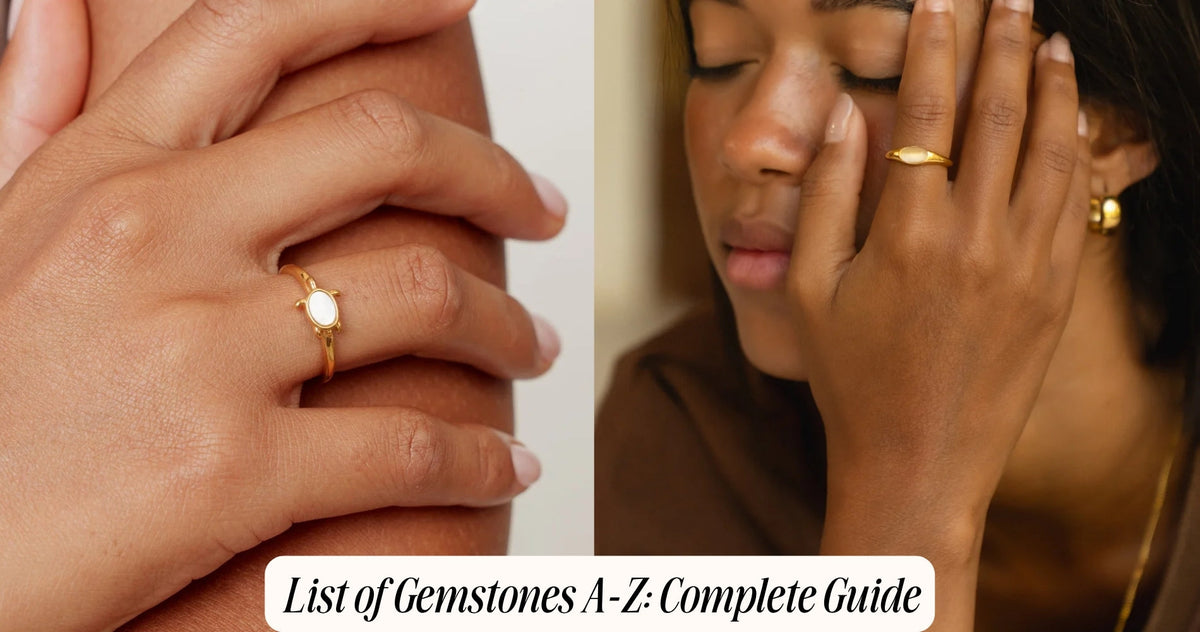
List of Gemstones A-Z: Complete Guide
With hundreds of gemstones found across the earth, each offering its own distinct color, formation process, and history, it can be genuinely helpful to have an organized reference point when exploring the world of natural stones. This list of gemstones A-Z covers many of the most well known and widely used stones in jewelry today, offering a quick, organized overview of what makes each one distinct.
Whether you are researching a specific stone, building out your knowledge before a jewelry purchase, or simply curious about the wide variety of gemstones available, this guide offers a helpful starting point. If you want to see many of these beautiful natural stones featured in finished jewelry, our Stone Collection offers a range of pieces worth exploring.
A
Agate is a banded variety of chalcedony, known for its distinctive layered patterns and wide range of natural colors, making each individual stone unique in appearance.
Amethyst is a purple variety of quartz, prized for its rich color and long standing symbolic association with calm and spiritual clarity. It also serves as the official birthstone for February.

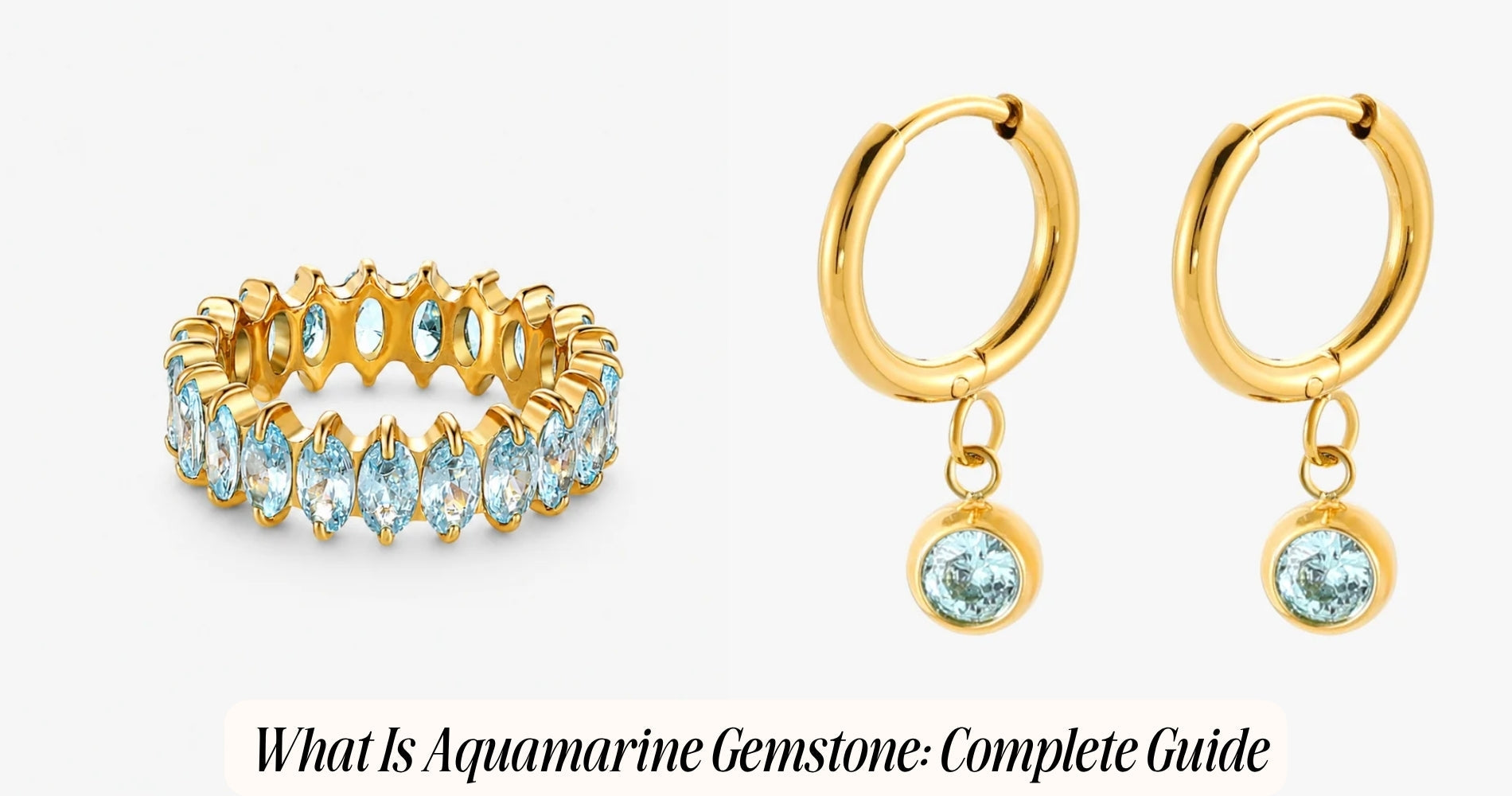
Aquamarine offers a pale, serene blue color reminiscent of ocean water, serving as one of two official birthstones for March.
Amber, technically fossilized tree resin rather than a mineral, offers a warm, golden color and has been used in jewelry for thousands of years.
B
Bloodstone is a deep green form of chalcedony featuring distinctive red flecks, historically associated with courage and protection. It serves as one of two official birthstones for March.
Blue topaz offers a range of blue tones and serves as an alternative birthstone option for December in certain traditions.
C
Citrine displays a warm, sunny yellow color, commonly associated with positivity and abundance, and serves as an alternative birthstone for November.
Carnelian offers a warm orange to red color, historically associated with motivation and confidence within various cultural traditions.
Chrysoprase is a green variety of chalcedony, valued for its soft, apple green coloring, distinct from other more common green gemstones like emerald or peridot.
D
Diamond, the hardest known natural material, remains one of the most prized gemstones worldwide, symbolizing strength and everlasting love. It serves as the official birthstone for April.
E
Emerald offers a vivid green color, historically associated with rebirth and renewal, serving as the official birthstone for May.

F
Fluorite occurs naturally in a wide range of colors, sometimes displaying multiple colors within a single stone, prized by collectors for its unique banding and color zoning.
G
Garnet is most commonly recognized in its deep red form, though it occurs in numerous other colors as well, serving as the official birthstone for January.
H
Hematite offers a distinctive dark, metallic gray appearance, often associated with grounding energy within various metaphysical traditions.
Howlite typically appears white with gray veining, frequently used as a base material for dyed imitation turquoise due to its similar natural texture.
I
Iolite offers a violet blue color and pronounced pleochroism, meaning it displays different colors depending on the viewing angle, making it a distinctive though less commonly used gemstone.
J
Jade encompasses two distinct minerals, jadeite and nephrite, both prized for their smooth, often green coloring and long historical significance within various Asian cultural traditions.
Jasper is an opaque variety of chalcedony, occurring in numerous colors and patterns, often featuring distinctive natural banding or spotting.
K
Kunzite offers a delicate pink to lilac color, discovered relatively recently in the early 20th century, prized for its soft, romantic coloring.
L
Lapis lazuli displays a deep, rich blue color, often featuring natural golden pyrite flecks, historically treasured across numerous ancient civilizations for thousands of years.
Labradorite is known for its striking play of color, called labradorescence, which produces flashes of blue, green, and gold depending on the viewing angle.
M
Moonstone offers a soft, glowing appearance, historically associated with intuition and new beginnings, serving as an alternative birthstone for June.

Malachite displays a distinctive banded green pattern, historically used both decoratively and, in earlier eras, ground into pigment.
Morganite offers a soft pink color, part of the beryl family alongside emerald and aquamarine.
N
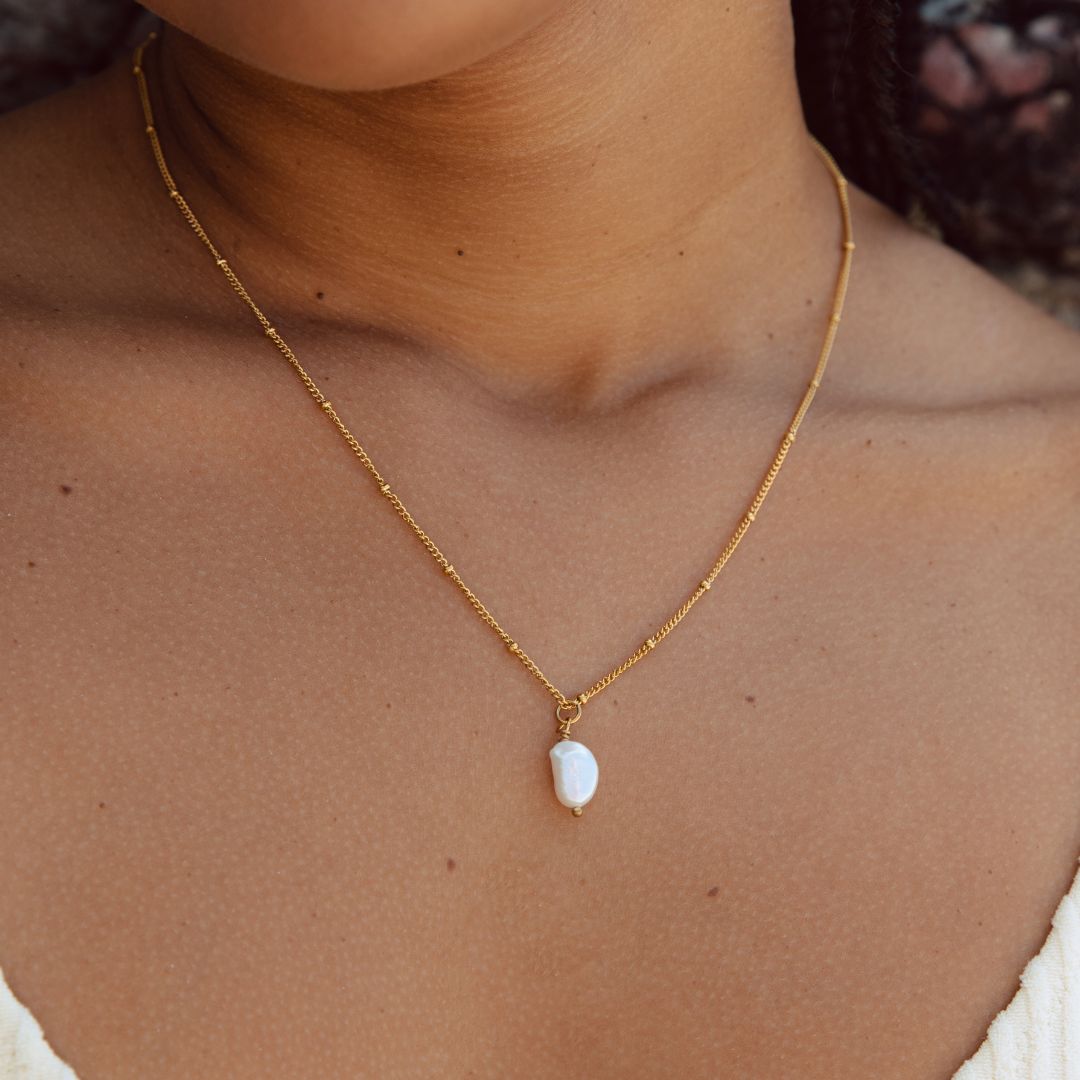
Natural pearl, though technically organic rather than mineral, remains classified alongside gemstones due to its long history in jewelry, offering a serene, iridescent appearance.
O
Onyx typically appears in its deep black form, symbolizing strength and grounding energy across various historical traditions.
Opal displays a unique play of color, shifting and shimmering depending on the angle and lighting, serving as the official birthstone for October.
Obsidian, a naturally occurring volcanic glass, offers a deep black color and has been used for both decorative and practical purposes throughout history.
P
Pearl, whether natural or cultured, offers a soft, iridescent appearance formed within mollusks, serving as one of three official birthstones for June.

Peridot offers a vibrant green color, serving as the primary official birthstone for August.
Prehnite displays a soft, pale green color, valued for its smooth, translucent appearance.
Q
Quartz, in its many varieties including amethyst, citrine, and clear quartz, represents one of the most abundant and widely used mineral families in jewelry.
R
Ruby displays a deep red color, historically associated with passion and vitality, serving as the official birthstone for July.
Rhodonite offers a pink to red color, often featuring natural black veining throughout the stone.
Rose quartz offers a soft pink color, widely recognized as a symbol of love and emotional healing.
S
Sapphire occurs in numerous colors, though blue remains most traditionally associated with the stone, serving as the official birthstone for September.
Sardonyx features alternating bands of reddish sard and white or cream colored onyx, serving as one of three official birthstones for August.
Spinel occurs in a wide range of colors, historically often mistaken for ruby, and has become an official birthstone for August alongside peridot and sardonyx.
Sunstone displays a warm, glittering appearance caused by small mineral inclusions that reflect light within the stone.
T
Tanzanite offers a striking blue violet color, discovered relatively recently in 1967 and found in only one location on earth, serving as one of three official birthstones for December.
Topaz occurs in numerous natural colors, with blue topaz frequently used as an alternative December birthstone.
Turquoise offers a distinctive blue green color, historically significant across numerous cultures, serving as one of three official birthstones for December.
Tiger's eye displays a golden brown, shimmering appearance, historically associated with confidence and focus.
U
Unakite combines green epidote and pink feldspar within a single stone, creating a distinctive mottled, speckled appearance.
V
Variscite offers a soft green color, sometimes resembling turquoise, valued for its smooth, translucent quality.
W
White topaz offers a clear, brilliant appearance, sometimes used as a more affordable alternative to diamond for those seeking a colorless gemstone option.
Y
Yellow sapphire offers a warm golden color, part of the broader sapphire family alongside the more commonly recognized blue variety.
Z
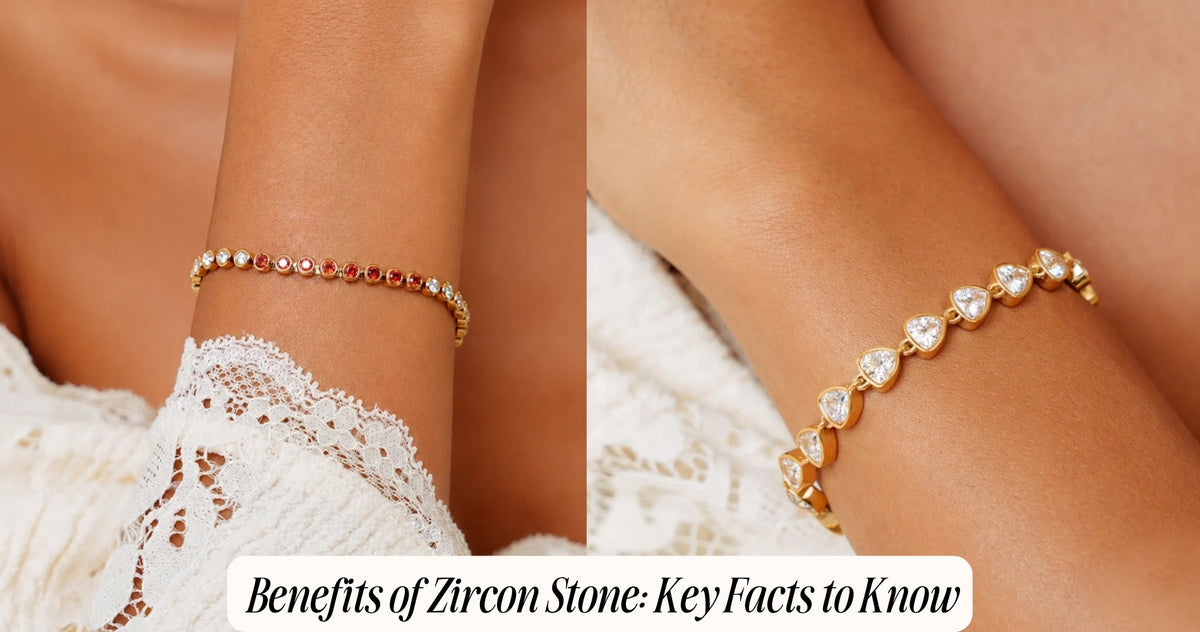
Zircon is a naturally occurring gemstone, entirely distinct from synthetic cubic zirconia, occurring in numerous colors and serving as one of three official birthstones for December.

Understanding Gemstone Categories
Beyond this alphabetical list, it helps to understand that gemstones generally fall into a few broader categories based on their mineral composition and formation process. Precious gemstones, traditionally including diamond, ruby, sapphire, and emerald, have historically been considered the most valuable category, though this distinction has become less rigid in modern gemology. Semi precious gemstones encompass a much broader range of stones, including many of those listed above, offering considerable variety in color, price, and availability.
How to Use This List When Shopping
When shopping for gemstone jewelry, having a general familiarity with this list of gemstones A-Z can help you make more informed decisions, whether you are looking for a specific birthstone, trying to identify a stone already in your collection, or simply exploring different color and style options for a new piece.
Understanding basic characteristics like typical color range, relative hardness, and general price point for different stones can help set realistic expectations and guide you toward gemstones that genuinely align with your personal style and practical needs.
Final Thoughts
This list of gemstones A-Z offers a helpful overview of the remarkable variety found within the natural gemstone world, from the deep red of garnet to the shimmering play of color found in opal. Whether you are drawn to classic, well known stones like diamond and sapphire or want to explore lesser known options like unakite or variscite, this diverse world of natural gemstones offers something for nearly every taste and preference.
Whatever stones catch your interest, understanding their basic characteristics and history adds a meaningful layer of appreciation to any gemstone jewelry you choose to add to your collection.
Frequently Asked Questions
1. What is the rarest gemstone on this list?
Tanzanite is among the rarest, since it is found in only one location on earth and the known deposits are limited.
2. Which gemstones are considered the traditional precious stones?
Diamond, ruby, sapphire, and emerald have historically been classified as precious gemstones, though this distinction is less rigid in modern gemology.
3. Are all gemstones on this list suitable for everyday jewelry?
Not all, since hardness varies significantly between stones. Softer gemstones like opal or pearl require more careful handling compared to harder stones like diamond or sapphire.
4. How can I find out which gemstone matches my birth month?
Checking an official birthstone list by month can help identify your specific birthstone, though several months offer multiple official options to choose from.









コメントを書く
このサイトはhCaptchaによって保護されており、hCaptchaプライバシーポリシーおよび利用規約が適用されます。