

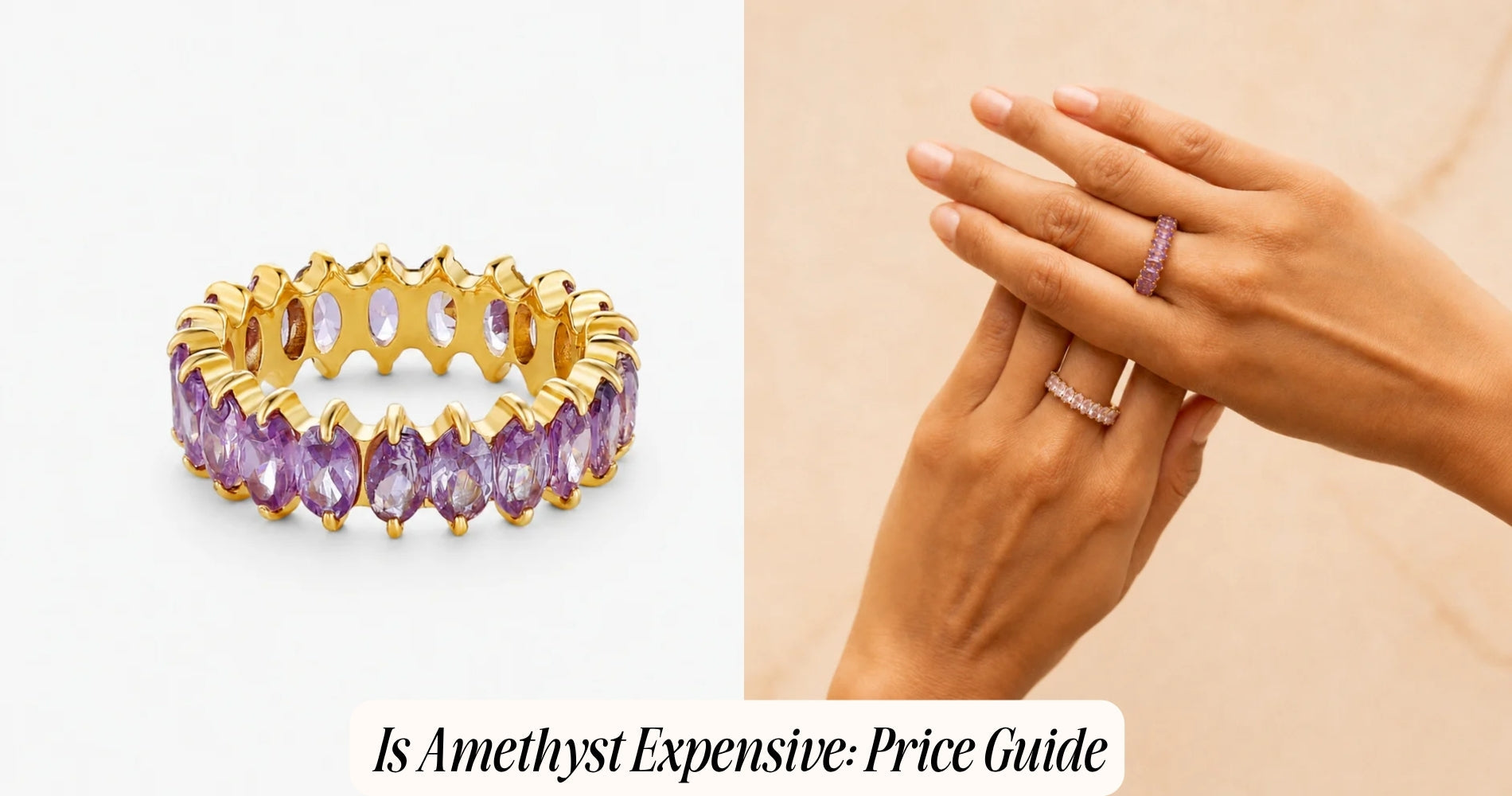
Is Amethyst Expensive: Price Guide
The short answer to is amethyst expensive is generally no, amethyst is one of the most accessible gemstones available, but that simple answer hides a real range worth understanding before you buy. A small, pale amethyst can cost a few dollars, while a large, deeply saturated stone with strong color can run into hundreds of dollars per carat. Stone Collection includes amethyst pieces that reflect this accessible end of the spectrum. This guide covers what drives amethyst pricing specifically, how it compares to other popular gemstones, what to expect at different price points, and how to evaluate whether a specific price is fair for what you are being offered.
Why Amethyst Is Generally Affordable
Amethyst's accessibility comes down to a straightforward supply and demand reality rather than any lack of beauty or quality in the stone itself.
Amethyst is a variety of quartz, one of the most abundant minerals in the earth's crust, and significant amethyst deposits exist across multiple continents, including large-scale production from Brazil, Uruguay, Zambia, and several other countries. This geological abundance is the single biggest factor keeping prices low relative to genuinely rare gemstones, since a stone that is difficult to find commands a scarcity premium that abundant amethyst simply does not carry.
This does not mean amethyst lacks value or quality variation. It means the baseline cost of the raw material is low, which keeps even well-cut, attractively colored amethyst jewelry within reach for most buyers, while still leaving room for genuine price variation based on the specific quality factors covered below.

What Actually Drives Amethyst Price
Color depth and saturation is the single most important factor in amethyst pricing. Pale, washed-out lavender stones sit at the low end of the price range. Medium purple stones with good clarity fall in the middle. Deeply saturated purple stones with a distinctive reddish-blue flash under direct light, sometimes called Siberian-quality color regardless of actual origin, command the highest prices within the amethyst category specifically.
Size affects price, though less dramatically than with rarer gemstones, since amethyst is available in large sizes without the scarcity that drives exponential price increases in stones like fine sapphire or ruby at larger carat weights. A larger amethyst still costs more than a smaller one of comparable quality, but the price increase per carat is much more gradual than it would be for a genuinely rare stone.
Clarity matters, though amethyst is generally a fairly clean-growing stone, meaning visible inclusions are less common than in some other gemstone varieties. Eye-clean amethyst, meaning no inclusions visible without magnification, is achievable at accessible price points, unlike gemstones where eye-clean material at any size carries a significant premium.

Cut quality affects both appearance and price. A well-cut amethyst reflects light evenly and shows its color to best effect, while a poorly cut stone can look dull or show an uneven color distribution called extinction, where part of the stone appears darker or lighter than the rest. Cut quality is a labor cost added to the raw material cost, so a precisely faceted amethyst costs somewhat more than a simply cut equivalent stone of the same raw quality.
Origin plays a role primarily through its association with typical color characteristics rather than through scarcity itself, since amethyst is not geographically restricted to a single source the way some gemstones are. Stones marketed with a specific origin known for strong color, certain African deposits in particular, sometimes carry a modest premium tied to that color reputation.
Amethyst Price by Quality Tier
| Quality Tier | Typical Price Range (per carat) | Description |
|---|---|---|
| Commercial grade | $1 to $5 | Pale to light purple, visible inclusions possible |
| Good grade | $5 to $15 | Medium purple, generally eye-clean, decent cut |
| Fine grade | $15 to $30 | Rich, saturated purple with good clarity and cut |
| Exceptional (Siberian-quality color) | $30 to $50+ | Deep, vivid purple with strong color flash, minimal inclusions |
These figures apply to the loose stone itself. A finished piece of jewelry, a ring, pendant, or earrings, adds the cost of the metal setting and labor on top of the stone's raw price, which is why a modestly priced amethyst can still result in a jewelry piece with a noticeably higher total price once metal and craftsmanship are factored in.
How Amethyst Compares to Other Gemstones
Amethyst sits firmly at the accessible end of the gemstone spectrum when compared to more widely recognized precious stones.
Diamond, sapphire, ruby, and emerald, the traditional precious gemstones, command significantly higher prices per carat than amethyst at comparable quality tiers, often by a factor of ten or more, driven by genuine geological scarcity that amethyst does not share. Even mid-range sapphire or ruby typically starts well above the price ceiling for exceptional-grade amethyst.
Among semi-precious quartz varieties specifically, amethyst is broadly comparable in price to citrine and smoky quartz, other colored quartz varieties that share amethyst's abundance and accessible pricing structure. Amethyst tends to sit slightly above rose quartz in typical faceted jewelry pricing, largely due to rose quartz's more limited use in transparent faceted cuts compared to amethyst's wide availability in that form.
Compared to other purple gemstones specifically, amethyst is considerably more affordable than tanzanite, a genuinely rare, single-source gemstone that also displays purple to blue-violet coloring but commands prices many times higher than even exceptional amethyst due to its geological scarcity.

What You Get at Different Price Points
At the lower end, a few dollars per carat typically buys a pale to light purple stone, which still displays amethyst's characteristic color and can look attractive in the right setting, particularly for larger, statement-style pieces where a lighter overall tone reads well.
In the middle range, moderate pricing typically buys a stone with solid medium purple color, decent clarity, and a reasonably well-executed cut, representing the most common quality level found in mainstream jewelry retail.
At the higher end within amethyst specifically, premium pricing buys a stone with genuinely striking, deeply saturated color and the reddish-blue flash associated with the finest amethyst material, alongside excellent clarity and precise cutting that maximizes the stone's light performance.
Even at this top tier, amethyst remains considerably more affordable than comparable quality tiers in precious gemstones, which is part of why it remains one of the most popular colored stones for jewelry across every price point rather than being reserved for either budget or luxury positioning exclusively.
Evaluating Whether a Specific Price Is Fair
A few practical checks help assess whether a specific amethyst piece is reasonably priced for what it offers.
Look at the color in natural or daylight-equivalent lighting rather than warm indoor lighting alone, since amethyst's true color and any flash are most visible under that kind of light, and a stone that looks impressively saturated under warm lighting may read as considerably paler outdoors.
Check for a window when looking straight down through the stone's table, a lighter, washed-out area at the center indicating a less precisely cut stone, which should correspond to a lower price than a stone with even, well-distributed color across its face.
Factor in the metal setting separately from the stone itself when evaluating a finished piece's total price, since solid gold or genuinely durable, well-constructed settings add legitimate cost on top of what is often a genuinely affordable stone, and a high total price on a piece with a modest-quality amethyst may reflect the setting and craftsmanship rather than the stone commanding a premium itself.

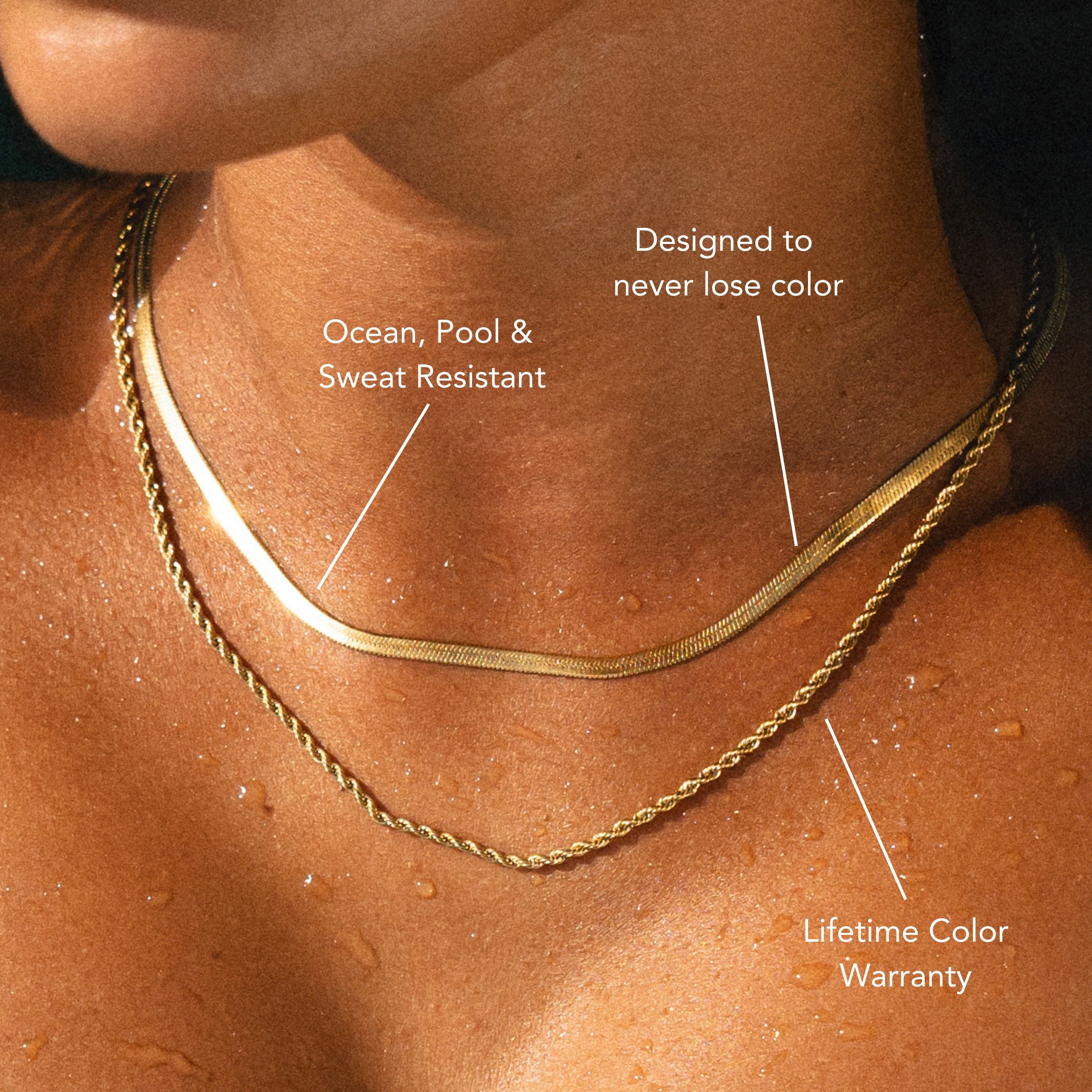
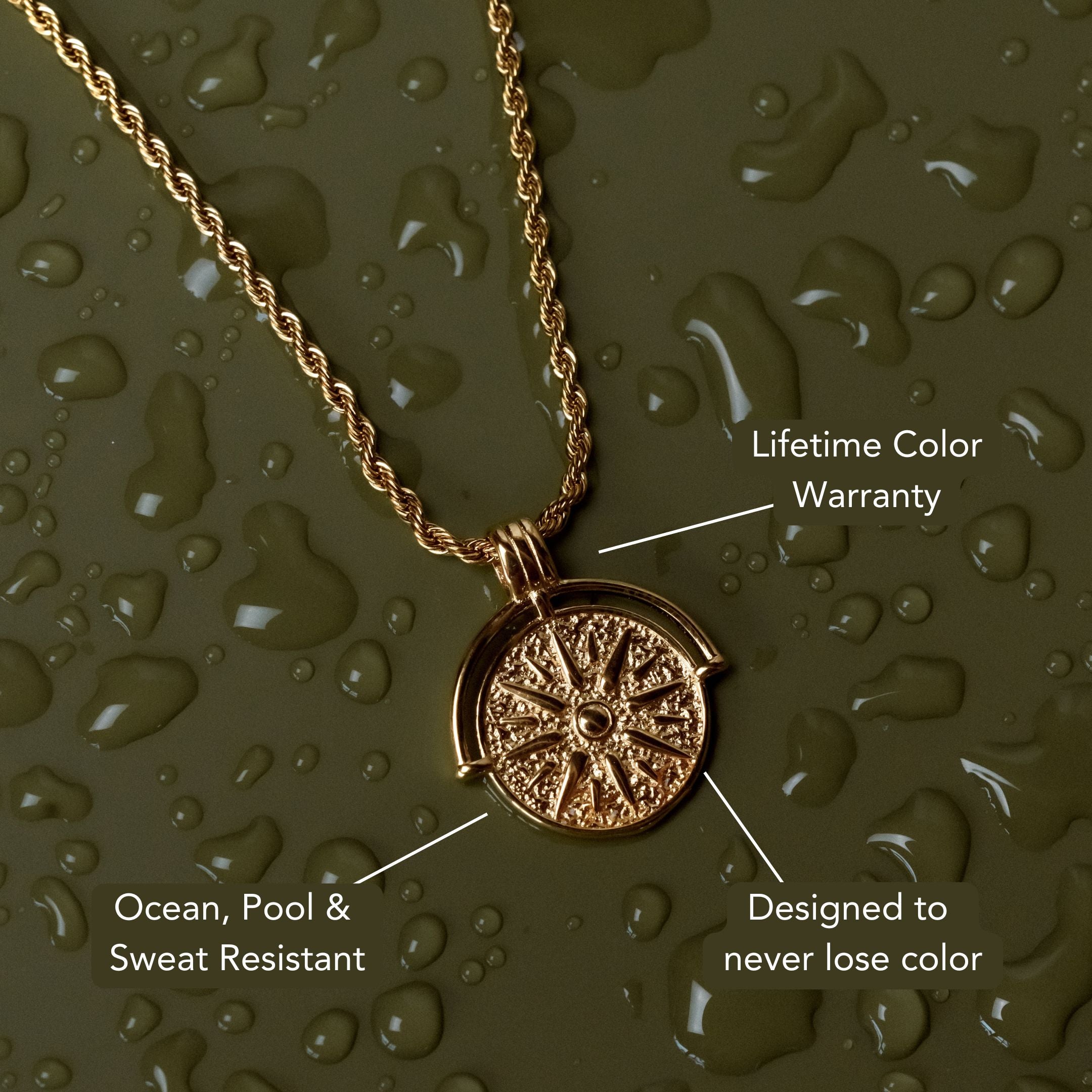
For everyday amethyst jewelry specifically, the setting material affects long-term value and appearance as much as the stone's initial quality. A setting in PVD-coated stainless steel holds its finish through daily wear, water exposure, and general use without tarnishing around the stone, keeping the overall piece looking consistent over years rather than developing a mismatch between a stable stone and a degrading setting. ATOLEA's stone collection pairs amethyst with that waterproof construction, backed by a lifetime color warranty on the metal elements of every piece.
Frequently Asked Questions
Is amethyst a cheap or expensive gemstone?
Amethyst is generally considered an affordable, accessible gemstone rather than an expensive one, due to its wide geological availability across multiple countries. Prices range from a few dollars per carat for pale, commercial-grade stones up to several dozen dollars per carat for exceptional, deeply saturated color, which remains well below the pricing of genuinely rare gemstones like sapphire or tanzanite.
What makes amethyst more expensive within its own category?
Color depth and saturation is the primary driver, with deeply saturated purple stones showing a distinctive reddish-blue flash commanding the highest prices within amethyst specifically. Clarity, cut quality, and size also affect price, though less dramatically than color does for this particular gemstone.
Is amethyst cheaper than tanzanite?
Yes, significantly. Tanzanite is a genuinely rare, single-source gemstone found only in one small region of Tanzania, which drives its price well above even exceptional-quality amethyst, despite both stones displaying similar purple to blue-violet coloring. Amethyst's wide geological availability across multiple countries is the key difference that keeps its pricing far more accessible.
Why is some amethyst jewelry expensive even though the stone is affordable?
The total price of a finished piece includes the metal setting and labor alongside the stone itself. Solid gold settings, intricate craftsmanship, and designer labor all add legitimate cost on top of what is often a genuinely inexpensive stone, which is why a piece can carry a meaningfully higher price than the raw amethyst alone would suggest.
Does amethyst hold its value over time?
Amethyst is not typically purchased as an investment asset the way rarer gemstones sometimes are, since its wide availability means it does not carry the scarcity-driven value appreciation that genuinely rare stones can experience. It is generally purchased and valued for its beauty and accessible price rather than for long-term value retention.
Understanding Amethyst Pricing Clearly
Is amethyst expensive comes down to a clear answer: generally no, thanks to its wide geological availability, though genuine price variation exists based on color depth, clarity, cut, and size. A pale commercial stone and a deeply saturated exceptional one can differ significantly in price while both remaining well within reach compared to rarer precious gemstones. Understanding these specific quality factors, rather than assuming all amethyst is priced the same, gives you a clear framework for evaluating any specific piece and recognizing when a price genuinely reflects the stone's quality.









コメントを書く
このサイトはhCaptchaによって保護されており、hCaptchaプライバシーポリシーおよび利用規約が適用されます。