

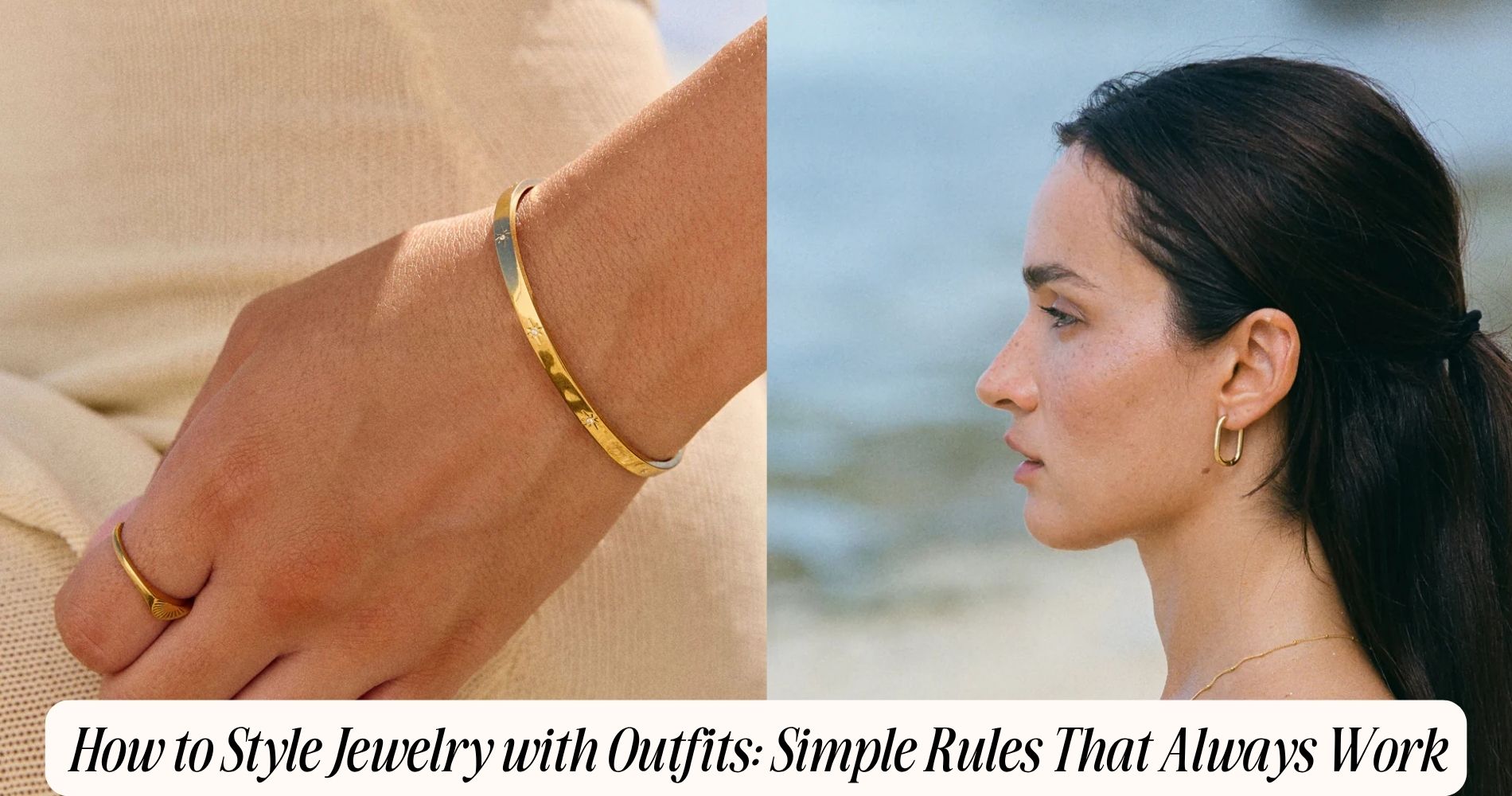
How to Style Jewelry with Outfits: Simple Rules That Always Work
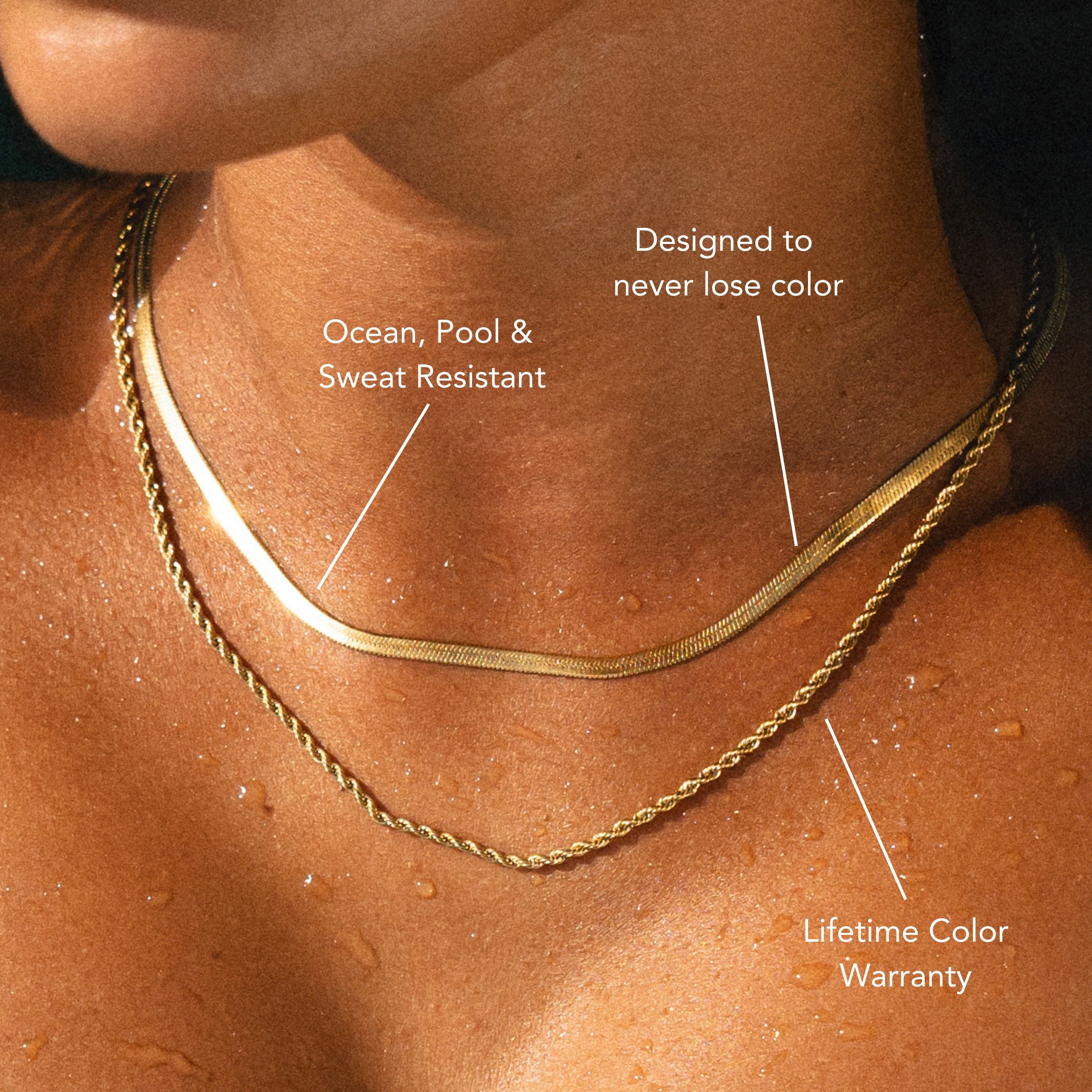
How to style jewelry with outfits? Pick one standout piece and keep the rest minimal so your look feels intentional. Match jewelry scale to your outfit—delicate chains for fitted silhouettes, bold cuffs and hoops for oversized shapes. Coordinate metal tones with your wardrobe mood, such as warm golds for earthy palettes or cool silver for monochrome looks, and balance textures so nothing competes. Consider neckline and sleeve width when selecting necklaces or bracelets. Versatile pieces like those in the Everyday Gold Jewelry collection can make styling easier while keeping your look polished and cohesive.
Quick Rules to Pick Jewelry That Elevates Any Outfit
When you pick jewelry with intention, even a simple outfit looks polished and modern. You’ll start by choosing one focal piece—statement necklaces or bold earrings—and keep the rest minimal so your look reads cohesive, not cluttered.
Match metal tones to your wardrobe’s mood: warm gold warms earthy hues, cool silver sharpens monochrome. Balance textures—smooth chains with textured fabrics, or a chunky cuff against a silk blouse—to create deliberate contrast.
Anchor your choices to the occasion: daywear calls for refined, wearable pieces; evening invites more daring silhouettes. Edit ruthlessly: if a piece competes, remove it.
These quick rules help you elevate outfits consistently, projecting confidence while staying sharply on-trend.

Match Jewelry Scale to Outfit Proportions
Because proportion dictates presence, match your jewelry's scale to the lines and volume of your outfit so nothing looks out of place. You’ll create scale harmony by choosing pieces that echo garment proportions: delicate chains and small studs for slim silhouettes, bold cuffs and statement hoops for oversized coats or wide-leg trousers.
Consider neckline, sleeve width, and pattern density—fine necklaces vanish against high collars; chunky pieces ground minimalist shapes. Keep outfit balance in mind: if your clothes carry visual weight, respond with comparable jewelry to avoid feeling top- or bottom-heavy.
Mix metals sparingly and maintain consistent proportions across pieces—don’t pair dainty rings with an oversized necklace. These straightforward choices guarantee your jewelry reads intentional, modern, and impeccably balanced.
Let One Jewelry Piece Lead the Look
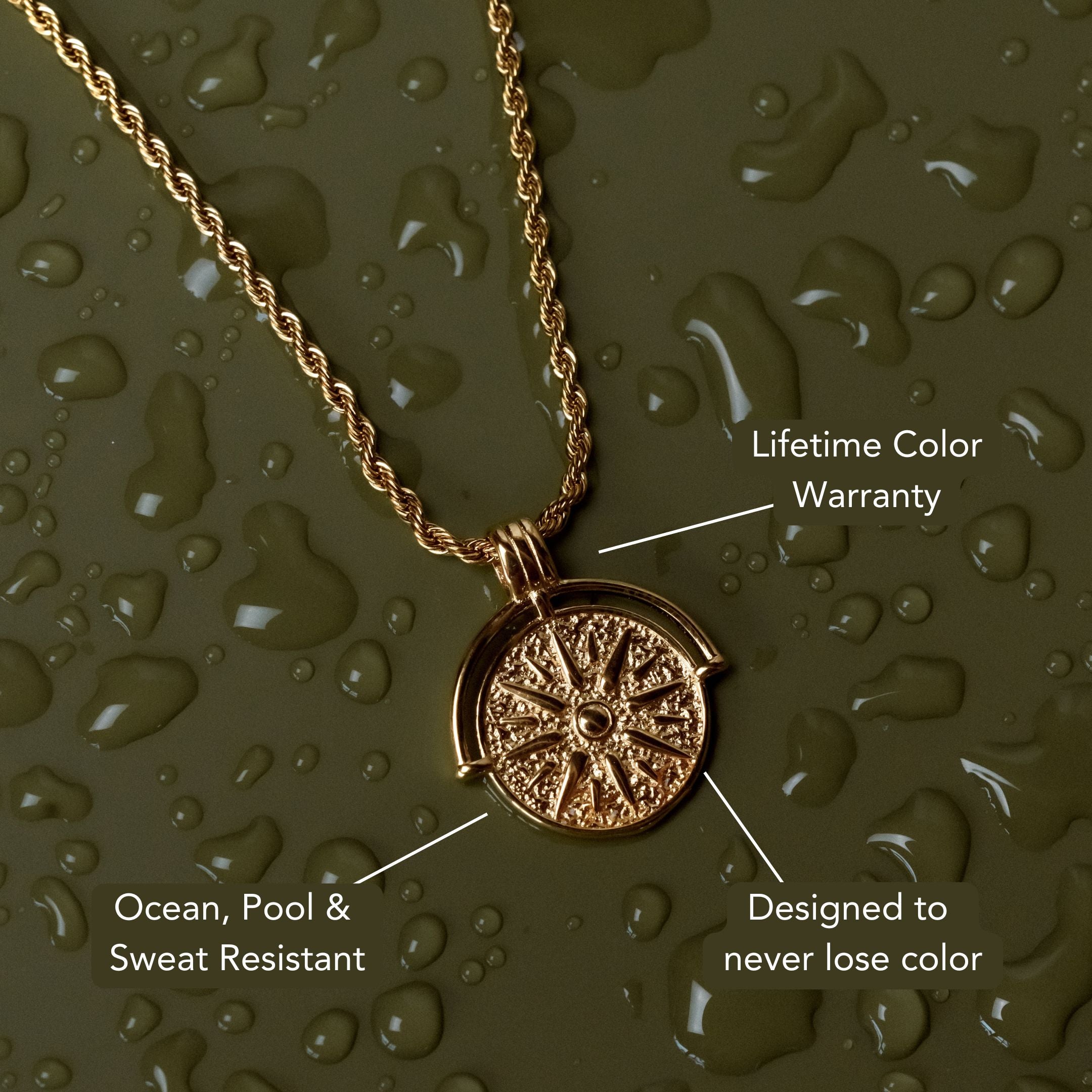
Pick one standout piece and let everything else play backup; it keeps your look focused and effortlessly curated. Choose a single statement piece—an oversized pendant, sculptural cuff, or chandelier earrings—and make them the visual anchor.
Then simplify other jewelry: slim rings, delicate studs, or nothing at all. That restraint highlights craftsmanship and prevents competition.
Use bold contrasts to amplify impact: pair a sleek black outfit with a gleaming gold necklace or a soft pastel dress with a chunky oxidized bracelet.
Balance proportion and color so the lead piece reads intentional, not accidental. This approach feels modern and chic, perfect for both day and evening.
You’ll look polished with minimal effort, because confidence comes from clarity, not clutter.

When to Keep Jewelry Minimal : and When to Layer
Letting one piece lead is smart, but you also need a sense of restraint versus abundance. You choose minimalist elegance for clean lines, architectural outfits, or when you want jewelry to quietly elevate—think a single pendant, slim hoop, or a delicate bracelet.
Go minimalist when fabrics, patterns, or silhouettes already command attention, or when the occasion calls for polished understatement.
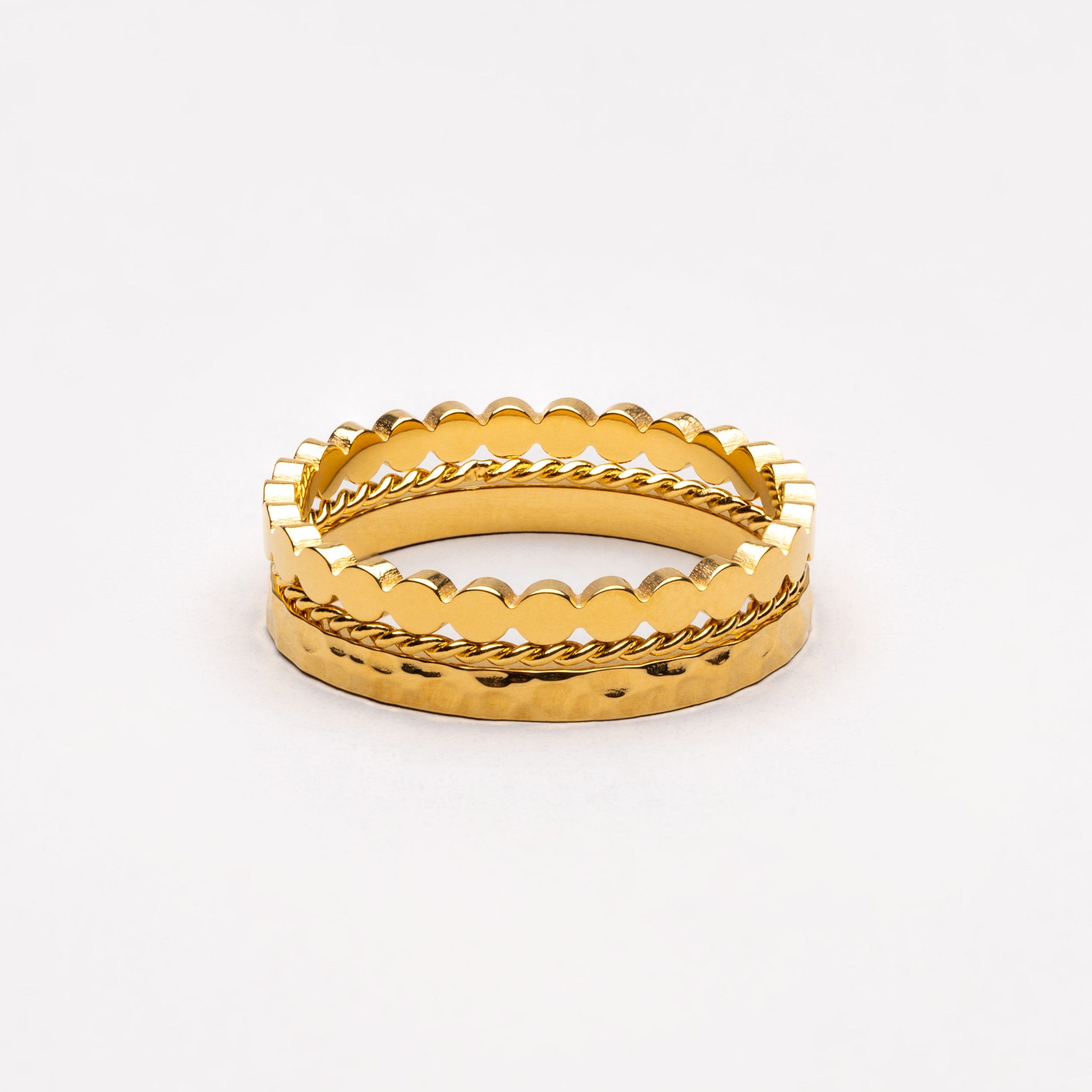
Layered boldness works when your look is simple, monochrome, or meant to feel expressive: stack chains of varying lengths, mix textures, and add statement rings for impact.
Balance proportion and avoid overcrowding one area; if you layer necklaces, keep earrings subtle. Trust the outfit’s rhythm—match jewelry density to visual weight so your accessories amplify rather than compete.
Create a Cohesive Metal-and-Gem Color Story
When you build a clear metal-and-gem color story, your accessories start to feel intentional rather than thrown together.
You’ll prioritize gem harmony—choosing stones whose hues reinforce your outfit moods—and use metal balance to anchor looks: warm golds for autumnal palettes, cool silver for minimalist, rose for romantic.
Aim for deliberate color contrast when you want a focal point; pick complementary gemstones to pop against fabric.
Consider texture pairing sparingly so shine and matte surfaces play off each other without competing.
Use gemstone meanings to add narrative—sapphire for confidence, emerald for renewal—matching jewelry to seasonal trends and the occasion.
This approach guarantees style cohesion, making every piece feel like it belongs.

Mix Metals and Textures Without Clashing
Although mixing metals used to feel risky, you can make it look polished by treating metal as another element of your outfit’s palette. You’ll create metal harmony by choosing a dominant tone and echoing it in small doses—use gold as the anchor, then add silver or rose for subtle contrasts.
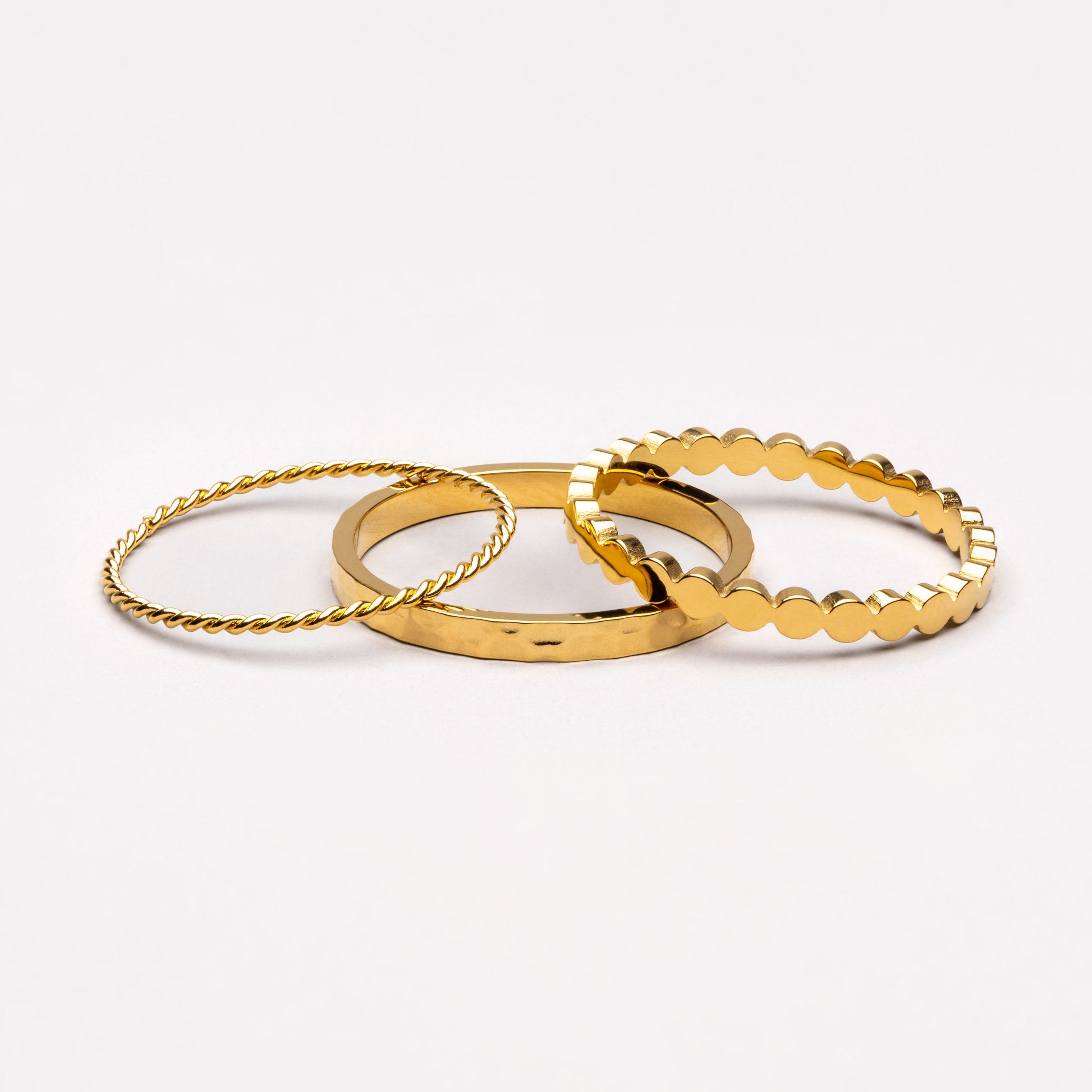
Prioritize texture balance: pair polished chains with matte cuffs or hammered rings to avoid visual competition. Use layering techniques sparingly so pieces don’t fight; let one statement piece lead while others support.
Consider color coordination with fabrics and your personal style so metals feel intentional, not random. Finally, weigh occasion appropriateness—dress up mixed metals for evenings, keep them refined for work—and you’ll always look curated.
Choose Jewelry for Neckline and Sleeve Styles
How do you match jewelry to neckline and sleeve styles so each piece feels intentional? Start by reading neckline shapes: crew and boat call for short chains or statement studs; V and sweetheart need pendants that follow the plunge. Off-shoulder and strapless demand bold collars or layered chokers to define the open décolletage.
Consider sleeve styles next: sleeveless and short sleeves let bracelets and bangles shine; long or embellished sleeves benefit from minimal rings or a single cuff to avoid crowding.
Aim for jewelry balance—one focal area at a time. If your neckline is ornate, keep arm and ear pieces understated. For simple silhouettes, introduce a standout necklace or stacked bracelets. This approach creates immediate style harmony and polished outfits every time.
Jewelry Choices for Work, Casual, and Evening
Because context defines what’s appropriate, choose jewelry that supports your role and the event: at work, favor polished, low-profile pieces—think fine studs, a slim pendant, or a thin watch—that read professional and won’t distract; for casual days, mix simple chains, lightweight hoops, or a few stackable rings to show personality without fuss; and for evening, switch to bolder statements—chunky cuffs, layered necklaces, or dramatic drop earrings—to elevate the look and catch the light.
You’ll want versatile options that move between work attire and casual chic: a refined bracelet and neutral-tone stones adapt easily.
Use color coordination and texture play to refresh basics—matte metals, mixed metals, or a pop of colored gemstone.
Stay current by sampling subtle jewelry trends without compromising polish or purpose.
Fast Fixes for Common Jewelry Mistakes
When a clasp snaps, metals tarnish, or your layers tangle at the last minute, you want quick, reliable fixes that keep your look intact—so learn a few smart tricks you can do in seconds.
If a clasp fails, use a paperclip or earring hook as a temporary connector; secure with clear nail polish.
For tarnish, rub a baking soda paste gently or polish with a microfiber cloth to restore shine.
Untangle chains by spraying a bit of baby oil, then separate links with two needles.
Avoid over accessorizing pitfalls by removing one piece—less often reads as more.
Use color coordination tips: swap a neutral piece when metals clash, or match a single accent color to your outfit.
Carry a small kit for emergencies.

Frequently Asked Questions
How Do I Care for Vintage or Delicate Jewelry Pieces?
You should clean sparingly: use gentle vintage cleaning solutions, soft brushes, and lukewarm water; avoid harsh chemicals. Store pieces separately, practice delicate handling during wear, and get professional inspections for repairs and restringing.
Can I Wear Sentimental Pieces That Don’T Match My Outfit?
Yes — you can wear sentimental pieces that don’t match your outfit; sentimental value often trumps strict outfit coordination, so layer thoughtfully, let one piece be focal, and balance proportions to keep the look intentional and stylish.
How Often Should I Have Jewelry Professionally Cleaned or Inspected?
You should get professional cleaning frequency of important pieces every 6–12 months; do jewelry maintenance tips like inspections and light cleanings yourself monthly, and more often for daily-worn or sentimental items to prevent damage.
What Jewelry Should I Avoid While Traveling or at the Beach?
Avoid valuable, heavy, or intricate pieces—don’t wear heirlooms, gold chains, or gemstone rings at the beach. Choose travel friendly options and beach safe materials like stainless steel, titanium, or silicone instead to prevent loss, tarnish, or damage.
How Do I Store Mixed-Metal and Gemstone Pieces to Prevent Damage?
Store mixed-metal and gemstone pieces separately in soft pouches or compartmentalized trays; use anti-tarnish strips and silica packets. Prioritize metal compatibility by grouping like metals to avoid reactions, and clean before storing to prevent damage.
Conclusion
You’ve got the rules; now trust them. Match jewelry scale to your outfit, let one piece lead, and decide when to keep things minimal or layer up. Build a cohesive metal-and-gem story, mix textures carefully, and pick pieces that flatter your neckline and sleeves. Adjust for work, casual, or evening and use quick fixes to correct common mistakes. Follow these simple, fail-safe habits and your jewelry will always elevate your look.










コメントを書く
このサイトはhCaptchaによって保護されており、hCaptchaプライバシーポリシーおよび利用規約が適用されます。