

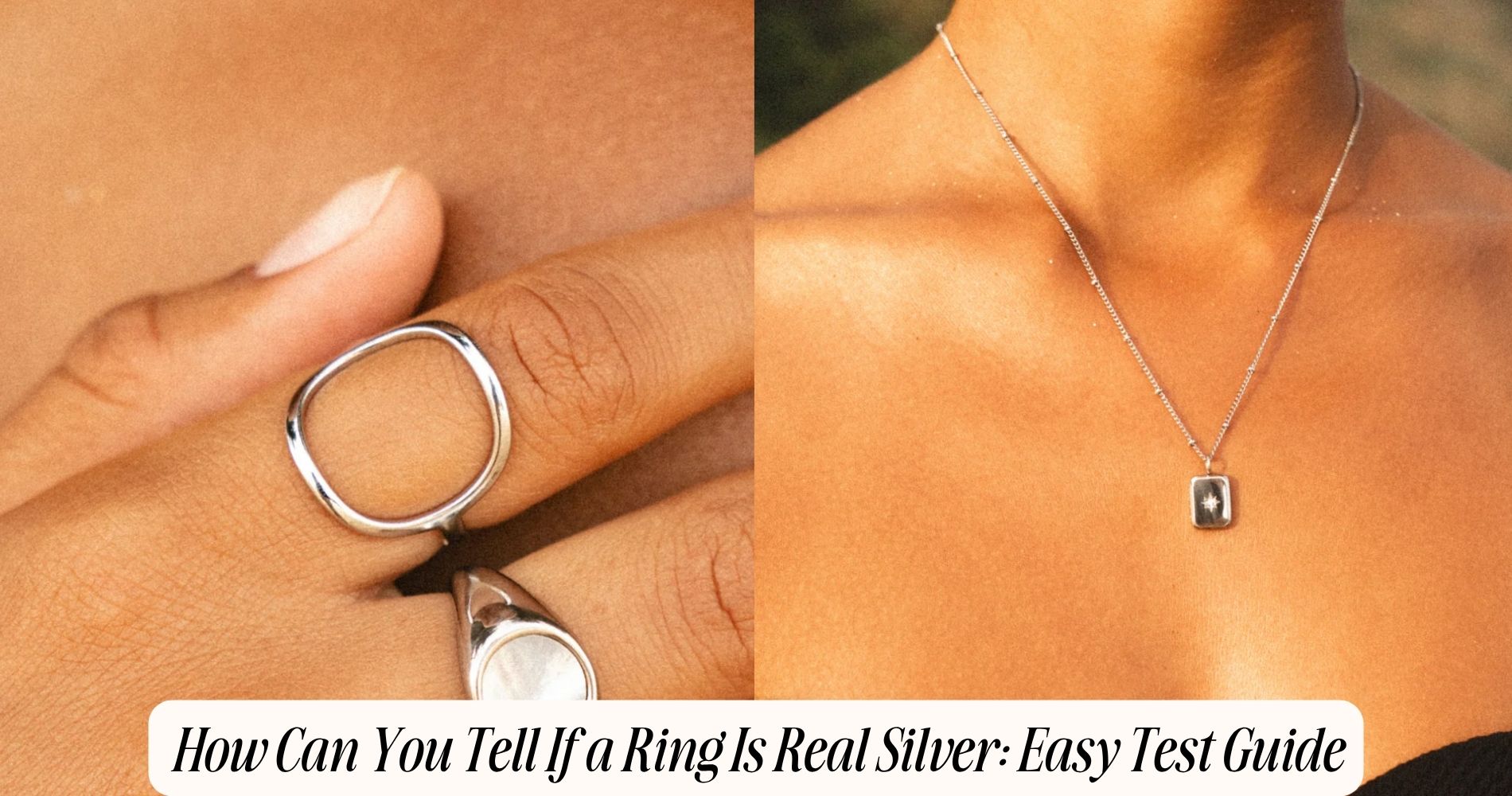
How Can You Tell If a Ring Is Real Silver: Easy Test Guide
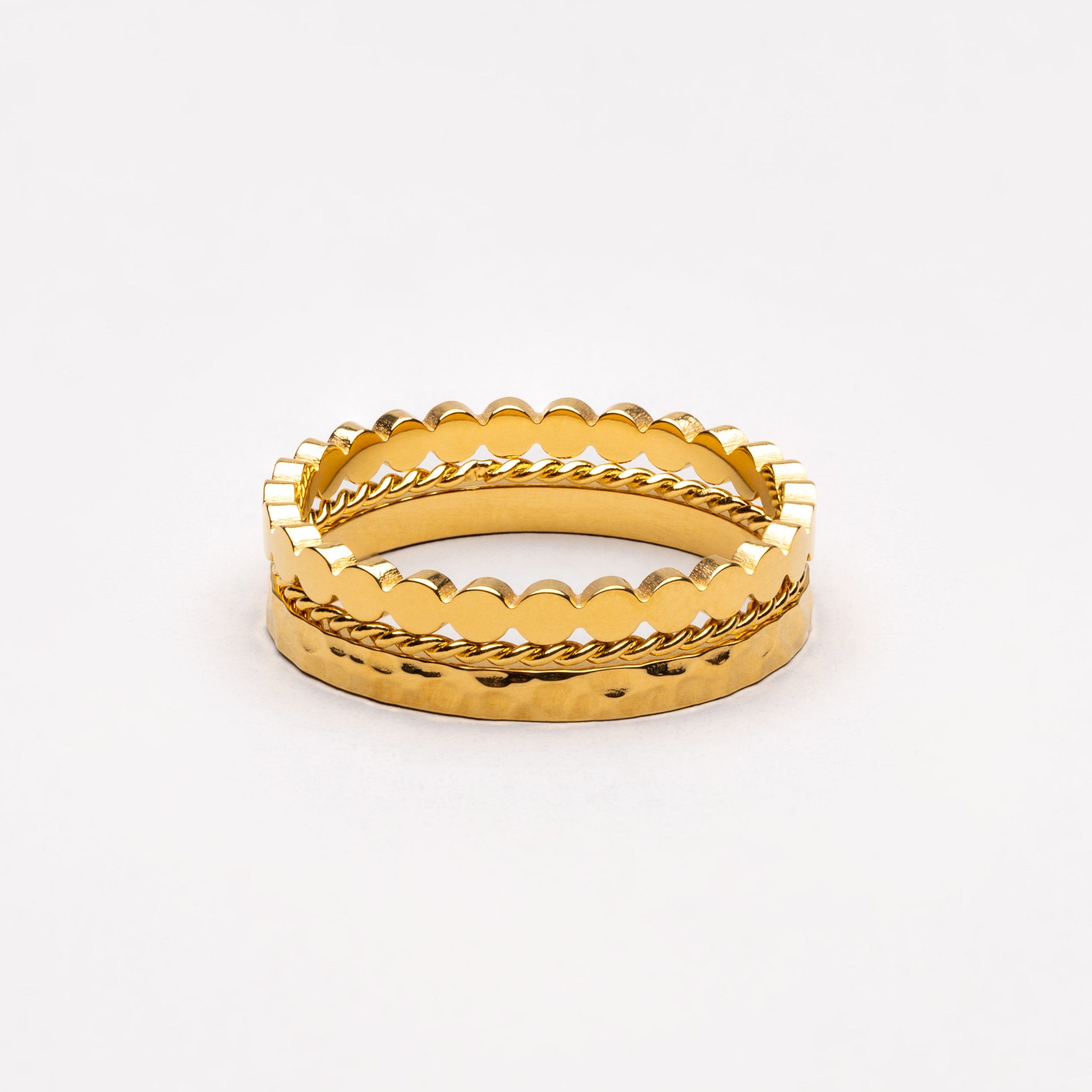
How can you tell if a ring is real silver? You can quickly check by looking for hallmarks like “925” or “STERLING” inside the band, inspecting edges for signs of plating wear, and using a magnet—real silver isn’t magnetic. You can also compare weight to a known piece or try a quick cold-touch test, as silver conducts temperature rapidly. For everyday wear, durable options like those in the Silver Waterproof Jewelry collection can offer both reliability and style while maintaining their appearance longer.
Quick Check: Tell If a Ring Is Real Silver in 30 Seconds
Want a fast way to know if a ring is real silver? Start with a focused visual inspection: look for consistent color, fine tarnish (soft gray-black), and lack of plating wear at edges or inside the band.
Check seams and settings for solder marks that suggest base metals.
Next, perform a quick weight comparison: hold the suspect ring against a similarly sized known metal ring—sterling silver feels moderately dense, heavier than aluminum or brass of similar size but lighter than solid gold.
Balance tactile cues with sound: a clear, short ring when tapped suggests denser metal.
If visual inspection and weight comparison align with silver characteristics, you’ve likely got real silver; if not, proceed to more definitive tests.

Read Silver Hallmarks: What Stamps Mean and Where to Look
Start by locating tiny stamped marks on the inner band, under settings, or near the clasp—those hallmarks tell you the metal type, purity, and sometimes origin.
You’ll see numeric stamps like 925, 900, or 800 indicating silver content in parts per thousand; 925 means sterling silver. Look for word marks such as “STERLING” or country marks and assay office symbols that convey hallmark meanings tied to regulation.
Use a loupe and clean the area; scratches or plating can hide marks.
Identification locations vary: inner shank, underside of bezels, or clasp plates on chains.
Record and compare marks to a trusted hallmark reference to confirm authenticity.
If marks are absent or unclear, proceed with further verification.
If No Hallmarks: Magnet and Heft Tests for Silver
When a ring lacks hallmarks, run two quick, noninvasive checks you can do at home: a magnet test to screen for ferrous or magnetic plating, and a heft test to gauge the metal’s density.
For the magnet test, use a small, strong magnet and note any attraction; genuine silver isn't magnetic, so significant pull indicates ferrous content or heavy plating. Document magnet strength relative to a control item (stainless steel or known silver piece).
For the heft test, hold the ring and compare its perceived mass to another ring of similar size and known silver—this weight comparison helps reveal lighter base metals or heavier unexpected alloys.
Both tests are screening tools; they don’t conclusively prove silver but narrow likely results.
Ice and Water Test for Silver: Cold and Conductivity Explained
If the magnet and heft checks leave you unsure, simple temperature and conductivity experiments can give further clues about silver’s authenticity.
Place a clean ring on your skin or a metal surface and touch it with an ice cube: real silver has high ice conductivity and will feel colder immediately because it transfers heat quickly.
Observe how long the ring holds the chill; genuine silver warms faster to ambient temperature once removed due to high thermal conductivity.
For a water reaction check, place the ring on still water: pure silver has neutral surface tension and won’t noticeably repel or attract water droplets.
Tarnish or coatings can alter both ice conductivity and water reaction, so use this test alongside visual inspection and hallmark checks to reach a reliable conclusion.
Safely Test With Vinegar or Lemon (Mild-Acid Method)
You can safely test a ring with household mild acids like white vinegar or lemon juice to spot non-silver metals and surface contaminants without harsh chemicals.
Remove dirt, dry the ring, then apply a drop of vinegar or lemon juice to an inconspicuous spot. Wait 30–60 seconds, then rinse and dry.
Watch for any vinegar reaction such as persistent discoloration, green or brown staining, or a sour metallic smell—indicators of copper, brass, or plated base metals.
Genuine sterling (92.5% silver) rarely reacts visibly with mild acids; small surface tarnish may darken temporarily but rinses away.
Use this as a quick, noninvasive screening alongside hallmark checks and magnet tests.
If you see concerning corrosion or coating lift, stop further DIY testing.
When to Stop DIY: Safety, Damage Risk, and When to Get a Professional Assay
Although simple home checks can catch many fakes, know your limits and stop before tests risk injury or damage to the piece. You should pause if a procedure requires harsh chemicals, heat, scraping, or electrical probes that could harm the ring or hurt you.
Follow basic safety precautions—gloves, ventilation, stable work surface—and avoid methods beyond gentle acid or magnet checks.
Recognize testing limitations: home methods suggest, not certify, silver content. If the ring is valuable, fragile, or has stones, or if results remain unclear, seek a professional assay.
A jeweler or assay office uses XRF, fire assay, or hallmark verification without guesswork. Pay for expertise when preservation, legal proof, or resale value matters.
Spot Silver-Plating and Fakes: Common Tricks and Red Flags
Spotting silver-plating and common fakes starts with knowing the usual tricks sellers and makers use: thin layers of silver over base metals, plated alloys that discolor quickly, and clever polishing that hides wear.
You should inspect visual cues: uneven color at edges, exposed base metal at joints, and flaking that reveals a different metal beneath the silver coating.
Use simple tests as corroboration—magnet checks, acid spot tests, and weight comparisons—to confirm suspicions.
Learn common fake identifiers like hallmarks that look stamped but are shallow or inconsistent, overly bright shine, or seams where plating pools.
Recognize quality variations: costume pieces often use thin plating, while higher-quality items have durable coatings or solid silver cores.
When unsure, consult a professional assay.

Frequently Asked Questions
Can Sterling Silver Cause Skin Allergies or Discoloration?
Yes — you can get silver allergies and skin discoloration from sterling silver if you're sensitive to nickel or other alloys; you’ll usually see irritation, itching, or greenish stains, so avoid contact or choose hypoallergenic options.
How Should I Store Silver Rings to Prevent Tarnish?
Store silver rings in a dry, airtight container with anti-tarnish solutions like strips or cloths; wrap each piece in acid-free tissue or soft pouches. Proper storage minimizes exposure to air, moisture, and chemicals, preserving shine.
Do Silver Rings Have Resale or Melt Value?
Yes — silver rings have resale and melt value; you'll recover metal value based on purity and silver market rates. You shouldn't expect high investment potential compared to gold, though collectible pieces can fetch premiums.
Can I Clean Antique Silver Without Reducing Its Value?
Yes—you can clean antique silver without reducing its value if you use gentle, appropriate cleaning methods: avoid harsh abrasives, test a small area, prefer mild detergents, conservation-grade polish sparingly, and consult a professional for delicate or patinated pieces.
Are Lab-Grown or Modern Alloys Considered Real Silver?
Yes — you can consider lab grown silver and many modern alloys real silver if they contain sufficient elemental silver and meet standards (e.g., sterling .925); they’ll differ in properties, provenance, and market perception.
Conclusion
You can quickly rule out fakes with simple checks: look for hallmarks, feel the heft, try a magnet, and note how cold it feels. If marks are absent, use the heft and ice/water test, and—only if you’re cautious—verify with vinegar or lemon on an inconspicuous spot. Stop DIY if corrosion, plating, or value is at stake; get a professional assay for definitive identification. These steps minimize risk and give reliable initial results.









コメントを書く
このサイトはhCaptchaによって保護されており、hCaptchaプライバシーポリシーおよび利用規約が適用されます。