


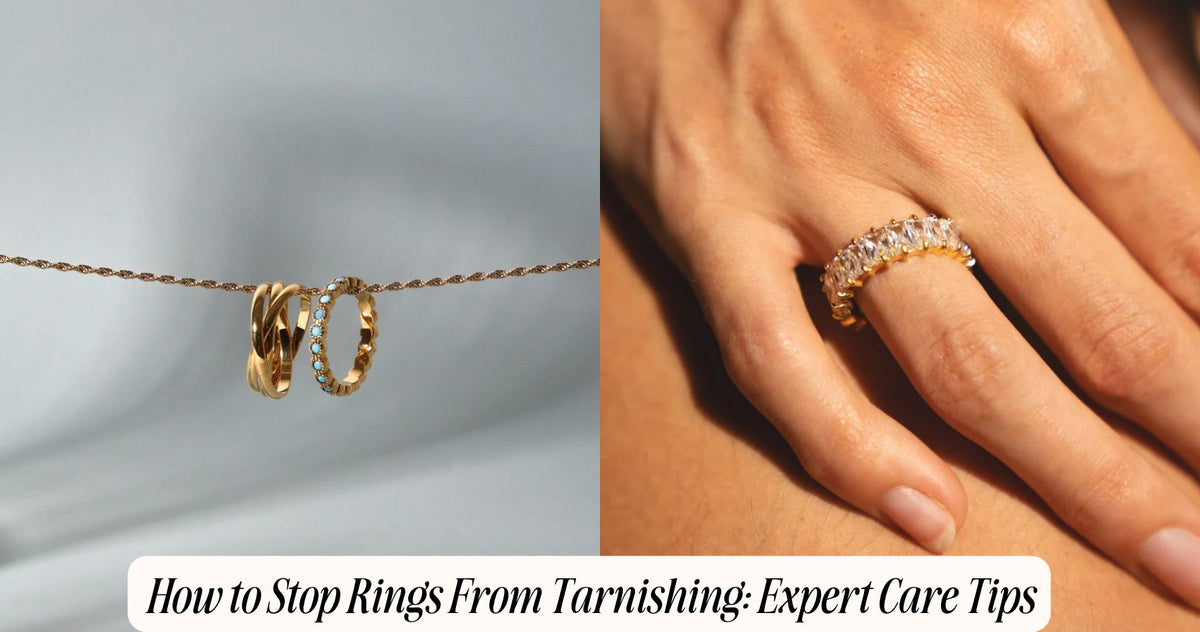
How to Stop Rings From Tarnishing: Expert Care Tips
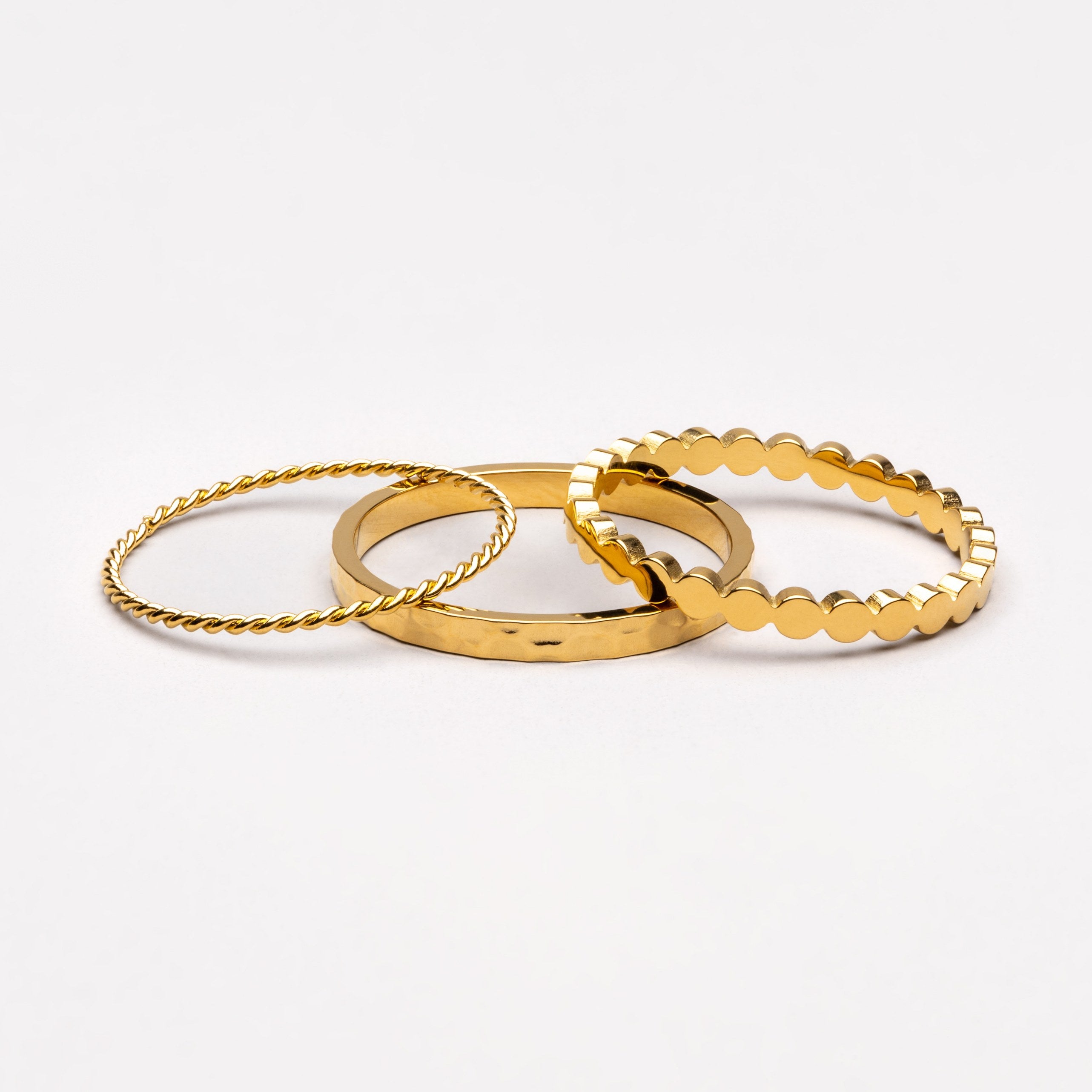
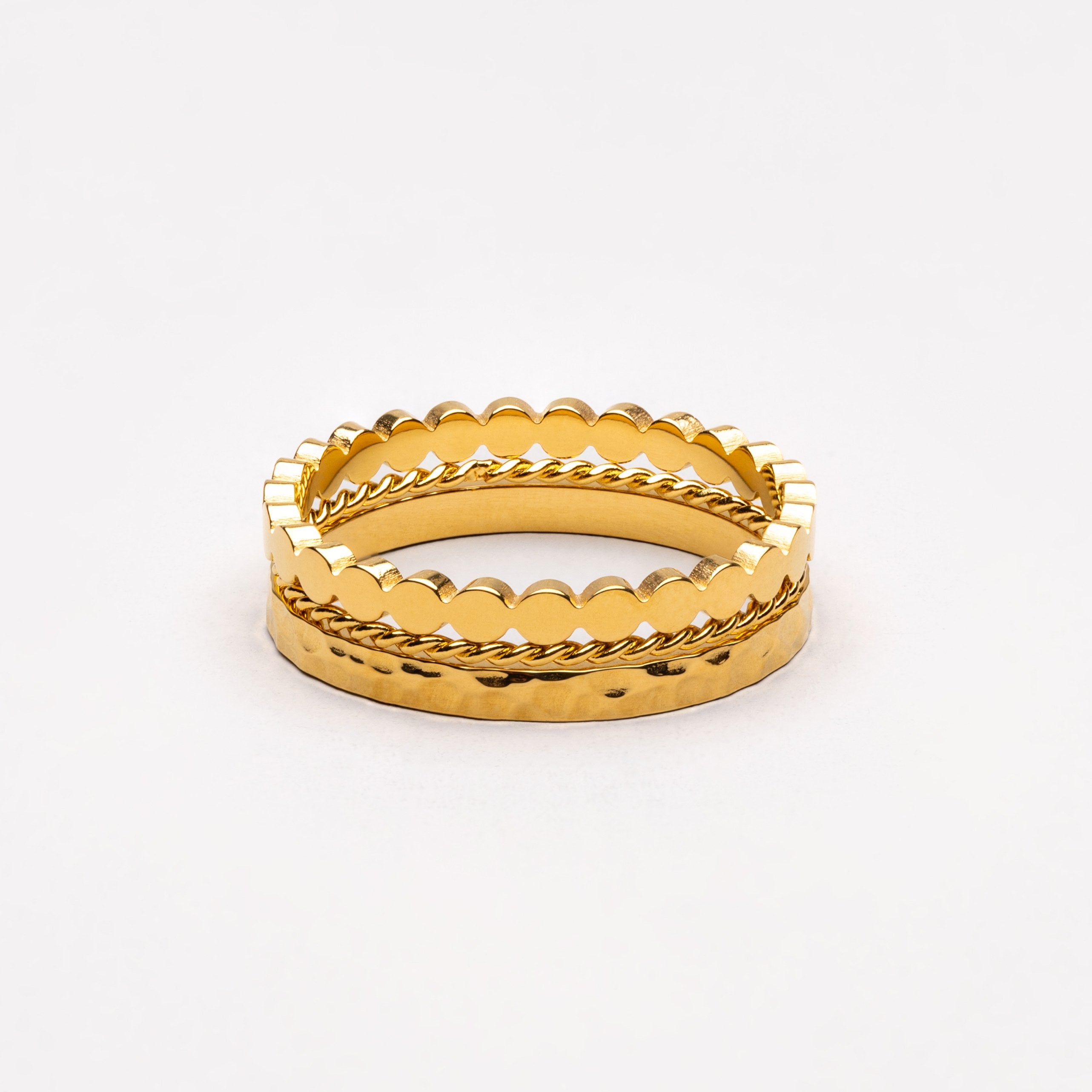
Rings work harder than almost any other piece of jewelry. They are on your hands while you wash dishes, apply lotion, cook, type, exercise, and handle money. That constant contact is exactly why rings tend to dull, darken, or tarnish faster than necklaces or earrings. The good news is that tarnish is largely preventable. If you want to know how to stop rings from tarnishing, a handful of simple habits can keep them bright for years. If you are shopping for something comfortable and versatile, our Ring for Everyday Wear collection offers designs made for daily life.
In this guide, we will explain why rings tarnish, which daily habits make the biggest difference, how to store and protect them, and which materials resist tarnish best.
Why Rings Tarnish Faster Than Other Jewelry
Tarnish is a chemical reaction. Certain metals, most notably silver and metals that contain copper, react with sulfur compounds and moisture in the air, forming a dark or dull surface layer. Plated pieces can also wear down, exposing a base metal underneath that reacts more easily.
Rings face extra challenges. Your hands touch soap, lotion, sanitizer, cooking ingredients, cleaning products, and sweat all day long. Each of these can speed up the reaction or leave residue that traps moisture against the metal. Add friction from everyday movement, and it is easy to see why a ring can look dull after only a few weeks.

Take Your Rings Off Before Washing Hands and Using Soap
Soap, hand wash, and sanitizer leave a film on metal that can trap moisture and dull the surface. Hard water can also leave mineral deposits. Taking your rings off before washing your hands is one of the easiest ways to slow tarnish.
If you wear a ring constantly, keep a small dish near the sink so you always have a safe place to put it. Rinse and dry the ring before putting it back on if it picked up soap residue.
Put Rings On Last and Apply Lotion, Perfume, and Hair Products First
Lotions, perfumes, hairspray, and sunscreen all contain chemicals that can react with metal. Applying them after you put on your ring means they can settle directly onto the band and into crevices.
Make your ring the last step of your routine. Apply hand cream, let it absorb fully, then slip on your jewelry. This simple order keeps products away from the metal and reduces buildup.
Remove Rings for Exercise, Cleaning, Cooking, and Gardening
Sweat contains salts and acids that can accelerate tarnish, especially on silver and plated metals. Cleaning products, chlorine, and strong chemicals can also damage metal finishes. Cooking exposes rings to oils, acidic foods, and moisture, and gardening adds soil and moisture.
Take rings off before these activities, or choose a more durable ring specifically for them. Silicone rings are a popular option for workouts and chores, since they protect both your hands and your jewelry.

Keep Rings Away From Swimming Pools, Hot Tubs, and the Ocean
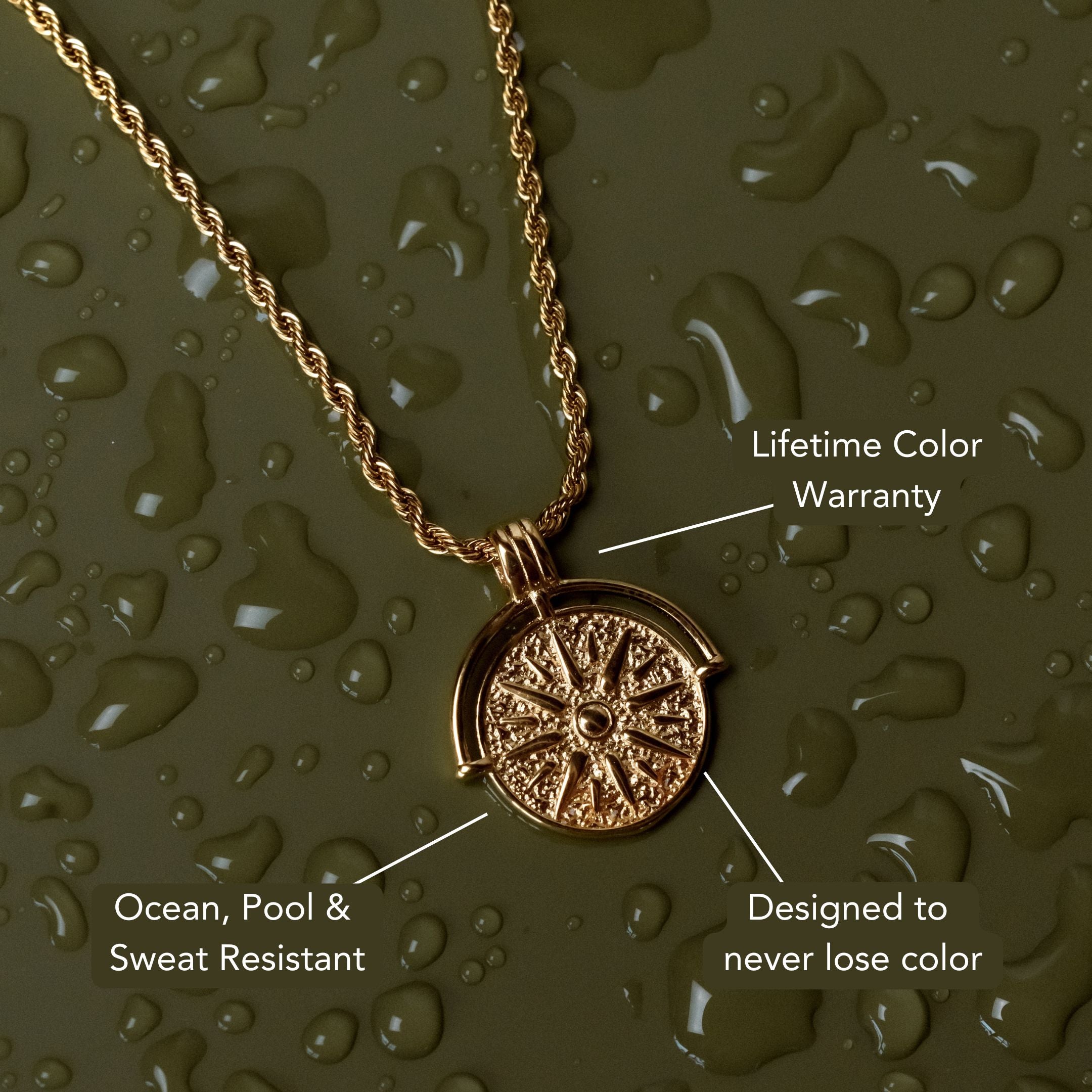
Chlorine, bromine, and salt water can corrode metals and dull finishes. Even if a ring looks fine after a swim, repeated exposure can speed up wear, particularly on plated rings.
If you want to wear a ring in the water, choose materials designed for it. Otherwise, remove it before swimming and rinse and dry it thoroughly if it does get wet.
Wipe Rings Down After Each Wear With a Soft Cloth
A quick wipe takes only a few seconds and removes oils, sweat, and residue before they have time to react with the metal. Use a clean, soft, lint free cloth, and wipe the entire band, including the inside where skin contact is greatest.
For silver, a silver polishing cloth can also remove early tarnish before it becomes noticeable. Avoid abrasive materials, which can scratch the surface.
Store Rings Properly So Air and Moisture Cannot Reach Them
How you store a ring matters as much as how you wear it. Air and humidity are the main drivers of tarnish, so the goal is to limit exposure.
Place each ring in its own soft pouch or in a compartment of a lined jewelry box. Anti tarnish pouches and cloths are especially helpful for silver, since they are treated to absorb sulfur compounds. A small anti tarnish strip or a packet of silica gel inside a closed box can also help.
Keep storage dry and cool. Avoid bathrooms, kitchens, and windowsills, where moisture, steam, and temperature swings are more likely.

Keep Rings Away From Materials That Speed Up Tarnish
Some everyday items contain sulfur or other substances that can darken silver quickly. Rubber bands, wool, felt, certain cardboard, and some paints and glues can all contribute. Eggs and other sulfur rich foods are also known to react with silver.
Do not store rings in contact with these materials, and avoid wearing silver while handling them for long periods.
Use a Clear Protective Barrier on the Inside of the Band
If your ring tends to leave dark marks on your skin or tarnishes where it touches you, a thin coat of clear protective polish on the inside of the band can create a barrier. Clear nail polish is a common home option. Apply a very thin layer to the inside only, let it dry completely, and reapply when it wears off.
This will not suit every ring, and it is not a substitute for good habits, but it can help with rings that react to your skin chemistry. Avoid applying it to areas with gemstones or intricate settings.
Choose Materials That Naturally Resist Tarnish
The most reliable way to stop tarnish is to choose materials that resist it.
- Stainless steel and titanium: These metals are highly resistant to tarnish and are popular choices for everyday rings.
- Platinum: Very durable and tarnish resistant, though it can develop a soft patina over time.
- Solid gold: Higher karat gold resists tarnish well, while lower karat gold contains more alloy metals that may react.
- Rhodium plated silver: A rhodium coating protects the silver underneath and keeps it bright, though the plating can wear down over time.
- Specially coated or waterproof finishes: Some rings use advanced coatings designed to stand up to water and daily wear.
If you have struggled with tarnish in the past, switching to one of these materials can make a bigger difference than any care routine.

Understand How Plating Wears Down on Rings
Gold plated and silver plated rings rely on a thin outer layer. Friction, moisture, and chemicals gradually wear this layer away, and once the base metal is exposed, tarnish and discoloration can appear quickly. Thicker plating and durable base metals last longer, but no plated ring is fully immune to wear.
To get the most from plated rings, follow all the habits above and expect to replace or replate them eventually.
Clean Rings Gently and Regularly Before Tarnish Builds Up
Prevention works best when paired with regular, gentle cleaning. Wash rings occasionally with mild soap and lukewarm water, using a soft brush for crevices, then dry them completely. Avoid harsh chemicals and abrasive polishes, which can wear down finishes.
Light cleaning before tarnish builds up is far easier than restoring a heavily tarnished ring later.
Final Thoughts
Knowing how to stop rings from tarnishing comes down to reducing the contact that causes it. Remove your rings before water, soap, sweat, and chemicals, put them on last, store them dry and separate, and wipe them after wearing. Choosing tarnish resistant materials is the most dependable long term solution.
With a few easy habits, your rings can stay bright, smooth, and ready to wear for years.
Frequently Asked Questions
1. Why do my rings tarnish so quickly?
Rings are exposed to soap, lotion, sweat, and moisture all day, and these can speed up the chemical reaction that causes tarnish, especially on silver and plated metals.
2. Can I wear my ring in the shower?
It is best not to, since soap and water can dull the metal and trap moisture, unless the ring is made from materials designed for water exposure.
3. Does clear nail polish really stop tarnish?
A thin coat inside the band can create a helpful barrier, but it wears off and needs reapplying, and it is not a substitute for good care.
4. What ring materials tarnish the least?
Stainless steel, titanium, platinum, and higher karat gold resist tarnish well, while sterling silver and plated rings tarnish more easily.
5. How should I store rings to prevent tarnish?
Keep each ring in a soft pouch or lined box in a cool, dry place, ideally with anti tarnish cloths or strips for silver.









コメントを書く
このサイトはhCaptchaによって保護されており、hCaptchaプライバシーポリシーおよび利用規約が適用されます。