

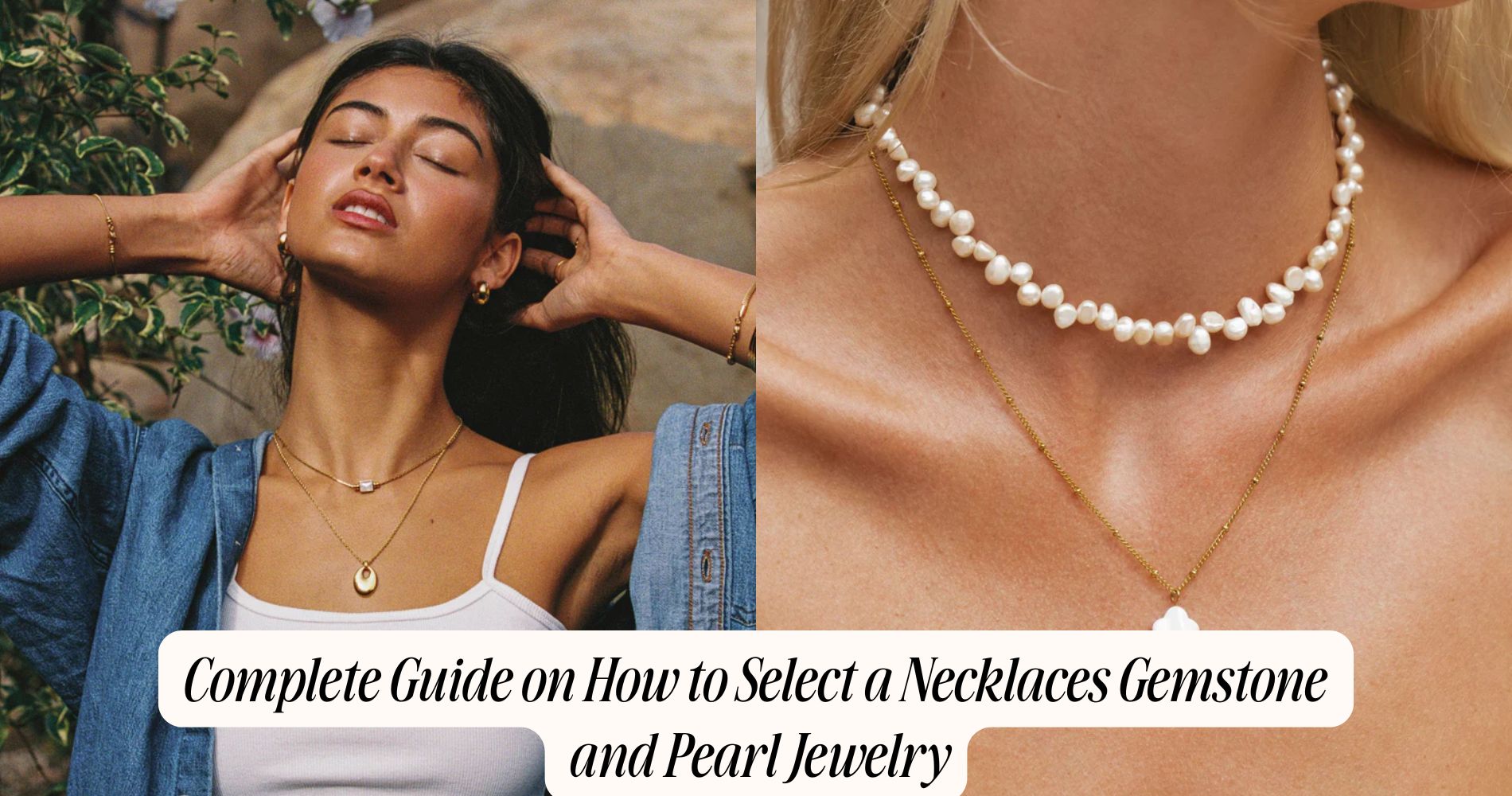
Complete Guide on How to Select a Necklaces Gemstone and Pearl Jewelry
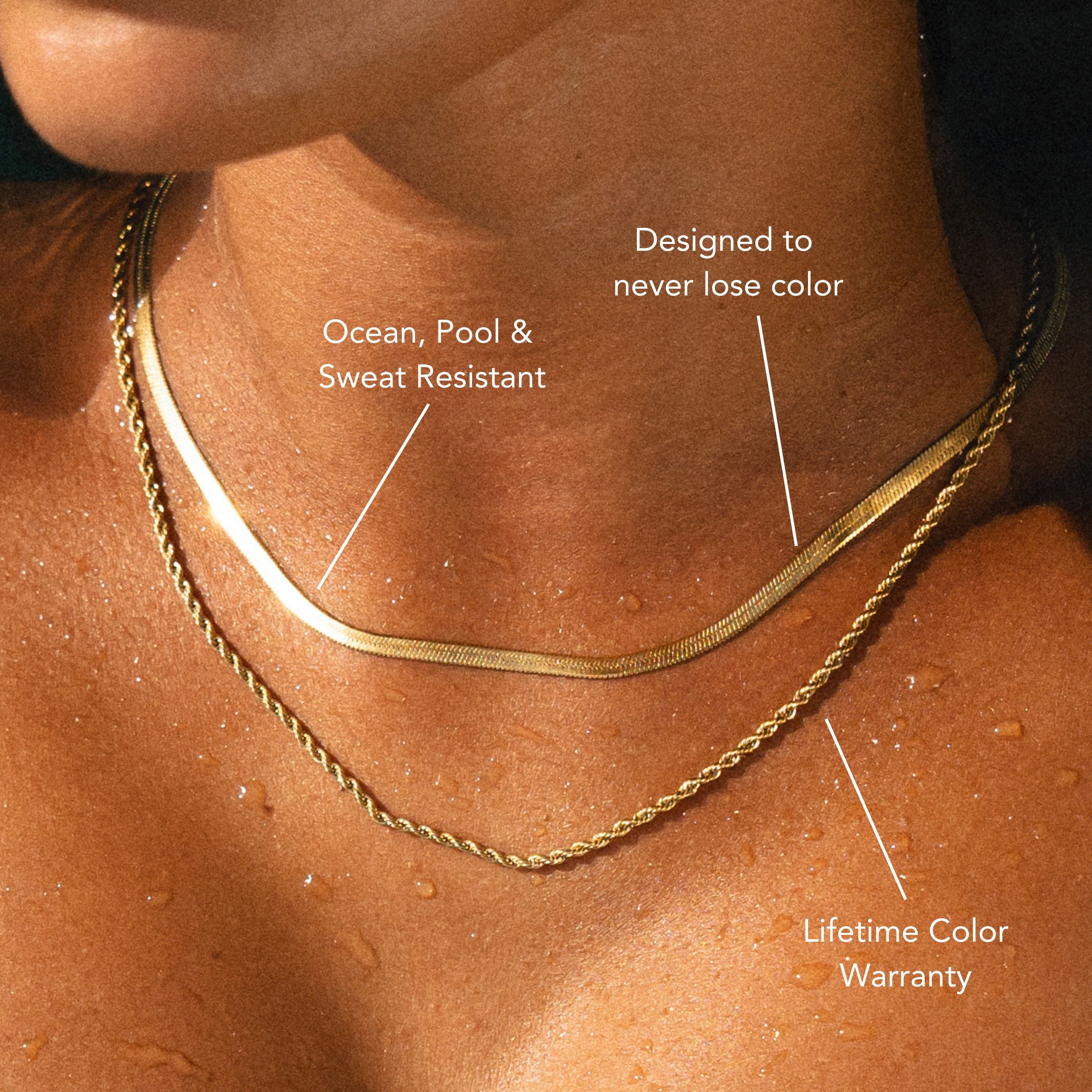
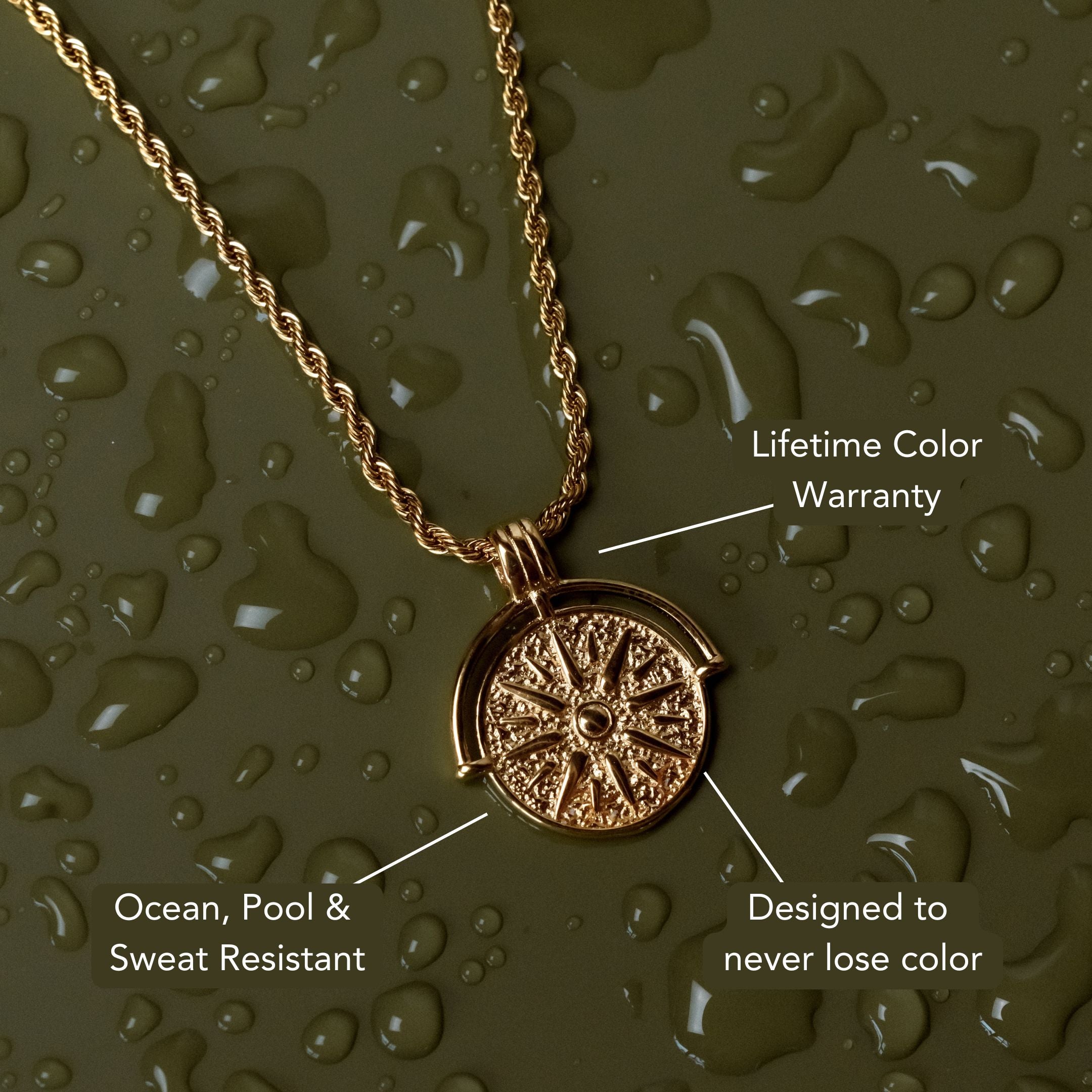
How to select a necklaces gemstone and pearl jewelry? Start by evaluating material type, crystal or nacre structure, and optical performance—looking closely at hue, saturation, luster, and refractive behavior. Inspect gemstone clarity under 10× magnification, check surface integrity, and assess nacre thickness in pearls. Next, refine your choice by matching necklace length, strand style, and metal setting to your skin undertone, face geometry, and intended wear context. For everyday versatility, Waterproof Necklaces offer durability without sacrificing elegance. Always confirm authenticity with lab reports and treatment disclosures before moving on to more advanced selection strategies.
Understanding Gemstone and Pearl Types
Although many pieces may look similar at first glance, each gemstone and pearl type exhibits distinct mineralogical and structural properties that drive its appearance, durability, and value.
You’ll differentiate gems by crystal system, refractive index, birefringence, and specific gravity. Corundum (ruby, sapphire) offers superior hardness, while beryl (emerald, aquamarine) demands more careful wear.
You should also consider gemstone symbolism: rubies often denote liveliness, sapphires integrity, emeralds renewal, and amethysts clarity of mind. These associations can guide you when selecting a necklace for commemorative or ritual contexts.
For pearls, you’ll distinguish saltwater from freshwater, and natural from cultured, by formation mechanism and nacre architecture.
Pearl traditions vary by culture, but consistently link spherical, well-matched strands with formality, status, and milestone gifting.

Evaluating Quality: Color, Clarity, Luster, and Surface
When you evaluate gemstone and pearl quality in a lab-grade way, you dissect four core visual parameters: color, clarity, luster, and surface condition.
For gemstones, you analyze hue, tone, and saturation under standardized lighting; you’ll reject stones with brown or gray modifiers and weak saturation. In examining gemstone quality, you also inspect clarity with 10x magnification, mapping inclusions, fractures, or clouds that disrupt transparency or brilliance.
For pearls, you evaluate bodycolor and overtone uniformity, then move to luster. When evaluating pearl luster, you look for sharp, high-contrast reflections that indicate dense nacre layering.
Finally, you scrutinize surface condition on both gems and pearls, quantifying blemishes, pits, abrasions, or growth marks that compromise durability and visual performance.
Choosing the Right Necklace Length and Style
After you’ve isolated gemstones and pearls with excellent color, clarity, luster, and surface integrity, you must match them to a necklace length and style that supports their optical performance and wearability.
You’ll treat necklace lengths as functional parameters: choker (35–41 cm), princess (43–48 cm), matinee (50–61 cm), opera (71–91 cm), and rope (90+ cm). Each length dictates viewing distance, incident light angle, and movement, which all influence scintillation and orient.

When you select necklace styles, you’re really choosing mounting architecture. Single-strand, graduated, and station designs distribute mass and alter drape. A fixed pendant concentrates visual weight, while line necklaces and riviera configurations maximize uninterrupted reflection.
Verify clasp integrity, strand tension, and articulation so gems and pearls maintain ideal face-up presentation during wear.
Matching Gemstones and Pearls to Skin Tone and Face Shape
How directly can you calibrate gemstones and pearls to a wearer’s biology instead of treating them as detached objects?
You start with skin tone compatibility. Evaluate undertone: cool (pink/blue), warm (gold/olive), or neutral.
For cool undertones, prioritize gemstones with blue, violet, or icy chroma and white, silver‑rose pearls.
For warm undertones, select gems in yellow, peach, or earthy spectra and cream, golden, or champagne pearls.
Neutral undertones tolerate broad palettes but still benefit from mid‑saturation stones.
Then integrate face shape considerations.
For round faces, deploy elongated pearl drops or vertical gem arrangements to visually lengthen.
For square faces, use oval cabochons and teardrop pearls to soften angles.
Heart or triangular faces benefit from clustered or graduated necklaces that visually widen the jawline.

Selecting Metals and Settings for Durability and Style
Gemstone and pearl selection only completes the optical profile; metal choice and setting architecture determine how the piece performs mechanically over time.
You’ll first evaluate metal types by hardness, tensile strength, and corrosion resistance. Platinum offers high density and secure prong retention; 18K gold balances ductility with durability; 14K enhances wear resistance for daily use.
Next, correlate setting styles with stone vulnerability and lifestyle. Use bezel or semi-bezel settings for softer gems to maximize edge protection. Prong and cathedral settings increase light return but demand periodic inspection for metal fatigue.
For pearls, choose low-abrasion components and reinforced posts or caps. Always align chain gauge, clasp engineering, and pendant weight to prevent deformation, micro-fracturing, or stress-induced metal failure.
Natural, Cultured, and Imitation Pearls: Key Differences
Although they can appear similar in a showcase tray, natural, cultured, and imitation pearls differ fundamentally in origin, internal structure, and performance under wear.
When you evaluate natural pearl characteristics, you’re looking at a pearl formed without human intervention, composed of concentric aragonite and conchiolin layers with irregular nuclei or sometimes no nucleus. These show complex overtone, variable nacre thickness, and often slightly asymmetrical morphology.
Cultured pearl differences arise from a controlled implantation of a bead or tissue graft. Nacre thickness, luster, and surface clarity depend on farming duration and conditions.
In contrast, imitation pearls use glass, plastic, or composite beads with thin lacquers. Under magnification, you’ll see uniform coatings, air bubbles, and no true nacre layering—meaning lower durability.
Gemstone Cuts, Shapes, and How They Affect the Look
Proportions, facet architecture, and outline shape collectively control how a gemstone manages light, so you must analyze cut with the same rigor you’d apply to clarity or color grading.
You evaluate table size, crown height, pavilion depth, and girdle thickness to predict brilliance, fire, and scintillation. High gemstone symmetry guarantees facets align to maximize return light and minimize leakage.
Round brilliants emphasize edge-to-edge sparkle; step cuts like emerald or baguette prioritize clarity and calm flashes.
Ovals, pears, and marquise shapes can display a bow-tie if proportions are off. Princess and radiant cuts balance brilliance with a squarer outline.
In necklaces, these cut effects determine whether a stone reads as crisp and scintillating or soft and glassy under normal viewing distances.

Coordinating Necklaces With Outfits and Occasions
When you coordinate necklaces with outfits and occasions, you’re effectively calibrating visual weight, color temperature, and surface reflectivity to the formality and function of the event.
You assess neckline geometry first: crew and bateau necklines tolerate collar-length strands; plunging or V-necklines call for pendants that mirror the V-axis. For high formality, select pearls or high-refractive-index gemstones in single, symmetrical strands; reserve bolder necklace layering for semi-formal or casual environments.
Use strict color coordination: align gemstone hue, saturation, and undertone with garment temperature (cool vs warm) and metal alloy color.
Evaluate contrast ratios—high contrast for statement impact, low contrast for subtle integration.
Finally, match scale: petite gemstones for minimal, close-view settings; larger cabochons or baroque pearls for visually complex textiles and evening wear.
Care, Cleaning, and Storage for Gemstone and Pearl Necklaces
Your calibration of necklace scale, color temperature, and reflectivity only pays off long term if you control the chemical and mechanical stresses those pieces experience.
For pearls and softer gems, you’ll treat the surface as a low-hardness, high-porosity substrate. Use only pH‑neutral, non-ionic cleansers and distilled water; avoid ultrasonic units and steam, which induce microfractures, nacre delamination, or epoxy failure.
Execute regular maintenance: inspect clasps, restring pearls on silk with knots, and check prong integrity under magnification.
For proper storage, isolate pieces in inert, non-abrasive compartments, never in bulk contact. Maintain moderate humidity so pearls don’t dehydrate, and keep necklaces away from UV, heat sources, and volatile solvents from perfumes, hairsprays, or household cleaners.
Budgeting Smartly and Spotting Authentic Jewelry
Although gemstone and pearl necklaces can span a wide cost spectrum, you’ll make far more efficient decisions if you treat each purchase like a materials audit: define your budget ceiling, then allocate spend across cut quality, color grade, clarity, and setting craftsmanship rather than chasing sheer carat weight.
Use disciplined budgeting techniques: compare lab-report grades, metal purity, and origin disclosures across vendors, cost-normalized per millimeter of pearl diameter or carat.
For authenticity verification, request documentation: GIA, AGS, or IGI reports for gemstones; GIA or reputable pearl-lab certificates for strands.
Perform basic field tests—inspect drill holes, overtone, surface luster, and nacre thickness for pearls; check refractive index, birefringence, and inclusions for gemstones.
Reject pieces lacking transparent grading data, disclosed treatments, or hallmarked metals.
Frequently Asked Questions
How Do I Insure Valuable Gemstone or Pearl Necklaces Against Loss or Damage?
You insure them by obtaining laboratory-grade appraisals detailing valuation methods, then submitting documentation to specialized insurance providers. You schedule each necklace, verify coverage for mysterious disappearance, damage, and travel, and periodically recalibrate valuations as market price indices shift.
Are There Ethical or Eco-Friendly Certifications for Gemstone and Pearl Jewelry?
You can verify ethical sourcing and eco friendly options via certifications like RJC, Fairmined, Fairtrade Gold, and MSC/ASC for pearls; additionally, lab-grown diamonds and traceable supply-chain audits provide quantifiable environmental and social compliance.
Can Gemstone and Pearl Necklaces Be Safely Worn During Travel or Flights?
You can safely wear gemstone and pearl necklaces in flights, but optimize travel safety by minimizing impact, temperature shifts, and chemical exposure. Prioritize jewelry care: store in padded microfibre pouches, avoid perfume/sunscreen contact, and remove pieces during sleep or turbulence.
How Often Should I Have Gemstone or Pearl Necklaces Professionally Inspected?
You should schedule professional inspection every 6–12 months for ideal necklace care. A jeweler will evaluate prong integrity, clasp tension, stringing wear, and perform gemstone maintenance, including surface integrity assessment, nacre thickness checks, and ultrasonic‑compatibility verification.
What Documents or Receipts Should I Keep When Purchasing Fine Necklaces?
You should archive purchase receipts, warranty documents, grading reports, appraisal certificates, repair logs, and authenticity certificates; they verify provenance, facilitate insurance underwriting, support future resale valuation, and document any gemstone or pearl treatments, enhancements, and setting modifications.
Conclusion
You’re now equipped to assess gemstones and pearls with a lab-level eye—evaluating hue, saturation, nacre thickness, overtone, luster, clarity, and surface characteristics. You can correlate necklace length and setting architecture with anatomy, complexion, and face morphology, while aligning alloys and mountings with durability needs. By applying these selection criteria, care protocols, and authentication checkpoints, you’ll curate necklaces that optimize optical performance, structural integrity, and aesthetic coherence within your budget.









コメントを書く
このサイトはhCaptchaによって保護されており、hCaptchaプライバシーポリシーおよび利用規約が適用されます。