


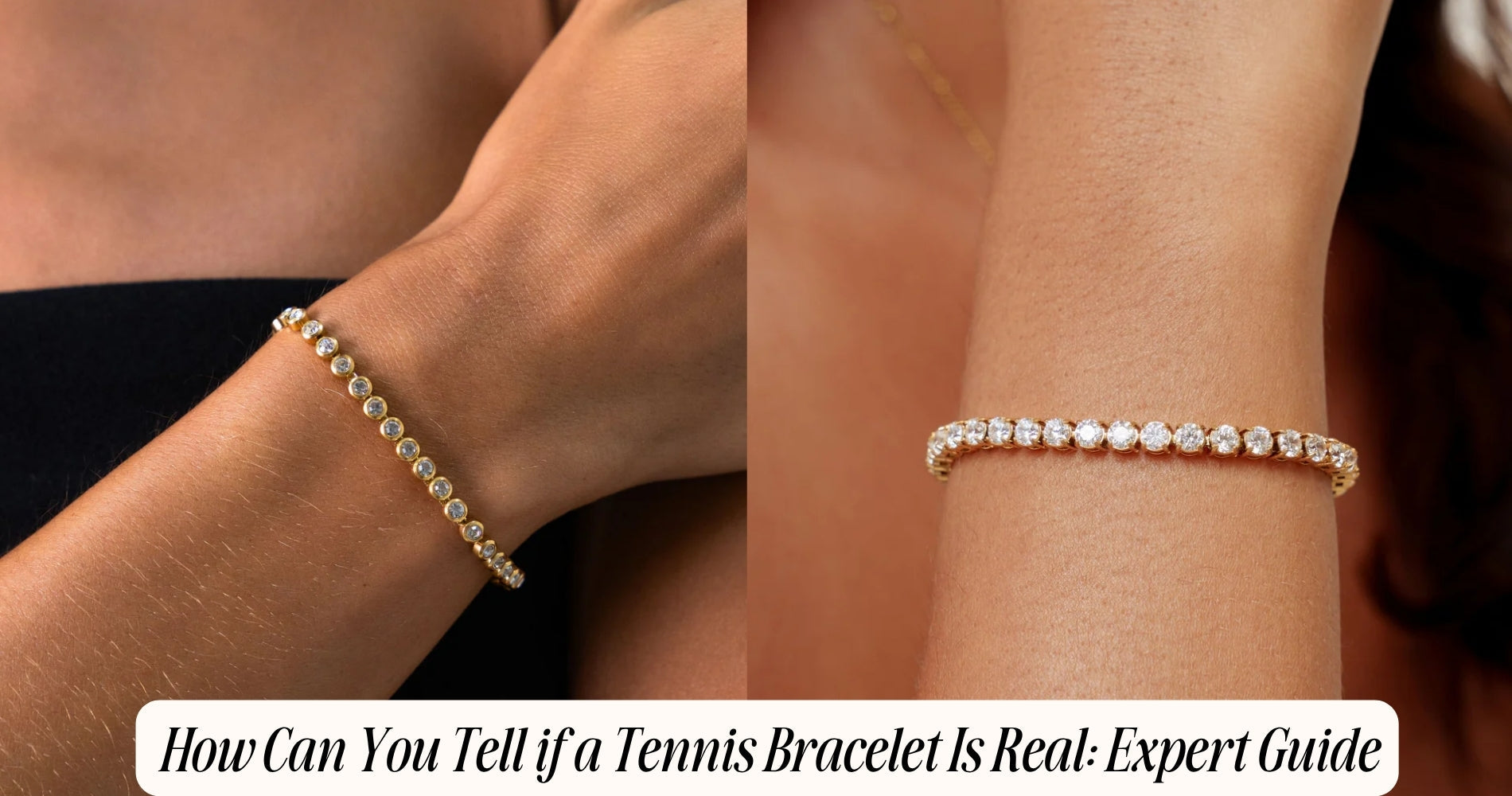
How Can You Tell if a Tennis Bracelet Is Real: Expert Guide
Tennis bracelets are one of the most classic and sought after pieces of fine jewelry, known for their continuous line of gemstones set in a sleek, sparkling band. Because they are so popular, tennis bracelets are also frequently counterfeited or misrepresented, which makes knowing how can you tell if a tennis bracelet is real an important skill for any jewelry buyer.
Whether you are purchasing a tennis bracelet secondhand, inheriting one, or simply want to verify a piece already in your collection, there are several reliable methods for checking authenticity. In this guide, we will walk through the key signs of a genuine tennis bracelet, from testing the stones to examining the metal and craftsmanship. And if you are in the market for a beautiful, high quality piece you can trust from the start, our Everyday Bracelets collection offers styles designed for lasting wear.
What Makes a Tennis Bracelet
Before diving into authentication methods, it helps to understand what defines a tennis bracelet in the first place. A true tennis bracelet features a continuous line of similarly sized gemstones, traditionally diamonds, set closely together in a flexible metal band. The stones are typically held in place using prong or bezel settings, creating an unbroken, sparkling line around the wrist.
The name comes from a famous moment in tennis history, when a bracelet broke and fell off during a match, prompting the player to ask for play to be paused while it was found. The style has since become known as the tennis bracelet, and the term is now used broadly, even for versions set with gemstones other than diamonds, like cubic zirconia or colored stones.

Why Authenticity Matters
Because genuine tennis bracelets, particularly those set with natural diamonds and precious metals, can be a significant investment, verifying authenticity is important both for buyers and for anyone assessing a bracelet already in their possession. Understanding how can you tell if a tennis bracelet is real helps protect against overpaying for a counterfeit or misrepresented piece, and it can also help you accurately understand the value of jewelry you already own.
Step One: Examine the Metal Markings
One of the simplest ways to begin verifying a tennis bracelet is by checking for metal purity markings, known as hallmarks. Genuine fine jewelry is typically stamped with a small marking indicating the metal type and purity.
Common markings include:
- 925 for sterling silver
- 10K, 14K, or 18K for gold
- PT or 950 for platinum
These markings are usually found on the clasp or an inconspicuous part of the bracelet. If a piece marketed as fine jewelry has no markings at all, or uses vague terms like gold tone or gold plated without any purity indication, this can be a sign that the piece is not made from genuine precious metal.
A jeweler's loupe or magnifying glass can be helpful for locating and reading these small markings, since they are often quite tiny and easy to miss with the naked eye.

Step Two: Test the Stones
Testing the gemstones themselves is one of the most important steps in determining whether a tennis bracelet is genuinely set with diamonds or other authentic stones, versus imitation materials like cubic zirconia or glass.
The fog test. Breathe onto the stone as you would fogging up a mirror. Genuine diamonds disperse heat quickly and typically clear within a second or two, while imitation stones tend to stay fogged for several seconds longer, since they do not conduct heat as efficiently.
The sparkle test. Genuine diamonds typically reflect light in a mix of white and gray brilliance, while cubic zirconia tends to throw off more colorful, rainbow like flashes. While not entirely foolproof, this test can offer a helpful clue when examining stones in good lighting.
Weight comparison. Cubic zirconia is generally heavier than a diamond of the same size due to differences in density. If you are comparing loose stones or can weigh the bracelet, unusually heavy stones may indicate a diamond substitute.
Professional testing. For a definitive answer, a jeweler can use a diamond tester, a small device that measures thermal conductivity to determine whether a stone is a genuine diamond. This is the most reliable method available outside of a full gemological evaluation.
Step Three: Check the Setting Quality
The way stones are set into a tennis bracelet can also reveal a great deal about its authenticity and overall quality. Genuine, well crafted tennis bracelets typically feature evenly spaced stones with secure, symmetrical prong settings.
Look closely for these signs of quality craftsmanship:
- Prongs that are evenly shaped and securely holding each stone in place
- Consistent spacing between stones with no visible gaps or unevenness
- Smooth, well finished metal without rough edges or visible solder marks
- A flexible, comfortable link structure that moves naturally with the wrist
Lower quality or counterfeit bracelets often show signs of rushed craftsmanship, such as uneven prongs, inconsistent stone sizing, or a stiff, poorly articulated band that does not move smoothly.

Step Four: Assess the Clasp
The clasp is another area worth examining closely, since it is a frequent giveaway for lower quality or fake tennis bracelets. Genuine fine jewelry clasps are typically sturdy, well constructed, and often include a safety mechanism, such as a figure eight safety catch, to prevent the bracelet from slipping off accidentally.
If a clasp feels flimsy, does not close securely, or lacks any additional safety feature despite the bracelet's high price point, this can be a red flag suggesting the piece may not be genuine fine jewelry.
Step Five: Consider the Price
While price alone is not a definitive indicator of authenticity, it can serve as a helpful red flag when something seems too good to be true. Genuine diamond tennis bracelets, particularly those set in gold or platinum, are priced according to factors like carat weight, metal purity, and overall craftsmanship, all of which come with meaningful costs.
If a tennis bracelet is being sold at a price dramatically lower than the market rate for its described materials, this discrepancy is often a sign that the piece may not be entirely authentic, or that certain details, like stone type or metal purity, have been misrepresented.
Step Six: Look for Documentation
Reputable jewelers typically provide documentation with fine jewelry purchases, including certificates of authenticity, appraisals, or grading reports for the diamonds used. If you are purchasing a tennis bracelet, particularly a higher value piece, always ask for supporting documentation.
For bracelets already in your possession without documentation, having the piece appraised by a certified gemologist can provide official verification of the metal, stones, and overall value, offering peace of mind beyond at home testing methods.

When to Consult a Professional
While the tests outlined above can offer helpful initial clues, some situations call for professional evaluation. If you are dealing with a high value bracelet, inheriting a piece with an unclear history, or simply want a definitive answer, visiting a certified jeweler or gemologist is always the most reliable path forward.
Professional appraisers have access to specialized tools, including diamond testers, magnification equipment, and scales precise enough to detect subtle inconsistencies that may not be visible through home testing alone.
Common Signs of a Fake Tennis Bracelet
To summarize, here are some of the most common warning signs that a tennis bracelet may not be genuine:
- No metal purity markings, or vague terms like gold tone instead of specific karat markings
- Stones that stay fogged longer than expected during the breath test
- Uneven prong settings or inconsistent stone spacing
- A flimsy or poorly constructed clasp lacking a safety mechanism
- Pricing significantly below market value for the described materials
- No documentation, certification, or appraisal available
If you notice several of these signs together, it is worth having the piece professionally evaluated before assuming it is genuine.

Final Thoughts
So, how can you tell if a tennis bracelet is real? The most reliable approach combines several methods, checking metal markings, testing the stones, examining craftsmanship, and reviewing documentation, rather than relying on a single test alone. While simple at home tests like the fog test can offer helpful initial clues, professional evaluation remains the most definitive way to confirm authenticity, particularly for higher value pieces.
Whether you are verifying a bracelet you already own or shopping for a new piece, taking the time to understand these authentication steps can help you make more confident, informed decisions when it comes to fine jewelry.
Frequently Asked Questions
1. What is the easiest way to test if diamonds in a tennis bracelet are real?
The fog test is a simple at home method, though a professional diamond tester provides the most accurate results.
2. Do all genuine tennis bracelets have metal markings?
Most genuine fine jewelry pieces include a hallmark indicating metal type and purity, though older or custom pieces may occasionally lack visible markings.
3. Can cubic zirconia tennis bracelets still be valuable?
Yes, cubic zirconia bracelets can be beautifully crafted and valuable in their own right, though they are generally less expensive than those set with genuine diamonds.
4. Should I get my tennis bracelet appraised?
Yes, especially for higher value pieces, since a professional appraisal provides official documentation of authenticity and value beyond at home testing methods.









コメントを書く
このサイトはhCaptchaによって保護されており、hCaptchaプライバシーポリシーおよび利用規約が適用されます。