


How Can You Measure Your Ring Size Accurately
How can you measure your ring size? You can find your size by printing a ring sizer at 100%, wrapping a non-stretch tape or paper strip around your finger, or measuring the inside diameter of a ring that already fits—then converting it with a standard size chart. Take measurements at different times of day and temperatures, make sure the band passes over the knuckle with gentle resistance, and size up 0.25–0.5 for wider bands. When results don’t match—or for specialty styles—have a jeweler confirm with calibrated tools. Getting the fit right is especially important for everyday pieces like Waterproof Rings, where comfort and security matter. Avoid tight strings or flimsy tools, and you’ll be well on your way to a perfect fit.
At-Home Methods That Actually Work
Three simple, reliable methods let you size your ring finger at home without guesswork: a printable ring sizer, a measuring tape or strip of paper with a ruler, and a ring you already own.
Download a calibrated sizer, print at 100%, and match the cutout to your finger or slide gauges until the fit is snug.
For paper strips, wrap the strip around the base of your finger, mark the overlap, then measure the length in millimeters to convert to a ring size.
Prefer soft tools? Use string measurements the same way, but avoid stretch for accuracy.
If you already own a well-fitting ring, measure its inside diameter with calipers or a ruler and reference a standard size chart to confirm your size.

Pro Tips to Get a Precise Fit
Although basic measurements get you close, a few pro habits lock in an accurate ring size: measure at multiple times of day to capture natural swelling; your evening reading usually represents real-world wear.
Use a narrow and a wide sizer to account for band width; wider bands require a half size up. Confirm the ring passes the knuckle with gentle resistance but sits snug on the base—this fit test prevents spinning.
Log temperature and hydration; these fit factors shift circumference. Measure the specific finger on the correct hand—dominant hands run slightly larger.
Round to the nearest quarter size, then test a sizing ring for 10–15 minutes of movement. If between sizes, prioritize comfort during daily tasks and seasonal changes for a reliable ring size.
When and How to Use Professional Sizing
When your DIY measurements conflict, your band is unusually wide or intricate, or the ring includes sensitive settings (eternity, tension, pavé), schedule a professional sizing.
Jewelers use calibrated mandrels, precision ring gauges, and professional tools to assess inner diameter, circumference, and comfort fit. They’ll test multiple profiles—standard, comfort-fit, euro-shank—and simulate knuckle pass to prevent spin or squeeze.
Book sizing consultations when you’re finalizing an engagement ring, resizing heirlooms, or ordering custom designs.
Ask for measurements at different times of day and in controlled temperatures to capture your normal finger fluctuations. Bring the exact band or a close mock-up in the intended width and profile.
Confirm tolerance targets in quarter sizes and discuss sizing beads, liners, or spring inserts to fine-tune stability without over-tightening.

Common Mistakes That Lead to Wrong Sizes
Despite good intentions, you can mis-size a ring by measuring cold fingers, using a flimsy printable sizer, or ignoring band width and profile. Cold causes temporary constriction, so you record incorrect measurements.
Paper tools flex, compress, and skew readings; use a calibrated metal mandrel or plastic multisizer instead. Measure at the finger’s base and over the knuckle; if the ring won’t pass the knuckle, the size is wrong.
Don’t pull a string tight—it reduces circumference and yields a smaller size. Take multiple readings at different times to account for daily swelling and seasonal changes.
Record the exact inner diameter and circumference. Confirm the fit with a standard fit gauge, not a single ring you own, which may be worn or distorted.
Sizing for Different Band Styles and Finger Changes
Because band geometry affects fit, you must size with the exact style in mind and account for how your fingers change through the day and seasons.
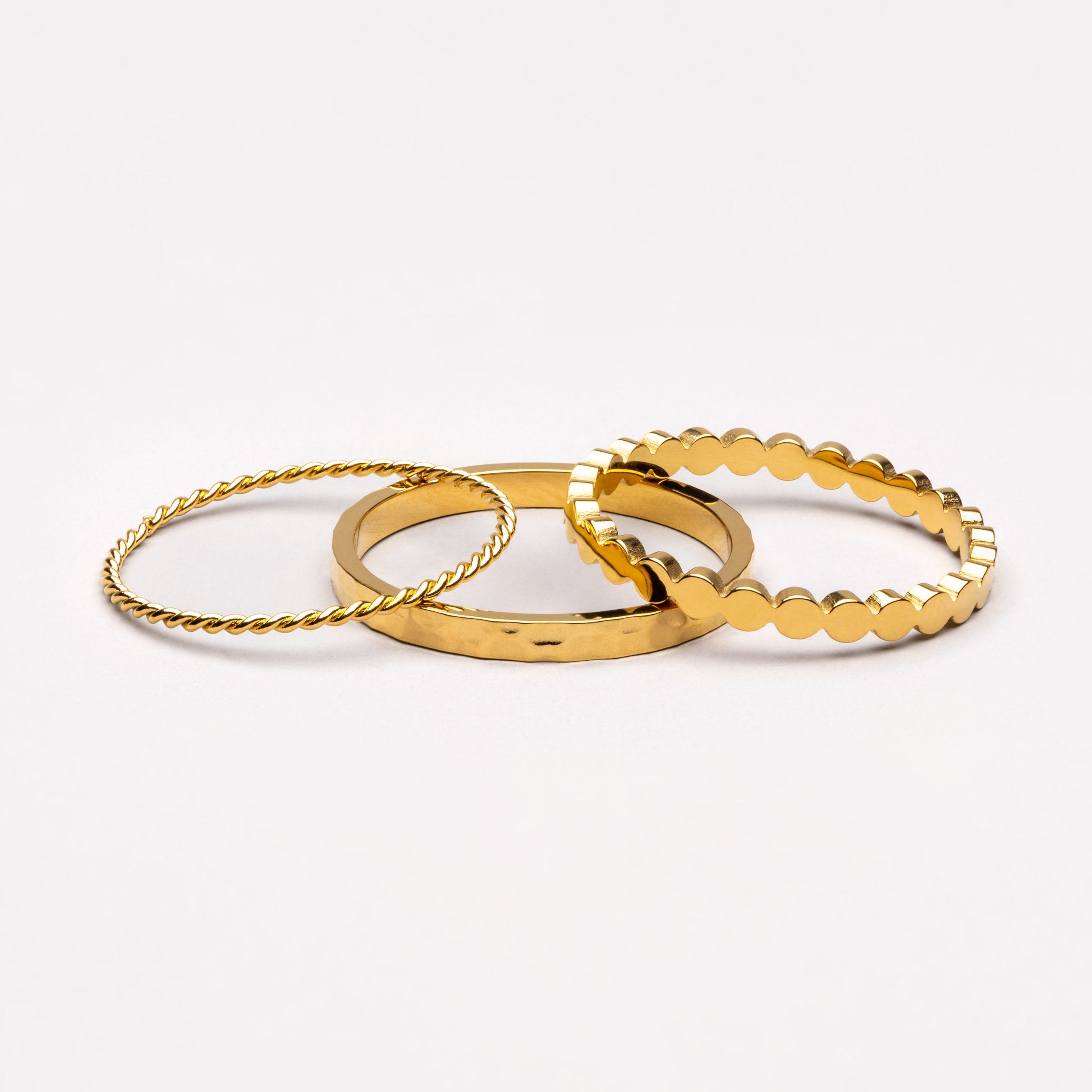
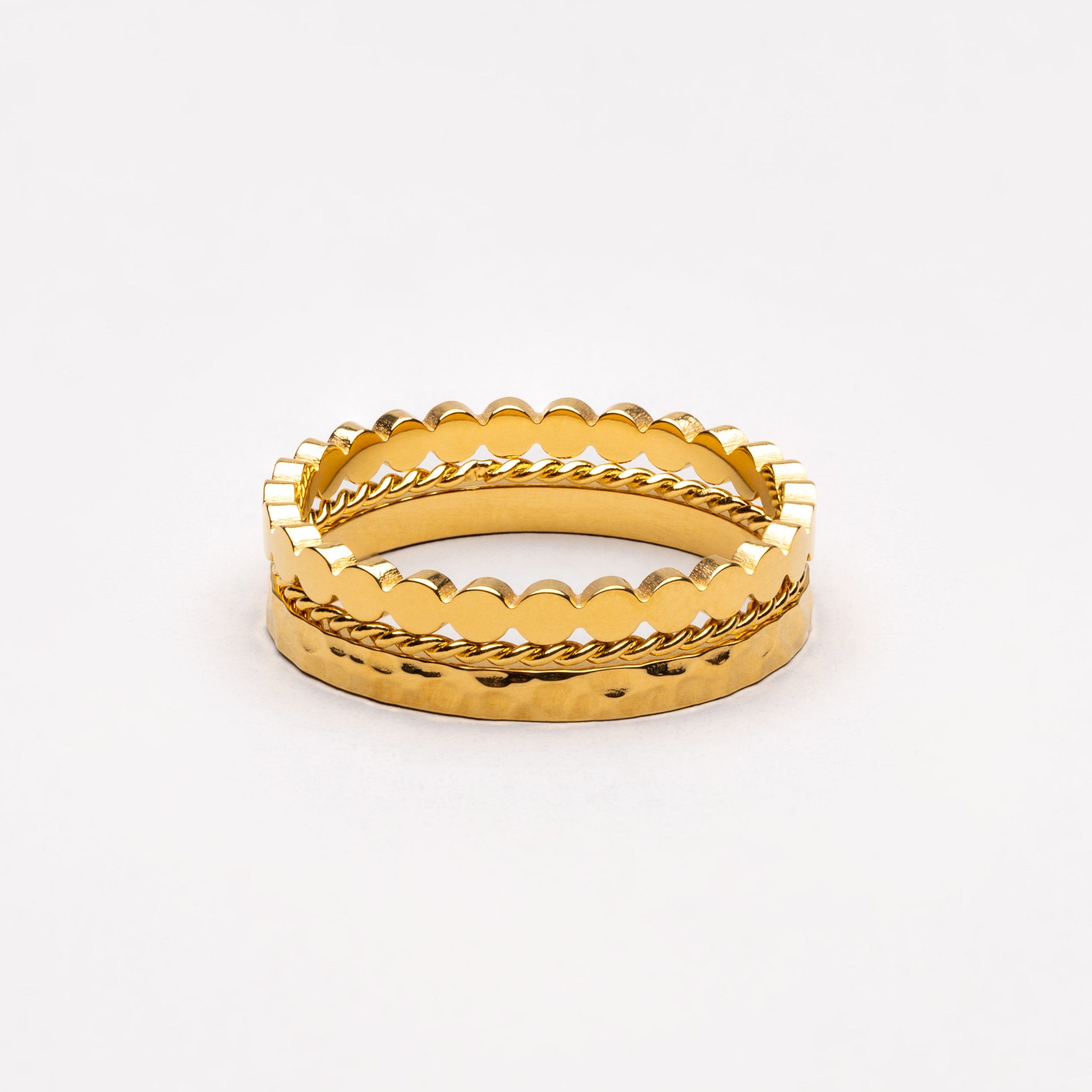
Evaluate band width first: wider bands displace more tissue and require a larger size, typically +0.25 to +0.5 compared with a narrow shank. Comfort-fit interiors slide past the knuckle more easily; a flat interior may need a fractionally larger size. Stackable sets behave like a single wide band, so size accordingly.
Test for temperature effects and diurnal swelling. Measure when your hands are neutral—neither just washed in hot water nor chilled.
If your knuckles are prominent, size to pass the knuckle snugly, then use sizing beads for a stable base. For eternity or contour bands, insist on precise calibration before engraving.

Frequently Asked Questions
How Do International Ring Sizes Convert Across Regions?
You convert ring sizes using ring size charts mapping US/Canada numbers, UK/Australia letters, EU millimeters, and Japan/China numbers. Rely on international standards (ISO 8653) and inner circumference/diameter. Confirm with a jeweler to verify precise regional equivalence.
Can Resizing Affect Gemstone Settings or Ring Integrity?
Yes. You risk loosening prongs, misaligning channels, and stressing solder joints. You mitigate damage by selecting appropriate resizing techniques, protecting gemstone durability with heat shields, removing heat-sensitive stones, reinforcing settings, and re-tipping prongs. Always consult a master bench jeweler.
What Ring Size Should I Choose for a Surprise Proposal?
Choose the most common women’s size 6 or 7 for a surprise proposal. For a perfect fit, discreetly measure a ring she wears on the correct finger. Proposal tips: borrow it briefly, trace inside, or consult her friend.
How Does Pregnancy or Medical Conditions Impact Long-Term Sizing?
Pregnancy fluctuations and medical conditions can cause persistent swelling or size variability, affecting long-term sizing. You should size with multiple measurements over months, prefer comfort-fit bands, plan for seasonal changes, and select resize-friendly metals to accommodate evolving anatomy and circulatory dynamics.
Are Comfort-Fit Bands Sized Differently Than Standard Bands?
Yes. You typically size comfort-fit bands a half size smaller due to the rounded interior. Prioritize comfort fit measurement, verify band width effects, and test sizing with sizers matching width to guarantee precise, client-specific fit.
Conclusion
You’ve got multiple reliable ways to nail your ring size. Start with precise at-home methods, confirm with pro tools when needed, and account for temperature, time of day, and dominant hand. Match sizing to band width, stacking styles, and future resizing options. Avoid common errors like measuring over knuckles only or guessing from other rings. When in doubt, size up slightly. Follow these steps, and you’ll order with confidence, minimize returns, and get a comfortable, secure fit that lasts.











コメントを書く
このサイトはhCaptchaによって保護されており、hCaptchaプライバシーポリシーおよび利用規約が適用されます。