

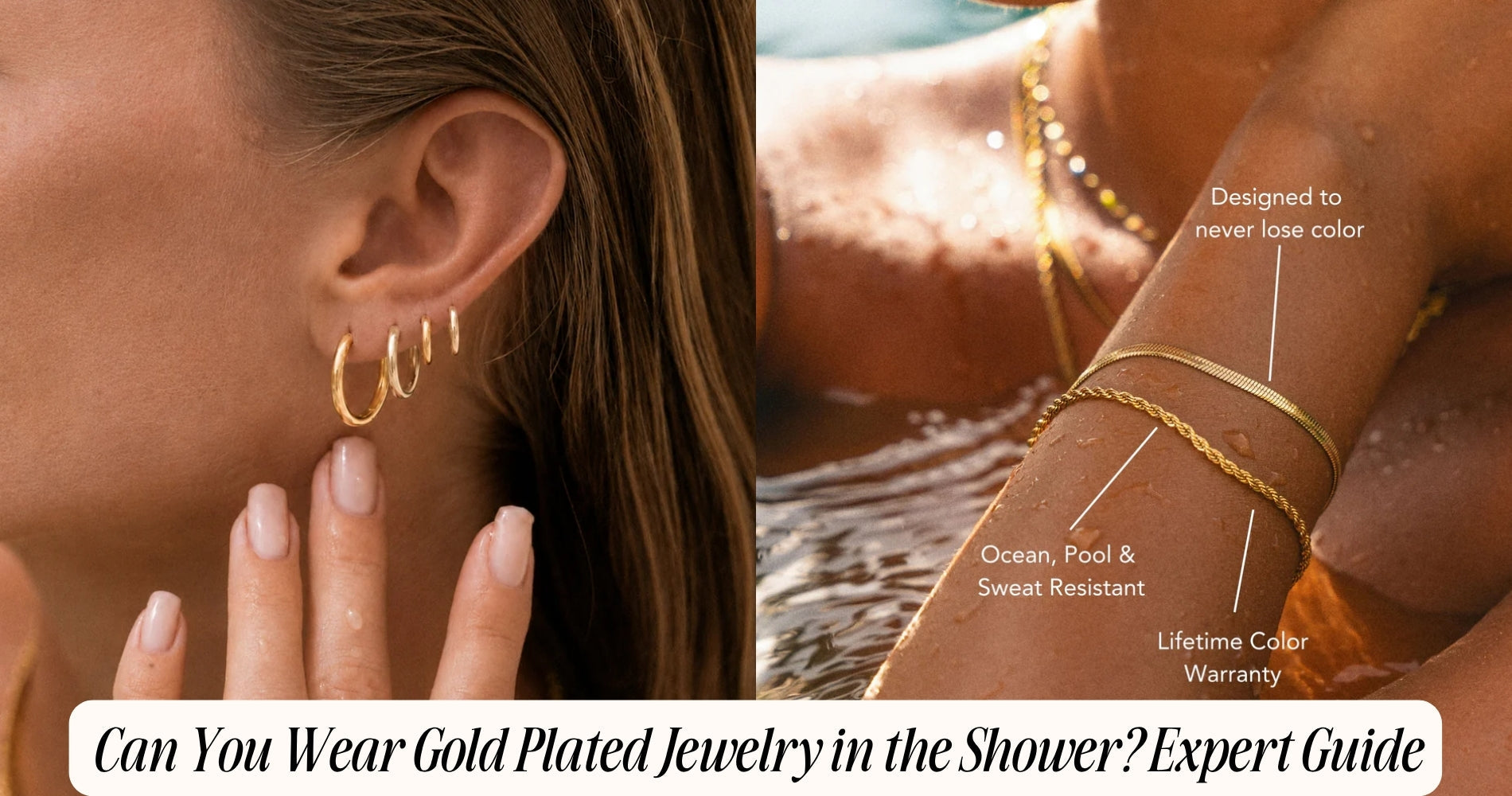
Can You Wear Gold Plated Jewelry in the Shower? Expert Guide
Gold plated jewelry has become an incredibly popular choice for its affordability and stylish appearance, but many people wonder about the practical side of daily wear, especially when it comes to activities like showering. If you have ever stepped into the shower without thinking twice about the ring or necklace you are still wearing, you might be asking yourself: can you wear gold plated jewelry in the shower without causing damage?
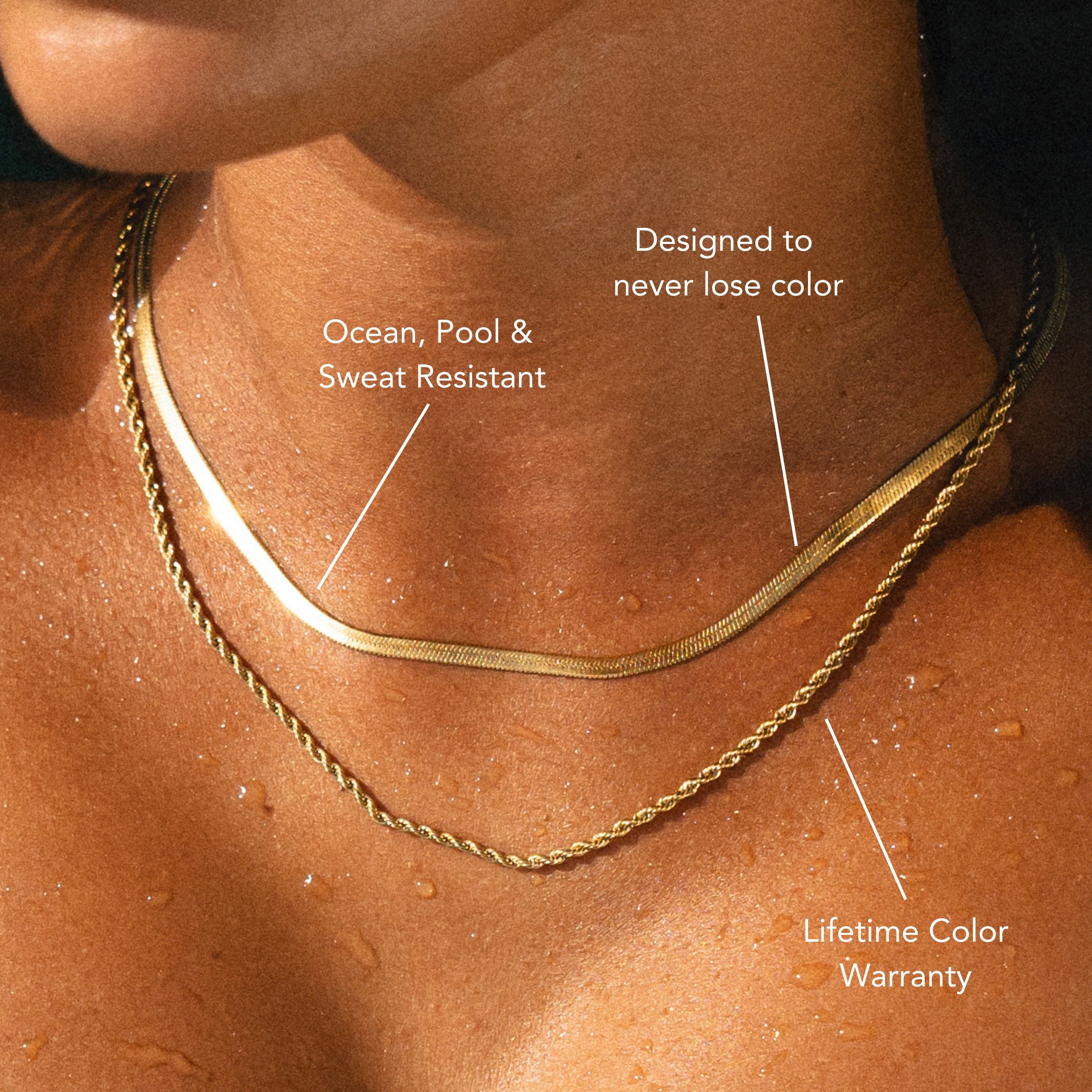
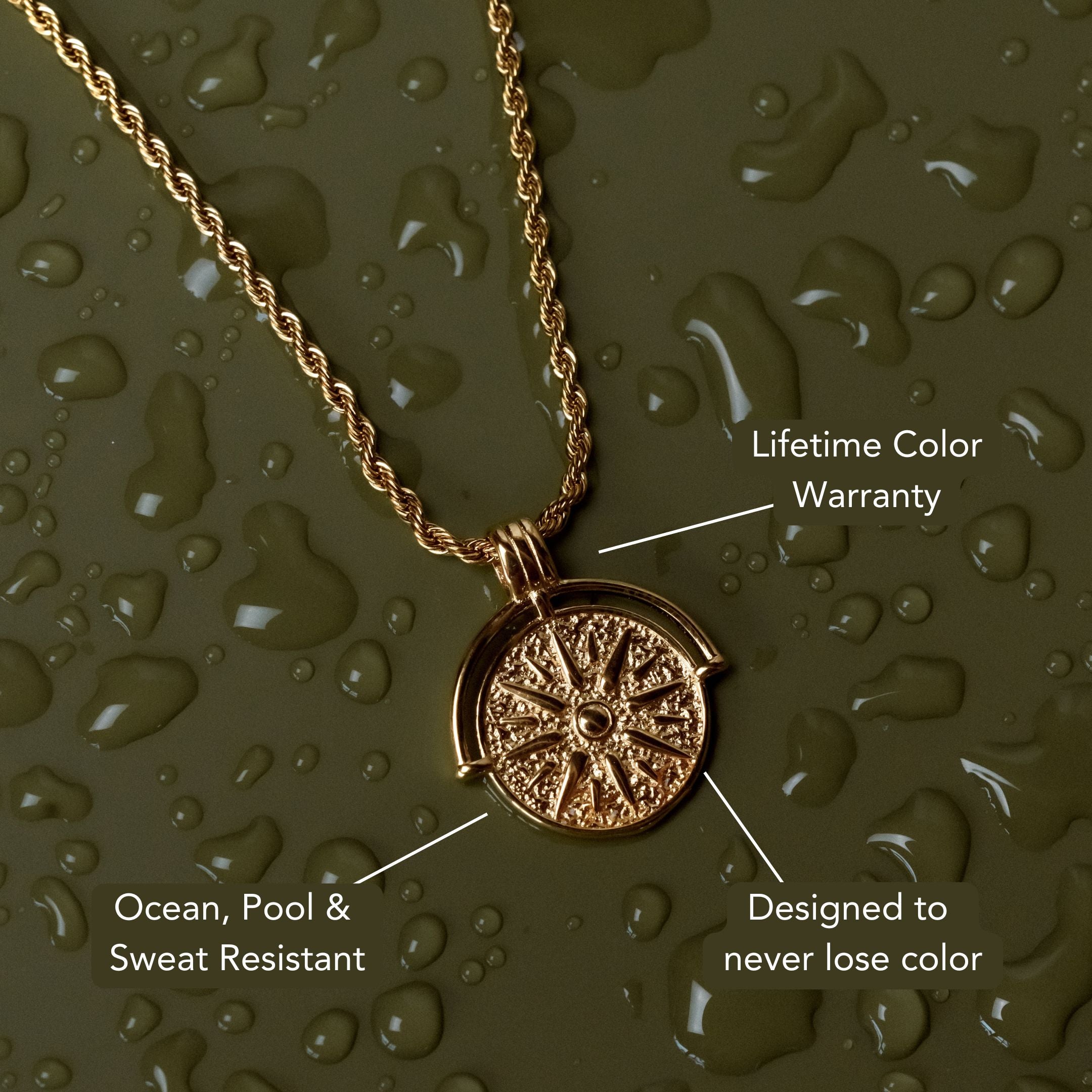
The short answer is that it is generally best to avoid it, though the reasons why and what actually happens when gold-plated jewelry gets wet are worth understanding in more detail. In this guide, we will explain how water affects gold plating, what risks are involved, and how to protect your jewelry if you do want to keep it on during daily activities. For pieces designed specifically to handle moisture without worry, our Waterproof Jewelry collection offers a practical, low-maintenance alternative.
What Is Gold Plated Jewelry
Before addressing how water affects gold plated jewelry, it helps to understand what this type of jewelry actually is. Gold plated pieces consist of a base metal, such as brass, copper, or sterling silver, coated with a thin layer of real gold through an electroplating process. This creates the appearance of solid gold at a significantly lower cost, since only a small amount of actual gold is used.
Because the gold layer is quite thin compared to solid gold jewelry, gold-plated pieces are inherently more vulnerable to everyday wear and environmental exposure, including contact with water.

Can You Wear Gold Plated Jewelry in the Shower
In most cases, it is not recommended to wear gold plated jewelry in the shower on a regular basis. While an occasional, brief exposure to water is unlikely to cause immediate, noticeable damage, consistent or prolonged exposure can gradually accelerate the breakdown of the gold plating over time.
Showering exposes jewelry to a combination of factors that can be particularly harsh on plated pieces, including hot water, soap, shampoo, and other personal care products, all of which can contribute to the gradual thinning and eventual wearing away of the gold layer.
Why Water Affects Gold Plating
Understanding why water poses a risk to gold-plated jewelry comes down to the nature of the plating process itself. Because the gold layer is bonded to the surface of the base metal rather than being solid throughout the entire piece, it is more susceptible to gradual erosion from consistent friction and chemical exposure.
Water alone is not necessarily the most damaging factor, but the combination of water with soap, shampoo, and other bathing products introduces additional chemical exposure that can weaken the bond between the gold layer and the base metal underneath. Over time, this repeated exposure can cause the plating to thin unevenly, eventually revealing the base metal in certain areas, particularly where friction is highest, such as the underside of rings or the clasp area of bracelets and necklaces.

What Happens When Gold Plated Jewelry Gets Wet Regularly
If gold plated jewelry is regularly exposed to water, particularly through daily showering, several issues can develop over time.
- Accelerated plating wear is the most common consequence, with the outer gold layer thinning more quickly than it would with normal, dry wear.
- Discoloration may begin to appear as the base metal underneath starts to show through, often presenting as a silver, copper, or yellowish tone depending on the specific base metal used.
- Increased risk of skin irritation can also develop once the base metal becomes exposed, particularly for those with sensitive skin or metal allergies, since base metals like brass or copper are more likely to cause reactions compared to genuine gold.
While a single shower is unlikely to cause dramatic, immediate damage, the cumulative effect of daily exposure over weeks or months is where the real risk to gold plated jewelry lies.
Other Everyday Activities That Can Affect Gold Plating
Showering is not the only daily activity that can impact the longevity of gold plated jewelry. Several other common situations pose similar risks.
- Swimming, particularly in chlorinated pools or saltwater, introduces harsh chemicals that can be even more damaging to gold plating than regular shower water.
- Exercising increases sweat exposure, which contains salts and oils that can gradually affect the plating over time.
- Washing dishes or cleaning exposes jewelry to a range of household chemicals and prolonged water contact that can accelerate wear, particularly for rings.
Being mindful of these everyday situations, not just showering specifically, can help you better protect your gold plated jewelry from unnecessary wear.

How to Protect Gold Plated Jewelry From Water Damage
If you want to extend the lifespan of your gold plated jewelry, a few simple habits can make a significant difference.
Remove gold plated jewelry before showering, swimming, or engaging in any activity involving prolonged water exposure. Apply lotions, perfumes, and other personal care products before putting on jewelry, rather than after, to minimize direct chemical contact with the plated surface. Dry jewelry thoroughly if it does become wet, using a soft cloth to gently pat the piece dry rather than allowing it to air dry, which can sometimes lead to water spots or increased tarnishing on the base metal. Store gold plated jewelry in a dry area, ideally in a soft pouch or lined container, to prevent moisture buildup during storage.
Developing a habit of removing gold plated jewelry before water-related activities, even when it feels like an extra step, can meaningfully extend the life of these pieces over time.
What to Do If Gold Plated Jewelry Gets Wet
If your gold plated jewelry does get wet, whether from an accidental splash or a quick shower, taking a few immediate steps can help minimize any potential damage.
Remove the jewelry as soon as possible rather than allowing it to remain wet for an extended period. Gently pat the piece dry using a soft, lint-free cloth, avoiding any rubbing or scrubbing motions that could add additional friction to the plated surface. Allow the piece to fully air dry in a clean, dry area before storing it away, ensuring no moisture remains trapped against the metal.
While these steps will not undo any existing wear, they can help prevent further damage from prolonged moisture exposure.
When Replacing Gold Plated Jewelry Makes Sense
If you find that a particular piece of gold plated jewelry has experienced significant wear from regular water exposure, you may be wondering whether it is worth replating or simply replacing the piece altogether.
For sentimental or higher quality pieces, replating is often a worthwhile option, restoring the original gold layer and extending the jewelry's usable lifespan. For more affordable, trend focused pieces, particularly those that have experienced significant wear, it may be more practical to simply replace the item, especially if the base metal has become visibly exposed in multiple areas.

Choosing Waterproof Jewelry as an Alternative
If you regularly forget to remove your jewelry before showering, swimming, or exercising, or if you simply prefer a lower maintenance option, waterproof jewelry offers a practical solution. Unlike standard gold-plated pieces, waterproof jewelry is specifically designed and treated to withstand regular exposure to water and moisture without the same risk of accelerated wear.
This makes waterproof jewelry an excellent choice for those who want the classic gold look without constantly thinking about removing jewelry before daily activities involving water.
Final Thoughts
So, can you wear gold plated jewelry in the shower? While an occasional brief exposure is unlikely to cause immediate damage, regular showering with gold plated jewelry on can significantly accelerate wear over time, gradually thinning the gold layer and eventually exposing the base metal underneath. To protect your investment and extend the lifespan of your favorite pieces, it is generally best to remove gold plated jewelry before showering and other water-related activities.
For those looking for a more convenient, low-maintenance alternative, choosing jewelry specifically designed to be waterproof can offer the same beautiful look without the same level of careful daily maintenance required by traditional gold plated pieces.
Frequently Asked Questions
1. Will one shower ruin gold plated jewelry?
A single shower is unlikely to cause significant damage, but repeated, regular exposure to water over time can gradually wear away the gold plating.
2. Is it safe to wash my hands while wearing gold plated jewelry?
Occasional water exposure, like handwashing, is generally lower risk than prolonged exposure, but it is still a good idea to minimize contact with soap and water when possible.
3. Can gold plated jewelry be repaired after water damage?
Yes, in most cases gold plated jewelry can be replated to restore its original appearance, though this typically requires a professional jeweler.
4. What is a good alternative to gold plated jewelry for daily water exposure? Waterproof jewelry, specifically designed to withstand moisture, is a practical alternative for those who want a low-maintenance option for daily wear.









コメントを書く
このサイトはhCaptchaによって保護されており、hCaptchaプライバシーポリシーおよび利用規約が適用されます。