


Which Hand Does Ring Go On? Clear Guide You Can Trust
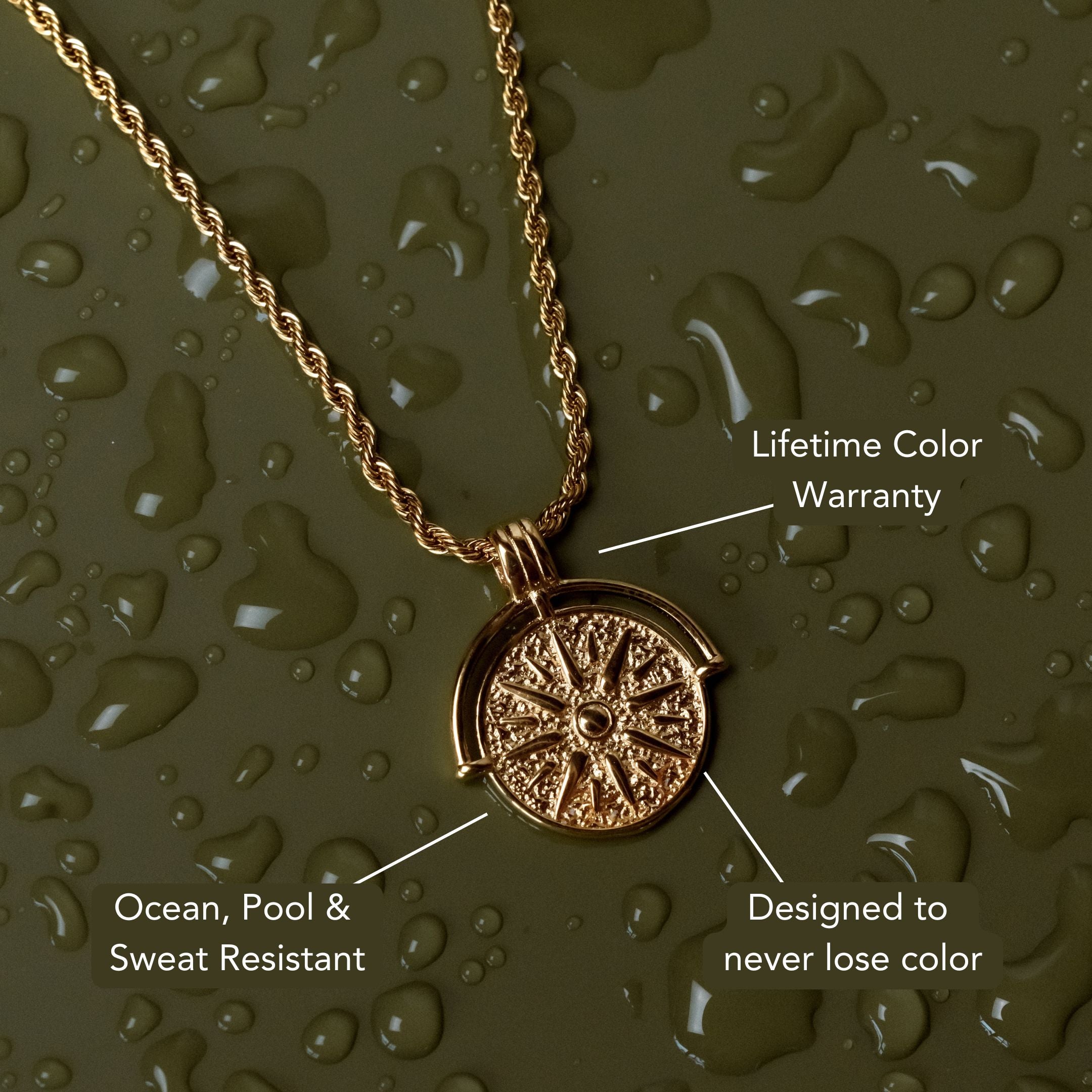
Which hand does ring go on? You’ll usually wear an engagement ring and wedding band on your left ring finger in Western traditions, while some European and Latin American cultures use the right hand. Fashion, family, and signet rings often sit on the right hand, placed by style, heritage, or status. Each finger has its own symbolism, from commitment on the ring finger to individuality on the thumb. Durable options like those from Atolea’s Waterproof Rings collection make it easy to wear rings daily regardless of which hand you choose. Once you know the basics, you can confidently bend the rules and make them your own.
Which Hand and Finger for Each Ring Type?
While ring customs vary across cultures and subcultures, there’s a clear logic to which hand and finger traditionally match each ring type. You’ll usually wear statement or fashion rings on your right hand, often on the index or middle finger, where movement and visibility matter.
You’ll place family or heirloom pieces on the right ring finger or pinky, underscoring their cultural significance without mimicking marital symbols. Signet rings typically sit on the pinky, historically linked to status and lineage.
Promise and purity rings often go on the left ring finger but can shift hands as your life stage changes.
Across all types, you’ll want a precise ring size for comfort, stacking potential, and security—especially with heavier designs or stones.

Wedding vs Engagement Ring Hand Traditions
Although wedding and engagement rings often look similar, tradition treats them as distinct symbols worn in specific ways. In many Western countries, you’ll typically wear your engagement ring on the left hand when you’re proposed to, then add a wedding band—often placed closer to the heart—after the ceremony. That sequence reflects clear engagement symbolism: promise first, then legal and emotional commitment.
These customs have deep historical origins, from Roman betrothal rings to medieval Christian rites, but they’re far from universal. In parts of Europe and Latin America, you might wear both rings on the right hand, emphasizing local cultural significance.
Modern couples increasingly prioritize personal preferences, remixing traditions—stacking, switching hands, or even replacing one ring entirely—to match lifestyle and identity.
What Each Finger Means on Both Hands
Every finger carries its own symbolism, and switching hands subtly changes the message. When you understand finger symbolism and hand significance, you can place rings with intent instead of guessing.
On your left hand, the thumb often signals individuality and quiet power; it’s popular for gender‑neutral styling.
The index finger emphasizes ambition and status, echoing historic signet use.
The middle finger frames balance and personal identity, ideal for minimalist bands.
The ring finger still reads as romantic commitment, even with fashion rings.
The pinky points to self‑expression and sometimes legacy or affiliation.
On your right hand, meanings often flip toward action: career moves, new beginnings, or personal milestones—making it perfect for promotion rings, push presents, and “treat‑yourself” jewelry.

How Ring-Hand Traditions Vary Around the World
Finger meanings don’t exist in a vacuum—culture and geography reshape them. When you ask which hand a ring goes on, you’re really asking about cultural significance. In many Western countries, you’ll see engagement rings on the left hand, but several European and South American regions favor the right.
These regional variations aren’t random; they’re anchored in historical context such as imperial customs, legal traditions, and aristocratic fashion.
Modern mobility and global media complicate the picture. You might adopt a local norm when you move abroad, keep your home-country practice, or merge both.
Increasingly, people treat ring-hand choice as an expression of personal preference, identity, or relationship style, rather than a fixed rule you must follow.
Religious and Spiritual Rules for Ring Placement
Across many faiths and spiritual paths, the hand and finger you choose for a ring isn’t just aesthetic—it encodes theology, symbolism, and communal identity.
In Christian traditions, you’ll often place wedding or purity rings on the left ring finger, echoing Roman ideas about a “vein of love” and adding religious significance to a secular myth.
In Eastern Orthodox and some Eastern Catholic communities, you may wear engagement and wedding bands on the right hand, viewed as the “strong” or oath‑bearing hand.
In Judaism, wedding rings typically go on the right index finger under the chuppah, then sometimes shift.
Many Muslims avoid strict finger rules but use rings with engraved Qur’anic text for spiritual symbolism, usually on the right hand as a mark of honor.
How to Style Multiple Rings Without Clashing
Some of the most compelling ring stacks look intentional, not accidental, and that comes down to balance, proportion, and coherence.
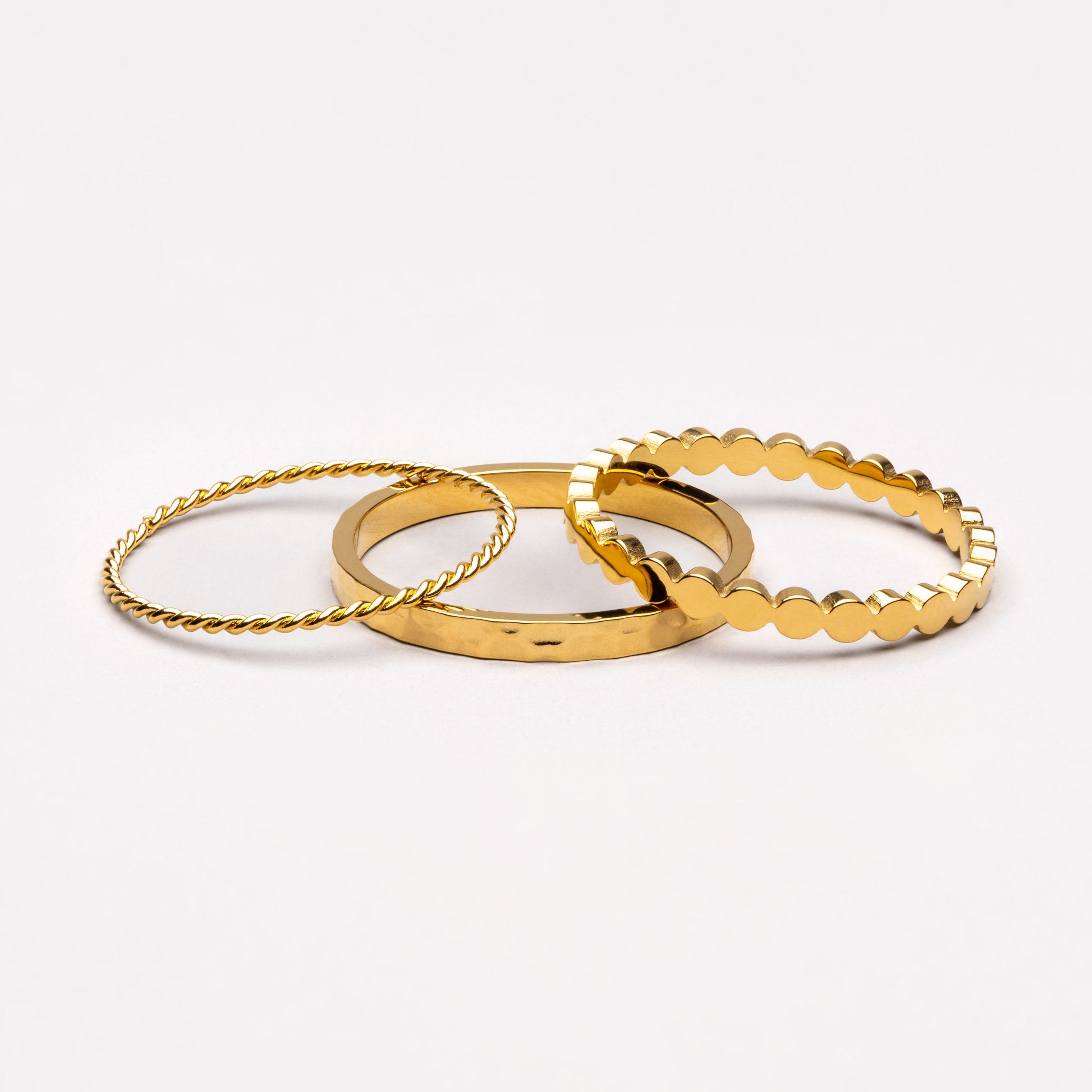
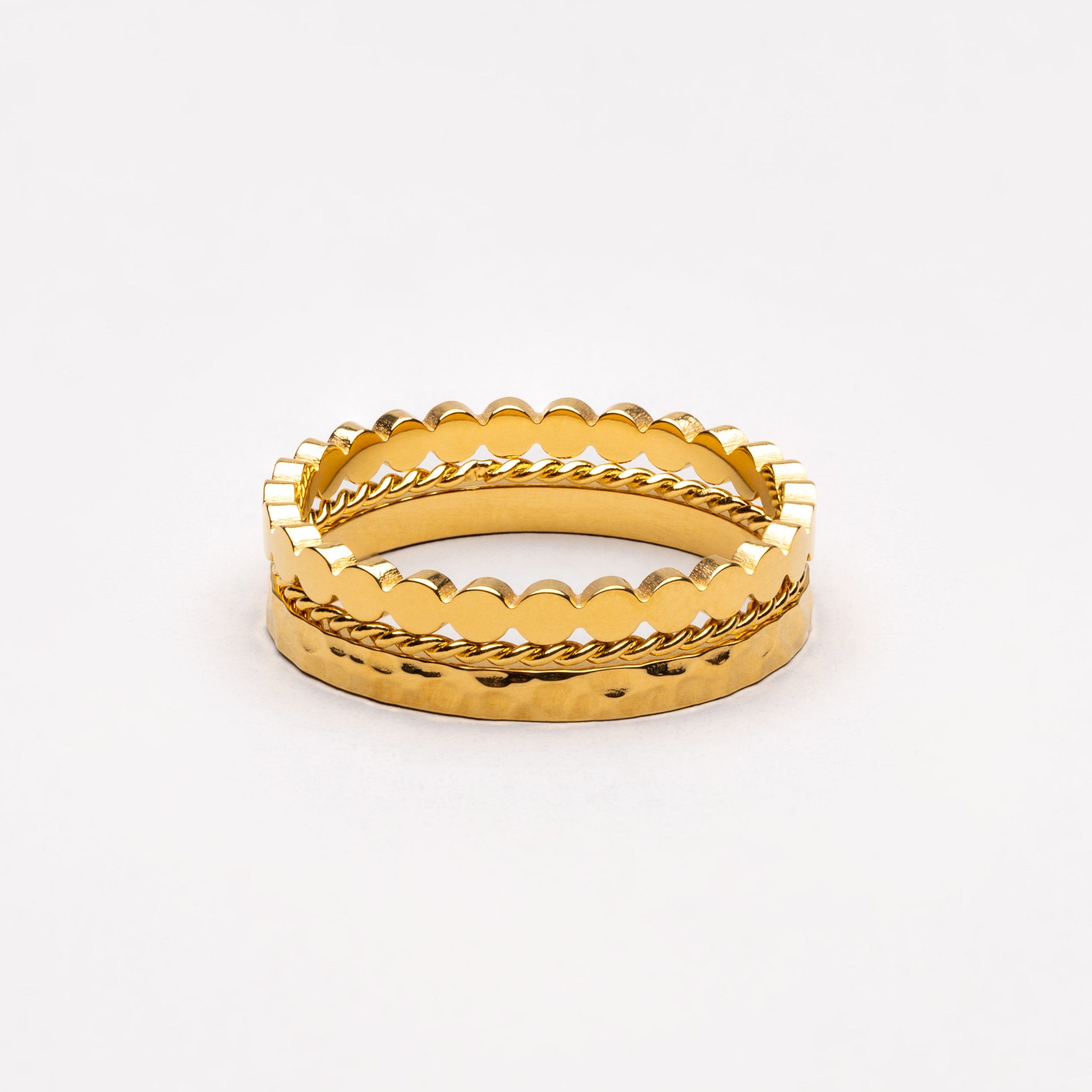
Start by choosing a focal ring per hand—often your engagement, signet, or chunkiest band—then build around it with slimmer pieces. Use deliberate stacking techniques: alternate textures (smooth, hammered, pavé) and vary heights so rings don’t scrape.
When mixing metals, anchor your look with a dominant tone—typically gold or silver—then echo the secondary metal at least twice so it feels purposeful, not random.
Leave at least one finger bare per hand to avoid visual overload. Consider your wardrobe too: minimalist outfits support bolder stacks; maximalist prints pair better with refined, streamlined bands that won’t compete.

When You Can Ignore Which Hand or Finger Rules
Once you understand how to build a balanced stack, you can start bending the so‑called “rules” about which hand or finger a ring belongs on. Etiquette gives you a framework, but it doesn’t lock you in.
Outside of legal or religious contexts—like wedding bands in conservative communities—you can prioritize personal preference and comfort.
You might switch a “statement” ring to your dominant hand for visibility, or move a family heirloom off the traditional ring finger to avoid confusing its meaning.
Fashion‑forward styling often ignores strict placement and focuses on proportion, metal mix, and overall vibe.
Just stay aware of cultural influences: in some regions, specific fingers still signal marital status or mourning, so choose when to subvert those codes intentionally.
Frequently Asked Questions
Can Wearing Rings on Certain Fingers Affect Job Interviews or Professional Perception?
Yes, certain fingers can subtly influence perception. You protect your professional image by choosing minimal, coordinated rings as part of job interview attire. Avoid oversized statement pieces; they can signal distraction, nonconformity, or misalignment with conservative workplace norms.
How Do Ring-Hand Choices Differ for Lgbtq+ Engagements and Weddings?
You’ll see LGBTQ+ engagements and weddings use ring-hand choices far more fluidly; LGBTQ+ symbolism, personal preference, and cultural norms all interact, so couples remix engagement traditions—matching hands, switching bands, or skipping conventional left-hand rules entirely.
Are There Health or Circulation Issues From Wearing Tight Rings on Specific Fingers?
Yes, tight rings can cause circulation concerns and nerve compression, increasing finger sensitivity, numbness, or swelling. You should size up if you see skin indentation, color change, or can’t twist the ring easily over your knuckle.
Do Left-Handed People Ever Switch Traditional Ring Hands for Comfort or Practicality?
Yes, you sometimes switch ring hands for tool use, writing, or sports. Left handed preferences often prioritize ring comfort, so you might wear wedding or commitment rings on the right hand while keeping symbolism unchanged.
Can Smart Rings or Fitness Tracker Rings Replace Traditional Wedding or Engagement Bands?
They can, if you and your partner agree. You treat smart rings’ benefits—health metrics, notifications—as symbolic too. Many couples stack them with bands, but evolving fitness tracker designs increasingly serve as primary, tech-forward commitment rings.
Conclusion
You’ve seen how ring placement blends tradition, symbolism, culture, and personal style. Now use those rules as tools, not limits. Choose the hand and finger that fit your story—whether it’s a classic left-hand wedding band, a right-hand power ring, or stacked rings that flex your aesthetic. When in doubt, match your choice to your values, lifestyle, and vibe. If it feels authentic and looks intentional, you’re wearing it “right.”











Leave a comment
This site is protected by hCaptcha and the hCaptcha Privacy Policy and Terms of Service apply.